

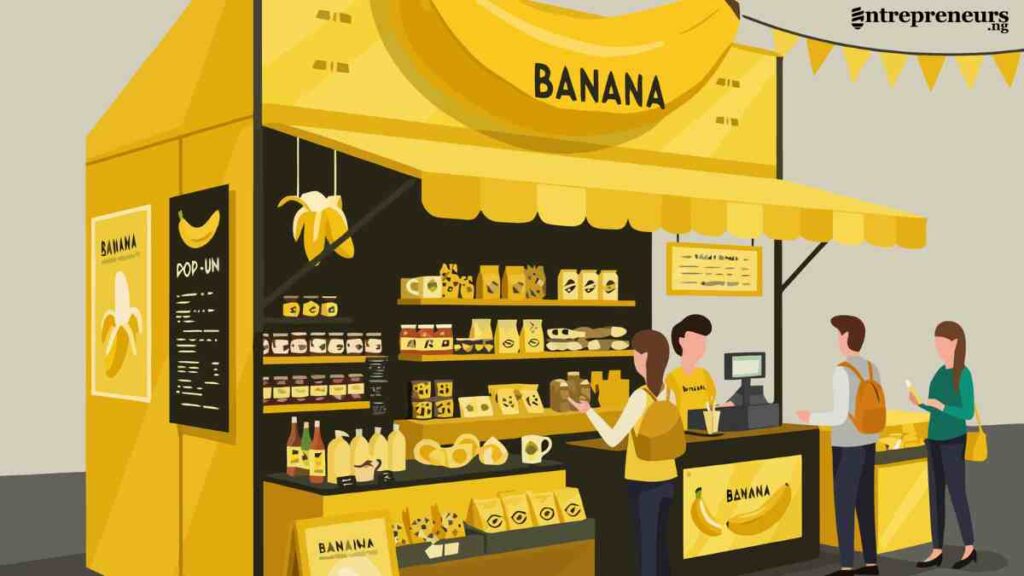
Pop up shop concepts have become a powerful way for brands to meet customers directly and test new markets. A pop up shop offers flexibility, speed, and a low-risk path to retail presence.
Entrepreneurs use pop ups to build visibility, validate products, and create memorable customer experiences.
This guide shows you exactly how to plan, launch, and grow a successful pop up shop anywhere.
Key Takeaways
- A pop up shop is a flexible and low-cost way to test markets, engage customers, and build strong brand visibility.
- Choosing the right location, format, tools, and budget determines how successful your pop up shop will be.
- Creative ideas, clear goals, and strong marketing help you attract the right audience and drive meaningful sales.
- Post-event analysis and customer follow-up turn a temporary pop-up shop into long-term business growth.
What Is a Pop Up Shop
A pop up shop is a temporary retail space that allows a business to sell products, test ideas, or engage customers for a short period of time.
The concept is known globally as a pop up shop, pop up store, or flash retailing, and it works because it creates urgency and invites customers to experience a brand in a focused, time-bound environment.
Pop up shops can appear in vacant retail units, malls, event centres, markets, shared retail spaces, or even mobile setups.
Some brands also run online pop up shops, offering limited time product drops or curated digital collections.
The core idea is simple. You show up where your audience is, you create a memorable brand moment, and you leave them with a reason to stay in your ecosystem long after the event ends.
To help illustrate how a pop up shop compares to traditional retail and online only retail, here is a quick view.
| Retail Format | Cost Level | Flexibility | Speed to Launch | Customer Interaction | Risk Level |
|---|---|---|---|---|---|
| Pop Up Shop | Low to moderate | High | Fast | High touch, experiential | Low |
| Permanent Store | High | Low | Slow | High | High |
| Online Store | Low | High | Fast | Limited to digital | Low |
If you are planning to expand your business, experiment with a new idea, or test a new market, a pop up shop offers a practical and data rich way to do it without long term commitments.
Benefits of a Pop Up Shop
A pop up shop gives entrepreneurs and established brands a practical way to grow without the heavy financial and operational demands of a permanent store.
When done well, it can accelerate visibility, sales, customer engagement, and market intelligence in a short period of time.
Below are the core benefits:
Low-Cost Entry Into Retail
A pop up shop allows you to enter physical retail at a fraction of the cost of a full store. You can rent a space for days or weeks instead of signing long leases.
According to Storefront, many pop up shops operate with space costs of under 5,000 dollars, depending on the city and foot traffic level.
This flexibility makes it easy for small businesses and ecommerce brands to test retail with minimal financial risk.
Fast Market Testing and Real Customer Insights
It is one of the fastest ways to test new products, pricing, packaging, and customer behaviour. You get immediate feedback from real shoppers in real environments.
This is far more reliable than online surveys or assumptions. Brands often learn within days whether a product resonates, which colours shoppers prefer, how people interact with displays, and what objections buyers raise.
These insights help you refine your offer before scaling.
Increased Brand Awareness and Local Visibility
A pop up shop naturally attracts attention because it is temporary. The limited duration creates curiosity and encourages foot traffic.
Customers love discovering something new and exclusive and are more likely to explore a brand when it feels like a unique moment. This is especially valuable for emerging brands that need visibility fast.
Higher Conversion Rates Through Experiential Retail
People convert more often when they can touch, feel, try, or smell products. A pop up shop helps you create experiential retail moments that online only businesses cannot offer.
You can host demos, mini classes, tastings, styling sessions, or product trials. These experiences lead to stronger emotional connection and higher purchase confidence.
Stronger Community Engagement
A well designed pop up shop can activate a neighbourhood and build local relationships. You can collaborate with nearby businesses, partner with creators, or hold mini events.
These interactions deepen community ties and expand brand reach through word of mouth and social sharing.
Opportunity to Build Your Customer Database
Pop up shops help you capture emails, phone numbers, social follows, and customer preferences. Many visitors who do not buy immediately still become long-term customers through online nurturing.
A strong pop-up shop strategy includes lead collection tools, QR codes, and email sign-up incentives.
A Low Risk Path to Brand Expansion
A pop-up shop helps you test new cities, regions, or countries without long-term commitments. If demand is strong, you can scale into a larger or permanent space.
If demand is weak, you walk away with insights instead of losses.
Illustrative Table: Benefits of a Pop Up Shop at a Glance
| Key Benefit | Impact on Business | Why It Matters |
|---|---|---|
| Low cost entry | Reduces financial pressure | Ideal for small businesses and ecommerce brands |
| Fast market testing | Quick feedback on products and pricing | Helps refine offers and reduce risk |
| Increased visibility | Attracts foot traffic and attention | Strengthens brand awareness |
| High conversion | Hands on experience drives sales | Creates trust and emotional engagement |
| Community building | Strengthens local ties | Builds long term customer loyalty |
| Database growth | Captures direct leads | Supports long term online sales |
| Market expansion | Tests new markets safely | Helps guide location strategy |

Types of Pop Up Shops
Understanding the different types of pop up shops helps you choose the format that fits your goals, budget, and audience.
Each pop up shop style serves a unique purpose, whether you want to boost sales, test products, or build brand visibility.
Below are the most searched and widely used pop up shop formats.
Physical Pop Up Shops
Physical pop up shops are the most common. They give customers a hands-on experience and allow you to position your brand in high-traffic areas.
Retail Unit Pop Ups
These pop-up shops operate inside vacant retail units or mall spaces. They are ideal when you want visibility, strong foot traffic, and a structured retail environment.
Market Stall Pop Ups
Market stalls are budget-friendly. They allow you to participate in local markets, artisan fairs, or weekend events. They suit small businesses and emerging brands, testing demand.
Shop in Shop Pop Ups
This format places your pop-up shop inside an existing retail store. It reduces cost, offers access to an established customer base, and works well for collaborations.
Mobile Pop Up Shops
Mobile pop-ups use trucks, vans, or portable retail units. They allow you to move from one location to another and are perfect for brands that want flexible outreach.
Online Pop Up Shops
An online pop-up shop is a limited-time digital event or product drop. It can operate through your website, an online marketplace, or a social commerce platform.
This type is useful when you want to create urgency without the cost of a physical setup. Online pop-up shops can also help you test interest before launching a physical pop-up shop.
Hybrid Pop Up Shops
Hybrid pop ups combine physical and online experiences. For example, a brand may run a physical pop up shop while offering exclusive online only items for a limited time.
This format allows you to reach both local visitors and a wider online audience.
Seasonal Pop Up Shops
Seasonal pop up shops appear during high-demand periods such as holidays, summer seasons, or local festivals.
Customers expect these short-term events, which makes them excellent for quick sales and product launches.
Illustrative Table: Popular Types of Pop Up Shops
| Type of Pop Up Shop | Best For | Cost Level | Flexibility | Customer Interaction |
|---|---|---|---|---|
| Retail Unit Pop Up | Visibility and brand presence | Medium | Moderate | High |
| Market Stall Pop Up | Small budgets and testing | Low | High | Medium |
| Shop in Shop Pop Up | Partnerships and shared audiences | Low to medium | Moderate | High |
| Mobile Pop Up Shop | On the go visibility | Medium | High | Medium |
| Online Pop Up Shop | Limited time digital drops | Low | High | Low |
| Hybrid Pop Up Shop | Reaching online and offline audiences | Medium | High | High |
| Seasonal Pop Up Shop | Holiday or event driven sales | Low to high | Medium | Medium |
Choosing the right type of pop up shop depends on your business goals, target market, and the level of investment you want to make.
See Also: How to Start a Retail Store Successfully – A Step-by-Step Guide

Creative Pop Up Shop Ideas
Creative ideas help your brand stand out, attract foot traffic, and create memorable experiences.
Limited Edition Product Drop
A limited edition drop is one of the strongest pop up shop ideas because it creates urgency. You offer exclusive items or seasonal collections available only during the pop-up shop.
This strategy works well for fashion, beauty, accessories, and lifestyle brands. Customers respond strongly to scarcity, which often leads to fast conversions.
Experiential Pop Ups
Experiential pop-ups focus on interaction. People love hands-on moments, and these experiences create emotional connections with your brand.
Examples include styling sessions, scent bars, product customisation stations, or demo corners.
According to EventTrack, more than 90 percent of consumers feel more positive about a brand after an experiential event. This makes experiential pop-ups powerful for long-term brand loyalty.
Workshop-Based Pop Ups
Workshops turn your pop-up into a learning environment. You can teach customers how to use your products, show them how items are made, or host mini classes.
This format works well for skincare, wellness, food, craft, and fashion brands. Workshops also help you collect emails from participants, boosting long-term engagement.
Creator or Artist Collaboration Pop Ups
Collaborations are popular because they bring together two audiences. You can partner with a local creator, artist, or influencer to co-host a pop-up shop.
This adds credibility, attracts new followers, and increases shareability. Collaborative pop-ups are especially effective for lifestyle brands and handmade products.
Community Focused Pop Ups
Community-driven pop-ups support local causes or highlight local talent. You can host charity-supported events, showcase small makers, or run community-themed activities.
These pop-ups build goodwill and help you attract socially conscious customers.
Online Only Limited Time Pop Ups
Online pop up shops are perfect for brands that want to create buzz without a physical location. You can run a flash sale, release a surprise collection, or host a timed online event.
This idea works for ecommerce brands looking to re activate customers or test new products with minimal cost.
Data Driven Table: Creative Pop Up Shop Ideas and Their Core Benefits
| Pop Up Shop Idea | Primary Benefit | Best For | Customer Engagement Level |
|---|---|---|---|
| Limited Edition Drop | Creates urgency and fast sales | Fashion, beauty, lifestyle | High |
| Experiential Pop Up | Deep emotional connection | Beauty, wellness, retail | Very high |
| Workshop Pop Up | Education and product trust | Skincare, craft, food | Medium to high |
| Collaboration Pop Up | Shared audiences and visibility | Fashion, art, lifestyle | High |
| Community Focused Pop Up | Social impact and local loyalty | Small businesses and makers | Medium |
| Online Limited Time Pop Up | Low cost digital activation | Ecommerce brands | Low to medium |
See also: How to Run a Successful Retail Giveaway- Ideas and steps
How to Launch a Pop Up Shop
Launching a pop up shop requires clarity, planning, and a structured approach.
Define Your Purpose and Positioning
Every pop up shop must start with a clear purpose. Decide whether you want to increase sales, build brand awareness, test new products, attract new customers, or validate a new market.
Your goals determine the type of pop up shop you launch, the location you choose, the products you display, and the marketing strategy you use.
Identify the Right Audience
You need to know who you are trying to attract. Understanding your audience helps you choose the right neighbourhood, price points, visuals, and messaging.
If your pop up shop is for millennials, for example, you will lean towards high-energy zones or creative districts. If your audience is families, you might choose community-focused locations with easy access.
Allocate a Realistic Budget
Launching a pop up shop requires a clear financial structure. Your budget should cover space rental, design, staffing, inventory, tech tools, and marketing.
The goal is to plan realistically so you do not overspend or underinvest in visibility.
Secure a Strong Product Mix
Your pop-up shop must showcase the right products. Use a mix of proven bestsellers and new items you want to test.
Limit the number of options so customers can decide faster. Product curation also keeps your pop-up shop visually clean and easy to shop.
Build Your Marketing Engine Early
Marketing is a major part of launching any successful pop up shop. You need to build anticipation weeks before the launch.
Use email lists, social media teasers, influencers, and local groups to drive traffic. The more anticipation you create, the better your opening day performance.
Map Out Your Operations
Before opening, detail how your pop up shop will run. Assign roles, create daily checklists, outline opening and closing routines, and plan your stock replenishment process.
Smooth operations help you focus on customers rather than last-minute problems.
Create a Launch Week Schedule
Your launch needs structure. Plan your busiest activities for the first three days, when excitement is highest.
This may include demos, influencer visits, giveaways, or media appearances. A strong launch week sets the tone for the rest of the event.
Illustrative Table: Key Stages of Launching a Pop-Up Shop
| Stage | What It Covers | Why It Matters |
|---|---|---|
| Purpose Definition | Goals and positioning | Guides every major decision |
| Audience Identification | Target customer profile | Helps choose location and messaging |
| Budget Allocation | Costs, resources, priorities | Prevents overspending |
| Product Selection | Items to display and sell | Drives sales and engagement |
| Marketing Activation | Promotion, outreach, teasers | Increases visibility and traffic |
| Operations Planning | Staff roles and processes | Ensures smooth daily flow |
| Launch Week Execution | Events and activities | Maximises momentum |
Cost of Setting Up a Pop Up Shop
Below is a clear breakdown of the key cost components so you can plan effectively and avoid surprises.
Space Rental Costs
Space rental is often the largest expense in a pop up shop budget. Prices vary based on city, foot traffic, and property type.
According to Storefront, many small pop up shop spaces can cost under 5,000 dollars for short term rentals in some markets, while premium areas can go significantly higher. Shared spaces and market stalls offer the lowest rental costs.
Design and Fit Out Costs
Your pop-up shop must look inviting, but the design does not have to be expensive. Fit out costs include fixtures, shelves, signage, lighting, and decor.
You can often keep these costs moderate by using portable displays or renting modular fittings.
Inventory and Stocking Costs
Purchasing or producing enough inventory for the pop-up shop is a major consideration. If you are testing new products, you may invest in smaller quantities.
If your goal is sales, you may need broader stock options. Your product mix directly influences your total stocking cost.
Staffing Costs
Even a small pop-up shop needs staff. You may need a cashier, sales assistant, or someone to manage customer flow. Staffing cost depends on your operating hours, event duration, and required skill level.
Tech and Payment Tools
Your pop up shop needs a reliable POS system, a card reader, WiFi, and tools for email capture. These costs vary depending on the provider.
Some systems charge transaction fees instead of upfront fees, which can help keep your initial budget low.
Marketing and Promotion Costs
Marketing is a critical part of your pop up shop cost structure. You may need to budget for paid ads, social media promotion, influencer fees, street flyers, or PR outreach.
Strong marketing ensures foot traffic and improves your return on investment.
Insurance, Permits, and Miscellaneous Fees
Depending on your city, you may need temporary permits, event insurance, or local licences. These costs are often overlooked but are important to include in your budget.
Cost Breakdown Table: Estimated Pop Up Shop Costs
| Cost Category | Estimated Range | Notes |
|---|---|---|
| Space Rental | 500 to 5,000 dollars and above | Varies by city, size, and foot traffic |
| Design and Fit Out | 300 to 3,000 dollars | Depends on branding and fixtures |
| Inventory | Flexible based on business size | Higher if launching new products |
| Staffing | 100 to 1,000 dollars per day | Depends on number of team members |
| Tech and Tools | 50 to 500 dollars | POS, WiFi, email capture tools |
| Marketing | 200 to 5,000 dollars | Influencers, ads, PR, content |
| Permits and Insurance | 50 to 500 dollars | City and event requirements |
Understanding the cost of setting up a pop up shop helps you plan strategically. The goal is to balance visibility and experience without overspending.

How to Set Up a Pop Up Shop – Step by Step
Here are the steps you need to take to set up your pop-up shop:
Step 1: Define Your Goal
Your pop up shop must start with a clear goal. Decide whether you want to test demand, increase sales, validate new products, attract new customers, or strengthen your brand presence.
Your goal determines your budget, format, marketing plan, and the type of pop-up shop you choose.
Step 2: Identify Your Target Audience
A successful pop up shop attracts the right people, not just any crowd. Identify who you want to reach, their age range, lifestyle, spending habits, and preferred shopping environments.
This clarity helps you choose the right location and design style.
Step 3: Choose Your Pop Up Shop Format
Select the type of pop up shop that aligns with your objective. It may be a retail unit, market stall, mobile pop-up, seasonal pop-up, online pop-up shop, or a hybrid format.
Each option offers different levels of cost, visibility, and flexibility.
Step 4: Set Your Budget
Define your budget early so you can manage costs without stress. Include rental fees, design, staffing, tech tools, marketing, inventory, and permits.
A realistic budget keeps your pop-up shop structured and helps you make better decisions as you plan.
Step 5: Secure Your Location
Your location is the heart of your pop-up shop. Visit several options, review foot traffic at different times, assess the neighbouring businesses, and consider accessibility.
Negotiate rental terms based on the duration, utility coverage, and space condition.
Step 6: Design the Pop Up Shop Experience
Plan your layout, visual merchandising, signage, lighting, and customer flow. Your pop-up shop should be simple, inviting, and aligned with your brand.
Focus on creating a memorable experience that leads to strong engagement and conversions.
Step 7: Set Up Your Inventory and Tech Tools
Prepare your stock, organise your products, and ensure you have the right tech tools. This includes a POS system, a card reader, QR codes, and tools for email capture.
Efficient stock management ensures smooth operations.
Step 8: Launch and Engage Customers
On opening day, focus on customer interaction. Share your brand story, offer guidance, conduct demos, or run mini experiences.
Your pop-up shop launch should create a warm and engaging environment that encourages buying and online follow-up.
Step 9: Track Performance and Collect Data
Track sales, foot traffic, customer feedback, and email sign-ups. Collect insights on which products perform best and which customer questions come up most.
Data helps you refine your next pop-up shop or plan for a long-term location.
Step 10: Review and Optimise
After closing, conduct a full review. Evaluate your financial results, customer interest, engagement levels, and marketing effectiveness.
Use these insights to improve your next event or shape your business strategy.
Pop Up Shop Step-by-Step Planning Table
| Step | Focus Area | Key Activities | Outcome |
|---|---|---|---|
| 1 | Goal Definition | Clarify purpose | Clear direction for planning |
| 2 | Audience | Identify your target customer | Aligned marketing and messaging |
| 3 | Format Selection | Choose type of pop up shop | Structure for operations |
| 4 | Budgeting | Allocate costs | Financial control |
| 5 | Location | Visit and negotiate spaces | Strong visibility |
| 6 | Design | Visual layout and experience | Customer engagement |
| 7 | Inventory and Tech | Prepare stock and POS tools | Operational readiness |
| 8 | Launch | Engage visitors | Sales and visibility |
| 9 | Tracking | Record insights | Data driven decisions |
| 10 | Review | Analyse results | Improved future performance |
How to Find and Negotiate the Perfect Pop Up Shop Location
Finding the right pop up shop location is one of the most important decisions you will make.
Know Your Target Audience and Go Where They Already Are
Your pop up shop should be placed where your ideal customers naturally spend their time. Review who your audience is, their lifestyle, their spending behaviour, and the type of environment they prefer.
This helps you identify whether you belong in a mall, creative district, market, high street, or community area.
Evaluate Foot Traffic Quality and Quantity
Not all foot traffic is equal. A location may have many people walking by, but they may not be your buyers. Assess both the volume and the quality of the traffic.
Visit at different times of the day and different days of the week to observe patterns. This helps you choose a pop-up shop location that generates discovery and sales.
Study Surrounding Businesses
Neighbouring businesses influence the success of your pop-up shop. Stores that target the same audience or complement your category can attract the right visitors.
For example, if you sell activewear, being close to a yoga studio or wellness shop can boost your visibility.
Compare Different Types of Pop Up Shop Spaces
There are several formats for hosting a pop-up shop. Compare them based on cost, visibility, and customer flow.
Retail Units
Suitable for high-visibility pop-up shops. Ideal when brand presence matters.
Market Stalls
Affordable and flexible. Work well for small businesses, creators, and makers.
Shop in Shop Spaces
Allows you to benefit from the host store’s customer base. Perfect for emerging brands.
Shared Spaces and Studios
Offer lower rent and collaborative energy. Useful for themed pop up shops or workshops.
Review Access, Parking, and Transport
Make it easy for customers to find you. Good signage, parking availability, and public transport access influence customer convenience, especially during busy periods or product launches.
Analyse Rental Terms Before Committing
Before signing, review the rental contract in detail. Look out for hidden fees, restrictions, and rules that may affect your pop-up shop operations.
Key points to evaluate include access hours, utility coverage, maintenance responsibilities, signage rules, security, and space condition. This ensures you know exactly what you are paying for.
Negotiate Confidently and Use Data
Landlords expect negotiation, especially for short-term retail. Use foot traffic data, comparisons with nearby spaces, and your rental duration to negotiate better terms.
Many property owners prefer filling empty spaces, so short-term agreements can work in your favour.
Table: Location Evaluation Checklist for Pop-Up Shops
| Evaluation Area | What to Look For | Why It Matters |
|---|---|---|
| Audience Fit | Match between customers and brand | Ensures relevance |
| Foot Traffic | Quality and peak times | Drives discovery and sales |
| Neighbouring Stores | Complementary businesses | Increases visibility |
| Accessibility | Parking and transport | Improves convenience |
| Space Type | Retail unit, stall, shared space | Affects cost and flow |
| Rental Terms | Fees, hours, utilities, rules | Prevents surprises |
| Negotiation Factors | Flexibility and demand | Helps reduce cost |
Choosing the right pop-up shop location is a blend of data, observation, and negotiation. When your location aligns with your audience and budget, you give your pop-up shop a strong chance of success.
Tools You Need to Run a Pop Up Shop
Running a pop up shop requires simple but dependable tools that allow you to sell products, manage inventory, accept payments, collect customer data, and operate smoothly.
POS Systems and Card Readers
A reliable POS system is one of the most important tools for any pop-up shop. It allows you to process payments, track sales, manage receipts, and analyse transactions.
Card readers give customers multiple payment options, which increases conversion rates. Choose systems that are portable, easy to set up, and suitable for short-term events.
Inventory Management Tools
Inventory management tools help you track stock levels in real time so you avoid running out of key items.
These tools also help you understand which products are selling fastest, allowing you to improve restocking and plan future pop-up shops with more accuracy.
WiFi and Connectivity Solutions
Strong internet access supports your POS system, online receipts, QR code interactions, and digital marketing activities during the event.
Many pop-up shop spaces do not provide reliable WiFi, so consider portable hotspot devices as a backup.
Email and Data Capture Tools
A pop up shop is a powerful way to build your customer database. Use QR codes, digital forms, or sign-up incentives to collect emails and phone numbers.
This allows you to continue marketing to customers long after the pop up shop has ended.
Display and Visual Merchandising Tools
Your visual merchandising tools can include portable shelves, display tables, signage stands, mannequins, and lighting.
These items help you create an attractive environment without investing in permanent fixtures.
Security and Safety Tools
Security tools for a pop up shop include lockable storage, CCTV where allowed, and secure cash handling systems.
Safety tools like fire extinguishers, first aid kits, and crowd control items ensure that the space complies with basic safety expectations.
Customer Experience and Engagement Tools
Customer engagement tools such as sampling trays, demo stations, photo backdrops, or interactive screens help create memorable experiences.
These tools contribute significantly to the success of experiential pop up shops.
Tech Tools Table: Essential Tools for a Pop Up Shop
| Tool Category | Examples | Purpose |
|---|---|---|
| POS System | Mobile POS devices | Process payments and track sales |
| Card Readers | Portable card machines | Accept multiple payment options |
| Inventory Tools | Stock tracking software | Manage stock levels in real time |
| WiFi Solutions | Portable hotspots | Ensure stable internet access |
| Data Capture Tools | QR forms, email tools | Build customer database |
| Merchandising Tools | Shelves, signage, lighting | Create visual appeal |
| Security Tools | CCTV, lockable storage | Protect assets and equipment |
| Engagement Tools | Demo stations, displays | Increase interaction and conversions |
Having the right tools in place allows you to run your pop-up shop smoothly and professionally.
How to Market Your Pop Up Shop
Marketing your pop up shop is one of the most important steps in ensuring strong visibility, high foot traffic, and meaningful customer engagement.
Pre Launch Marketing Strategies
Strong pre launch marketing determines how successful opening day will be. The earlier you promote your pop up shop, the more anticipation you build.
Build Awareness with Social Media Teasers
Share countdown posts, behind-the-scenes content, product previews, and location hints. Create a dedicated hashtag that customers can follow. The goal is to build curiosity and drive people to mark the date.
Create a Simple Landing Page
Your pop up shop needs a landing page with event details, dates, offers, and a sign-up form. Encourage visitors to register for updates. This helps you build a warm list you can market to before and after the event.
Use Email Marketing to Warm Up Existing Customers
Send announcement emails, teasers, and exclusive previews. Email subscribers are already connected to your brand, so they convert faster.
Partner with Local Influencers
Local influencers increase credibility and help you reach your target audience faster. Choose influencers whose followers align with your ideal pop up shop visitors.
Leverage Local Communities
Promote your pop up shop in neighbourhood groups, online communities, lifestyle pages, event boards, and community forums. These channels attract people who enjoy discovering local events.
Launch Day Marketing Strategies
Your launch day sets the tone for your entire pop up shop. Create an atmosphere that encourages participation, excitement, and sharing.
Go Live on Social Media
Host livestreams on Instagram, TikTok, or YouTube. Give virtual audiences a tour of your pop up shop, show product highlights, and answer questions.
Encourage User Generated Content
Customers enjoy sharing their experiences. Create photo moments, attractive displays, or branded backdrops that encourage people to post and tag your pop up shop.
Run Limited Time Offers
Launch day promotions create urgency. Offer small incentives such as early bird discounts, bundles, or free samples. These offers increase purchase momentum and help you generate early traction.
Post Launch and Ongoing Marketing
Marketing does not end when the pop up shop opens. Continuing to promote the event sustains foot traffic and helps you reach people who missed the launch.
Share Customer Stories and Highlights
Post reviews, photos, and videos from early visitors. This builds social proof and encourages more people to visit.
Retarget Interested Visitors
Use social media ads to retarget people who engaged with your posts, visited your landing page, or interacted with your brand. This helps you reach warm audiences efficiently.
Stay Active Through the Entire Event
Share daily updates, new arrivals, behind-the-scenes clips, and reminders. Consistent posting maintains visibility and keeps customers excited.
Post Event Marketing for Long Term Results
A pop up shop gives you valuable leads and content. Use them to strengthen your brand after the event closes.
Send a Thank You Email Sequence
Thank customers for visiting and offer them a follow up discount. This helps transition pop up shop visitors into long term online buyers.
Repurpose Content
Use photos, videos, testimonials, and highlights for ongoing content across your digital platforms. This reinforces the message that your brand is active and engaging.
Analyse Your Marketing Performance
Review which platforms drove the most foot traffic, which posts had the highest engagement, and which offers converted best. This data helps you improve your next pop up shop.
Marketing Strategy Table: What to Do Before, During, and After Your Pop Up Shop
| Phase | Core Activities | Purpose | Expected Outcome |
|---|---|---|---|
| Pre Launch | Social teasers, influencer outreach, email warm up, landing page | Build awareness | Strong launch day traffic |
| Launch Day | Live streams, UGC, limited offers | Create excitement | High engagement and quick conversions |
| Ongoing | Daily content, retargeting, event updates | Sustain momentum | Consistent foot traffic |
| Post Event | Thank you emails, content repurposing, analysis | Extend impact | Long term customer retention |
Pop Up Shop Checklist
This checklist brings together every major task required to plan, set up, and run a successful pop up shop.
Planning and Strategy Checklist
A strong pop up shop starts with clear planning. Use this list to clarify your direction before spending money.
- Define the main goal of your pop up shop
- Identify your target customers
- Choose the type of pop up shop that fits your objective
- Decide on a realistic budget
- Set your expected timeline
- Select your core products and collections
- Identify your key success metrics
Location and Logistics Checklist
Your location influences visibility, sales, and customer flow. Use this list to evaluate and secure the right space.
- Shortlist several locations
- Observe foot traffic at different times of day
- Evaluate whether the audience matches your target customers
- Check accessibility, parking, and transport
- Inspect the condition of the space
- Confirm availability of utilities
- Review and negotiate rental terms
- Secure permits or licences if required
Design and Setup Checklist
The visual experience of your pop up shop affects customer engagement and purchase decisions.
- Create a floor plan for customer flow
- Arrange display tables, shelves, or racks
- Install signage and price tags
- Test lighting and product visibility
- Set up mirrors, fitting areas, or demo spaces
- Prepare storage areas for stock
- Ensure your environment reflects your brand identity
Inventory and Tech Tools Checklist
A pop up shop must run smoothly from a tech and inventory standpoint.
- Prepare stock and organise it by category
- Set up POS systems
- Test card readers
- Arrange WiFi or hotspot devices
- Create QR codes for sign ups or product information
- Prepare receipts or digital checkout tools
Staffing and Operations Checklist
Clear roles help your pop up shop operate without delays.
- Assign staff responsibilities
- Conduct a brief training session
- Prepare opening and closing procedures
- Set up a customer service process
- Prepare restocking routines
- Create a process for handling returns or exchanges
Marketing and Launch Checklist
Marketing determines how many visitors will walk into your pop up shop.
- Create social media teasers
- Build a landing page with event details
- Send announcement emails
- Contact local influencers or partners
- Prepare signboards or street flyers
- Plan launch day offers or activities
- Set up photo moments for user generated content
Launch Day and Daily Operation Checklist
This list helps you deliver a smooth, professional experience each day.
- Test all tech tools before opening
- Ensure staff is ready and briefed
- Keep the store clean and organised
- Capture customer data
- Take photos or videos for daily content
- Monitor foot traffic and sales
- Restock shelves and displays
- Address customer questions with clarity
Closing and Post Event Checklist
After the pop up shop ends, proper review helps improve future events.
- Perform a closing day stock count
- Evaluate sales performance
- Review customer feedback
- Analyse foot traffic and conversion rates
- Send thank you emails to customers
- Organise photos and videos for content
- Document lessons learned
- Plan improvements for your next pop up shop
Consolidated Pop Up Shop Checklist Table
| Category | Key Items to Complete | Purpose |
|---|---|---|
| Planning | Goals, budget, products, metrics | Establish direction |
| Location | Foot traffic, rental terms, permits | Secure the right space |
| Design | Layout, signage, displays | Create visual appeal |
| Inventory and Tech | Stock, POS, WiFi, QR codes | Enable smooth operations |
| Staffing | Roles, training, procedures | Support efficient workflow |
| Marketing | Teasers, email, influencers | Drive awareness and traffic |
| Daily Operations | Tech tests, restocking, content | Maintain engagement |
| Post Event | Reporting, feedback, follow up | Strengthen long term impact |
This pop up shop checklist simplifies the entire planning and execution process. It ensures that no detail is overlooked and keeps your team aligned before, during, and after the event.

Conclusion
A pop up shop gives any brand a practical way to meet customers, test ideas, and create meaningful retail experiences without long-term commitments.
With the right planning and execution, it becomes a powerful tool for visibility, customer engagement, and sales growth.
You now have a complete guide on how to set up a pop up shop, market it, choose the right location, manage costs, and build a memorable experience that strengthens your brand.
We want to see you succeed, and that’s why we provide valuable business resources to help you every step of the way.
- Join over 23,000 entrepreneurs by signing up for our newsletter and receiving valuable business insights.
- Register your business today with Entrepreneurs.ng’s Business Registration Services.
- Tell Your Brand Story on Entrepreneurs.ng, let’s showcase your brand to our global audience.
- Need help with your marketing strategy? Get a Comprehensive Marketing and Sales Plan here.
- Sign up for our Entrepreneurs Success Blueprint Programme to learn how to start and scale your business in just 30 days.
- Book our one-on-one consulting and speak to an expert about structuring and growing your business.
- Visit our shop for business plan templates and other valuable resources to guide you.
- Get our Employee-Employer Super Bundle NDA templates to legally protect your business and workforce.
- Advertise your business to over a million entrepreneurs through our different advertising packages.
FAQs
What is a pop up shop?
A pop up shop is a temporary retail space where a brand sells products or hosts an experience for a short period.
Pop up shops help businesses test new markets, meet customers, and drive quick sales without long term commitments.
How much does it cost to set up a pop up shop?
The cost of setting up a pop-up shop varies by city, duration, and space type. Small pop-up shops can run from a few hundred dollars for market stalls to a few thousand dollars for retail units.
Your budget should include rent, fixtures, inventory, tech tools, marketing, and permits.
Are pop up shops profitable?
Yes, a pop up shop can be highly profitable because operating costs are low and customer interaction is high.
Profitability depends on your location, product mix, marketing, and execution. Pop-up shops often produce faster conversions because customers can touch and try products.
How long should a pop-up shop last?
A pop up shop can run anywhere from a single day to several weeks. Many brands choose durations between one weekend and one month.
Shorter events create urgency, while longer durations allow you to reach more people and gather deeper insights.
Do I need a licence or permit to run a pop up shop?
Some locations require temporary permits, vendor registrations, or event insurance. Requirements depend on local regulations.
Always check with the property manager or local authority before opening your pop-up shop to avoid disruptions.
What products are best suited for a pop up shop?
Pop up shops work for fashion, beauty, accessories, wellness, home goods, food products, handmade items, and tech accessories.
Any product that benefits from hands-on interaction or visual merchandising performs well in a pop up shop environment.
How do I choose a location for my pop up shop?
Choose a pop up shop location with strong foot traffic, easy access, and nearby businesses that attract your target customers.
Visit the area at different times of day, compare spaces, and negotiate rental terms before committing.
How do I market my pop up shop effectively?
Market your pop up shop by using social media teasers, email campaigns, influencer partnerships, local community groups, and launch day activities.
Build anticipation before opening, and stay active with daily updates to keep foot traffic high.
What tools do I need to run a pop up shop?
You need a POS system, card reader, WiFi, inventory management tools, signage, data capture tools, and visual merchandising items.
These tools ensure that your pop up shop operations are smooth and professional.
Can an online business run a pop up shop?
Yes, online businesses use pop up shops to meet customers, increase brand visibility, and convert online followers into in-person buyers.
Pop up shops help ecommerce brands build trust and collect valuable feedback.
What is the difference between a pop up shop and a permanent store?
A pop up shop is temporary, flexible, and low-cost. A permanent store requires long-term leases, larger budgets, and ongoing operational commitments.
Pop-up shops allow testing and learning before expanding into permanent retail.
How do I know if my pop up shop was successful?
Measure success with metrics such as sales, foot traffic, email sign-ups, customer feedback, and social engagement.
Compare results against the goals you set before launching the pop-up shop. This helps you decide whether to repeat, expand, or refine your approach.
When is the best time to run a pop up shop?
The best time depends on your industry. Popular periods include holidays, seasonal events, product launches, and local festivals. You can also run a pop up shop when foot traffic increases in your chosen location.
Everything about pop up retail is explained here.


