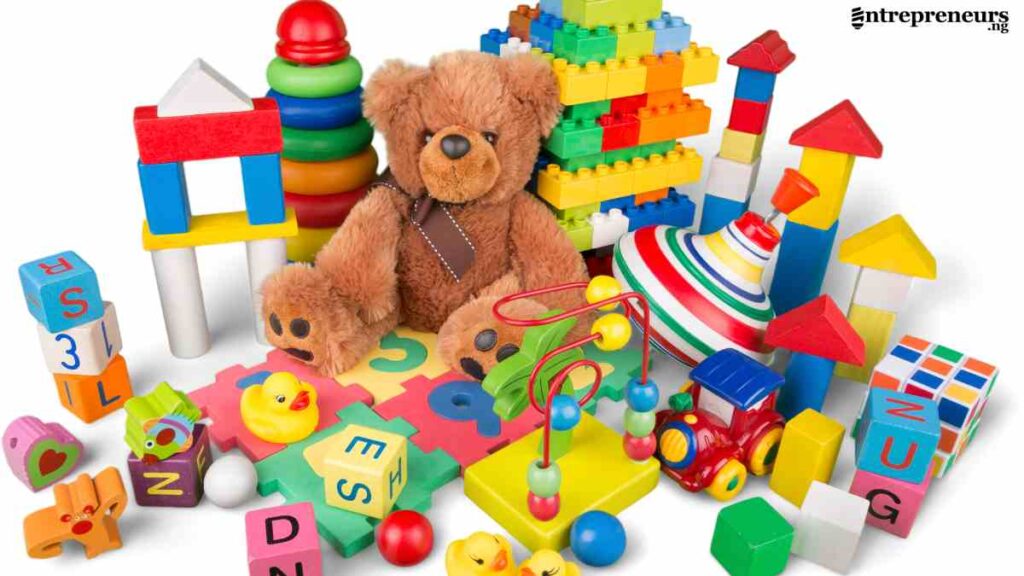
How to dropship toys has become a popular search because global toy demand keeps rising.
Families continue to invest in creative, educational and sensory learning experiences for children.
In this guide, you will learn how toy dropshipping works, how to start, how to choose products and how to build a profitable and safe business.
Key Takeaways
- Toy dropshipping becomes sustainable when you choose high-demand niches, verify product safety and work with reliable suppliers.
- Profitable results come from strong product evaluation, clear store structure and consistent marketing.
- Compliance, customer trust and accurate product information are essential for long-term success.
- Strategic guidance helps entrepreneurs build a focused, profitable and resilient toy dropshipping business.

What Is Dropshipping
Dropshipping is a retail model where you sell products without holding physical inventory. When a customer buys from your store, you forward the order to a supplier who handles storage, packing and delivery.
Many entrepreneurs choose this model because it lowers startup costs and removes the need for warehousing.
How Dropshipping Works in a Simple Flow
The dropshipping process follows a predictable pattern that allows you to focus on marketing and customer experience while your supplier manages fulfilment.
This structure is one reason toy dropshipping attracts beginners and small businesses.
Table: Simple Dropshipping Process
| Stage | What Happens | Why It Matters |
|---|---|---|
| Customer places order | The buyer completes checkout on your online store | You collect payment instantly |
| Order sent to supplier | You forward order details to a vetted supplier | Ensures fast processing and reduces manual work |
| Supplier ships product | Supplier picks, packs and dispatches the item | No inventory or logistics burden for you |
| Customer receives product | Delivery arrives in branded or unbranded packaging | Builds trust and repeat business |
Why Dropshipping Appeals to New Entrepreneurs
New sellers are drawn to dropshipping because it allows them to start a business with minimal risk and the freedom to test different products quickly.
You can experiment with different niches, including toy dropshipping, without large upfront investment or storage commitments. This flexibility is ideal for market testing and fast adaptation to what customers want.

What Is Toy Dropshipping and How Does It Work
Toy dropshipping is the process of selling toys online without storing or shipping them yourself. When customers place an order in your store, a toy supplier fulfils the order on your behalf.
This model allows you to focus on audience targeting, product selection and customer experience while the supplier manages logistics.
Toy dropshipping works well for new entrepreneurs because the toy market has consistent demand across educational toys, kids toys, sensory toys and seasonal products.
It is also a niche where parents and gift buyers search with strong purchase intent, making it easier to convert traffic into sales.
How the Toy Dropshipping Model Operates
Unlike general dropshipping, toy dropshipping requires you to pay attention to item safety, age suitability and supplier reliability.
The fulfilment flow remains simple and efficient, which helps sellers scale quickly once they identify profitable toy categories.
Table: How Toy Dropshipping Works
| Stage | What Happens in Toy Dropshipping | Benefit to the Seller |
|---|---|---|
| Customer orders a toy | Buyer selects a toy from your online store | You earn revenue immediately |
| Order forwarded to toy supplier | Supplier receives product and shipping details | No need to manage stock or packaging |
| Supplier dispatches toy | Toy is shipped directly to customer | Faster fulfilment with minimal overhead |
| Customer receives toy | Delivery arrives according to the suppliers shipping method | Builds trust and drives repeat sales |
Why Toy Dropshipping Has Unique Advantages
Toy dropshipping allows you to test multiple categories such as Montessori toys, STEM toys and plush toys without commitment to bulk inventory.
This helps identify high-performing products based on real purchase behaviour. The model also makes it easier to serve global audiences because suppliers often provide worldwide shipping options.
How to Dropship Toys – Step by Step
These are the steps to dropship toys:
Step 1: Choose a Profitable Toy Niche
Your niche determines your audience and marketing strategy. In toy dropshipping, strong niches include educational toys, kids toys, Montessori toys, sensory toys and STEM toys.
Focus on a niche with clear demand signals and buyers who search with purchase intent.
Table: Examples of Profitable Toy Niches
| Niche | Why It Works | Type of Buyer |
|---|---|---|
| Educational toys | High trust factor and strong repeat demand | Parents and teachers |
| Montessori toys | Popular among early learning families | Parents of toddlers |
| Sensory and fidget toys | Steady interest among parents and therapists | Parents and caregivers |
| STEM toys | Appeals to families interested in learning development | Parents of school age children |
| Plush toys | Emotional purchase and gift driven | Gift buyers |
Step 2: Validate Product Demand
Before adding any toy to your store, confirm that buyers are actively searching for it. Look for clear search queries, steady interest and competitive pricing.
Avoid toys with low demand or high refund risks.
Recommended validation checks:
- Search interest for toy keywords
- Competitor presence and pricing
- Clear age relevance
- Low complaint rate based on reviews
Step 3: Select Reliable Toy Dropshipping Suppliers
Toy dropshipping requires suppliers who can consistently deliver safe, high-quality products.
Choose suppliers with verifiable product information, stable fulfilment times and responsive support.
Important supplier criteria:
- Clear product descriptions
- Competitive shipping timelines
- Quality proven through sample orders
- Transparent pricing
Step 4: Set Up Your Toy Dropshipping Store
Your store should be structured so customers can find toys by age, category or learning benefit. Optimise your homepage, menus and product pages for clarity and conversion.
Key store elements:
- Simple navigation for toy categories
- Clear images and descriptions
- Age guidance for each product
- Shipping and return details
Where relevant, consider strategic business support such as store setup, market positioning or product strategy.
Step 5: Optimise Product Listings for Search and Conversion
Each listing should communicate value quickly. Use search-friendly titles that include toy type, age group and purpose.
Provide accurate measurements, materials and care instructions to reduce customer uncertainty.
Effective listing elements:
- Keyword-focused product title
- Three to five benefit-driven bullet points
- Age suitability and purpose
- Clear toy images
Step 6: Launch and Promote Your Store
Once your store is ready, begin promoting your products through organic content, search optimisation and social channels.
Toy buyers respond well to visual content and trusted reviews, so focus on platforms where parents and gift buyers spend time.
Popular promotion methods:
- SEO optimised blog content
- Social media posts showcasing toy benefits
- Simple video demonstrations
- Seasonal gift guides
Step 7: Manage Orders and Customer Expectations
Order management is an important part of toy dropshipping. Communicate shipping timelines clearly and ensure your supplier receives orders promptly.
Good communication reduces refunds and builds customer trust.
Core tasks:
- Forward orders promptly
- Track supplier fulfilment times
- Update customers on delivery progress
- Handle issues with professionalism

Is Toy Dropshipping Profitable
Toy dropshipping can be profitable when you select the right products, manage costs and position your store to attract buyers.
The profitability of this niche is influenced by pricing strategy, supplier cost, shipping fees and the marketing effort required to convert customers.
Demand for kids toys, educational toys and STEM toys continues to grow, which supports long-term sales potential.
What Determines Profit in Toy Dropshipping
Profit depends on the difference between your selling price and the combined cost of goods, shipping, transaction fees and marketing.
Toy categories with clear value, such as Montessori toys, sensory toys and learning toys tend to support healthier margins because buyers associate these products with long-term benefits for children.
Table: Typical Toy Dropshipping Cost Structure
| Expense Type | Description | Impact on Profit |
|---|---|---|
| Product cost | Supplier price for each toy | Directly affects margin |
| Shipping cost | Based on weight and destination | Higher cost reduces net profit |
| Payment fees | Platform and card processing charges | Must be included in pricing |
| Advertising costs | Spend on social and search campaigns | Determines customer acquisition cost |
| Customer service | Time or tools needed for support | Influences long term retention |
Examples of Realistic Toy Profit Margins
Profit margins vary depending on product type and perceived value. For low-cost toys, margins are often smaller because of price sensitivity.
For specialised educational toys, margins tend to be higher because customers focus on quality and developmental benefits.
Typical margin ranges:
- Plush toys: 15 to 25 percent
- Sensory toys: 20 to 30 percent
- Montessori toys: 25 to 40 percent
- STEM toys: 20 to 35 percent
These figures reflect industry norms from retail and ecommerce market reports, which show parents continue to prioritise products that support cognitive and emotional development.
How to Improve Profitability in Toy Dropshipping
There are simple actions that strengthen your profit position. Focus on lightweight products to reduce shipping costs.
Use bundles to increase average order value. Introduce complementary accessories that improve the customer experience and increase revenue per sale.
Strong product descriptions and accurate targeting also reduce advertising waste and improve return on ad spend.
Is It Legal and Safe to Dropship Toys Globally
Toy dropshipping is legal in most countries, provided the toys you sell meet the safety standards of the markets you serve.
Because toys are used by children, regulatory oversight is strict, and sellers are responsible for ensuring that every product meets national or regional requirements.
This applies whether you manufacture the toys or dropship them.
Ensuring safety and compliance protects your business from penalties, product removals and customer complaints.
It also strengthens trust, which is essential in niches such as educational toys, kids toys and Montessori toys where parents prioritise safety before price.
Key Global Toy Safety Regulations You Must Understand
Different regions apply specific safety frameworks that govern how toys are tested, labelled and sold.
As a toy dropshipping seller, you must ensure your suppliers provide proper documentation before listing any product.
Table: Major Toy Safety Standards by Region
| Region | Regulation | What It Covers |
|---|---|---|
| United States | CPSIA and ASTM F963 | Lead limits, chemical testing, small parts, flammability |
| European Union | EN71 and CE marking | Mechanical hazards, chemical content, age suitability |
| United Kingdom | UKCA marking | Similar standards to CE with UK specific conformity |
| Canada | CCPSA | Toxicity, battery safety and material compliance |
| Australia | AS/NZS ISO 8124 | Mechanical and physical safety, packaging requirements |
These standards ensure that toys meet safety expectations for the intended age group. Suppliers should always provide test reports from accredited laboratories that confirm compliance.
How to Verify Toy Safety Before Selling
Practical verification helps you avoid unsafe or low-quality items. Request documentation for each toy you plan to list. Confirm that toys with small parts include age warnings.
Check that electronic toys include battery safety information. Avoid suppliers who cannot provide test reports or who have inconsistent product details.
Recommended safety checks:
- Confirm EN71, CPSIA or relevant certifications for your region
- Review age warnings and usage instructions
- Inspect sample orders for quality and labelling
- Avoid toys with detachable magnets or unstable battery compartments
Why Compliance Protects Your Toy Dropshipping Business
Compliance is not only a legal requirement but a competitive advantage. Customers trust sellers who provide safe and reliable products.
Compliance also reduces refunds, complaints and listing removals. Search engines tend to favour brands that demonstrate expertise and responsibility, which improves long-term visibility.

Best Selling Toys to Dropship
Best-selling toys to dropship are products that show consistent demand, strong buyer intent and clear benefits for children.
These items perform well across global markets because parents, caregivers and gift buyers prioritise learning, creativity and emotional connection.
The following categories represent the most reliable performers in toy dropshipping.
Educational Toys
Educational toys remain a top category in toy dropshipping because parents value products that support cognitive development.
These toys help children learn problem solving, shapes, numbers and language skills. Their broad age range increases the potential customer base.
Examples include:
- Learning flashcards
- Alphabet and number puzzles
- Early math kits
- Cognitive development games
Why they sell:
- Parents associate them with long-term benefits
- Teachers and caregivers buy them for classroom use
- Clear age targeting improves conversion rates
Montessori Toys
Montessori toys are designed to encourage independent learning and hands-on exploration. They appeal to families who prefer natural materials and open-ended play.
This niche has strong search interest and performs well all year.
Examples include:
- Wooden shape sorters
- Fine motor skills boards
- Stacking toys
- Practical life activity sets
Why they sell:
- Simple designs attract parents who value minimalism
- High perceived value supports good margins
- Safe materials attract buyers with strong safety preferences
Sensory Toys
Sensory toys help children develop focus, emotional regulation and tactile awareness. They are commonly used by parents, therapists and teachers, which increases market demand.
This category also benefits from visual appeal, which performs well in social media marketing.
Examples include:
- Fidget spinners and cubes
- Sensory pop toys
- Stress relief balls
- Textured sensory mats
Why they sell:
- Affordable price points encourage impulse buying
- Parents purchase them for focus and calming support
- Wide age range increases customer reach
STEM Toys
STEM toys support science, technology, engineering and mathematics learning. They attract families who want toys that stimulate curiosity and creativity.
This category has strong global demand and is popular among school age children.
Examples include:
- Building circuits
- Robotics kits
- Engineering sets
- Coding introduction games
Why they sell:
- Strong educational value justifies higher pricing
- Repeat buying as children progress to advanced sets
- Popular among homeschooling families
Plush Toys
Plush toys perform consistently well because they appeal to emotions rather than learning outcomes.
They make ideal gifts and can be themed to follow trends. Plush toys are also lightweight, which helps reduce shipping costs in toy dropshipping.
Examples include:
- Animal plush toys
- Character based plush designs
- Holiday themed plush items
- Mini collectible plush sets
Why they sell:
- Strong gifting potential
- Visually appealing and shareable
- Suitable for all age groups
Building Sets
Building sets encourage creativity and hands-on engagement. They are popular across a wide age range and often purchased as gifts.
The category includes wooden sets, block sets and magnetic building kits.
Examples include:
- Wooden block sets
- Magnetic building tiles
- Construction sets
- Puzzle based building kits
Why they sell:
- Encourage creativity and focus
- Appeal to both boys and girls
- Strong repeat purchase behaviour
Seasonal and Trending Toys
Some toys gain traction during specific seasons or cultural moments. Seasonal products can deliver high revenue in short periods when marketed correctly.
Trending toys often spread rapidly through social platforms.
Examples include:
- Holiday-themed plush toys
- Light up toys
- Outdoor toys for warm seasons
- DIY craft kits
Why they sell:
- Quick demand spikes create profitable windows
- Easy to market through social trends
- Great fit for gifting seasons and school holidays
How to Evaluate a Toy Before Listing It
Evaluating a toy helps you avoid products with low demand or poor quality. Clear criteria ensure you only list items that support your brand and profitability goals.
Evaluation checklist:
- Strong search interest for the product
- Competitive but not saturated market
- Clear age suitability
- High quality images and descriptions from suppliers
- Good ratio of positive reviews
- Reasonable shipping cost and weight
The Importance of Product Variations
Offering variations of the same product increases your chances of conversion. Buyers appreciate the ability to choose colours, themes or sizes.
This strategy works especially well in plush toys, sensory toys and building sets.
Variation ideas:
- Colour choices
- Character themes
- Size options
- Multi-pack sets
Common Mistakes New Toy Dropshippers Make
New toy dropshippers often face challenges that limit their growth and profitability. These mistakes usually relate to product choice, supplier selection, compliance issues and store positioning.
Understanding these pitfalls will help you build a more reliable and sustainable toy dropshipping business.
Selling Toys Without Verifying Safety Compliance
One of the most common mistakes is listing toys that do not meet local safety regulations. New sellers may assume suppliers handle compliance, but the legal responsibility often belongs to the seller.
Failure to verify safety documents can lead to product removals, refunds or regulatory penalties.
Signs of a compliance issue:
- Missing age warning labels
- Incomplete product details
- Suppliers unable to provide test reports
- Toys with small parts and unclear age suitability
Choosing Oversaturated or Low-Demand Toys
Many beginners select products based solely on trend lists without checking real search demand. This leads to low sales and high advertising costs.
High-performing toy categories still require smart selection based on search behaviour and niche relevance.
Table: Poor Versus Smart Toy Selection
| Mistake | Consequence | Better Approach |
|---|---|---|
| Picking a trending toy without research | High competition and low sales | Validate interest using keyword tools |
| Choosing toys outside your niche | Poor brand identity | Stick to a clear category such as Montessori toys or sensory toys |
| Selling low price items with small margins | Unsustainable profit | Choose items with stronger perceived value |
Relying on One Supplier
Depending on a single supplier increases the risk of delays, quality issues or stock shortages.
Toy dropshipping works best when you have backup suppliers for key products and maintain quality checks across all sources.
Benefits of having multiple suppliers:
- Stable fulfilment
- Better pricing options
- Access to a wider product range
Using Weak Product Descriptions
Generic descriptions from suppliers do not convert well. They often miss important details such as age guidance, learning benefits and material quality.
Clear and specific information improves search visibility and reduces customer hesitation.
Elements of a strong listing:
- Simple language that reflects buyer needs
- Learning outcomes for educational toys
- Age relevance for kids toys
- Accurate dimensions and material information
Underestimating Shipping Times
Many new sellers fail to communicate shipping timelines clearly. This results in customer complaints and refund requests.
Customers are more understanding when delivery times are transparent, and updates are provided.
Shipping communication essentials:
- Display expected delivery ranges
- Send tracking information promptly
- Provide simple support responses for delays
Poor Store Structure and Navigation
Confusing store layouts reduce conversions. Parents and gift buyers need to find products quickly, especially when searching by age or purpose.
Clear categorisation improves user experience and search engine performance.
Store structure best practices:
- Menu organised by age groups
- Sections for sensory toys, educational toys and STEM toys
- Visible search bar
- Simple checkout flow
Launching Without a Marketing Plan
Toy dropshipping requires consistent visibility. Relying on chance or waiting for organic traffic slows growth.
A basic plan that includes content optimisation, simple social visibility and product-focused posts increases the likelihood of early sales.
Marketing essentials:
- SEO optimised category and product pages
- Social content that demonstrates product use
- Seasonal campaigns for gifting periods
Ignoring Customer Feedback
New sellers sometimes fail to review customer comments or adjust based on complaints. Feedback is an asset because it highlights opportunities to improve product selection and store presentation.
Common feedback insights:
- Requests for clearer age suitability
- Need for better product photos
- Desire for specific colours or variations

Conclusion
Toy dropshipping offers a clear path for entrepreneurs who want to build an online business with manageable risk and strong demand.
With the right product choices, reliable suppliers and thoughtful store structure, selling toys online can become a steady and rewarding venture.
Success in toy dropshipping depends on understanding your audience, evaluating products carefully and maintaining compliance in every market you serve.
We want to see you succeed, and that’s why we provide valuable business resources to help you every step of the way.
- Join over 23,000 entrepreneurs by signing up for our newsletter and receiving valuable business insights.
- Register your business today with Entrepreneurs.ng’s Business Registration Services.
- Tell Your Brand Story on Entrepreneurs.ng, let’s showcase your brand to our global audience.
- Need help with your marketing strategy? Get a Comprehensive Marketing and Sales Plan here.
- Sign up for our Entrepreneurs Success Blueprint Programme to learn how to start and scale your business in just 30 days.
- Book our one-on-one consulting and speak to an expert about structuring and growing your business.
- Visit our shop for business plan templates and other valuable resources to guide you.
- Get our Employee-Employer Super Bundle NDA templates to legally protect your business and workforce.
- Advertise your business to over a million entrepreneurs through our different advertising packages.
FAQs
Is toy dropshipping profitable?
Toy dropshipping can be profitable when you choose products with consistent demand, such as educational toys, Montessori toys, sensory toys and kids toys.
Profit depends on product cost, shipping fees, marketing expenses and your pricing strategy. Many sellers find success by focusing on high-value toys that offer clear learning or emotional benefits.
How much money do I need to start toy dropshipping?
Startup costs are low because you do not need inventory. Most sellers begin with expenses for store setup, sample orders and initial marketing.
Your investment level depends on your goals, but many entrepreneurs start small and scale gradually as profitable products become clear.
Do I need a business licence to dropship toys?
Most countries require sellers to operate under a registered business once they begin receiving regular sales. A formal business structure helps with tax compliance, payment processing and customer trust.
Is it legal to dropship toys to the United States, the United Kingdom and the European Union?
Yes, it is legal to dropship toys in these regions as long as the toys meet the required safety standards. The United States requires CPSIA and ASTM compliance.
The European Union uses EN71 and CE marking. The United Kingdom uses UKCA marking. Sellers must verify that every toy meets the applicable standard.
Can I dropship toys without holding inventory?
Yes. The dropshipping model allows you to list toys without storing them. Your supplier fulfils each order after a customer purchases from your store.
This keeps your risk low and allows you to test kids toys, educational toys, STEM toys and other categories quickly.
What types of toys sell best in toy dropshipping?
High performing categories include Montessori toys, educational toys, sensory toys, STEM toys, plush toys and building sets.
These items appeal to parents, caregivers and gift buyers. They also generate strong search demand, which helps with SEO visibility.
Can I dropship branded toys like Lego or Disney?
Selling branded toys requires proper authorisation. Most well-known brands restrict distribution to approved retailers.
Dropshipping branded items without permission can lead to product removals or account issues. To stay safe, focus on unbranded or private label alternatives in educational toys and STEM toys.
How long does shipping take for toy dropshipping orders?
Shipping times vary depending on the supplier and customer location. Many suppliers offer standard international shipping that ranges from one to three weeks.
To build trust, always communicate delivery expectations clearly and provide tracking information as soon as it becomes available.
How do I handle refunds and returns in toy dropshipping?
You manage customer communication while your supplier assists with physical returns or replacements. Clear return policies reduce confusion and protect your business.
It is important to work only with suppliers who support fair return procedures.
What age groups should I target when dropshipping toys?
Strong performing age groups include toddlers, preschoolers and school-age children.
Parents often search for toys based on age, such as toys for preschoolers, Montessori toys for toddlers or STEM toys for older children. Targeting age groups improves search visibility and increases conversion rates.
How do I choose the right toy supplier for dropshipping?
Select suppliers who provide clear product information, fast processing times, reliable shipping and safety documentation.
Always test the product quality through samples. Avoid suppliers who cannot confirm compliance for kids toys and educational toys.
Do I need product insurance for toy dropshipping?
While not mandatory in every region, product liability insurance is recommended for sellers who deal with kids toys. It protects your business in the event of a safety complaint. Policies vary by location and business size.
Can I dropship toys globally?
Yes. Many suppliers offer worldwide shipping, which makes it possible to serve customers across multiple countries.
You must ensure each toy fits the safety standards of the destination market and adjust your shipping timelines accordingly.