The rise of online course platforms for creators has transformed expertise into a scalable business, enabling coaches and consultants to monetise knowledge without depending on social media algorithms.
According to research.com, the global e-learning 8market is projected to reach nearly $337 billion by 2026, reflecting sustained demand for digital learning and creator-led education outside traditional classrooms and corporate training environments.
For creators, the real decision is no longer launching a course, but choosing the platform that protects pricing power, audience ownership, and future growth.
Key Takeaways
- Online course platforms have become a core revenue engine for creators, not a side project.
- Platform choice directly affects pricing power, audience ownership, and growth potential.
- Popular platforms fall into clear categories: all-in-one, marketplaces, community-led, and self-hosted.
- The best platform is the one that aligns with your business model, stage, and audience.

The Best Online Course Platforms for Creators Today
Not all online course platforms for creators serve the same purpose.
Some are built to run an entire creator business, others focus on distribution through established marketplaces, while a few excel as specialised online teaching platforms or community-driven systems.
In this section, we examine the top online course platforms creators rely on today, highlighting the best course platforms for creators and the best LMS for creators running coaching programmes based on fit, functionality, and real-world adoption.
1. Kajabi
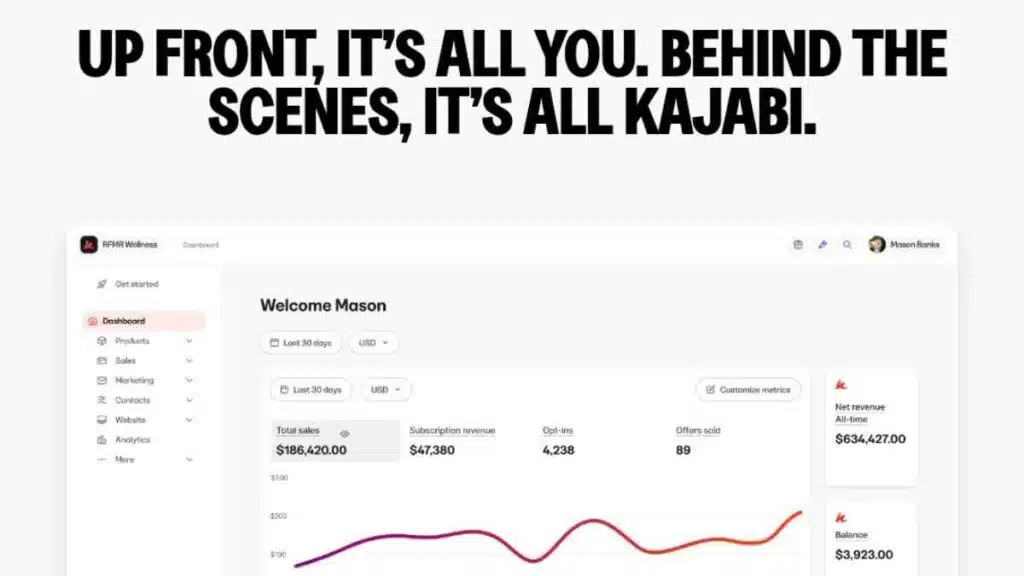
Kajabi is a premium, all-in-one platform built for creators and coaches who want to sell courses as a business, not just host videos.
Course Types Supported
- Self-paced courses
- Drip-scheduled courses
- Coaching programmes (1:1 and group)
- Memberships and subscriptions
- Hybrid offers (course + coaching + community)
Core Course Delivery Features
- Video, audio, PDF, and text lessons
- Structured modules and categories
- Drip release and content locking
- Student progress tracking
- Mobile-friendly learning experience
- Basic assessments (no advanced exams or grading)
Selling & Payments
- One-time payments
- Subscriptions and memberships
- Instalment plans
- Coupons, bundles, upsells
- Built-in checkout (Stripe & PayPal)
- No transaction fees on paid plans
Marketing & Growth Tools
- Built-in email marketing and automation
- Sales funnels and landing pages
- Lead capture and pipelines
- Affiliate management
- Revenue and performance analytics
Community & Engagement
- Built-in community feature
- Course comments and discussions
- Live sessions via integrations (Zoom, etc.)
- Not as robust as community-first platforms
Customisation & Ownership
- Custom domains
- Website builder included
- Full pricing control
- Own your audience and data
- No marketplace competition
Pricing Overview
| Positioning | Pricing |
|---|---|
| Kickstarter | $89 |
| Basic | $179 |
| Growth | $249 |
| Pro | $499 |
Key Limitations
- Expensive for beginners
- Weak quizzes and certifications
- Community tools are basic
- Overkill if you only want to host one simple course
Best Use Case
Kajabi is ideal if you want to run a full creator business — courses, coaching, email marketing, and sales funnel, under one roof.
It remains one of the best online course platforms for creators and coaches who value control, premium positioning, and scalability.
2. Teachable
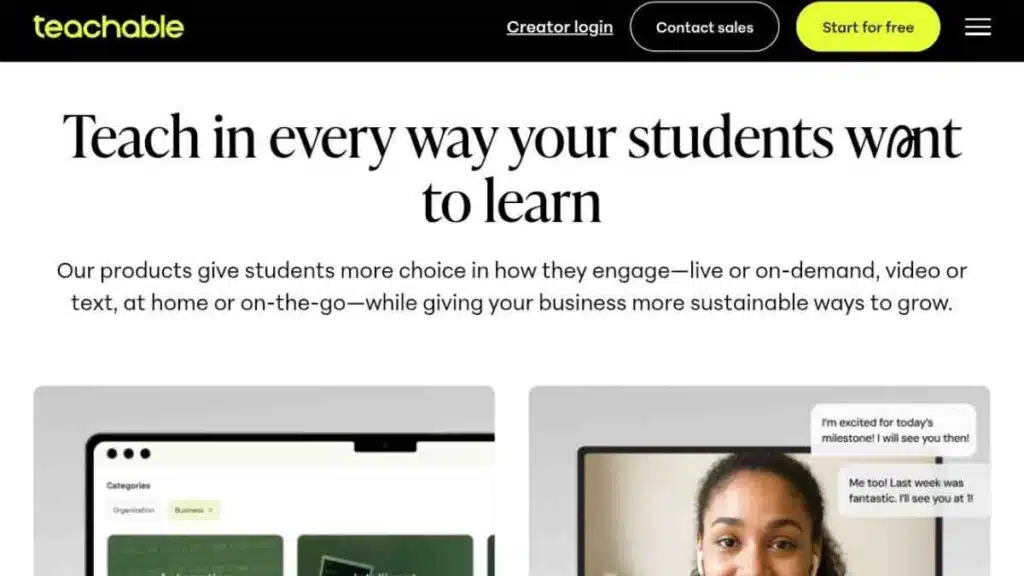
Teachable is one of the most recognisable online course platforms for creators, built specifically for hosting and selling courses without technical complexity.
Course Types Supported
- Self-paced online courses
- Drip-scheduled courses
- Coaching products (limited, add-on based)
- Bundled courses
- Digital downloads (PDFs, resources)
Core Course Delivery Features
- Video, audio, PDF, and text lessons
- Structured modules and lectures
- Drip content scheduling
- Student progress tracking
- Course completion certificates
- Quizzes (basic, multiple choice)
Selling & Payments
- One-time payments
- Subscriptions
- Payment plans
- Coupons and course bundles
- Built-in checkout
- Supports international payments
- Transaction fees on lower plans
Marketing & Growth Tools
- Sales pages and checkout optimisation
- Basic email notifications (not full email marketing)
- Affiliate programme management
- Integrations with external email tools
- Upsells at checkout (on higher plans)
Community & Engagement
- Course comments
- Student discussions (limited)
- No native community hub
- Live sessions via integrations
Customisation & Ownership
- Custom domains
- Brand customisation
- Full control over pricing
- Own your audience data
- No marketplace competition
Pricing Overview
| Plan Level | Positioning |
|---|---|
| Starter | $13 |
| Builder | $29 |
| Growth | $63 |
| Advanced | $133 |
Key Limitations
- Limited built-in marketing tools
- Community features are weak
- Coaching tools are basic
- Transaction fees on lower plans
Best Use Case
Teachable is ideal for creators who want a reliable, easy-to-use course platform without managing complex systems.
It remains one of the best course platforms for creators launching structured courses and one of the most trusted online teaching platforms globally.
See Also: 10 Best VPN Services in the World for Unrestricted Browsing and Securing Your Business Data

3. Thinkific
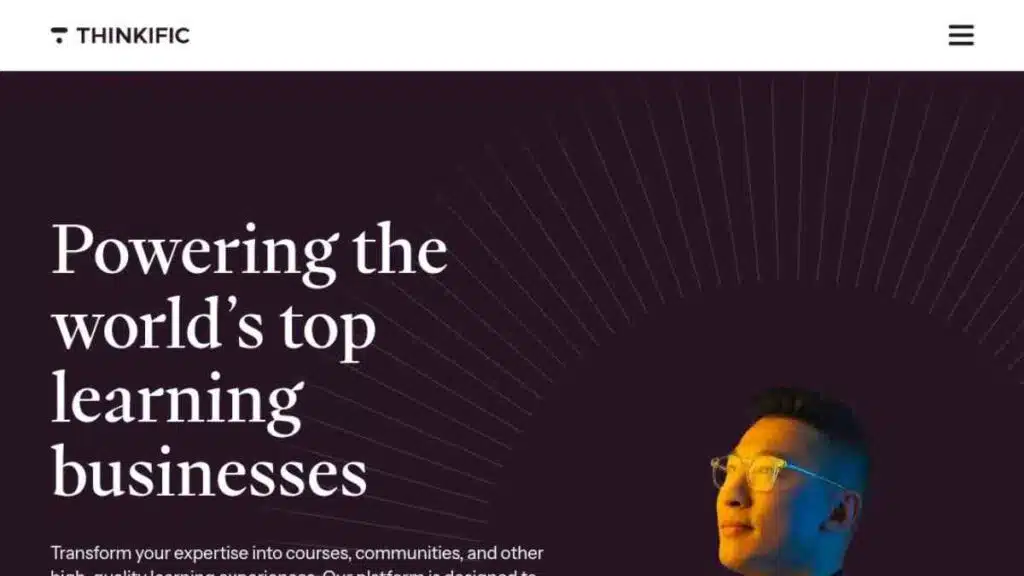
Thinkific is a course-first platform designed for creators who care more about structured learning and student experience than bundled marketing tools.
Course Types Supported
- Self-paced online courses
- Drip-scheduled courses
- Cohort-style courses
- Memberships and subscriptions
- Course bundles
- Certifications and training programmes
Core Course Delivery Features
- Video, audio, PDF, and text lessons
- Clear module and lesson structure
- Drip scheduling and prerequisites
- Student progress tracking
- Quizzes and surveys
- Course completion certificates
- Assignments (basic)
Selling & Payments
- One-time payments
- Subscriptions and memberships
- Payment plans
- Coupons and bundles
- Built-in checkout
- Global payments supported
- No transaction fees on paid plans
Marketing & Growth Tools
- Sales pages and checkout pages
- Basic email notifications
- Coupons and promotions
- Affiliate management
- Integrations with email and CRM tools
Community & Engagement
- Course discussions
- Student comments
- No native community hub
- Live sessions via integrations
Customisation & Ownership
- Custom domains
- Brand and theme customisation
- Full pricing control
- Own your content and student data
- No marketplace competition
Pricing Overview
| Plan Level | Positioning |
|---|---|
| Basic | $36 |
| Start | $74 |
| Grow | $149 |
Key Limitations
- No built-in email marketing
- Community features are basic
- Funnels and automation require integrations
- Interface less “polished” than Kajabi
Best Use Case
Thinkific is best for creators who want a strong learning management system without being locked into an all-in-one business stack.
It remains one of the best LMS for creators focused on education quality and one of the most respected online course platforms for creators running professional training and coaching programmes.
4. Udemy
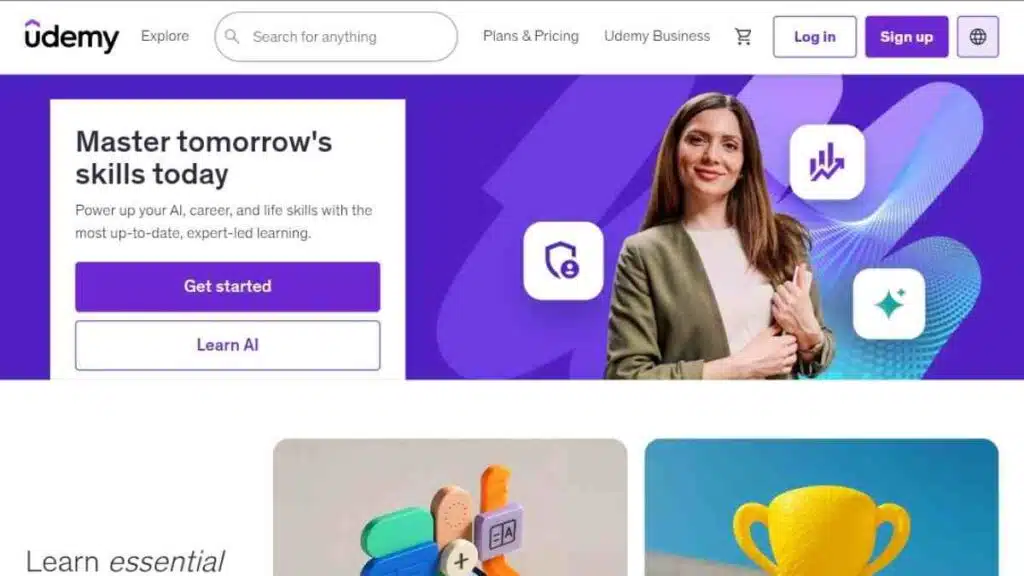
Udemy is one of the world’s largest online teaching platforms, operating as a marketplace rather than a creator-owned course platform.
Course Types Supported
- Self-paced online courses only
- Video-led courses with supplementary resources
- No coaching programmes
- No memberships or subscriptions (creator-controlled)
Core Course Delivery Features
- Video lessons with downloadable resources
- Structured sections and lectures
- Student progress tracking
- Quizzes (basic)
- Course Q&A and announcements
- Mobile app access for students
Selling & Payments
- Fixed marketplace pricing model
- Udemy controls discounts and promotions
- Revenue share varies by acquisition source
- No control over checkout experience
- Payouts handled by Udemy
Marketing & Growth Tools
- Access to Udemy’s global marketplace audience
- Email promotions run by Udemy
- Course discovery via search and recommendations
- Limited instructor-led marketing tools
Community & Engagement
- Course Q&A section
- Instructor announcements
- No private communities
- No cohort or group interaction
Customisation & Ownership
- No custom domains
- Limited branding
- Udemy owns the customer relationship
- Restricted access to student data
- Cannot migrate students off-platform
Pricing Overview
| Plan | Pricing |
|---|---|
| Personal | $5 |
| Team | $12 |
| Enterprise | Custom pricing |
Key Limitations
- No audience ownership
- Heavy discounting reduces pricing power
- Not suitable for premium positioning
- No coaching or membership support
Best Use Case
Udemy is best used as a distribution channel, not a business foundation.
It works for creators who want reach, validation, or supplementary income, but it is not one of the best online course platforms for creators seeking control, premium pricing, or long-term brand growth.
5. Skillshare
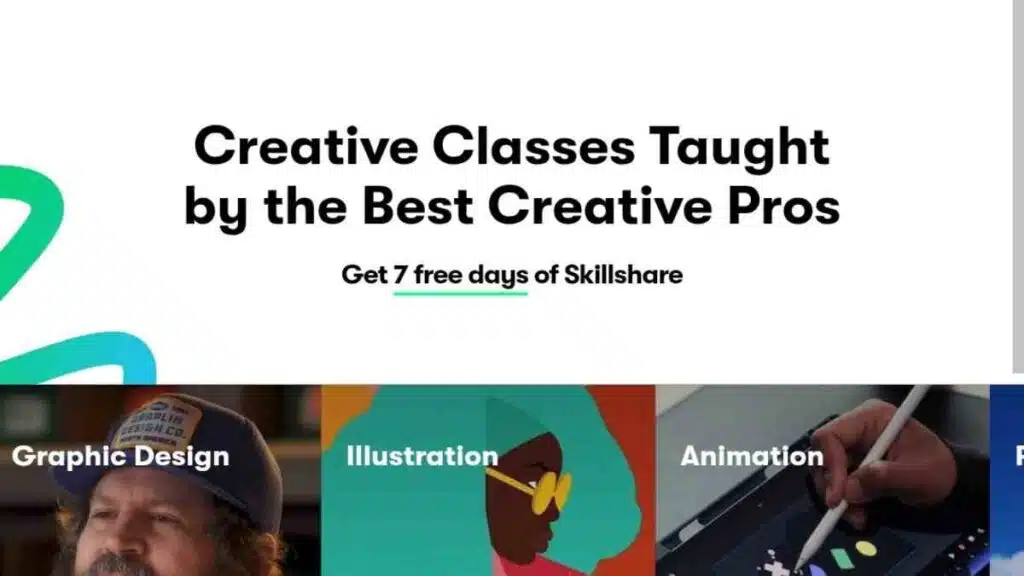
Skillshare is a subscription-based marketplace focused on creative and practical skills, rather than a full business platform for selling premium courses.
Course Types Supported
- Self-paced classes only
- Short-form, project-based courses
- Video-led lessons
- No coaching programmes
- No memberships or creator-controlled subscriptions
Core Course Delivery Features
- Video lessons organised into short modules
- Class projects and assignments
- Student comments and feedback
- Mobile app access
- No certificates or formal assessments
Selling & Payments
- Subscription model (students pay Skillshare, not creators)
- Creator earnings based on watch time and engagement
- No control over pricing
- No direct checkout or payment handling by creators
Marketing & Growth Tools
- Discovery through Skillshare’s internal marketplace
- Platform-led promotions and recommendations
- No email list building
- No funnels, upsells, or external marketing tools
Community & Engagement
- Class discussions and project feedback
- Public interaction only
- No private communities
- No cohort-based engagement
Customisation & Ownership
- No branding control
- No custom domains
- Skillshare owns the audience relationship
- Limited access to student data
- Cannot migrate learners off-platform
Pricing Overview
| Plans | Pricing |
|---|---|
| Individual | $13.99 |
| Teams | $159 |
Key Limitations
- No pricing power
- No audience ownership
- Not suitable for premium or professional education
- Income is unpredictable
Best Use Case
Skillshare works best for creators in design, writing, illustration, photography, and creative tools who want exposure rather than control.
It is a visibility platform, not one of the best online course platforms for creators looking to build a scalable, owned education business.
6. Podia
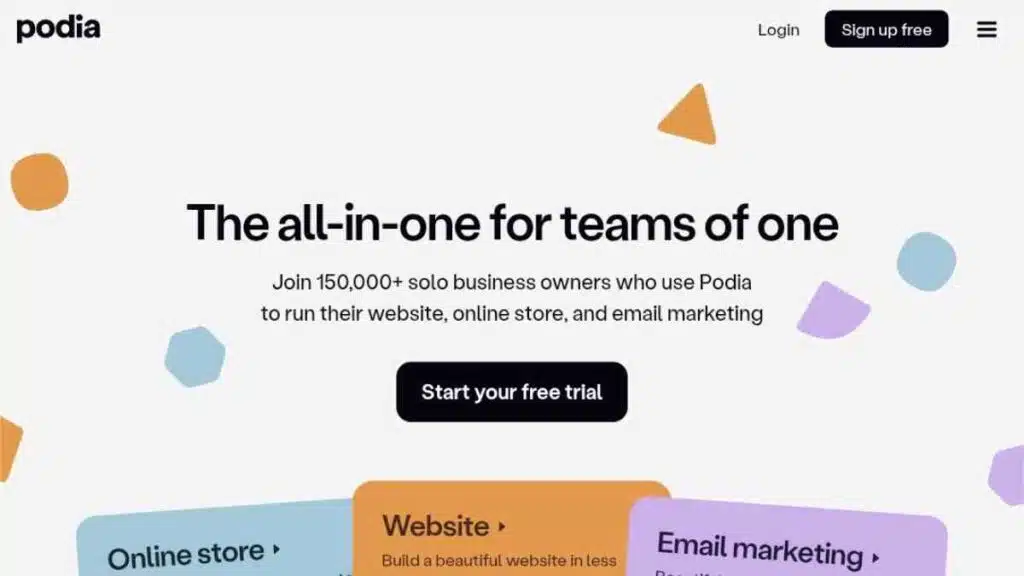
Podia is a creator-friendly platform built for simplicity.
It focuses on helping solo creators sell courses and digital products without technical overhead or complex systems.
Course Types Supported
- Self-paced online courses
- Drip-scheduled courses
- Memberships and subscriptions
- Digital downloads (guides, templates, audio)
- Course bundles
Core Course Delivery Features
- Video, audio, PDF, and text lessons
- Clean module and lesson structure
- Drip scheduling
- Student progress tracking
- Mobile-responsive course player
- No quizzes or certifications
Selling & Payments
- One-time payments
- Subscriptions and memberships
- Payment plans (limited)
- Coupons and bundles
- Built-in checkout
- Stripe and PayPal supported
- No transaction fees on paid plans
Marketing & Growth Tools
- Built-in email marketing (basic)
- Email broadcasts and simple automation
- Sales pages and product pages
- Upsells and cross-sells
- Affiliate management
Community & Engagement
- Membership posts and comments
- Basic engagement tools
- No advanced community features
- No cohort-based learning
Customisation & Ownership
- Custom domains
- Brand customisation
- Full pricing control
- Own your audience and data
- No marketplace competition
Pricing Overview
| Plan Level | Positioning |
|---|---|
| Mover | $33 |
| Shaker | $75 |
Key Limitations
- No quizzes or certifications
- Weak learning analytics
- Limited community features
- Not ideal for complex coaching programmes
Best Use Case
Podia is best for creators who want a simple, affordable way to sell courses and digital products without managing multiple tools.
It remains one of the most approachable online course platforms for creators, especially for those prioritising speed and ease over advanced learning features.
7. Mighty Networks
Mighty Networks is a community-first platform designed for creators and coaches who build courses around engagement, interaction, and ongoing membership rather than one-off learning.
Course Types Supported
- Self-paced courses (basic structure)
- Cohort-based programmes
- Community-led courses
- Memberships and subscriptions
- Live workshops and challenges
Core Course Delivery Features
- Lesson posts with video, audio, and text
- Simple course spaces and modules
- Content drip scheduling
- Progress tracking (limited)
- Mobile-first learning via native apps
- No quizzes, exams, or certifications
Selling & Payments
- One-time payments
- Subscriptions and memberships
- Bundled access (courses + community)
- Built-in checkout
- Stripe integration
- No transaction fees on paid plans
Marketing & Growth Tools
- Landing pages for communities and courses
- Member referrals and invites
- Basic email notifications
- Integrations for external email marketing
- Events and live sessions as growth drivers
Community & Engagement (Core Strength)
- Dedicated community spaces
- Posts, comments, polls, and reactions
- Groups and topics
- Live events and discussions
- Direct messaging
- Native iOS and Android apps
Customisation & Ownership
- Custom domains
- Brand customisation
- Full control over pricing
- Own your community and member data
- No marketplace competition
Pricing Overview
| Plan | Pricing |
|---|---|
| Launch | $79 |
| Scal3 | $179 |
| Growth | $354 |
Key Limitations
- Weak course structure compared to LMS platforms
- No quizzes or certificates
- Limited analytics for learning outcomes
- Not ideal for content-heavy education
Best Use Case
Mighty Networks is best for creators and coaches running community-led programmes, memberships, and cohort-based learning.
It is one of the top online course platforms when engagement and retention matter more than formal course structure, but it is not a traditional LMS for creators focused on assessments or certifications.

8. Coursera
Coursera is a credential-led education platform best known for university and enterprise partnerships.
It operates closer to formal education than the typical creator-led course business.
Course Types Supported
- Self-paced online courses
- Professional certificates
- Specialisations (multi-course programmes)
- Degree and micro-credential programmes
- No creator-led coaching or memberships
Core Course Delivery Features
- Video lectures with readings and assignments
- Structured modules and weekly schedules
- Graded quizzes and peer-reviewed assignments
- Course completion certificates
- Mobile app access
- Strong academic-style learning flow
Selling & Payments
- Platform-controlled pricing
- Revenue-sharing model (terms vary)
- No creator-managed checkout
- Subscriptions for learners on some programmes
- Payments and payouts handled by Coursera
Marketing & Growth Tools
- Global distribution via Coursera marketplace
- Platform-led promotion and discovery
- Strong SEO and institutional trust
- No email list ownership or funnels for creators
Community & Engagement
- Discussion forums per course
- Peer interaction on assignments
- No private communities
- No cohort-led coaching engagement
Customisation & Ownership
- Limited branding control
- No custom domains
- Coursera owns the learner relationship
- Restricted access to learner data
- Content subject to platform standards and review
Pricing Overview
| Aspect | Reality |
|---|---|
| Platform cost | No upfront fee (partner-based) |
| Pricing control | Platform-led |
| Revenue model | Revenue share |
| Certification | Included on completion |
Key Limitations
- High barrier to entry for independent creators
- No audience ownership
- No pricing or offer flexibility
- Not suitable for personal brands or coaching
Best Use Case
Coursera is best suited to academics, institutions, and organisations offering credentialed education.
While it is one of the world’s most recognised online teaching platforms, it is not among the best online course platforms for creators and coaches who want control, direct monetisation, or audience ownership.
9. LinkedIn Learning
LinkedIn Learning is a professional skills platform integrated into LinkedIn’s ecosystem, focused on career development rather than creator-led businesses.
Course Types Supported
- Self-paced online courses
- Professional and career-focused training
- Skill-based learning paths
- No coaching programmes
- No memberships or creator-run subscriptions
Core Course Delivery Features
- Short, structured video lessons
- Chapter-based course flow
- Skill assessments and quizzes (basic)
- Certificates of completion
- Mobile and desktop access
- Strong focus on practical, job-ready skills
Selling & Payments
- Platform-controlled pricing
- Revenue model based on licensing and agreements
- No creator-managed checkout
- Learners access courses via LinkedIn Learning subscription
- Payments handled entirely by LinkedIn
Marketing & Growth Tools
- Built-in distribution to LinkedIn’s global user base
- Strong discovery through career and skill recommendations
- High visibility for business and professional content
- No email list ownership or funnel building
Community & Engagement
- No dedicated community spaces
- Learning activity visible on LinkedIn profiles
- No private discussions or cohort interaction
Customisation & Ownership
- No branding or custom domains
- LinkedIn owns the learner relationship
- Limited access to learner data
- Content must meet LinkedIn editorial standards
Pricing Overview
| Aspect | Reality |
|---|---|
| Platform cost | No upfront fee |
| Pricing control | None |
| Revenue model | Licensing / instructor agreement |
| Certification | Included |
Key Limitations
- No pricing or audience control
- Not suitable for personal brands
- No coaching, community, or memberships
- Entry requires approval
Best Use Case
LinkedIn Learning is best for creators with corporate, business, or career-focused expertise who want exposure and credibility rather than ownership.
While it is one of the most respected online teaching platforms, it does not qualify as one of the best course platforms for creators building independent, revenue-driven education businesses.
10. LearnWorlds
LearnWorlds is a learning-focused platform built for creators and organisations that care deeply about course structure, interactivity, and measurable learning outcomes.
Course Types Supported
- Self-paced online courses
- Drip-scheduled courses
- Cohort-based programmes
- Professional training and certifications
- Membership-based learning portals
Core Course Delivery Features
- Video, audio, PDF, and text lessons
- Interactive video (in-video quizzes, buttons, overlays)
- Structured modules and learning paths
- Drip scheduling and prerequisites
- Quizzes, exams, and assignments
- Course completion certificates
- Detailed learner analytics
Selling & Payments
- One-time payments
- Subscriptions and memberships
- Payment plans
- Coupons and bundles
- Built-in checkout
- Stripe and PayPal supported
- No transaction fees on paid plans
Marketing & Growth Tools
- Sales pages and funnels
- Lead capture forms
- Basic email automation
- Affiliate programme management
- Integrations with external marketing tools
Community & Engagement
- Course discussions
- Learner notes and highlights
- No advanced native community hub
- Live sessions via integrations
Customisation & Ownership
- Custom domains
- Strong branding and design control
- Full pricing flexibility
- Own your audience and data
- No marketplace competition
Pricing Overview
| Plan | Pricing |
|---|---|
| Starter | $24 |
| Pro Trainer | $79 |
| Learning Center | $249 |
Key Limitations
- Interface can feel complex for beginners
- Community features are limited
- Marketing tools less advanced than Kajabi
- Overkill for simple courses
Best Use Case
LearnWorlds is ideal for creators and coaches building serious education products, certifications, or training programmes where learning outcomes matter.
It stands out as one of the best LMS for creators and remains one of the top online course platforms for structured, professional learning.
11. Wix Learn
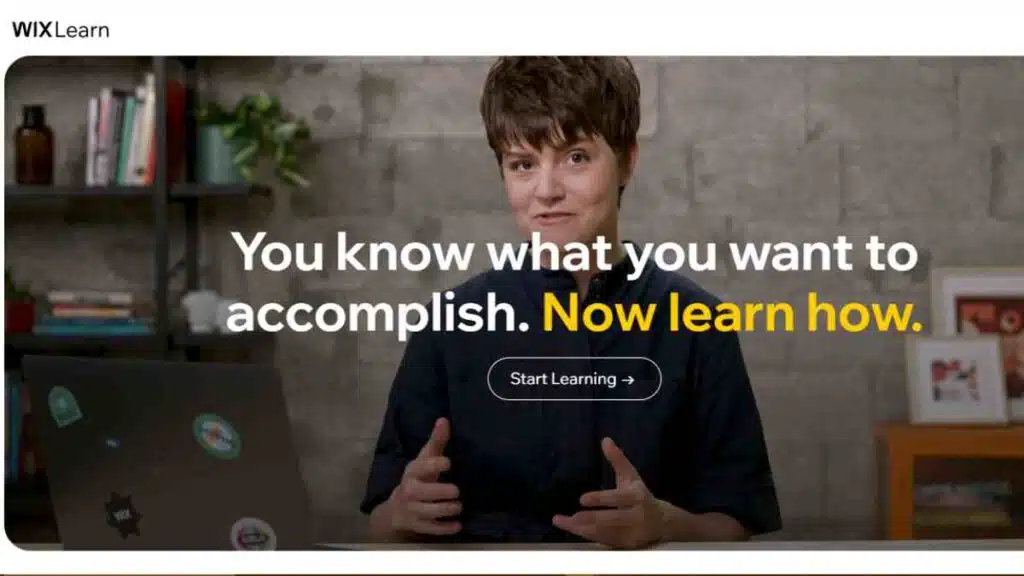
Wix learn is a website-first platform that allows creators to add courses and memberships to an existing site, rather than running a dedicated learning management system.
Course Types Supported
- Self-paced online courses
- Video-based lessons
- Membership-only content
- Gated learning via Members Area
- No native coaching or cohort programmes
Core Course Delivery Features
- Video, text, and downloadable resources
- Lesson pages within a members area
- Manual content release
- Basic progress tracking
- Mobile-friendly access
- No quizzes, exams, or certificates
Selling & Payments
- One-time payments
- Subscriptions and memberships
- Built-in checkout
- Stripe, PayPal, and local payment options
- No transaction fees from Wix (payment processor fees apply)
Marketing & Growth Tools
- Full website builder and blog
- SEO tools and landing pages
- Email marketing and automations (basic)
- Integrations with third-party tools
- Upsells via site pages
Community & Engagement
- Members Area comments
- Basic interaction tools
- No dedicated community spaces
- No cohort or group learning features
Customisation & Ownership
- Full website and brand control
- Custom domains
- Own your audience and data
- No marketplace competition
Pricing Overview
| Plan | Pricing |
|---|---|
| Basic | $12 |
| Standard | $20 |
| Plus | $32 |
| Elite | $149 |
Key Limitations
- Not a true LMS
- Weak learning analytics
- No certifications or assessments
- Scaling courses becomes messy
Best Use Case
Wix is best for creators who already have a strong website and want to add a simple course or member-only content.
While it can function as an online teaching platform, it does not compete with the best online course platforms for creators focused on structured learning or coaching programmes.
12. Alison
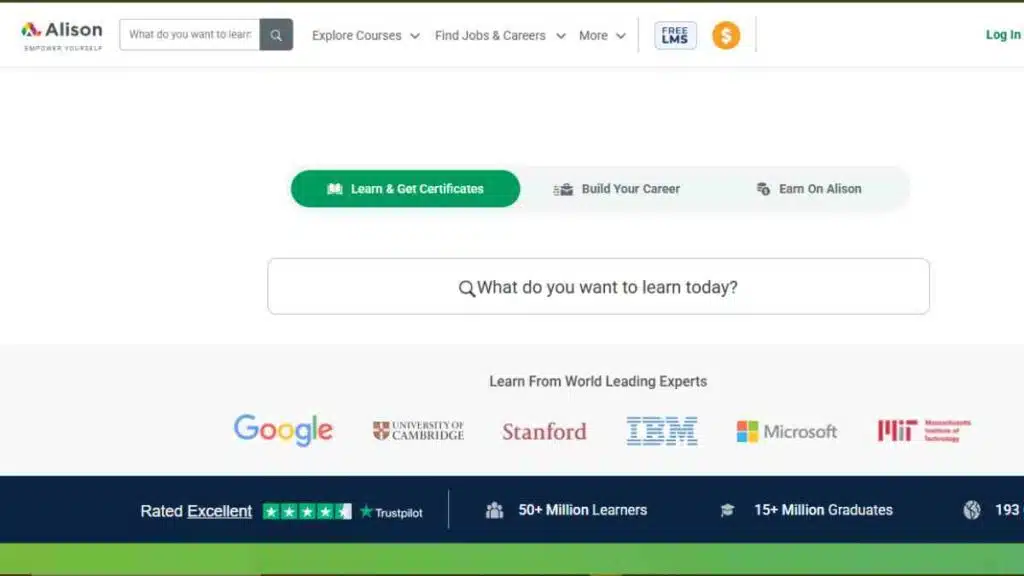
Alison is a global online teaching platform focused on accessible education, skills development, and certification rather than creator-led course businesses.
Course Types Supported
- Self-paced online courses
- Certificate courses
- Diploma programmes
- Skills-based and vocational training
- Career and workplace learning
Core Course Delivery Feature
- Video and text-based lessons
- Structured modules and learning paths
- Knowledge checks and assessments
- Final exams for certificates and diplomas
- Digital certificates of completion
- Mobile and desktop learning access
Selling & Payments
- Courses are free to learn
- Revenue comes from:
- Paid certificates
- Diploma credentials
- Ads and platform monetisation
- No creator-controlled pricing
- Payments handled entirely by Alison
Marketing & Growth Tools
- Global learner marketplace
- Platform-led discovery and SEO
- Strong presence in emerging markets
- No email list ownership
- No funnels, upsells, or creator marketing tools
Community & Engagement
- Limited discussion features
- No private communities
- No cohort-based interaction
- Learning is largely individual
Customisation & Ownership
- No branding control
- No custom domains
- Alison owns the learner relationship
- Limited access to learner data
- Content must meet platform standards
Pricing Overview
| Aspect | Reality |
|---|---|
| Course access | Free |
| Certificates | Paid |
| Creator pricing control | None |
| Platform cost | No upfront fee |
Key Limitations
- Not suitable for personal brands
- No pricing or audience ownership
- No coaching or community features
- Revenue potential is capped
Best Use Case
Alison is best for educators, NGOs, institutions, and organisations focused on skills training, employability, and large-scale education access.
While it is one of the most widely used online teaching platforms globally, it is not one of the best online course platforms for creators and coaches seeking control, premium pricing, or audience ownership.
See also: Best Business Tools And Software For Entrepreneurs

How to Choose the Right Online Course Platform as a Creator
Choosing between online course platforms is less about features and more about alignment.
The best decision comes from matching your business model, growth stage, and audience expectations with the right type of platform.
This section simplifies that decision using a practical framework that creators can apply immediately.
| Your Priority | What to Look For | Platform Type That Fits Best |
|---|---|---|
| Full business control | Own pricing, audience data, branding | All-in-one platforms or WordPress LMS |
| Speed and simplicity | Easy setup, minimal tech | Beginner-friendly platforms |
| Mass exposure | Built-in audience and discovery | Course marketplaces |
| Coaching and community | Engagement, interaction, retention | Community-first platforms |
| Structured learning | Quizzes, certificates, analytics | LMS-focused platforms |
| Premium positioning | High pricing control, no discounting | Creator-owned platforms |
Quick Guidance
- If you sell outcomes and transformation, prioritise control and engagement.
- If you sell skills at scale, distribution platforms may work, but with trade-offs.
- If you want longevity, audience ownership matters more than convenience.
How to Set Up Your Online Course Platform in 7 Practical Steps
Setting up a course on modern online course platforms does not require months of work or complex tech.
The most successful creators focus on clarity, structure, and speed, launching lean, validating demand, and improving over time.
These seven steps reflect how the best course platforms for creators and coaches are actually used in practice.
| Step | What to Do | Why It Matters |
|---|---|---|
| 1. Validate the idea | Test demand with a waitlist, webinar, or pre-sale | Prevents building courses nobody buys |
| 2. Define the outcome | Be clear on what learners will achieve | Strong outcomes drive conversions and completion |
| 3. Choose the right platform | Match platform to your business model | Platform choice affects pricing and control |
| 4. Structure the curriculum | Break content into clear modules and lessons | Improves learning flow and retention |
| 5. Create the core content | Record simple, high-quality lessons | Clarity matters more than production quality |
| 6. Set up payments and access | Configure pricing, checkout, and enrolment | Directly impacts revenue and user experience |
| 7. Launch and iterate | Launch small, gather feedback, improve | Most course growth happens after launch |
Practical Reminder
Creators who succeed on top online course platforms treat their course as a product, not a one-off project.
Launch early, learn from real users, and optimise continuously. This is how the best online course platforms for creators and coaches deliver long-term results.
Conclusion
Online courses are no longer an experiment for creators; they are a proven, scalable business model. The real advantage lies in choosing a platform that supports how you sell, grow, and retain your audience.
When your platform aligns with your goals, pricing strategy, and level of control, it becomes an asset that compounds revenue over time rather than a tool you outgrow.
We want to see you succeed, and that’s why we provide valuable business resources to help you every step of the way.
- Join over 23,000 entrepreneurs by signing up for our newsletter and receiving valuable business insights.
- Register your business today with Entrepreneurs.ng’s Business Registration Services.
- Tell Your Brand Story on Entrepreneurs.ng, let’s showcase your brand to our global audience.
- Need help with your marketing strategy? Get a Comprehensive Marketing and Sales Plan here.
- Sign up for our Entrepreneurs Success Blueprint Programme to learn how to start and scale your business in just 30 days.
- Book our one-on-one consulting and speak to an expert about structuring and growing your business.
- Visit our shop for business plan templates and other valuable resources to guide you.
- Get our Employee-Employer Super Bundle NDA templates to legally protect your business and workforce.
- Advertise your business to over a million entrepreneurs through our different advertising packages.

Frequently Asked Questions (FAQs)
What are the best online course platforms for creators?
The best options depend on your goals. Platforms like Kajabi, Teachable, and Thinkific are popular for creators who want control, while Udemy, Skillshare, and Alison suit those prioritising reach over ownership.
Which online course platform is best for beginners?
Beginner creators often start with Teachable or Podia because they are easy to set up, require minimal technical skills, and allow you to launch quickly.
Are marketplace platforms like Udemy better than creator-owned platforms?
Marketplaces offer instant exposure but limit pricing power and audience ownership. Creator-owned platforms provide more control and long-term revenue potential.
What is the best LMS for creators offering coaching?
For coaching, platforms with community and engagement features, such as Kajabi, Mighty Networks, or LearnWorlds, tend to work best.
Can I make money with free teaching platforms like Alison?
Yes, but indirectly. Platforms like Alison monetise through certificates and ads, meaning revenue is shared and capped compared to selling courses directly.
Do I need a community feature to sell online courses?
Not always. Community features help with retention and coaching-based programmes, but self-paced courses can succeed without them if the outcome is clear.
Can I switch online course platforms later?
Yes, but migration takes time. It is best to choose a platform that supports your medium- to long-term goals to avoid disruption.
How much does it cost to host an online course?
Costs range from free (marketplaces) to premium monthly subscriptions. Pricing depends on features like marketing tools, payments, and customisation.
Which platform is best for creators and coaches long term?
Platforms that offer control over pricing, audience data, and branding, rather than marketplaces tend to be the best long-term choice for creators and coaches.