

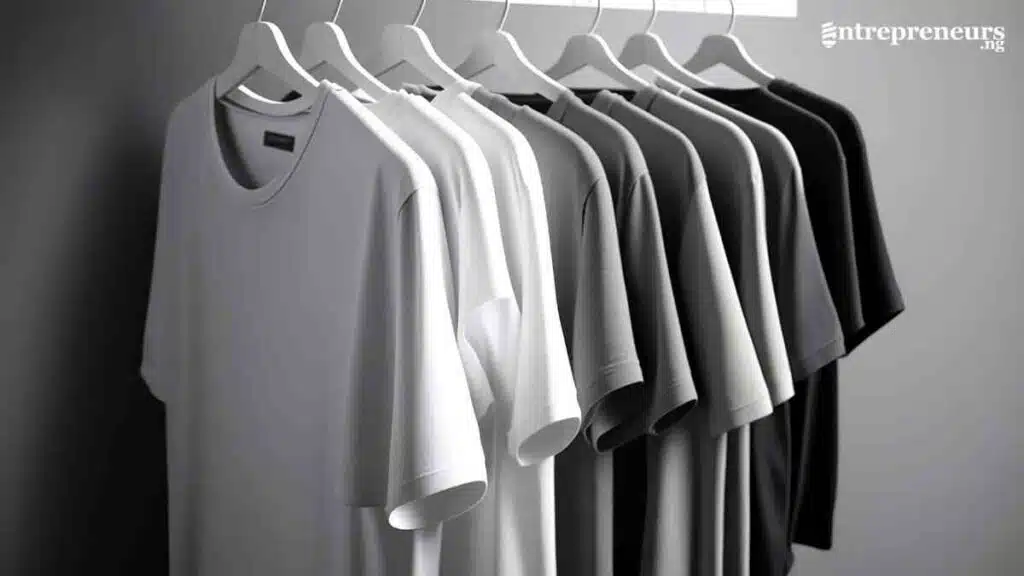
Starting a shirt business is one of the most practical ways to enter the fashion and ecommerce space with manageable risk.
Many people want to know how to start a shirt business the right way, without costly mistakes.
Shirts sell across ages, locations, and cultures, making them a strong global product. This guide walks you through each step, from idea to profitable execution.
Key Takeaways
- Starting a shirt business successfully depends on choosing the right model, validating demand early, and building a clear operational structure before scaling.
- Profitability in a shirt business comes from disciplined cost control, smart pricing, and selecting sales channels that support long term margins.
- Consistent branding, reliable production, and strong customer experience are critical to building trust and repeat sales.
- Sustainable growth is achieved by scaling intentionally, tracking key metrics, and reinvesting in systems that support efficiency and visibility.

How to Start a Shirt Business
Starting a shirt business is not about guessing or doing everything at once. It is about following the right steps in the right order, so each decision builds on the one before it.
We will break down starting a shirt business into clear, practical steps. Each step focuses on a specific part of the process, from setting the foundation to launching and growing sustainably.
If you follow these steps in sequence, you will have everything you need to start and run your shirt business with confidence.
Step 1: Choose the Type of Shirt Business You Want to Start
The first and most important decision when starting a shirt business is selecting the business model. There is no single best option.
The right choice depends on your budget, skills, time availability, and long term goals. Each model comes with different operational requirements and profit potential.
Print on Demand Shirt Business
A print on demand shirt business allows you to sell shirts without holding inventory. Shirts are printed and shipped only after a customer places an order. This model is popular with beginners because it keeps startup costs low and reduces risk.
It is best suited for entrepreneurs who want to validate ideas quickly, sell online, or start a shirt business from home with minimal upfront investment.
The trade off is lower profit margins and less control over production speed and quality.
Shirt Printing Business
A shirt printing business involves producing shirts yourself or through a local printing setup.
This model gives you more control over quality, turnaround time, and branding. It is commonly used for bulk orders, events, corporate clients, and uniforms.
This option requires equipment, space, and technical knowledge. Startup costs are higher, but profit margins improve as order volume increases.
Bulk Buying and Reselling Shirts
In this model, you buy pre printed or custom printed shirts in bulk and resell them through online or offline channels.
It works well when you already understand demand or have access to a specific market such as schools, communities, or organisations.
The main risk is unsold inventory, but the advantage is better pricing per unit and stronger control over packaging and delivery.
Custom Branded or Private Label Shirts
This model focuses on building a distinct clothing brand using custom fabrics, fits, and labels. Shirts are produced by manufacturers based on your specifications. It offers the highest level of differentiation and brand value.
It also requires the most capital, planning, and time. This approach is better suited for entrepreneurs with experience or a clear long term brand vision.
Comparison of Shirt Business Models
| Business Model | Startup Cost | Inventory Risk | Profit Margin | Speed to Launch |
|---|---|---|---|---|
| Print on demand | Low | Very low | Low to medium | Fast |
| Shirt printing | Medium to high | Medium | Medium to high | Medium |
| Bulk buying and reselling | Medium | High | Medium | Medium |
| Private label shirts | High | High | High | Slow |
Choosing the right model early helps you avoid unnecessary expenses and structural changes later. Many successful shirt businesses start with one model and evolve into another as demand grows.

Step 2: Decide What Type of Shirts You Will Sell
Once you have chosen your shirt business model, the next step in starting a shirt business is deciding exactly what products you will offer.
This decision shapes your production process, pricing structure, target audience, and marketing strategy. Clarity here prevents costly pivots later.
Focus on One Core Shirt Category
Many first time founders try to sell everything at once. This weakens brand positioning and complicates operations.
The most successful shirt businesses start with one core product and expand only after demand is proven.
Common shirt categories include:
- T shirts for everyday wear
- Polo shirts for corporate or casual use
- Hoodies and sweatshirts for lifestyle brands
- Workwear or uniforms for organisations
- Event and promotional shirts
Starting with one category helps you control costs, streamline production, and build clear messaging around your shirt business.
Choose Between Custom, Branded, or Functional Shirts
Shirts generally fall into three broad demand driven categories. Understanding these helps you align product choices with buyer intent.
| Shirt Type | Primary Buyer Motivation | Typical Use Case |
|---|---|---|
| Custom message shirts | Expression and identity | Personal wear, gifts |
| Branded shirts | Brand visibility | Businesses, events |
| Functional shirts | Utility and comfort | Workwear, sports |
Selecting the right category ensures your designs, fabric choices, and pricing reflect what customers actually want to buy, not just what looks appealing.
Consider Geography and Climate
Climate and location matter. Lightweight cotton shirts may sell year round in warmer regions, while layered apparel performs better in colder markets.
Understanding where your buyers live influences fabric selection and sizing decisions, which directly affects returns and customer satisfaction.
Step 3: Research the Market and Validate Demand
Before investing in designs or production, you need to confirm that people are already searching for and buying the type of shirts you plan to sell.
Market research is what separates a profitable shirt business from one built on assumptions.
Identify Existing Demand
Strong demand already exists in the shirt market, but it is segmented. Your goal is to identify where demand aligns with your chosen product type.
Effective ways to validate demand include:
- Searching online marketplaces to see best selling shirt styles
- Reviewing customer reviews to spot unmet needs
- Analysing search trends related to your shirt category
- Observing social platforms to see what audiences share and wear
If customers are already buying similar shirts, it confirms that the market is active. Your task then becomes differentiation, not education.
Analyse Competition Without Copying
Competition is not a warning sign. It is proof of demand. What matters is understanding how competitors position themselves.
Key areas to review include:
- Pricing range and perceived value
- Design themes and messaging
- Customer complaints or repeated issues
- Gaps in sizing, quality, or delivery time
This analysis helps you position your shirt business clearly without duplicating what already exists.
Validate Willingness to Pay
Interest alone does not guarantee sales. Validation means confirming that buyers are willing to pay prices that support a sustainable business.
Indicators of strong buying intent include:
- Consistent pricing across multiple sellers
- Repeat purchases and brand loyalty
- Positive feedback tied to quality or fit, not just price
If you want structured support analysing demand, competition, and commercial viability, the Entrepreneurs Success Blueprint provides guided frameworks that help founders validate business ideas before committing resources.

Step 4: Create a Brand for Your Shirt Business
Branding gives your shirt business clarity and credibility. At this stage, the goal is not visual perfection. It is about creating a clear identity that customers can recognise, remember, and trust.
Define Your Shirt Business Positioning
Every successful shirt business occupies a clear space in the market. Positioning explains who your shirts are for, why they exist, and why someone should choose them over alternatives.
Strong positioning answers three questions:
- Who is this shirt for
- What problem or desire it serves
- What makes it different
Clear positioning helps guide naming, design direction, pricing, and marketing decisions later.
Choose a Name for Your Shirt Business
Your business name should be simple, relevant, and easy to remember. It should work across online platforms and not limit future growth.
When choosing a name:
- Avoid overly generic terms that are hard to rank online
- Check availability across domains and social platforms
- Ensure it is easy to pronounce and spell globally
A well chosen name improves brand recall and search visibility when people look for your shirt business online.
Create Basic Brand Assets
You do not need an expensive brand identity at the start, but you do need consistency. At minimum, your shirt business should have:
- A simple logo
- A defined colour palette
- One or two fonts used consistently
If you need ready to use logo and brand assets to speed up this process, you can explore the resources available at https://entrepreneurs.ng/brand-assets/.
Decide If and When to Trademark Your Brand
Trademarking protects your brand name and logo from being used by others. While it is not mandatory at the start, it becomes important once you begin building recognition and revenue.
For founders unsure about the right timing or process, Entrepreneurs.ng offers business registration support at https://entrepreneurs.ng/business-registration, which can help you formalise your shirt business correctly as it grows.
Step 5: Design Shirts That Customers Want to Buy
Design is where many shirt businesses succeed or fail. Good design is not about personal taste. It is about clarity, relevance, and appeal to your chosen audience.
Understand What Makes a Shirt Design Sell
Shirts that sell well usually share common traits:
- Clear message or visual at first glance
- Balanced use of colour and space
- Designs that work across different sizes
Complex designs often look appealing on a screen but perform poorly in real world wear. Simplicity tends to convert better.
Decide Between DIY Design and Hiring a Designer
If you have basic design skills, you can start by creating simple layouts using design tools. This works well for testing ideas and validating demand.
Hiring a professional designer becomes valuable when:
- You want a cohesive collection
- Your brand targets a premium audience
- You plan to scale production
Whichever option you choose, ensure you own the commercial rights to all designs used in your shirt business.
Match Designs to Shirt Type and Use Case
Designs should align with how the shirt will be worn. A casual t-shirt design differs from a corporate branded shirt or a uniform. Understanding context reduces returns and improves customer satisfaction.
Avoid creating designs without considering fabric, colour, and print limitations. Designs should be created with production realities in mind.
If you plan to build a structured brand with long term growth in mind, a solid business plan can help align design, operations, and revenue goals.
The comprehensive business plan template available at https://entrepreneurs.ng/product/comprehensive-business-plan-template-for-entrepreneurs/ can support this process.
Step 6: Choose a Shirt Printing Method
Selecting the right printing method is a critical part of successfully starting a shirt business. The printing method you choose affects production cost, print quality, turnaround time, and how well your shirts meet customer expectations.
This decision should align with your chosen business model and the type of shirts you plan to sell.
Screen Printing
Screen printing is one of the most widely used methods in the shirt printing business. It involves pushing ink through a mesh screen onto fabric.
It is best suited for:
- Bulk orders
- Simple designs with few colours
- Corporate shirts, uniforms, and events
Screen printing offers durable prints and lower cost per unit at high volumes. However, setup costs make it less ideal for small orders or frequent design changes.
Direct to Garment Printing
Direct to garment printing, often referred to as DTG, prints designs directly onto the shirt using specialised inkjet technology.
It works well for:
- Detailed and multi colour designs
- Small batch production
- Print on demand shirt business models
DTG allows flexibility but typically has higher per unit costs and slower production speed compared to screen printing.
Direct to Film Printing
Direct to film printing, known as DTF, involves printing designs onto a film which is then heat pressed onto the shirt.
This method is suitable for:
- Cotton, polyester, and blended fabrics
- Small to medium production runs
- Designs that require strong colour vibrancy
DTF offers versatility across fabrics but requires careful handling to maintain print longevity.
Sublimation Printing
Sublimation printing uses heat to transfer dye into the fabric rather than onto it.
It is commonly used for:
- Polyester shirts
- Sportswear and performance apparel
- All over prints
Sublimation produces lightweight, breathable results but is limited to light coloured polyester fabrics.
Comparison of Shirt Printing Methods
| Printing Method | Best For | Setup Cost | Per Unit Cost | Fabric Compatibility |
|---|---|---|---|---|
| Screen printing | Bulk orders | High | Low at scale | Mostly cotton |
| DTG | Detailed designs | Medium | Medium to high | Mostly cotton |
| DTF | Fabric flexibility | Medium | Medium | Most fabrics |
| Sublimation | Sportswear | Low | Low | Polyester only |
Choosing the right printing method early helps you avoid production issues and maintain consistent quality as your shirt business grows.
See Also: How to Start a Ready to Wear Business – Costs, Profitability & Step-by-Step Guide
Step 7: Find Shirt Suppliers and Printing Partners
Once you know how your shirts will be printed, the next step is sourcing reliable suppliers. Supplier choice directly affects product quality, delivery timelines, and customer satisfaction.
Where to Source Blank Shirts
Blank shirts form the foundation of your product. When sourcing blanks, focus on consistency rather than price alone.
Reliable sourcing options include:
- Wholesale apparel suppliers
- Local manufacturers
- Print on demand platforms with integrated fulfilment
Order samples before committing to large quantities to assess fit, fabric feel, and colour accuracy.
What to Look for in a Shirt Supplier
A good supplier supports long term growth. Evaluate potential partners based on:
- Fabric quality and durability
- Minimum order requirements
- Production and delivery timelines
- Quality control processes
Poor supplier choice is one of the fastest ways to damage a new shirt business.
Build Relationships With Printing Partners
If you are outsourcing printing, strong relationships matter. Clear communication around expectations, turnaround times, and quality standards reduces errors and delays.
As your volume grows, reliable partners can offer better pricing and priority production.

Step 8: Calculate Shirt Business Startup Costs
Understanding startup costs is essential when starting a shirt business sustainably. This step focuses on estimating realistic expenses so you can plan capital properly and avoid cash flow problems early on.
Costs vary depending on the business model you chose earlier, but the categories remain consistent.
Core Startup Cost Categories
Every shirt business incurs costs in five main areas:
- Production or printing
- Product samples
- Branding and setup
- Sales platform and tools
- Marketing and promotion
Knowing these categories helps you budget accurately, even if you start small.
Typical Shirt Business Startup Costs in Dollars
| Cost Item | Print on Demand | Printing Setup | Bulk Reselling |
|---|---|---|---|
| Product samples | $50 to $150 | $100 to $300 | $200 to $500 |
| Printing or production | $0 upfront | $1,500 to $5,000 | $1,000 to $4,000 |
| Branding and setup | $100 to $300 | $200 to $500 | $200 to $500 |
| Website or platform | $100 to $300 | $100 to $300 | $100 to $300 |
| Initial marketing | $100 to $500 | $200 to $800 | $200 to $800 |
| Estimated total | $350 to $1,250 | $2,100 to $6,900 | $1,700 to $6,100 |
These figures represent realistic ranges for a lean start. A print on demand shirt business remains the lowest entry option, while in house printing requires more upfront investment.
Hidden Costs Many Beginners Miss
Some costs are often overlooked when starting a shirt business:
- Design revisions and reprints
- Shipping and packaging materials
- Transaction and platform fees
- Product returns and replacements
Including these in your budget helps protect your profit margins once sales begin.
Step 9: Price Your Shirts for Profit
Pricing is where many shirt businesses struggle. Setting prices too low erodes profit, while pricing too high without justification reduces sales. This step focuses on creating a pricing strategy that supports growth.
Understand Your Cost Per Shirt
Before setting a selling price, calculate your true cost per shirt. This includes:
- Production or printing cost
- Packaging and shipping
- Platform and transaction fees
- Marketing cost per sale
Accurate costing ensures you are not selling at a loss.
Simple Shirt Pricing Formula
A practical pricing approach for a shirt business is:
Selling price = total cost per shirt × markup
Most profitable shirt businesses apply a markup of 2.5 to 4 times total cost, depending on brand positioning and sales channel.
Typical Profit Margins in a Shirt Business
| Business Type | Average Selling Price | Typical Margin |
|---|---|---|
| Print on demand shirts | $20 to $35 | 20 to 40 percent |
| Printed bulk shirts | $15 to $30 | 30 to 60 percent |
| Branded premium shirts | $30 to $60 | 50 percent and above |
Price Based on Value, Not Just Cost
Customers pay for perceived value. Factors that justify higher prices include:
- Better fabric quality
- Unique designs or messaging
- Faster delivery
- Strong brand story
Step 10: Set Up Where You Will Sell Your Shirts
Choosing where to sell is a core part of successfully starting a shirt business. Your sales channel affects customer trust, pricing flexibility, profit margins, and how much control you have over your brand.
At this stage, the focus is on selecting one primary channel that matches your business model and capacity.
Sell Shirts Through Your Own Website
Selling through your own website gives you full control over branding, customer data, and pricing. It also allows you to build long term customer relationships, which is essential for repeat sales.
This option works well if you plan to:
- Build a recognisable shirt brand
- Sell directly to consumers globally
- Collect customer emails and data
Your website should clearly display product details, sizing information, delivery timelines, and return policies to reduce buyer hesitation.
Sell Shirts Through Online Marketplaces
Online marketplaces already have built in traffic, which makes them appealing for beginners who want faster exposure. However, they come with platform fees and limited control over branding.
Marketplaces are suitable if you want to:
- Test demand quickly
- Reach customers without heavy marketing spend
- Validate products before investing in a standalone website
Many successful founders start on marketplaces and transition to their own website once sales are consistent.
Comparison of Shirt Sales Channels
| Sales Channel | Brand Control | Fees | Speed to Market | Long Term Value |
|---|---|---|---|---|
| Own website | High | Low | Medium | High |
| Online marketplace | Low to medium | Medium to high | Fast | Medium |
Choosing the right channel early helps you avoid unnecessary migrations later.
Step 11: Market and Promote Your Shirt Business
Marketing is what turns your shirt business into a revenue generating operation. Even the best products do not sell without visibility.
This step focuses on practical promotion methods that align with how people discover and buy shirts online.
Use Social Media to Build Awareness
Social platforms are powerful for showcasing shirts in real life settings. Short form content, lifestyle images, and behind the scenes videos help potential buyers visualise the product.
Effective content ideas include:
- Product styling examples
- Customer generated content
- Design stories and brand values
Consistency matters more than volume. Focus on one or two platforms where your audience is active.
Leverage Influencer and Creator Partnerships
Creators help introduce your shirts to niche audiences that already trust their recommendations. Micro creators often deliver higher engagement than large accounts.
Partnerships work best when:
- The creator aligns with your brand values
- The content feels natural, not scripted
- There is clear tracking of results
Invest in Paid Advertising Carefully
Paid ads can accelerate growth, but only after you have validated your product and pricing. Start with small budgets and test creatives before scaling spend.
Step 12: Handle Orders, Shipping, and Customer Service
Efficient operations are essential to sustaining a profitable shirt business. Once sales begin, how you fulfil orders and support customers directly affects reviews, repeat purchases, and long term growth. T
his step focuses on the systems required to deliver shirts reliably and professionally.
Set Up an Order Fulfilment Process
Order fulfilment refers to how shirts move from production to the customer. Your fulfilment process should be simple, trackable, and scalable.
Common fulfilment options include:
- Automated fulfilment through print on demand platforms
- In house fulfilment for self printed or bulk stocked shirts
- Third party logistics partners for larger volumes
Choose a fulfilment approach that matches your order volume and delivery promises. Delays and errors at this stage can quickly damage trust.
Plan Shipping and Delivery
Shipping speed and cost influence buying decisions, especially for online shirt sales. Customers want clarity before checkout.
Key shipping considerations include:
- Domestic versus international delivery
- Flat rate versus calculated shipping
- Tracking and delivery notifications
Clearly communicate shipping timelines on product pages to reduce support requests and disputes.
Create Clear Returns and Refund Policies
Returns are part of doing business. A clear policy protects both you and the customer.
Your return policy should define:
- Eligible return conditions
- Time frame for returns
- Refund or replacement process
Well written policies reduce confusion and build confidence, particularly for first time buyers.
Deliver Reliable Customer Support
Responsive customer service builds brand loyalty. Even small shirt businesses should have a basic support system in place.
Effective support includes:
- A dedicated support email
- Standard responses for common issues
- Clear escalation for unresolved problems
Strong customer service often becomes a competitive advantage in the shirt business, especially in crowded markets.
Step 13: Register and Legalise Your Shirt Business
Formalising your shirt business protects your income, brand, and future growth. While requirements vary by country, certain legal steps are common globally and should not be ignored.
Decide on a Business Structure
Your business structure affects taxes, liability, and credibility. Many founders start with a simple structure and upgrade as revenue grows.
Common options include:
Choosing the right structure depends on your location, income expectations, and risk tolerance.
Register Your Shirt Business
Registering your business makes it official and allows you to open business bank accounts, access payment processors, and work with suppliers confidently.
Business registration typically involves:
- Registering a business name
- Obtaining required licences or permits
- Complying with local tax obligations
If you need help navigating business registration requirements, Entrepreneurs.ng offers support services at https://entrepreneurs.ng/business-registration to help founders register correctly and avoid compliance issues.
Set Up Basic Financial Records
Accurate record keeping is essential from day one. Track income, expenses, and taxes separately from personal finances.
Basic financial setup should include:
- A business bank account
- Simple bookkeeping system
- Clear records for tax reporting
This foundation prepares your shirt business for future growth and investment opportunities.
Step 14: Scale and Grow Your Shirt Business
Scaling is the stage where a shirt business moves from steady sales to long term profitability.
Growth should be intentional, driven by data, and supported by systems that can handle increased demand without compromising quality or customer experience.
Know When Your Shirt Business Is Ready to Scale
Not every business is ready to grow at the same time. Scaling too early can strain cash flow and operations.
Clear signs your shirt business is ready to scale include:
- Consistent monthly sales
- Predictable production and fulfilment
- Stable pricing with healthy profit margins
- Repeat customers and positive feedback
If these foundations are not in place, focus on optimisation rather than expansion.
Expand Your Product Range Strategically
Growth does not mean adding many products at once. The safest way to scale is to build on what already sells.
Common expansion paths include:
- New colours or variations of best selling shirts
- Complementary products such as hoodies or polos
- Limited edition drops to test demand
This approach reduces risk while increasing average order value.
Increase Production and Fulfilment Capacity
As order volume grows, production and delivery must keep pace. Scaling often requires renegotiating supplier terms or upgrading fulfilment processes.
Key considerations include:
- Better pricing through higher order volumes
- Faster production timelines
- More reliable shipping options
Efficient operations protect margins and customer satisfaction as sales increase.
Strengthen Your Marketing for Sustainable Growth
Scaling a shirt business requires consistent visibility. At this stage, marketing should shift from experimentation to systems.
Effective scaling strategies include:
- Doubling down on top performing channels
- Investing in content that drives long term search traffic
- Building partnerships that expand reach
Track Metrics That Matter as You Scale
Growth without measurement leads to inefficiency. Focus on metrics that reflect real business health.
| Metric | Why It Matters |
|---|---|
| Cost per acquisition | Controls marketing spend |
| Profit margin | Ensures growth is sustainable |
| Order fulfilment time | Protects customer experience |
| Repeat purchase rate | Indicates brand loyalty |
Tracking these metrics helps you make informed decisions as your shirt business grows.
Build for Long Term Stability
Scaling is not only about selling more shirts. It is about building a business that can adapt to market changes, handle competition, and remain profitable over time.

Conclusion
Starting a shirt business is a practical and achievable way to build a profitable venture when approached with clarity and structure.
The most sustainable shirt businesses are built on informed decisions, disciplined execution, and a clear understanding of the market. Focusing on one step at a time allows you to build a strong foundation before expanding.
With the right strategy, systems, and support, starting a shirt business becomes less about trial and error and more about intentional growth.
We want to see you succeed, and that’s why we provide valuable business resources to help you every step of the way.
- Join over 23,000 entrepreneurs by signing up for our newsletter and receiving valuable business insights.
- Register your business today with Entrepreneurs.ng’s Business Registration Services.
- Tell Your Brand Story on Entrepreneurs.ng, let’s showcase your brand to our global audience.
- Need help with your marketing strategy? Get a Comprehensive Marketing and Sales Plan here.
- Sign up for our Entrepreneurs Success Blueprint Programme to learn how to start and scale your business in just 30 days.
- Book our one-on-one consulting and speak to an expert about structuring and growing your business.
- Visit our shop for business plan templates and other valuable resources to guide you.
- Get our Employee-Employer Super Bundle NDA templates to legally protect your business and workforce.
- Advertise your business to over a million entrepreneurs through our different advertising packages.
Frequently Asked Questions
Is shirt business profitable?
Yes, a shirt business can be profitable when it is structured correctly. Profitability depends on your business model, pricing strategy, and ability to manage costs.
Many successful shirt businesses record profit margins ranging from 20 percent to over 60 percent, especially when selling directly to customers rather than relying solely on marketplaces.
How much money do I need to start a shirt business?
The amount needed to start a shirt business varies by approach. A print on demand shirt business can be launched with as little as $300 to $500, mainly covering samples, branding, and basic marketing.
A shirt printing business or bulk reselling model may require between $1,500 and $5,000 or more due to equipment, inventory, and setup costs.
Can I start a shirt business from home?
Yes, many entrepreneurs start a shirt business from home. Print on demand models allow you to operate without holding inventory, while small scale printing businesses often begin in home workspaces.
As demand grows, operations can be moved to a dedicated facility or outsourced.
What type of shirts sell the most?
T shirts are the most popular and consistently selling shirt category worldwide. They appeal to a wide audience and are suitable for casual wear, branding, and promotions.
Other strong sellers include polo shirts for corporate use and workwear shirts for organisations and teams.
Do I need design skills to start a shirt business?
You do not need professional design skills to start a shirt business. Many founders use simple design tools or hire freelance designers.
What matters more than design complexity is clarity, relevance, and alignment with your target audience.
Is print on demand a good way to start a shirt business?
Print on demand is one of the easiest ways to start a shirt business, especially for beginners.
It requires low upfront investment and removes the need for inventory management. However, profit margins are typically lower compared to printing or bulk production models.
How long does it take to make money from a shirt business?
The timeline varies depending on demand, marketing, and pricing. Some shirt businesses make their first sales within weeks, while others take several months to gain traction.
Consistent marketing and customer feedback usually accelerate growth.
Where is the best place to sell shirts online?
The best place to sell shirts online depends on your goals. Selling through your own website offers greater control and higher margins, while online marketplaces provide faster access to customers.
Many businesses start with one channel and expand as sales increase.
Do I need to register my shirt business?
In most countries, registering your shirt business is required once you begin trading and earning income.
Registration helps you operate legally, open business bank accounts, and build credibility with customers and suppliers.
Can I scale a shirt business into a full time income?
Yes, many entrepreneurs grow a shirt business into a full time source of income. Scaling requires consistent demand, strong branding, efficient operations, and reinvestment of profits.
Businesses that track performance and adapt to market changes are more likely to achieve long term success. the shirt business has great potential. Data from Statista confirms it.


