

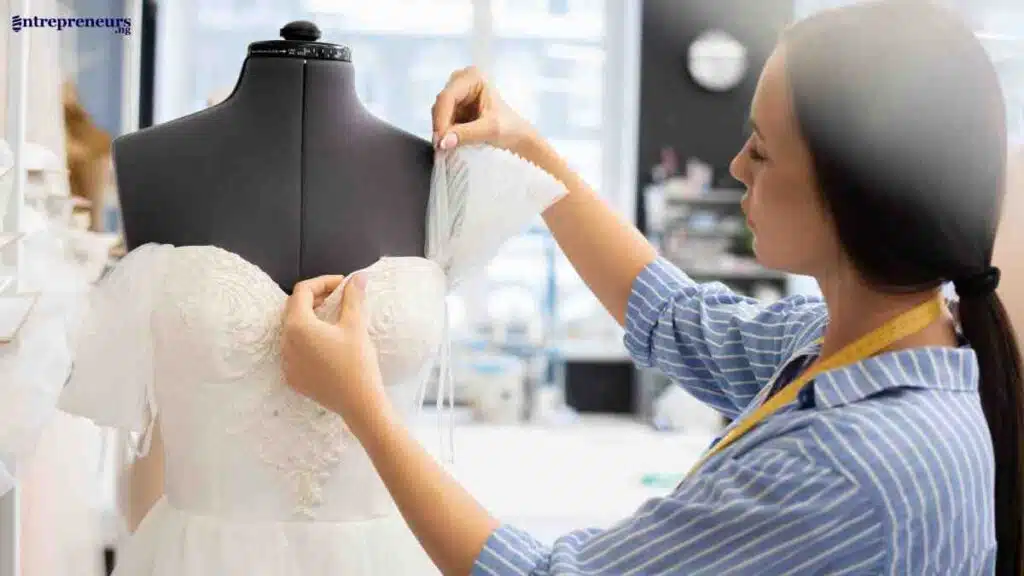
A Fashion Designer is part artist and part problem-solver, turning creative ideas into clothing and accessories people wear every day.
The opportunity in this field is huge. McKinsey estimates the global fashion industry was worth about $1.7 trillion in 2023, employing more than 300 million people worldwide across its value chain.
In this guide, you will learn what a fashion designer does, the types of fashion designers, and the key skills needed to succeed.
Key Takeaways
- A fashion designer creates clothing and accessories by blending creativity with market trends.
- Knowing what fashion designers do helps you understand the career and its opportunities.
- Strong fashion designer skills and qualifications are essential for success.
- Following the right steps to becoming a fashion designer can turn creativity into a career.

Who Is a Fashion Designer?
A fashion designer is a creative professional who designs clothing, footwear, and accessories by combining artistic ideas with practical design skills.
They study fashion trends, sketch new styles, choose fabrics, and work with production teams to turn concepts into finished garments that people wear.
Beyond creativity, fashion designers also understand how the fashion market works. They design pieces that reflect culture, meet consumer demand, and shape new trends in the global fashion industry.
What Does a Fashion Designer Do?
A fashion designer is responsible for transforming creative ideas into clothing, footwear, or accessories that people wear.
Their work goes far beyond sketching stylish outfits. Designers research trends, develop concepts, select materials, and collaborate with production teams to bring their designs to life.
From the first idea to the final product, fashion designers combine creativity, technical knowledge, and an understanding of consumer preferences.
Researching Fashion Trends
Fashion designers constantly study trends to understand what consumers want.
They analyse fashion shows, social media, cultural influences, and market data to identify colours, fabrics, and styles that will be popular in upcoming seasons.
This research helps designers create collections that stay relevant in the fast-moving fashion industry.
Creating Design Concepts and Sketches
Once designers understand current trends, they begin developing ideas for new garments.
They sketch their concepts by hand or using computer-aided design (CAD) software.
These sketches illustrate the garment’s shape, style, and details, helping designers visualise how the finished piece will look.
Selecting Fabrics and Materials
Choosing the right materials is a crucial part of fashion design.
Designers select fabrics, colours, textures, and trims that match their creative vision and ensure the garment is comfortable and durable.
The choice of material also influences how the clothing looks, feels, and performs.
Developing Samples and Prototypes
After finalising the design, fashion designers work with pattern makers and tailors to create sample garments.
These prototypes allow designers to test the fit, structure, and appearance of the design.
Adjustments are often made during this stage to perfect the final product.
Collaborating With Production Teams
Fashion designers rarely work alone.
They collaborate with a range of professionals, including pattern makers, textile specialists, and manufacturers.
This teamwork ensures the design can be produced efficiently while maintaining quality and consistency.
Presenting and Marketing Fashion Collections
Once a collection is complete, designers showcase their work to buyers, retailers, and the public.
This can happen through fashion shows, lookbooks, retail displays, or digital platforms.
Presentation and branding play a major role in turning creative designs into successful fashion products.
Types of Fashion Designers
The fashion industry is diverse, and designers often specialise in specific areas depending on their interests, skills, and target markets.
While all fashion designers share a common goal of creating clothing or accessories, their roles can vary significantly based on the type of products they design and the audience they serve.
| Type of Fashion Designer | Overview |
|---|---|
| Apparel Designers | Create everyday clothing such as dresses, shirts, trousers, and jackets for mass markets or fashion brands. |
| Haute Couture Designers | Design exclusive, custom-made garments that are often handmade for individual clients. |
| Footwear Designers | Specialise in designing shoes, sneakers, boots, and other footwear products. |
| Accessory Designers | Create fashion accessories such as handbags, belts, jewellery, scarves, and hats. |
| Costume Designers | Design outfits for films, television shows, theatre productions, and performances. |
| Sustainable Fashion Designers | Focus on eco-friendly materials and ethical production methods in fashion. |
Apparel Designers
Apparel designers focus on creating clothing that people wear daily.
They design items such as shirts, trousers, dresses, coats, and sportswear.
These designers often work for fashion brands, retailers, or clothing manufacturers and create collections for different seasons.
Haute Couture Designers
Haute couture designers create high-end, custom-made clothing that is often handcrafted and tailored for individual clients.
These designs are usually produced in limited quantities and are known for their exceptional craftsmanship, luxury fabrics, and intricate details.
Footwear Designers
Footwear designers specialise in designing shoes, boots, sneakers, and sandals.
Their work requires both creativity and technical knowledge to ensure that footwear is stylish, comfortable, and functional.
Many work with athletic brands, luxury fashion houses, or independent shoe companies.
Accessory Designers
Accessory designers focus on creating items that complement clothing, such as handbags, jewellery, belts, scarves, and hats.
These designers play a crucial role in fashion because accessories often define a brand’s identity and complete an outfit.
Costume Designers
Costume designers create clothing for entertainment industries such as film, television, theatre, and music performances.
Their designs help bring characters to life and reflect specific time periods, cultures, or storylines.
Sustainable Fashion Designers
Sustainable fashion designers prioritise environmentally friendly materials and ethical production processes.
They aim to reduce the environmental impact of fashion by using recycled fabrics, organic materials, and responsible manufacturing methods.
See Also: Fashion Design Business Plan- A Step-by-Step Guide to Building a Profitable Fashion Brand

How to Become a Fashion Designer Step-by-Step.
Becoming a fashion designer requires more than creativity and a passion for style.
It involves learning design principles, developing technical skills, gaining industry experience, and building a strong portfolio.
While the path may differ for each person, following clear steps can help aspiring designers turn their interest in fashion into a professional career in the global fashion industry.
Step 1: Understand the Basics of Fashion Design
The first step to becoming a fashion designer is understanding the fundamentals of fashion design.
This includes learning how clothing is constructed, how fabrics behave, and how design elements such as colour, texture, and silhouette work together.
A strong foundation helps aspiring designers turn creative ideas into practical designs that can be produced and worn.
Step 2: Learn Drawing and Fashion Illustration
Fashion designers communicate their ideas visually before a single piece of fabric is cut. That is why learning fashion illustration is an essential step.
Designers use sketches to present their ideas, experiment with styles, and explain garment details to pattern makers, manufacturers, and clients.
At this stage, aspiring designers practise drawing different garment styles, body proportions, and clothing details such as sleeves, collars, and drapes.
While many professionals still sketch by hand, modern designers also use digital tools like Adobe Illustrator or specialised fashion design software to create precise visual concepts.
The goal is not just artistic drawing but design communication.
| Skill to Learn | Importance in Fashion Design |
|---|---|
| Fashion figure drawing | Helps designers sketch garments on realistic body proportions. |
| Garment detailing | Allows designers to illustrate features like seams, buttons, pleats, and textures. |
| Colour rendering | Shows how fabrics and colour combinations will appear in the final design. |
| Digital illustration tools | Enables professional design presentation and industry collaboration. |
Developing strong illustration skills helps designers translate creative ideas into visual designs that others can understand and produce.
Over time, these sketches also become part of a designer’s professional portfolio, which is essential for career growth.
Step 3: Learn About Fabrics and Textiles
Understanding fabrics is a crucial part of becoming a fashion designer.
Different materials behave in different ways, and the fabric you choose can completely change how a garment looks, feels, and fits.
Designers must know how textiles stretch, drape, breathe, and respond to stitching or cutting.
At this stage, aspiring designers study common fabric types and how they are used in clothing. They also learn how texture, weight, and durability influence design decisions.
This knowledge helps designers select materials that match their creative vision while ensuring the garment remains comfortable and functional.
| Fabric Type | Common Use in Fashion |
|---|---|
| Cotton | Everyday clothing such as shirts, dresses, and casual wear |
| Silk | Luxury garments, evening wear, and delicate designs |
| Wool | Coats, suits, and cold-weather clothing |
| Denim | Jeans, jackets, and durable casual wear |
| Polyester | Sportswear, fast fashion, and wrinkle-resistant clothing |
By learning how fabrics behave, designers can create garments that not only look good in sketches but also work well in real-life production.
This knowledge also helps designers collaborate effectively with textile suppliers and manufacturers.
Step 4: Learn Sewing and Pattern Making
Fashion designers must understand how garments are actually constructed. Learning sewing and pattern making helps designers turn sketches into real clothing pieces.
Without this knowledge, it becomes difficult to understand how designs translate from paper to fabric.
Sewing teaches designers how different stitches, seams, and construction methods affect the final garment.
Pattern making, on the other hand, involves creating templates that guide how fabric pieces are cut and assembled.
Together, these skills allow designers to test ideas, fix fitting issues, and communicate clearly with tailors and manufacturers.
| Skill | Importance |
|---|---|
| Basic sewing techniques | Helps designers understand garment construction and finishing. |
| Pattern drafting | Allows designers to create templates for cutting fabric accurately. |
| Garment fitting | Ensures clothing fits well on the body and maintains its intended shape. |
| Alteration techniques | Helps designers adjust prototypes and improve their designs. |
By learning these technical skills, aspiring designers gain a deeper understanding of how clothing works in practice.
This knowledge allows them to create designs that are both creative and realistically producible.
Step 5: Get Formal Education or Training in Fashion Design
While talent and creativity are important, formal training can help aspiring designers build the technical and professional skills required in the fashion industry.
Many designers choose to study fashion design, fashion merchandising, or textile design through specialised courses or degree programmes.
Fashion education exposes students to important areas such as garment construction, design theory, textile science, and fashion business.
| Education Path | What It Offers |
|---|---|
| Fashion design degree | Structured training in design, textiles, and garment construction |
| Fashion design diploma or certificate | Shorter, practical programmes focused on core skills |
| Online fashion courses | Flexible learning options for beginners and self-taught designers |
| Fashion workshops and bootcamps | Hands-on experience in specific areas of design |
Although a degree is not always required, proper training helps designers develop stronger technical knowledge and improves their chances of succeeding in a competitive fashion industry.
Step 6: Build a Strong Fashion Portfolio
A fashion portfolio is one of the most important tools for any aspiring fashion designer.
It showcases your creativity, design process, and technical ability to employers, fashion houses, or potential clients. A strong portfolio demonstrates how you turn ideas into complete fashion concepts.
At this stage, designers collect their best sketches, garment designs, fabric studies, and finished pieces. The goal is to present a clear visual story of your style, skills, and creative thinking.
| Portfolio Element | Purpose |
|---|---|
| Fashion sketches | Show your design ideas and illustration skills |
| Technical drawings | Demonstrate garment structure and details |
| Fabric and colour boards | Highlight material choices and design inspiration |
| Finished garment photos | Display completed designs and real-world execution |
A well-organised portfolio can open doors to internships, jobs, and fashion collaborations.
Many modern designers also create digital portfolios or online websites to reach a wider audience and showcase their work globally.
Step 7: Gain Practical Experience in the Fashion Industry
Practical experience helps aspiring fashion designers understand how the industry works beyond the classroom.
At this stage, many designers pursue internships, apprenticeships, or entry-level roles with fashion brands, design studios, or clothing manufacturers.
These opportunities allow them to apply their skills in real-world environments.
Working in the industry exposes designers to the full design process, from concept development to production and marketing.
| Experience Type | What You Learn |
|---|---|
| Fashion internships | Real-world design processes and industry workflows |
| Apprenticeships with designers | Hands-on training and mentorship |
| Entry-level design roles | Practical experience in garment production and development |
| Fashion shows and events | Exposure to industry trends and networking opportunities |
This experience is valuable because it helps designers refine their skills, build industry connections, and understand the professional standards required in the fashion world.
Step 8: Choose Your Fashion Design Specialisation
As designers gain experience, many choose to specialise in a specific area of fashion. The industry is broad, and focusing on one niche helps designers build deeper expertise and develop a clear creative identity.
Specialisation also makes it easier to stand out in a competitive market.
Some designers focus on luxury fashion, while others work in ready-to-wear, sportswear, accessories, or sustainable fashion. Choosing a niche allows designers to refine their style and target a specific audience.
| Specialisation | Focus Area |
|---|---|
| Ready-to-wear fashion | Everyday clothing designed for mass markets |
| Luxury or haute couture | High-end, custom-made garments |
| Sportswear design | Athletic and performance clothing |
| Accessory design | Handbags, jewellery, belts, and fashion accessories |
| Sustainable fashion | Eco-friendly materials and ethical production |
Selecting a specialisation helps fashion designers position themselves within the industry and build a recognisable brand or career path.
Step 9: Build Your Personal Brand as a Fashion Designer
In today’s fashion industry, talent alone is not enough. Successful designers also build a strong personal brand that reflects their style, vision, and design philosophy.
A personal brand helps designers stand out and attract clients, collaborators, or fashion companies.
Many designers use social media, personal websites, and online portfolios to showcase their collections and connect with a global audience.
| Branding Channel | Purpose |
|---|---|
| Personal website or portfolio | Displays your designs and professional work |
| Social media platforms | Helps designers reach audiences and build recognition |
| Fashion shows and exhibitions | Provides visibility within the fashion industry |
| Professional networking | Creates opportunities for collaborations and career growth |
Developing a strong personal brand helps fashion designers gain recognition, build credibility, and create opportunities in the competitive fashion world.
Step 10: Launch Your Fashion Career or Start Your Own Brand
The final step in becoming a fashion designer is turning your skills and experience into a professional career.
Some designers choose to work for established fashion brands, while others launch their own clothing labels. Both paths offer opportunities to showcase creativity and build a reputation in the fashion industry.
At this stage, designers focus on creating collections, building industry relationships, and growing their presence in the market. Success often comes from combining creativity with strong business and marketing strategies.
| Career Path | What It Involves |
|---|---|
| Working for fashion brands | Designing collections for established companies |
| Freelance fashion design | Creating custom pieces for clients or projects |
| Starting a fashion label | Building and managing your own clothing brand |
| Fashion consulting or styling | Providing design expertise to brands or individuals |
Starting a career in fashion requires persistence, creativity, and continuous learning.
With the right skills, experience, and dedication, aspiring designers can build successful careers and make a lasting impact in the fashion industry.
Skills Every Fashion Designer Must Have
Becoming a successful fashion designer requires more than creativity and a passion for clothing.
Designers must combine artistic talent with technical knowledge and business awareness to create designs that are both stylish and commercially viable.
These skills help designers transform ideas into garments that meet market demand and stand out in the competitive fashion industry.
| Skill | Importance |
|---|---|
| Creativity and artistic ability | Helps designers develop unique clothing ideas, styles, and visual concepts. |
| Fashion illustration and drawing | Allows designers to communicate design ideas through sketches and technical drawings. |
| Knowledge of fabrics and textiles | Helps designers choose materials that suit the design, comfort, and durability of garments. |
| Sewing and garment construction | Enables designers to understand how clothing is assembled and how designs translate into real garments. |
| Trend awareness | Helps designers stay relevant by understanding current fashion trends and consumer preferences. |
| Computer-aided design (CAD) | Allows designers to create digital sketches and technical designs used in modern fashion production. |
| Attention to detail | Ensures garments are well-constructed, visually appealing, and professionally finished. |
| Communication and teamwork | Helps designers collaborate with tailors, manufacturers, marketers, and other fashion professionals. |
| Business and marketing knowledge | Enables designers to build brands, market their designs, and succeed in the fashion business. |
Education and Training for Fashion Designers
While natural creativity plays a major role in fashion design, education and training help designers develop the technical knowledge required to succeed in the industry.
Many aspiring designers pursue formal studies, specialised training programmes, or practical learning experiences to strengthen their design, textile, and garment construction skills.
These learning paths provide a structured way to build both creative and professional competence.
| Education or Training Path | What It Provides |
|---|---|
| Bachelor’s Degree in Fashion Design | Comprehensive training in design principles, textiles, garment construction, and fashion business. |
| Fashion Design Diploma or Certificate | Shorter programmes focused on practical design and production skills. |
| Online Fashion Design Courses | Flexible learning options that cover illustration, pattern making, and digital design tools. |
| Apprenticeships or Internships | Hands-on experience working with professional designers or fashion brands. |
| Workshops and Fashion Bootcamps | Intensive training focused on specific areas such as sewing, draping, or fashion illustration. |
Formal education is not always required to become a fashion designer.
However, training helps designers develop strong technical abilities, gain industry exposure, and build the confidence needed to compete in the global fashion market.
Career Opportunities for Fashion Designers
A career in fashion design offers a wide range of opportunities across different sectors of the fashion industry.
While some designers work for established fashion brands, others build independent labels or specialise in niche areas such as styling, consulting, or costume design.
The career path often depends on a designer’s skills, interests, and professional goals.
Below are some of the most common career opportunities available to fashion designers.
Working for Fashion Brands and Fashion Houses
Many designers start their careers inside established companies because it offers structure, mentorship, and steady exposure to professional standards.
Depending on the brand, you might design a single product category (like denim or womenswear), support a lead designer, or help develop seasonal collections from concept to sample.
| Role | What You Typically Do | Best For |
|---|---|---|
| Design Assistant | Research trends, support sketches, prep design boards | Beginners learning the workflow |
| Junior Designer | Design under supervision, refine details, support fittings | Early career designers building confidence |
| Fashion Designer | Own product categories, work with pattern teams, create ranges | Designers ready to take responsibility |
| Senior Designer | Lead team direction and collection cohesion | Experienced designers with leadership skills |
| Creative Director | Set brand vision, aesthetic, and collection identity | Designers with strong taste + business awareness |
Working in-house also builds credibility. Even a short stint at a respected brand can make your portfolio stronger and your network bigger.
Freelance Fashion Designer
Freelancing gives you freedom and variety. Instead of one employer, you work with multiple clients, brands, stylists, private clients, or manufacturers.
Some freelancers design collections; others create custom garments, develop patterns, or consult on fit and finishing.
| Freelance Work Type | What It Looks Like in Real Life |
|---|---|
| Custom design | Bespoke outfits for events, weddings, celebrities, or private clients |
| Collection development | Helping a brand create a seasonal range or capsule drop |
| Technical packages | Producing specs and drawings for manufacturers |
| Pattern and fit support | Drafting patterns, adjusting fit, improving garment structure |
| Trend and concept consulting | Advising startups on what to make and why it will sell |
Freelancing rewards designers who can communicate clearly, price their work confidently, and deliver on deadlines.
Starting Your Own Fashion Brand
If you want full creative control and bigger long-term upside, building a fashion label is the path.
However, it is also the most demanding because you become both designer and business owner. You are not just creating garment, but building a system that sells them.
| Business Area | Importance |
|---|---|
| Product development | Ensures designs can be produced well and consistently |
| Branding | Helps customers recognise and trust your label |
| Pricing | Makes your business profitable, not just popular |
| Marketing | Creates visibility and demand |
| Production | Prevents quality issues and delays |
| Sales channels | Determines whether you sell via website, retail, wholesale, or marketplaces |
This route suits designers who enjoy strategy, storytelling, and building something that can scale.
Fashion Styling and Image Consulting
Not every fashion designer wants to design garments full-time. Some move into styling because they have a strong eye and understand how clothing works on real bodies.
Stylists work with individuals, brands, magazines, and public figures to create complete looks.
Fashion designers can thrive here because they already understand silhouette, fabric behaviour, fit, and garment construction, so that they can style with intention.
| Styling Path | Typical Clients |
|---|---|
| Personal styling | Working professionals, weddings, lifestyle upgrades |
| Editorial styling | Magazines, campaigns, fashion shoots |
| Celebrity styling | Public appearances, music videos, red carpets |
| Brand styling | Fashion brands needing product presentation for marketing |
Costume Design for Film, TV, Theatre, and Performance
Costume design is a strong career path for designers who enjoy storytelling. Costume designers create outfits that communicate character, culture, and time period. It is less about trends and more about meaning.
You may work closely with directors, actors, and production teams, often under tight schedules. A background in garment construction and fabric knowledge becomes a major advantage.
Technical Fashion Roles
Some designers are highly creative but prefer precision, structure, and production. Technical roles are often overlooked in basic guides, but they can be stable, well-paid, and globally in demand.
| Technical Role | What You Do |
|---|---|
| Pattern Maker | Translate designs into patterns used for cutting fabric |
| Garment Technologist orxcv Fit Specialist | Ensure fit consistency, sizing, comfort, and construction quality |
| Technical Designer | Create specs and tech packs for production |
| Production Coordinator | Manage timelines, factories, and quality checks |
This path is ideal if you like problem-solving and want to be close to how garments are actually made.
Textile, Surface, and Print Design
If you love fabrics more than silhouettes, you can specialise in textile design. Textile and print designers create patterns, textures, and fabric concepts used in fashion collections.
This work often overlaps with interior design and product design, so the skills are transferable.
You can work with fashion brands, textile mills, or sell your prints to multiple brands as licensing work.
Digital Fashion and 3D Design Careers
Fashion is becoming more digital, and designers who understand 3D tools can access new roles.
Digital fashion designers create garments for virtual runways, gaming, and e-commerce visualisation. Some brands now use 3D design to reduce sampling costs and speed up production.
| Digital Fashion Role | What You Create |
|---|---|
| 3D Fashion Designer | Digital garments for prototyping and presentations |
| Virtual Fashion Creator | Clothing for games, avatars, and metaverse platforms |
| Digital Sample Artist | 3D product visuals for marketing and e-commerce |
This path is particularly valuable if you want to work globally without relocating.
Teaching, Mentoring, and Content Creation
As designers gain experience, many build careers teaching fashion design, mentoring younger creatives, or creating educational content online.
Some turn this into a profitable business through courses, workshops, and paid communities.
This is also a strong option for designers who want flexible income streams while staying connected to the industry.
Quick Guide: Choosing the Right Fashion Design Career Path
Not every fashion designer follows the same route. Some thrive in large fashion houses, while others prefer the freedom of running their own labels or specialising in technical roles.
Understanding where your strengths lie can help you choose the career path that suits you best.
| If You Enjoy… | A Good Career Path Might Be… |
|---|---|
| Working in structured teams and learning from senior designers | Fashion brands or fashion houses |
| Independence and flexible projects | Freelance fashion design |
| Creativity combined with entrepreneurship | Starting your own fashion brand |
| Creating complete looks and styling outfits | Fashion styling or image consulting |
| Storytelling through clothing and historical accuracy | Costume design for film and theatre |
| Technical precision and garment construction | Pattern making or technical design |
| Designing fabrics, prints, and textures | Textile and surface design |
| Technology and digital tools | 3D or digital fashion design |
Choosing the right path early can help you focus your fashion designer skills, build a stronger portfolio, and position yourself effectively in the fashion industry.
However, many designers explore several of these opportunities throughout their careers before settling into a niche that fits their creative and professional goals.
Fashion Designer Salary and Job Outlook
Fashion design can be both creatively rewarding and financially promising.
However, income levels vary widely depending on factors such as experience, location, specialisation, and whether a designer works for a brand or runs an independent label.
Understanding salary expectations and industry growth can help aspiring designers plan their careers more strategically.
Average Fashion Designer Salary
Fashion designer salaries differ across regions and career stages.
Entry-level designers typically earn modest salaries, while experienced designers working for major brands or running successful labels can earn significantly more.
| Career Level | Average Annual Salary |
|---|---|
| Entry-Level Fashion Designer | $35,000 – $50,000 |
| Mid-Level Fashion Designer | $60,000 – $90,000 |
| Senior Fashion Designer | $90,000 – $150,000+ |
| Creative Director or Brand Founder | $150,000 to several million depending on brand success |
According to the U.S. Bureau of Labour Statistics, the median annual wage for fashion designers was $77,450 as of 2023, although earnings can increase significantly with experience, reputation, and brand success.
Factors That Influence Fashion Designer Salaries
Several factors determine how much a fashion designer earns throughout their career.
Designers working for luxury brands or large fashion companies often earn higher salaries than those working for small labels.
| Factor | Impact on Salary |
|---|---|
| Experience | Senior designers and creative directors earn significantly more than beginners. |
| Location | Fashion hubs such as New York, Paris, Milan, and London often offer higher salaries. |
| Specialisation | Designers in luxury, couture, or technical roles may earn higher wages. |
| Brand Reputation | Designers working for established brands often earn more. |
| Entrepreneurship | Designers who build successful brands can generate substantial income. |
Designers who develop strong personal brands or launch successful fashion labels may also earn income through licensing, collaborations, and product lines.
Job Outlook for Fashion Designers
The demand for fashion designers continues to evolve as consumer preferences, technology, and sustainability trends reshape the industry.
While competition is strong, opportunities remain for designers who combine creativity with technical and business skills.
| Industry Trend | What It Means for Designers |
|---|---|
| Growth of online fashion retail | Designers must understand digital marketing and e-commerce. |
| Sustainable fashion movement | Demand for designers focused on eco-friendly materials and ethical production. |
| Digital and 3D design tools | Increasing need for designers skilled in modern design technology. |
| Global fashion markets | Opportunities to reach international audiences through online platforms. |
Although the fashion industry is competitive, designers who continuously develop their skills, adapt to trends, and build strong professional networks can find long-term opportunities and growth in this dynamic field.

Future Trends Shaping Fashion Design
The fashion industry is constantly evolving as technology, consumer behaviour, and environmental concerns reshape how clothing is designed and produced.
For fashion designers, staying ahead of these changes is essential to remain competitive and relevant.
Emerging innovations are not only transforming design processes but also redefining how fashion is created, marketed, and consumed globally.
| Trend | What It Means for Fashion Designers |
|---|---|
| Sustainable Fashion | Designers are increasingly using eco-friendly materials, recycled fabrics, and ethical production methods to reduce environmental impact. |
| Digital and 3D Fashion Design | Tools like 3D garment simulation allow designers to create digital prototypes before producing physical samples. |
| Artificial Intelligence in Fashion | AI helps designers predict trends, analyse consumer behaviour, and generate design ideas more efficiently. |
| Smart and Wearable Technology | Clothing integrated with technology, such as fitness-tracking fabrics and responsive materials, is becoming more common. |
| Direct-to-Consumer Fashion | Designers can now sell directly to customers through online platforms without relying solely on traditional retailers. |
| Customisation and On-Demand Production | Advances in manufacturing allow brands to create personalised clothing tailored to individual customer preferences. |
Understanding these trends helps fashion designers adapt their skills and explore new opportunities in an industry that continues to change rapidly.
Challenges Fashion Designers Face and How to Overcome Them
Like many creative careers, fashion design comes with its own set of challenges.
The industry is highly competitive, trends change quickly, and designers must constantly balance creativity with business realities.
Understanding these challenges early can help aspiring designers prepare for them and develop strategies to overcome obstacles while building successful careers.
| Challenge | How to Overcome It |
|---|---|
| Intense industry competition | Build a unique design style, specialise in a niche, and continuously improve your portfolio. |
| Rapidly changing fashion trends | Stay updated through fashion shows, industry reports, and trend forecasting platforms. |
| High production and material costs | Start with small collections, use local suppliers, and manage production carefully. |
| Limited industry connections | Network through fashion events, internships, and professional platforms. |
| Balancing creativity with business demands | Learn basic business, marketing, and branding skills to support your designs. |
| Building brand recognition | Use social media, digital portfolios, and collaborations to increase visibility. |
By recognising these challenges and developing practical solutions, fashion designers can navigate the industry more effectively and create sustainable, long-term careers.
Conclusion
A fashion designer combines creativity, technical knowledge, and business awareness to transform ideas into clothing and accessories people love to wear.
By developing the right skills, gaining experience, and following the proper steps, aspiring designers can build successful careers in the ever-evolving global fashion industry.
We want to see you succeed, and that’s why we provide valuable business resources to help you every step of the way.
- Join over 23,000 entrepreneurs by signing up for our newsletter and receiving valuable business insights.
- Register your business today with Entrepreneurs.ng’s Business Registration Services.
- Tell Your Brand Story on Entrepreneurs.ng, let’s showcase your brand to our global audience.
- Need help with your marketing strategy? Get a Comprehensive Marketing and Sales Plan here.
- Sign up for our Entrepreneurs Success Blueprint Programme to learn how to start and scale your business in just 30 days.
- Book our one-on-one consulting and speak to an expert about structuring and growing your business.
- Visit our shop for business plan templates and other valuable resources to guide you.
- Get our Employee-Employer Super Bundle NDA templates to legally protect your business and workforce.
- Advertise your business to over a million entrepreneurs through our different advertising packages.

Frequently Asked Questions (FAQS)
What is a fashion designer?
A fashion designer is a professional who creates clothing, footwear, and accessories by combining creativity, technical design skills, and knowledge of fabrics and trends.
What does a fashion designer do?
A fashion designer researches trends, sketches clothing ideas, selects fabrics, develops prototypes, and works with manufacturers to produce finished garments.
What skills are required to become a fashion designer?
Important skills include creativity, fashion illustration, fabric knowledge, sewing, pattern making, trend awareness, and basic business or marketing skills.
How do I become a fashion designer?
You can become a fashion designer by learning design fundamentals, developing drawing and sewing skills, gaining training or education, building a portfolio, and gaining industry experience.
Do fashion designers need a degree?
A degree is not always required, but formal education in fashion design can help develop technical skills and improve job opportunities.
How long does it take to become a fashion designer?
It can take about three to four years with a formal degree, but self-taught designers may take shorter or longer depending on their learning path and experience.
What qualifications do fashion designers need?
Fashion designers typically need training in design principles, textiles, garment construction, and fashion illustration, along with practical industry experience.
Where do fashion designers work?
Fashion designers can work for fashion houses, clothing brands, retail companies, design studios, or run their own fashion labels.
What types of fashion designers exist?
Common types include apparel designers, footwear designers, accessory designers, costume designers, and sustainable fashion designers.
How much money do fashion designers make?
Fashion designer salaries vary widely depending on experience and location, but many mid-level designers earn between $60,000 and $90,000 annually.
Is fashion design a good career?
Fashion design can be a rewarding career for people who are creative, passionate about clothing, and willing to work hard in a competitive industry.
Can I become a fashion designer without sewing?
While some designers focus mainly on concept development, understanding basic sewing and garment construction is very helpful for creating practical designs.
What tools do fashion designers use?
Fashion designers often use sketchbooks, sewing machines, fabric samples, and digital tools like Adobe Illustrator or fashion CAD software.
Can fashion designers start their own brands?
Yes, many designers launch their own clothing brands and sell their collections through retail stores, fashion shows, or online platforms.
What industries hire fashion designers?
Fashion designers can work in apparel manufacturing, fashion retail, entertainment (film and theatre), sportswear companies, and luxury fashion houses.


