

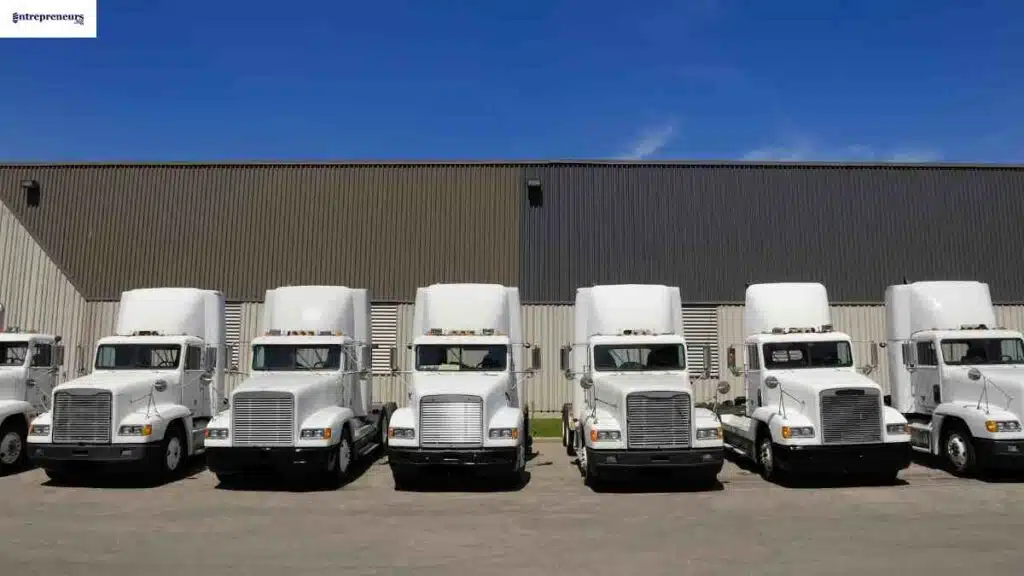
A successful trucking business is about more than owning trucks. It requires smart logistics, cost control, reliable customers, and efficient operations.
According to Global Market Insights, the global freight trucking market was worth over $2.6 trillion in 2025, highlighting the rising demand for logistics services.
In this guide, you will learn how to start a trucking company, manage startup costs, secure permits and insurance, and build a profitable freight hauling business step by step.
Key Takeaways
- A successful trucking business starts with choosing the right niche, market, and business model.
- Understanding trucking company startup costs, permits, insurance, and compliance is essential before launching.
- Strong operations, reliable drivers, and smart technology help trucking businesses stay profitable and competitive.
- Long-term growth in the freight hauling business depends on customer relationships, cash flow management, and scalable systems.

What Is a Trucking Business?
A trucking business is a company that transports goods from one location to another using commercial trucks.
These businesses play a major role in the global supply chain by moving products between manufacturers, warehouses, ports, retailers, and customers.
Some companies focus on local deliveries, while others handle long-distance or international freight.
Depending on the niche, a trucking company may transport food, construction materials, fuel, retail goods, machinery, or refrigerated products.
Why the Trucking Industry Still Offers Massive Opportunities
The trucking industry remains one of the most important sectors in the global economy because nearly every business depends on transportation.
From retail products and food supplies to construction materials and medical equipment, trucks move goods that keep industries running daily.
As global trade and online shopping continue to grow, the demand for reliable freight services keeps creating new opportunities for entrepreneurs who want to build profitable logistics businesses.
The Growth of E-Commerce and Online Retail
Online shopping has increased the demand for fast and efficient deliveries worldwide.
Retailers, manufacturers, and e-commerce companies now rely heavily on trucking companies to move goods between warehouses, stores, and customers.
This steady demand creates opportunities for both small operators and large fleets.
Rising Demand for Freight and Logistics Services
Global supply chains continue to expand as businesses source products from different regions and countries.
As a result, companies need dependable transportation partners to move freight safely and on time. This growing need keeps the trucking industry active even during economic shifts.
Opportunities for Small Business Owners
Unlike many industries that require massive startup capital, a trucking business can begin with one truck and scale gradually.
Many successful fleet owners started as owner-operators before expanding into larger operations. This makes trucking attractive for entrepreneurs seeking long-term growth and financial independence.
Multiple Profitable Trucking Niches
The trucking industry offers different ways to specialise based on market demand and budget. Businesses can focus on:
- Refrigerated freight
- Flatbed hauling
- Last-mile delivery
- Fuel transportation
- Construction materials
- Auto transport
Choosing the right niche can improve profitability and reduce competition.
Technology Is Making Trucking More Efficient
Modern technology has transformed the industry.
Today, trucking companies use GPS tracking, route optimisation software, AI dispatch systems, and fleet management tools to reduce costs and improve efficiency.
These tools make it easier for new businesses to compete with established companies.
Global Driver Shortages Create New Opportunities
Many countries continue to experience shortages of qualified truck drivers. This has increased demand for reliable trucking companies and created room for new operators to enter the market.
Businesses that provide dependable service can secure long-term contracts and build steady revenue streams.

How to Start a Trucking Business Step-by-Step
Starting a trucking business involves more than purchasing a truck and finding loads.
You need a clear business structure, the right licences, proper insurance, reliable financing, and an operational system that keeps deliveries moving efficiently.
The steps below will help you build a trucking business that is compliant, competitive, and positioned for long-term growth.
Step 1: Understand the Trucking Business Model
Before starting a trucking business, you need to understand how the industry works and where your business will fit. The trucking sector includes different business models, freight types, and operational structures.
Choosing the right one early will affect your startup costs, profit margins, and long-term growth.
Some entrepreneurs start as owner-operators with one truck, while others build small fleets from the beginning. Your decision should depend on your budget, experience, and business goals.
| Trucking Model | How It Works | Best For |
|---|---|---|
| Owner-Operator | One person owns and operates the truck | Beginners with limited capital |
| Small Fleet Business | Operates multiple trucks and drivers | Entrepreneurs planning to scale |
| Local Freight | Handles short-distance deliveries | Regional logistics and retail |
| Long-Haul Freight | Moves goods across states or countries | Higher earning potential |
| Specialised Freight | Focuses on refrigerated, hazardous, or oversized cargo | Higher-profit niche markets |
You should also decide what type of freight you want to handle. Some trucking niches require specialised equipment and licences, but they often offer better profit margins.
The most common trucking niches include:
- Dry van freight
- Refrigerated transport
- Flatbed hauling
- Last-mile delivery
Understanding these options will help you create a realistic trucking business plan and avoid costly mistakes later.
Step 2: Research the Market and Choose a Profitable Niche
A trucking business becomes more profitable when you understand what customers need and where demand is growing.
Before investing in trucks or equipment, study your target market, competitors, freight demand, and delivery routes. This helps you avoid entering overcrowded markets with low profit margins.
Your research should focus on industries that rely heavily on transportation, such as retail, construction, manufacturing, agriculture, and e-commerce.
| Freight Niche | Demand Level | Startup Cost | Profit Potential |
|---|---|---|---|
| Dry Van Freight | High | Moderate | Stable |
| Refrigerated Freight | High | High | High |
| Flatbed Hauling | Moderate | Moderate | High |
| Last-Mile Delivery | Very High | Low | Moderate |
| Hazardous Materials | Specialised | High | Very High |
You should also analyse:
- Freight demand in your region
- Competitor pricing
- Fuel and maintenance costs
- Delivery distance and route efficiency
Choosing the right niche early makes it easier to position your trucking company, attract customers, and build a sustainable logistics business.
Step 3: Create a Trucking Business Plan
A trucking business plan gives your company direction and helps you make smarter financial and operational decisions.
It outlines your business goals, startup costs, target market, revenue strategy, and growth plan. If you plan to apply for financing, most lenders and investors will also require a detailed business plan.
Your plan should explain how your trucking company will operate and generate profit in a competitive logistics market.
| Business Plan Section | What to Include |
|---|---|
| Business Overview | Company structure, services, and goals |
| Market Analysis | Target customers, competitors, and freight demand |
| Operations Plan | Routes, drivers, trucks, and dispatch systems |
| Financial Plan | Startup costs, expenses, pricing, and revenue projections |
| Marketing Strategy | Customer acquisition and contract opportunities |
Your financial section should clearly estimate:
- Truck purchase or lease costs
- Fuel expenses
- Trucking business insurance
- Permits and licences
- Maintenance and repairs
- Driver salaries
A strong trucking business plan reduces uncertainty and helps you prepare for the challenges of running a commercial freight business.
You can get started with our Comprehensive Business Plan Template, designed to help entrepreneurs build structured, investor-ready plans with ease.
Step 4: Register Your Trucking Business and Handle Legal Requirements
To operate legally, you must register your trucking business and obtain the required permits, licences, and tax documents.
The exact requirements vary by country, but every commercial trucking business must meet transportation, safety, and insurance regulations before moving freight.
Choosing the right business structure is also important because it affects taxes, liability, and future expansion.
| Legal Requirement | Purpose |
|---|---|
| Business Registration | Makes your company legally recognised |
| Commercial Driver’s Licence (CDL) | Allows drivers to operate heavy trucks |
| Trucking Permits and Licences | Authorises freight transportation |
| Tax Identification Number | Required for taxes and payroll |
| Trucking Business Insurance | Protects against accidents and liabilities |
Most trucking companies register as:
- Sole proprietorships
- Limited liability companies (LLCs)
- Corporations
You should also research local transport regulations, weight limits, safety compliance rules, and cross-border requirements if you plan to operate internationally.
Handling legal requirements properly from the start helps you avoid penalties, delays, and operational disruptions later.
Our business registration service at Entrepreneurs.ng helps you set up legally and correctly from day one.
Step 5: Secure Funding and Manage Your Startup Costs
Starting a trucking business requires significant capital, especially if you plan to buy trucks, hire drivers, and handle long-distance freight.
Understanding your startup costs early will help you avoid cash flow problems and make better financial decisions.
Many entrepreneurs begin with one truck and expand gradually as revenue grows. Others choose leasing or financing to reduce upfront costs.
| Startup Expense | Estimated Cost Range |
|---|---|
| Truck Purchase or Lease | High |
| Insurance Coverage | Moderate to High |
| Permits and Licences | Moderate |
| Fuel and Maintenance | Ongoing |
| Technology and Dispatch Software | Moderate |
| Driver Wages | Ongoing |
Common funding options include:
- Bank loans
- Equipment financing
- Truck leasing
- Investor funding
- Government small business programmes
You should also maintain emergency funds for repairs, fuel price increases, and unexpected operational delays.
Poor cash flow management is one of the main reasons new trucking companies fail within the first few years.
Careful budgeting and realistic financial planning will give your trucking business a stronger foundation for long-term growth.

Step 6: Buy the Right Truck and Equipment
The truck you choose will directly affect your operating costs, fuel efficiency, maintenance expenses, and profit margins.
Before buying a truck, consider the type of freight you plan to transport, the distance you will cover, and your available budget.
Many new operators start with a reliable used truck to reduce startup costs, while larger companies may invest in new vehicles with advanced technology and warranty coverage.
| Truck Type | Best For | Key Advantage |
|---|---|---|
| Dry Van Truck | General freight | Versatile and widely used |
| Refrigerated Truck | Food and medical goods | Higher-paying loads |
| Flatbed Truck | Construction and machinery | Flexible cargo options |
| Box Truck | Local deliveries | Lower startup cost |
| Tanker Truck | Liquids and fuel | Specialised niche market |
You should also invest in essential equipment such as:
- GPS and route planning systems
- Dash cameras
- Fleet management software
- Cargo securing tools
- Maintenance and safety equipment
Fuel efficiency, durability, and maintenance history are critical factors when selecting a truck. A cheaper truck with frequent breakdowns can quickly become more expensive in the long run.
Choosing the right equipment from the start helps improve reliability, customer satisfaction, and long-term profitability.
Step 7: Get Insurance and Build a Compliance System
Insurance and regulatory compliance are essential in the trucking industry because accidents, cargo damage, and legal violations can lead to massive financial losses.
Before operating your trucking business, you need proper insurance coverage and a system for managing safety, maintenance, and driver compliance.
Different countries and freight categories may require specific policies and transport permits.
| Insurance Type | Purpose |
|---|---|
| Commercial Auto Insurance | Covers truck accidents and vehicle damage |
| Cargo Insurance | Protects goods being transported |
| Liability Insurance | Covers legal claims and third-party damages |
| Workers’ Compensation | Protects employees and drivers |
| Physical Damage Coverage | Covers repairs from theft or collisions |
A strong compliance system should also include:
- Vehicle inspection schedules
- Driver qualification records
- Safety training
- Maintenance tracking
- Hours-of-service monitoring
Many trucking companies now use digital compliance software to manage inspections, maintenance records, and driver logs more efficiently.
Staying compliant not only protects your business from fines and lawsuits but also helps build trust with customers and freight brokers.
Step 8: Build Operations and Hire the Right Team
A trucking business becomes successful when operations run efficiently and deliveries remain consistent.
As your business grows, you will need reliable systems for dispatching, maintenance, communication, and driver management. Poor operations can lead to delays, customer complaints, and rising costs.
If you plan to hire drivers, focus on safety, experience, and professionalism. Skilled drivers help protect your reputation and reduce operational risks.
| Operational Area | Importance |
|---|---|
| Dispatch Management | Keeps deliveries organised and efficient |
| Driver Hiring | Improves safety and customer satisfaction |
| Fleet Maintenance | Reduces breakdowns and downtime |
| Route Planning | Saves fuel and delivery time |
| Customer Communication | Builds trust and repeat business |
Modern trucking companies also use technology to improve efficiency. Common tools include:
- GPS tracking systems
- AI route optimisation software
- Digital dispatch platforms
- Electronic logging devices (ELDs)
- Accounting and invoicing software
Strong operations help trucking companies reduce costs, improve delivery performance, and scale more effectively over time.
Step 9: Find Customers and Secure Freight Contracts
A trucking business cannot grow without consistent freight contracts and reliable customers.
After setting up operations, your next priority is finding loads, building relationships, and creating a steady revenue stream. Strong customer relationships often determine whether a trucking company survives long term.
Many new operators begin by working with freight brokers and load boards before securing direct contracts with manufacturers, retailers, and distributors.
| Customer Source | How It Works | Best For |
|---|---|---|
| Load Boards | Online platforms listing available freight | Beginners and owner-operators |
| Freight Brokers | Middlemen connecting shippers and carriers | Quick access to loads |
| Direct Shippers | Businesses needing regular transport | Long-term contracts |
| Logistics Partnerships | Collaboration with supply chain companies | Business expansion |
To attract customers, focus on:
- Reliable delivery times
- Professional communication
- Competitive pricing
- Strong safety records
- Consistent service quality
Digital marketing can also help your trucking company stand out. A professional website, online reviews, and social media presence can improve credibility and attract new clients.
Building trust and delivering consistently will help your trucking business secure repeat customers and long-term profitability.
Step 10: Scale Your Trucking Business for Long-Term Growth
Once your trucking business becomes stable, the next step is improving profitability and expanding operations strategically.
Growth should be gradual and supported by strong cash flow, reliable customers, and efficient systems. Expanding too quickly without proper planning can create financial and operational problems.
Many successful trucking companies grow by adding more trucks, entering new freight niches, or securing larger contracts.
| Growth Strategy | Benefit |
|---|---|
| Expanding Your Fleet | Increases revenue capacity |
| Hiring More Drivers | Supports larger operations |
| Adding Specialised Freight Services | Improves profit margins |
| Using Automation Tools | Reduces operating costs |
| Building Long-Term Contracts | Creates stable income |
As your business grows, focus on:
- Maintaining service quality
- Monitoring fuel and maintenance costs
- Strengthening customer relationships
- Improving operational efficiency
- Investing in technology and safety systems
Scaling successfully requires discipline, financial control, and consistent performance.
Trucking companies that combine efficient operations with reliable customer service are better positioned for long-term success in the global logistics industry.
Licences and Legal Requirements for a Trucking Business
Every trucking business must meet specific legal and regulatory requirements before operating commercially.
These rules help ensure safety, protect cargo, regulate drivers, and maintain industry standards.
The exact requirements vary by country, but most trucking companies need business registration, transport permits, insurance coverage, and commercial driving licences.
Failing to meet these requirements can result in fines, suspended operations, or legal liabilities.
| Licence or Requirement | Purpose |
|---|---|
| Business Registration | Legally establishes the trucking company |
| Commercial Driver’s Licence (CDL) | Allows drivers to operate heavy commercial vehicles |
| Operating Authority Permit | Grants permission to transport freight commercially |
| Tax Identification Number | Used for tax reporting and payroll |
| Trucking Business Insurance | Protects against accidents, cargo loss, and liabilities |
| Vehicle Registration | Confirms trucks are legally approved for road use |
| Safety Compliance Certification | Ensures compliance with transport and safety standards |
| Cargo-Specific Permits | Required for hazardous, oversized, or refrigerated freight |
Some countries may also require:
- Environmental compliance certificates
- Cross-border transport permits
- Driver medical certifications
- Electronic logging compliance
Before launching your trucking business, research the transport regulations in every region where you plan to operate.
Staying compliant protects your business, builds credibility, and reduces operational risks.

How Much Does It Cost to Start a Trucking Business?
The cost of starting a trucking business depends on your business model, the type of freight you plan to transport, and whether you buy or lease your truck.
An owner-operator with one used truck can start with a lower budget, while a fleet-based operation requires significantly more capital.
Besides purchasing trucks, you must also budget for insurance, permits, fuel, maintenance, technology, and working capital.
Many new trucking businesses underestimate these recurring expenses, which can create cash flow problems early on.
| Startup Expense | Estimated Cost Range |
|---|---|
| Truck Purchase or Lease | $15,000 – $200,000+ |
| Business Registration and Permits | $500 – $10,000 |
| Trucking Business Insurance | $8,000 – $20,000 annually |
| Fuel Costs | Varies monthly |
| Maintenance and Repairs | $5,000 – $15,000 annually |
| Dispatch and Fleet Software | $50 – $500 monthly |
| Driver Salaries | Ongoing operational cost |
| Safety and Tracking Equipment | $1,000 – $5,000 |
Estimated Startup Budget by Business Size
| Business Type | Estimated Startup Cost |
|---|---|
| Owner-Operator (One Used Truck) | $15,000 – $80,000 |
| One New Truck Operation | $80,000 – $200,000 |
| Small Fleet Business | $250,000 – $500,000+ |
The biggest ongoing expenses in a trucking business are usually fuel, maintenance, insurance, and driver wages. Because of this, strong financial planning and cash flow management are essential for long-term profitability.
Many entrepreneurs reduce startup pressure by leasing trucks, financing equipment, or starting with local freight routes before expanding into larger operations.
Is a Trucking Business Profitable?
A trucking business can be highly profitable when operating costs are controlled and trucks remain consistently active.
Profitability depends on factors such as freight type, fuel prices, route efficiency, maintenance costs, and customer contracts.
Owner-operators with one truck often earn lower total revenue than larger fleets, but they can still generate strong profits with efficient operations and steady freight demand.
Estimated Monthly Revenue and Expenses for One Truck
| Item | Estimated Monthly Amount |
|---|---|
| Gross Revenue | $18,000 – $30,000 |
| Fuel Costs | $4,000 – $8,000 |
| Truck Loan or Lease Payment | $1,500 – $4,000 |
| Insurance | $800 – $2,000 |
| Maintenance and Repairs | $1,000 – $3,000 |
| Driver Salary (if applicable) | $3,000 – $6,000 |
| Permits and Compliance | $200 – $800 |
| Dispatch and Software Tools | $100 – $500 |
| Estimated Net Profit | $3,000 – $8,000+ |
Estimated Annual Profit Potential
| Business Type | Estimated Annual Net Profit |
|---|---|
| Owner-Operator | $40,000 – $100,000+ |
| Two to Five Truck Fleet | $150,000 – $500,000+ |
| Large Fleet Operation | $1 million+ potential |
Specialised freight services such as refrigerated transport, hazardous materials, and oversized cargo often produce higher profit margins because they require specialised equipment and expertise.
Estimated Breakeven Period
The breakeven period depends on startup costs, financing structure, and monthly revenue performance.
| Business Setup | Estimated Breakeven Period |
|---|---|
| Owner-Operator With Used Truck | 12 – 24 months |
| Owner-Operator With New Truck | 24 – 36 months |
| Small Fleet Operation | 2 – 5 years |
Businesses that secure long-term contracts early and maintain low operating costs usually recover their investment faster.
However, poor maintenance planning, fuel inefficiency, and inconsistent freight loads can significantly delay profitability.
To improve profit margins and shorten the breakeven period:
- Reduce fuel consumption through efficient route planning
- Maintain trucks regularly to avoid costly breakdowns
- Build direct customer relationships
- Use technology to improve dispatch efficiency
- Avoid unnecessary debt during early growth stages
A well-managed trucking business can create steady cash flow and long-term wealth, especially as global freight demand continues to grow.
Essential Technology Every Trucking Business Needs
Technology has become a major part of running a profitable trucking business.
Modern tools help trucking companies reduce fuel costs, improve route efficiency, monitor drivers, manage maintenance, and communicate with customers more effectively.
Even small trucking businesses now rely on digital systems to stay competitive in the fast-moving logistics industry.
Investing in the right technology early can improve productivity, reduce operational errors, and increase profitability over time.
| Technology Tool | Purpose | Key Benefit |
|---|---|---|
| GPS and Route Optimisation Software | Plans efficient delivery routes | Reduces fuel costs and delivery time |
| Fleet Management Software | Tracks trucks, drivers, and operations | Improves overall efficiency |
| Electronic Logging Devices (ELDs) | Records driver hours and compliance data | Helps meet legal requirements |
| Dispatch Management Systems | Assigns and tracks freight loads | Improves coordination and communication |
| Accounting and Invoicing Software | Manages expenses and payments | Simplifies financial management |
| Telematics Systems | Monitors vehicle performance and driver behaviour | Reduces maintenance risks |
| Dash Cameras | Records road activity and incidents | Improves safety and liability protection |
| Fuel Management Systems | Tracks fuel usage and expenses | Helps control operational costs |
Many trucking companies also use AI-powered tools to predict maintenance issues, optimise routes, and improve dispatch planning.
As the logistics industry becomes more technology-driven, businesses that adopt efficient systems early often gain a stronger competitive advantage.
Biggest Challenges in the Trucking Business
Although the trucking industry offers strong profit potential, it also comes with operational and financial challenges.
Rising fuel prices, driver shortages, maintenance costs, and regulatory compliance can affect profitability if not managed properly.
Understanding these challenges early helps trucking business owners prepare better and build more resilient operations.
| Challenge | Impact on Business | Possible Solution |
|---|---|---|
| Rising Fuel Costs | Increases operating expenses | Use fuel-efficient routes and vehicles |
| Driver Shortages | Delays deliveries and limits growth | Offer competitive pay and better working conditions |
| High Maintenance Costs | Causes downtime and unexpected repairs | Maintain regular servicing schedules |
| Regulatory Compliance | Can lead to fines and legal issues | Use compliance and tracking systems |
| Cash Flow Problems | Affects daily operations and growth | Maintain emergency funds and manage expenses carefully |
| Freight Market Competition | Reduces pricing power | Focus on service quality and specialised niches |
| Economic Slowdowns | Reduces freight demand | Diversify customers and freight categories |
| Insurance Costs | Increases startup and operational expenses | Compare providers and maintain strong safety records |
Many successful trucking companies overcome these challenges by using technology, maintaining strong customer relationships, and managing costs carefully.
Businesses that adapt quickly to market changes are usually better positioned for long-term growth and profitability.
Future Trends Shaping the Trucking Industry
The trucking industry is evolving rapidly as technology, sustainability goals, and global supply chains continue to change.
Businesses that adapt to these trends early will be better positioned to improve efficiency, reduce costs, and stay competitive in the long term.
| Future Trend | Industry Impact | Opportunity for Trucking Businesses |
|---|---|---|
| AI and Automation | Improves route planning and dispatch efficiency | Reduces operational costs and delays |
| Electric and Sustainable Trucks | Supports environmental regulations | Lowers long-term fuel expenses |
| E-Commerce Expansion | Increases delivery demand | Creates more freight opportunities |
| Smart Fleet Technology | Enhances tracking and maintenance | Improves productivity and safety |
| Autonomous Truck Development | May reshape long-haul transportation | Increases efficiency in the future |
| Real-Time Supply Chain Visibility | Improves customer expectations | Encourages faster and more transparent deliveries |
| Digital Freight Platforms | Simplifies load matching and booking | Helps smaller companies access more customers |
| Data-Driven Logistics | Improves decision-making and forecasting | Enhances profitability and planning |
One of the biggest shifts in the industry is the growing use of AI-powered logistics systems.
These tools help trucking companies optimise routes, monitor driver performance, predict maintenance issues, and improve fuel efficiency.
Sustainability is also becoming increasingly important.
Many governments and large corporations now encourage lower-emission transportation solutions, pushing the industry toward electric vehicles and greener operations.
As global trade and online shopping continue to grow, trucking businesses that embrace innovation and modern technology will have stronger opportunities for expansion and long-term profitability.
Conclusion
Starting a trucking business requires careful planning, financial discipline, and a strong understanding of the logistics industry.
From choosing the right freight niche and securing licences to managing operations and finding customers, every step plays a major role in long-term success.
We want to see you succeed, and that’s why we provide valuable business resources to help you every step of the way.
- Join over 23,000 entrepreneurs by signing up for our newsletter and receiving valuable business insights.
- Register your business today with Entrepreneurs.ng’s Business Registration Services.
- Tell Your Brand Story on Entrepreneurs.ng, let’s showcase your brand to our global audience.
- Need help with your marketing strategy? Get a Comprehensive Marketing and Sales Plan here.
- Sign up for our Entrepreneurs Success Blueprint Programme to learn how to start and scale your business in just 30 days.
- Book our one-on-one consulting and speak to an expert about structuring and growing your business.
- Visit our shop for business plan templates and other valuable resources to guide you.
- Get our Employee-Employer Super Bundle NDA templates to legally protect your business and workforce.
- Advertise your business to over a million entrepreneurs through our different advertising packages.

Frequently Asked Questions (FAQs)
How much does it cost to start a trucking business?
The cost depends on the type of operation you want to run. A one-truck owner-operator business may cost between $15,000 and $80,000, while larger fleet operations can require several hundred thousand dollars.
Is a trucking business profitable?
Yes, a trucking business can be highly profitable when operating costs are managed properly and trucks remain consistently active with paying loads.
Can I start a trucking business with one truck?
Yes. Many successful trucking companies started with one truck before expanding into larger fleets over time.
What licences do I need for a trucking business?
Most trucking businesses need business registration, commercial driver’s licences, operating permits, vehicle registration, and trucking business insurance.
Should I buy or lease a truck?
Buying gives you long-term ownership, while leasing reduces upfront costs. The best option depends on your budget and growth strategy.
What type of trucking business makes the most money?
Specialised freight services such as refrigerated transport, hazardous materials, and oversized cargo often generate higher profit margins.
How do trucking companies find loads?
Trucking companies commonly use load boards, freight brokers, logistics partnerships, and direct shipper contracts to secure freight.
What is the biggest expense in a trucking business?
Fuel is usually the largest ongoing expense, followed by maintenance, insurance, and driver wages.
How long does it take to become profitable?
Many owner-operators reach breakeven within 12 to 24 months, depending on startup costs, financing, and freight demand.
Do I need experience before starting a trucking business?
Industry experience helps, but it is not always required. Many entrepreneurs learn through partnerships, training, and operational support systems.
What insurance does a trucking business need?
Most trucking businesses require commercial auto insurance, cargo insurance, liability coverage, and workers’ compensation insurance.
What is the best truck for beginners?
Reliable fuel-efficient trucks with lower maintenance costs are often best for new trucking business owners.
Can a trucking business operate internationally?
Yes, but international operations usually require additional permits, customs compliance, and cross-border transport approvals.
How do I reduce trucking business costs?
Businesses can reduce costs through efficient route planning, regular maintenance, fuel management systems, and strong financial planning.
Is technology important in the trucking industry?
Yes. GPS tracking, fleet management software, dispatch systems, and AI-powered logistics tools help improve efficiency and profitability.
What are the biggest risks in the trucking business?
Major risks include rising fuel costs, accidents, regulatory penalties, maintenance issues, and inconsistent cash flow.
Can I run a trucking business from home?
Yes. Many owner-operators and small fleet businesses initially manage dispatching, administration, and customer communication remotely.
How do trucking businesses get long-term contracts?
Reliable service, strong customer relationships, competitive pricing, and consistent delivery performance help companies secure long-term freight contracts.


