

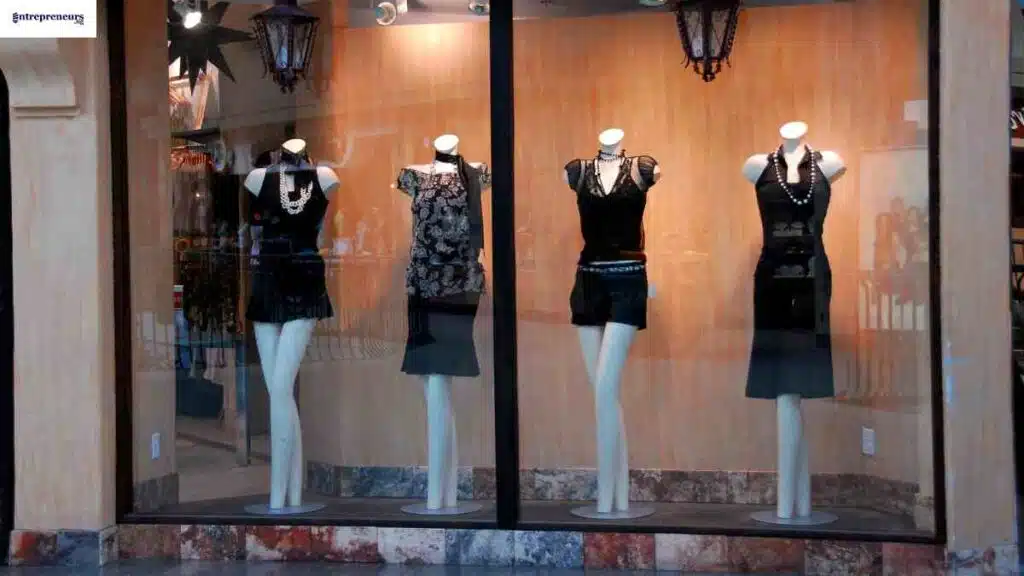
Starting an online boutique has become one of the most accessible ways to build a fashion business today.
With global fashion e-commerce expected to surpass $1.17 trillion in 2026, more consumers are shopping for clothing online than ever before.
But learning how to start an online boutique successfully takes more than choosing trendy products and posting on Instagram.
In this guide, you will learn how to start a clothing boutique online and attract customers.
Key Takeaways
- Choose a profitable niche and build a strong brand before launching your online boutique.
- Create a clear boutique business plan that covers suppliers, pricing, marketing, and startup costs.
- Use the right e-commerce platform, high-quality visuals, and social media marketing to attract customers.
- Focus on customer experience, retention, and smart scaling to grow a profitable online boutique business.

What Is an Online Boutique?
An online boutique is a digital fashion store that sells clothing, accessories, shoes, beauty products, or lifestyle items through the internet instead of a physical shop.
Unlike large e-commerce retailers, an online boutique usually focuses on a specific niche, style, or target audience, offering curated products and a more personalised shopping experience.
Today, online boutiques operate through e-commerce websites, social media platforms, and mobile apps, making it easier for entrepreneurs to reach customers worldwide.
How To Start an Online Boutique Step-by-Step
Starting an online boutique can be one of the most rewarding ways to turn your passion for fashion into a profitable business.
However, success in the online fashion industry requires more than choosing trendy products and launching a website.
You need a clear niche, a strong brand identity, reliable suppliers, smart marketing, and a customer experience that keeps shoppers coming back.
Step 1: Choose a Profitable Niche for Your Online Boutique
The success of your online boutique starts with choosing the right niche. Many new boutique owners make the mistake of selling everything to everyone.
In reality, customers are more likely to buy from brands that focus on a clear style, audience, or lifestyle.
Your niche shapes your branding, products, marketing strategy, pricing, and customer experience. It also helps your boutique stand out in a crowded e-commerce market.
Here are some popular online boutique niches:
| Niche | Target Audience |
|---|---|
| Sustainable fashion | Eco-conscious shoppers |
| Streetwear | Gen Z and trend-focused buyers |
| Plus-size fashion | Inclusive fashion consumers |
| Athleisure | Fitness and lifestyle shoppers |
| Modest fashion | Customers seeking conservative styles |
| Vintage clothing | Retro and thrift fashion lovers |
Before choosing a niche, research what people are actively buying online. Use tools like Google Trends, TikTok, Pinterest, and Instagram to spot rising fashion trends and customer interests.
You should also study competing boutiques to identify market gaps. Look at their product range, pricing, branding style, customer reviews, and social media engagement.
A good niche should have strong customer demand, room for differentiation, and long-term growth potential.
Instead of chasing every trend, focus on building a boutique brand that solves a specific need or reflects a distinct lifestyle.
Step 2: Define Your Boutique Brand Identity
Your brand identity is what makes your online boutique memorable. In the fashion industry, customers often buy into the brand as much as the product itself.
A strong identity helps you attract the right audience and build trust from the beginning.
Start by defining your ideal customer. Think about their age, lifestyle, fashion preferences, shopping habits, and budget. This will guide your product selection, website design, and marketing content.
Next, create a brand personality that matches your niche. Your boutique could feel:
- minimal and elegant,
- bold and trendy,
- luxury and exclusive,
- or relaxed and casual.
Your boutique name should be simple, easy to remember, and available as a domain name and social media handle. Avoid names that are too generic or difficult to spell.
You should also choose brand colours, fonts, logo style, and visual themes that stay consistent across your website and social platforms.
| Branding Element | Purpose |
|---|---|
| Boutique name | Builds recognition |
| Logo | Creates visual identity |
| Brand colours | Shapes customer perception |
| Typography | Improves brand consistency |
| Brand voice | Defines communication style |
A clear brand identity makes your online boutique look professional and helps customers recognise your business across different channels.

Step 3: Create a Boutique Business Plan
A boutique business plan gives your online boutique direction and helps you make smarter financial and marketing decisions.
You do not need a complicated document, but you should clearly define how your business will operate and grow.
Start by outlining your business model. Some boutique owners keep inventory at home, while others use dropshipping or print-on-demand services to reduce upfront costs.
| Business Model | How It Works |
|---|---|
| Inventory-based | Buy and store products before selling |
| Dropshipping | Supplier ships products directly to customers |
| Print-on-demand | Products are created after orders are placed |
| Hybrid model | Combines inventory and dropshipping |
You should also estimate your startup costs early. Common expenses include:
- website setup,
- branding,
- product sourcing,
- packaging,
- photography,
- marketing,
- and shipping tools.
Pricing is another important part of your plan. Your prices should cover product costs, shipping fees, platform charges, advertising expenses, and profit margins.
Many successful online boutiques aim for healthy markups while still staying competitive within their niche.
Your business plan should also include:
- sales goals,
- marketing strategy,
- supplier details,
- and customer acquisition plans.
A clear plan helps you stay organised and avoid unnecessary spending as your online boutique grows.
Step 4: Register Your Business and Handle Legal Requirements
Before launching your online boutique, make sure your business is legally set up. This protects your brand, builds customer trust, and helps you avoid problems as your business grows.
Start by choosing a business structure that fits your goals.
| Business Structure | Best For |
|---|---|
| Sole proprietorship | Small beginner-run boutiques |
| Limited liability company (LLC) | Personal liability protection |
| Partnership | Businesses with co-founders |
| Corporation | Large-scale fashion brands |
You should also register your business name and secure your website domain and social media handles early. This helps protect your brand identity online.
Depending on your location, you may need:
- a business licence,
- tax registration,
- resale permits,
- or VAT registration.
If you plan to build a long-term fashion brand, consider trademarking your boutique name and logo to prevent others from copying your identity.
Your online boutique should also have essential legal pages on the website, including privacy policy, return policy, shipping policy, and terms and conditions.
| Legal Requirement | Purpose |
|---|---|
| Business registration | Makes the business official |
| Tax registration | Enables legal tax collection |
| Trademark | Protects brand identity |
| Privacy policy | Protects customer data |
| Return policy | Builds customer confidence |
Taking care of these legal steps early makes your online boutique look more professional and prepares your business for long-term growth.
Step 5: Source Products for Your Online Boutique
The products you sell will shape the quality, reputation, and profitability of your online boutique.
Choosing reliable suppliers is important because poor product quality and delayed deliveries can quickly damage customer trust.
There are several ways to source products for an online boutique.
| Sourcing Method | Description |
|---|---|
| Wholesale suppliers | Buy products in bulk at lower prices |
| Manufacturers | Create custom or private-label products |
| Dropshipping suppliers | Ship products directly to customers |
| Print-on-demand | Produce custom items after purchase |
When choosing suppliers, focus on product quality, pricing, shipping speed, communication, and return policies.
Always order samples before selling products online. This helps you inspect the fabric quality, packaging, sizing accuracy, and overall customer experience.
You should also compare multiple suppliers before making long-term decisions.
| What To Check | Key Benefits |
|---|---|
| Product quality | Affects customer satisfaction |
| Shipping timelines | Impacts delivery experience |
| Minimum order quantity | Influences startup costs |
| Supplier communication | Helps resolve issues quickly |
| Return policies | Protects your business |
Many successful online boutique owners start with a small product range instead of buying large amounts of inventory.
This reduces risk and helps you test which products customers actually want.
As your boutique grows, you can expand your collection based on customer demand and sales data.

Step 6: Build Your Online Boutique Website
Your website is the digital storefront of your online boutique. It should look professional, load quickly, and make shopping easy on both mobile and desktop devices.
Start by choosing an e-commerce platform that fits your budget, technical skills, and business goals.
| Platform | Best For |
|---|---|
| Shopify | Beginners and fast setup |
| WooCommerce | Flexible WordPress stores |
| Wix | Simple boutique websites |
| BigCommerce | Growing ecommerce brands |
Your website should include essential pages that improve customer trust and make shopping easier.
| Essential Page | Purpose |
|---|---|
| Homepage | Introduces your brand |
| Shop page | Displays products clearly |
| About page | Builds brand connection |
| Contact page | Improves customer support |
| FAQ page | Answers common questions |
| Shipping and returns | Reduces customer uncertainty |
Product photography is one of the most important parts of an online boutique. Clear and attractive images help customers understand the quality and style of your products.
Use high-quality lighting, multiple product angles, close-up details, and lifestyle images where possible.
Your product descriptions should also go beyond basic features. Focus on fabric details, fit, styling suggestions, and sizing information.
A simple, mobile-friendly website with clear navigation and fast checkout can improve customer experience and increase conversions for your online boutique.
Step 7: Set Up Payments, Shipping, and Store Operations
A smooth shopping experience is important for building trust and increasing sales in your online boutique.
Customers expect secure payments, fast shipping, and clear communication throughout the buying process.
Start by setting up reliable payment options on your website.
| Payment Option | Purpose |
|---|---|
| Credit and debit cards | Standard online payments |
| PayPal | Trusted global payment method |
| Digital wallets | Faster mobile checkout |
| Buy now, pay later | Flexible payment option |
Your shipping strategy should also be simple and transparent. Customers are more likely to complete purchases when shipping costs and delivery times are clear.
You can choose:
- flat-rate shipping,
- free shipping,
- local delivery,
- or international shipping.
Packaging also plays a major role in customer experience. Branded packaging can make your online boutique feel more professional and memorable.
| Operational Area | What To Focus On |
|---|---|
| Shipping | Fast and reliable delivery |
| Packaging | Professional presentation |
| Order tracking | Customer transparency |
| Returns process | Easy customer support |
| Inventory management | Prevent overselling |
As your business grows, inventory management becomes more important. Use e-commerce tools to track:
- stock levels,
- customer orders,
- returns,
- and best-selling products.
Efficient operations help your online boutique run smoothly and improve customer satisfaction over time.
See Also: Virtual Fitting Rooms for Fashion Retailers – A Complete Guide
Step 8: Create a Marketing Strategy for Your Online Boutique
Marketing is what brings customers to your online boutique and turns visitors into buyers. Even the best products may struggle to sell without a strong marketing strategy.
Social media is one of the most effective ways to grow a fashion brand online.
Platforms like Instagram, TikTok, and Pinterest help boutiques showcase products visually and connect directly with shoppers.
| Platform | Best Use |
|---|---|
| Product promotion and brand building | |
| TikTok | Trend-based video marketing |
| Fashion inspiration and website traffic | |
| Ads and community building |
Content should focus on styling ideas, behind-the-scenes videos, customer reviews, product launches, and fashion tips.
Email marketing is also important for long-term growth. Building an email list allows you to promote new arrivals, discounts, restocks, and seasonal campaigns directly to customers.
Influencer marketing can help your online boutique reach new audiences faster. Many smaller fashion brands grow by partnering with micro-influencers who already have loyal communities.
| Marketing Channel | Main Benefit |
|---|---|
| Social media | Brand visibility |
| Email marketing | Customer retention |
| Influencer marketing | Audience trust |
| SEO | Long-term website traffic |
| Paid ads | Faster customer acquisition |
Search engine optimisation (SEO) can also help your boutique rank on Google for searches related to your products and niche.
This brings consistent organic traffic to your website over time.
A balanced marketing strategy helps your online boutique attract customers, build trust, and increase repeat sales.
Step 9: Launch Your Online Boutique
Launching your online boutique is more than simply making your website live.
A successful launch creates excitement, attracts attention, and gives potential customers a reason to shop immediately.
Before launch day, test every part of your website to make sure the shopping experience works properly. Check:
- product pages,
- payment systems,
- mobile responsiveness,
- shipping settings,
- and email notifications.
You should also start promoting your boutique before the official launch date. Building anticipation can help you attract your first customers faster.
| Pre-Launch Activity | Purpose |
|---|---|
| Social media teasers | Build curiosity |
| Email signups | Grow an audience early |
| Countdown campaigns | Create urgency |
| Influencer previews | Increase visibility |
| Giveaway campaigns | Boost engagement |
On launch day, focus on driving traffic to your website through:
- social media posts,
- email campaigns,
- influencer collaborations,
- and paid ads if your budget allows.
Offering limited-time discounts or exclusive launch offers can encourage customers to place their first orders quickly.
| Launch Priority | Goal |
|---|---|
| Website performance | Smooth customer experience |
| Customer support | Quick response to enquiries |
| Social engagement | Increase visibility |
| Order fulfilment | Fast and accurate delivery |
| Reviews and feedback | Build credibility |
After launch, monitor your website traffic, sales, and customer behaviour closely. This helps you understand what products perform best and where improvements are needed.
A strong launch can help your online boutique gain momentum early and create the foundation for long-term growth.
Step 10: Scale and Grow Your Online Boutique
Once your online boutique starts generating steady sales, the next step is growth.
Scaling your business requires improving customer retention, expanding your product range, and building systems that support long-term success.
One of the best ways to grow is by increasing repeat purchases from existing customers. Loyal customers often spend more and are easier to market to than new buyers.
You can improve customer retention through email campaigns, loyalty programmes, personalised offers, and excellent customer service.
| Growth Strategy | Benefit |
|---|---|
| Email marketing | Encourages repeat sales |
| Loyalty programmes | Increases customer retention |
| Upselling | Raises average order value |
| Product expansion | Attracts wider audiences |
| Automation tools | Saves time and improves efficiency |
As your boutique grows, you may decide to:
- add new product categories,
- launch seasonal collections,
- hire support staff,
- or outsource fulfilment and customer service.
Automation tools can also help manage daily operations more efficiently. Many ecommerce businesses use tools for:
- inventory tracking,
- abandoned cart recovery,
- customer support,
- and email automation.
| Area To Scale | Example |
|---|---|
| Marketing | Paid ads and influencer partnerships |
| Operations | Fulfilment and inventory systems |
| Customer support | Live chat and automated responses |
| Product range | Accessories, shoes, or beauty items |
Growth should be gradual and based on customer demand, not just trends. Expanding too quickly without proper systems can create operational and financial problems.
A successful online boutique focuses on building a loyal customer base, maintaining strong branding, and improving the shopping experience as the business grows.
How Much Does It Cost To Start an Online Boutique?
The cost of starting an online boutique depends on your business model, product type, location, and launch strategy.
A small boutique using dropshipping or print-on-demand can start with a lean budget, while an inventory-based boutique will need more money upfront.
In general, you can start an online boutique with a few hundred dollars if you keep things simple.
However, a more professional launch may require a few thousand dollars to cover branding, website setup, inventory, packaging, photography, and marketing.
| Expense | Low-Budget Estimate | Professional Launch Estimate |
|---|---|---|
| Business registration | $50–$500 | $300–$1,000 |
| Domain name | $10–$30 | $10–$50 |
| Ecommerce platform | $25–$50/month | $50–$300/month |
| Website theme/design | $0–$200 | $300–$2,000 |
| Branding and logo | $0–$150 | $300–$1,500 |
| Initial inventory | $0–$1,000 | $2,000–$10,000 |
| Product photography | $0–$300 | $500–$2,000 |
| Packaging materials | $50–$300 | $300–$1,500 |
| Marketing and ads | $100–$500 | $1,000–$5,000 |
| Apps and tools | $0–$100/month | $100–$500/month |
A dropshipping boutique has lower startup costs because you do not buy inventory before customers place orders.
This makes it easier to test products, but profit margins may be lower, and shipping times can be harder to control.
An inventory-based boutique costs more to launch because you buy products upfront. However, it gives you more control over product quality, packaging, delivery speed, and customer experience.
A realistic starting budget may look like this:
| Launch Type | Estimated Budget | Best For |
|---|---|---|
| Lean launch | $300–$1,000 | Testing a niche with dropshipping or print-on-demand |
| Small professional launch | $1,500–$5,000 | Starting with limited inventory and basic branding |
| Full boutique launch | $5,000–$15,000+ | Building a polished brand with inventory, ads, and custom design |
You should also keep money aside for operating costs after launch.
Many new boutique owners spend all their money on products and forget about marketing, shipping supplies, software, returns, and slow sales periods.
A safer approach is to start with a small product collection, test customer demand, and reinvest profits into more inventory and marketing.
This reduces risk and helps you understand what your audience actually wants before scaling.

Is an Online Boutique Profitable?
Yes, an online boutique can be highly profitable when it combines strong branding, the right products, effective marketing, and good customer retention.
Many successful boutique owners start small and grow into full ecommerce brands by focusing on a specific audience and controlling their operating costs.
One reason online boutiques are attractive is because they usually have lower overhead costs than physical retail stores.
You do not need to pay for shop rent, large staff teams, or expensive store maintenance. This allows many online boutiques to operate with healthier profit margins.
Profitability depends on factors such as:
- product pricing,
- supplier costs,
- marketing expenses,
- shipping fees,
- customer acquisition costs.
| Factor | Impact on Profitability |
|---|---|
| Product markup | Determines gross profit |
| Shipping costs | Affects final margins |
| Advertising spend | Influences customer acquisition cost |
| Repeat customers | Improves long-term revenue |
| Inventory management | Reduces wasted stock |
Most online boutiques use a pricing markup between 2x and 3x the product cost. For example:
| Product Cost | Selling Price | Gross Profit |
|---|---|---|
| $20 | $50 | $30 |
| $35 | $85 | $50 |
| $50 | $120 | $70 |
However, gross profit is not pure profit. Boutique owners still need to cover:
- website fees,
- payment processing charges,
- packaging,
- shipping,
- marketing,
- and operational expenses.
A small online boutique may generate profit margins of 10%–20% during the early stages, and 20%–40% as the business becomes more established and customer retention improves.
Online Boutique Profitability Breakdown
Here is a simple monthly profitability example for a small online boutique:
| Monthly Revenue | Estimated Amount |
|---|---|
| Total sales | $8,000 |
| Product costs | -$3,000 |
| Marketing and ads | -$1,500 |
| Shipping and packaging | -$700 |
| Website/apps/tools | -$300 |
| Miscellaneous expenses | -$500 |
| Estimated monthly profit | $2,000 |
As sales increase and repeat customers grow, profitability often improves because customer acquisition costs become lower over time.
Break-Even Period for an Online Boutique
The break-even period is the time it takes for your boutique to recover its startup costs and begin making consistent profit.
| Boutique Type | Estimated Break-Even Period |
|---|---|
| Dropshipping boutique | 3–6 months |
| Small inventory boutique | 6–12 months |
| Large branded boutique | 12–24 months |
Several factors affect how quickly you break even:
- your startup budget,
- marketing strategy,
- pricing,
- niche demand,
- and customer retention rate.
Boutiques with strong branding and consistent social media marketing often reach profitability faster than stores that rely only on paid ads.
One of the biggest advantages in the online boutique business is scalability. Once your systems, branding, and audience are established, you can increase revenue without increasing costs at the same rate.
This is why many successful online clothing boutiques become highly profitable over time.
Best Tools for Running an Online Boutique
Running an online boutique becomes easier when you use the right tools for ecommerce, marketing, design, and customer management.
These tools help improve efficiency, customer experience, and overall business growth.
| Tool Category | Recommended Tools | Main Purpose |
|---|---|---|
| Ecommerce platforms | Shopify, WooCommerce, BigCommerce | Build and manage your boutique website |
| Email marketing | Klaviyo, Mailchimp, ConvertKit | Send campaigns and automate emails |
| Design tools | Canva, Adobe Express | Create social media and marketing visuals |
| Product photography | Lightroom, Snapseed | Edit product images professionally |
| Inventory management | Stocky, Zoho Inventory | Track stock and manage orders |
| Social media scheduling | Later, Buffer, Hootsuite | Plan and automate content posting |
| SEO tools | Ahrefs, Semrush, Ubersuggest | Improve search engine rankings |
| Analytics tools | Google Analytics, Hotjar | Monitor traffic and customer behaviour |
| Customer support | Zendesk, Tidio | Manage enquiries and live chat |
| AI ecommerce tools | ChatGPT, Jasper | Create product descriptions and marketing content |
Start with tools that solve your immediate needs instead of paying for too many apps at once.
As your online boutique grows, you can gradually invest in more advanced tools and automation systems.
Common Mistakes To Avoid When Starting an Online Boutique
Many online boutiques fail not because the idea is bad, but because the business lacks planning, branding, or consistency.
Avoiding these common mistakes can save money, improve customer experience, and help your boutique grow faster.
| Common Mistake | Better Approach |
|---|---|
| Choosing a very broad niche | Focus on a specific audience or fashion style |
| Copying other boutiques | Build a unique brand identity and voice |
| Buying too much inventory early | Start with small collections and test demand |
| Ignoring product quality | Order samples and vet suppliers carefully |
| Using poor product photos | Invest in clean, professional images |
| Weak product descriptions | Write clear descriptions with sizing and styling details |
| Relying only on paid ads | Combine SEO, email marketing, and social media |
| Inconsistent posting on social media | Create a regular content and engagement plan |
| Pricing products too low | Price based on costs, value, and profit margins |
| Complicated website navigation | Keep the website simple and mobile-friendly |
| Ignoring customer service | Respond quickly and communicate clearly |
| Not building an email list | Collect emails from the beginning |
| Launching without a marketing plan | Build awareness before launch day |
| Neglecting branding | Create consistent visuals, colours, and messaging |
| Trying to scale too quickly | Grow gradually based on sales and customer demand |
One of the biggest mistakes new boutique owners make is focusing only on sales instead of building a long-term brand.
Customers are more likely to trust and buy from boutiques that feel authentic, consistent, and customer-focused.
A better approach is to start lean, learn from customer feedback, improve gradually, and reinvest profits into branding, marketing, and product quality.
Conclusion
Starting an online boutique takes more than a love for fashion. It requires clear planning, strong branding, reliable suppliers, smart marketing, and a customer-focused approach.
While the competition in e-commerce is growing, there is still plenty of opportunity for boutique brands that understand their audience and offer a unique shopping experience.
We want to see you succeed, and that’s why we provide valuable business resources to help you every step of the way.
- Join over 23,000 entrepreneurs by signing up for our newsletter and receiving valuable business insights.
- Register your business today with Entrepreneurs.ng’s Business Registration Services.
- Tell Your Brand Story on Entrepreneurs.ng, let’s showcase your brand to our global audience.
- Need help with your marketing strategy? Get a Comprehensive Marketing and Sales Plan here.
- Sign up for our Entrepreneurs Success Blueprint Programme to learn how to start and scale your business in just 30 days.
- Book our one-on-one consulting and speak to an expert about structuring and growing your business.
- Visit our shop for business plan templates and other valuable resources to guide you.
- Get our Employee-Employer Super Bundle NDA templates to legally protect your business and workforce.
- Advertise your business to over a million entrepreneurs through our different advertising packages.

Frequently Asked Questions (FAQs)
How do I start an online boutique with little money?
You can start with a low-budget business model like dropshipping or print-on-demand. This reduces upfront inventory costs and allows you to test products before investing heavily.
How much money do you need to start an online boutique?
A small online boutique can start with as little as $300 to $1,000, while a more professional launch may require $5,000 or more depending on inventory, branding, and marketing.
Is an online boutique profitable?
Yes, an online boutique can be profitable if you choose the right niche, price products correctly, manage expenses, and build a loyal customer base.
What is the best platform for an online boutique?
Shopify is one of the most popular platforms for beginners because it is easy to use and built specifically for ecommerce. WooCommerce is also a good option for those using WordPress.
Do I need inventory to start an online boutique?
No. You can use dropshipping or print-on-demand services to sell products without holding inventory yourself.
How do online boutiques get products?
Most online boutiques source products through wholesale suppliers, manufacturers, dropshipping companies, or print-on-demand platforms.
What products sell best in online boutiques?
Popular products include women’s fashion, athleisure, streetwear, jewellery, handbags, modest fashion, and sustainable clothing.
How do I choose a profitable boutique niche?
Research customer demand using Google Trends, social media trends, competitor analysis, and online shopping behaviour. Focus on a niche with strong interest and clear target customers.
Can I run an online boutique from home?
Yes. Many successful online boutique owners start from home using a laptop, ecommerce platform, and home-based inventory storage.
Do I need a business licence for an online boutique?
This depends on your country or region. Many locations require business registration, tax registration, or resale permits for ecommerce businesses.
How do I market my online boutique?
You can market your boutique through social media, SEO, influencer marketing, email campaigns, Pinterest, TikTok, and paid advertising.
How long does it take to make profit from an online boutique?
Some boutiques become profitable within a few months, while others may take six months to a year depending on marketing, niche demand, and operating costs.
What are the biggest challenges of running an online boutique?
Common challenges include attracting customers, managing inventory, handling returns, maintaining consistent branding, and standing out in a competitive market.
Should I use dropshipping or hold inventory?
Dropshipping lowers startup costs, while holding inventory gives you more control over product quality, packaging, and shipping speed. The best option depends on your budget and business goals.
How important is social media for an online boutique?
Social media is extremely important because fashion shoppers often discover brands through Instagram, TikTok, Pinterest, and influencer content.
How do I price products in an online boutique?
Your pricing should cover product costs, shipping, packaging, marketing expenses, platform fees, and profit margins while staying competitive within your niche.
Can I start an online boutique without fashion experience?
Yes. Many successful boutique owners learn through research, testing products, studying customer behaviour, and improving their business over time.
What makes an online boutique successful?
Successful online boutiques usually have a clear niche, strong branding, quality products, effective marketing, and excellent customer experience.


