Choosing the right e-commerce platform can make or break your online business, and while Shopify is a market leader, it is not the only option available. Today, many Shopify alternatives offer features and value that go beyond what Shopify provides.
According to DemandSage, Shopify powers over 4.8 million online stores globally, handling billions of transactions yearly. However, while Shopify is a solid choice, it is not perfect for everyone.
In this guide, we will explore the top 15 Shopify alternatives for scalable e-commerce, from beginner-friendly platforms to advanced systems for fast-growing brands.
Key Takeaways
- Shopify alternatives range from beginner tools like Wix and Weebly to advanced options such as Magento and SAP Commerce Cloud.
- Businesses look beyond Shopify for better pricing, scalability, and design flexibility.
- Free platforms like Ecwid, Zyro, and Sellfy let beginners start selling online with little or no upfront cost.
- Strong SEO, marketing tools, and multi-channel selling make the best Shopify alternatives ideal for scalable e-commerce growth.

Shopify

Shopify is a leading e-commerce platform that allows entrepreneurs and businesses to create, customise, and manage online stores with ease. It offers tools for website design, payment processing, inventory management, and marketing, all in one place.
Known for its user-friendly interface and extensive app marketplace, Shopify caters to both small businesses and large enterprises looking to sell products online efficiently.
However, its transaction fees, limited design flexibility, and scaling costs often lead users to explore alternative platforms.
Top 15 Shopify Alternatives for Scalable E-commerce
While Shopify is a popular choice for online stores, it is not the only option for growing businesses.
Here are 15 powerful alternatives that offer flexibility, scalability, and cost-effective solutions for building and expanding your e-commerce brand.
1. Wix
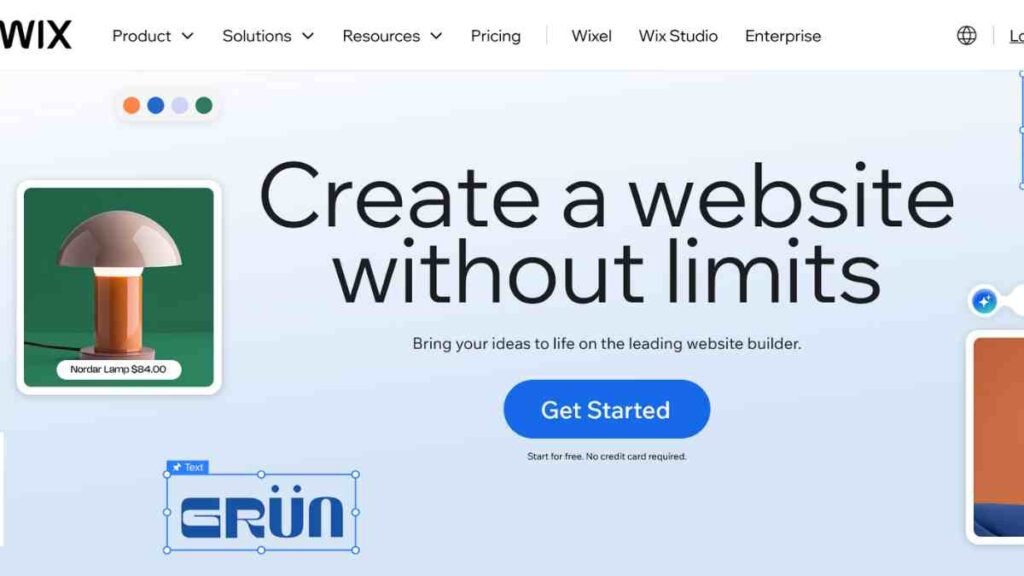
Wix is one of the most beginner-friendly Shopify alternatives, especially suited for those launching their first online store.
With its intuitive drag‐and‐drop editor and a large library of templates, it allows users to build a professional e-commerce site without coding knowledge.
Among the alternatives for Shopify, Wix stands out for simplicity, flexibility and affordability.
Pros
- Very easy to use with minimal technical knowledge required.
- A large selection of customisable templates and decent design flexibility.
- Built-in SEO and marketing tools to support beginners.
- No commissions charged by Wix on sales (only payment gateway fees apply).
Cons
- Not as optimised for very large product catalogues.
- Some advanced features or functions may require extra plugins or apps.
- Fewer native integrations for large-scale operations.
Pricing
- Free plan: $0/month
- Light plan: $17/month
- Core plan: $29/month
- Business plan: $39/month
- Business Elite plan: $159/month
Best-Suited Business Types
Small businesses, solo entrepreneurs or first-time store owners looking for free alternatives to Shopify where setup is straightforward and cost is low.
If you anticipate rapid growth, you may begin here but plan to migrate to a more scalable platform later.
See Also: Shopify vs WooCommerce vs Wix- Top E-commerce Platforms Compared
2. BigCommerce
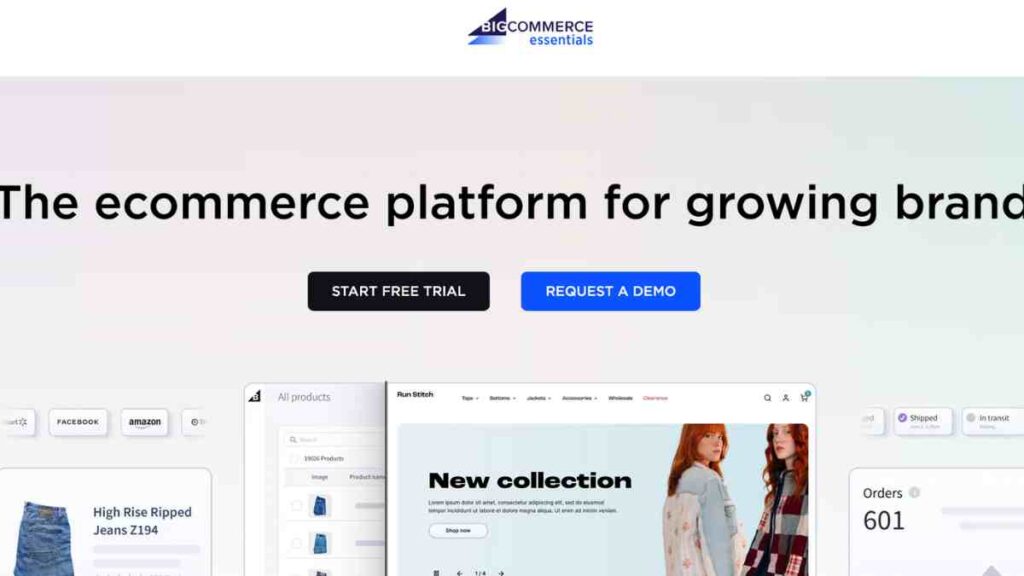
BigCommerce is a robust SaaS platform that rivals Shopify in functionality and scalability, making it one of the most powerful Shopify alternatives available today.
It is designed for growing and enterprise-level businesses that need advanced e-commerce tools without relying on dozens of third-party apps.
Unlike many alternatives for Shopify, BigCommerce includes SEO tools, multi-channel integrations, and no transaction fees across all plans, a major plus for scaling merchants.
Pros
- No transaction fees on any plan.
- Supports unlimited products, bandwidth, and staff accounts.
- Advanced SEO and marketing capabilities are built in.
- Integrates with Amazon, eBay, Google, and social channels.
Cons
- Limited number of free themes.
- Annual online sales thresholds for each plan.
- Slightly steeper learning curve for beginners.
Pricing
- Standard Plan: $39/month
- Plus Plan: $105/month
- Pro Plan: $399/month
- Enterprise Plan: Custom pricing based on requirements
Best-Suited Business Types
Small to large-scale businesses that need a platform built for growth and want better alternatives to Shopify without depending heavily on external plugins.
It is especially suitable for brands seeking the best Shopify alternatives for long-term scalability.
3. Squarespace
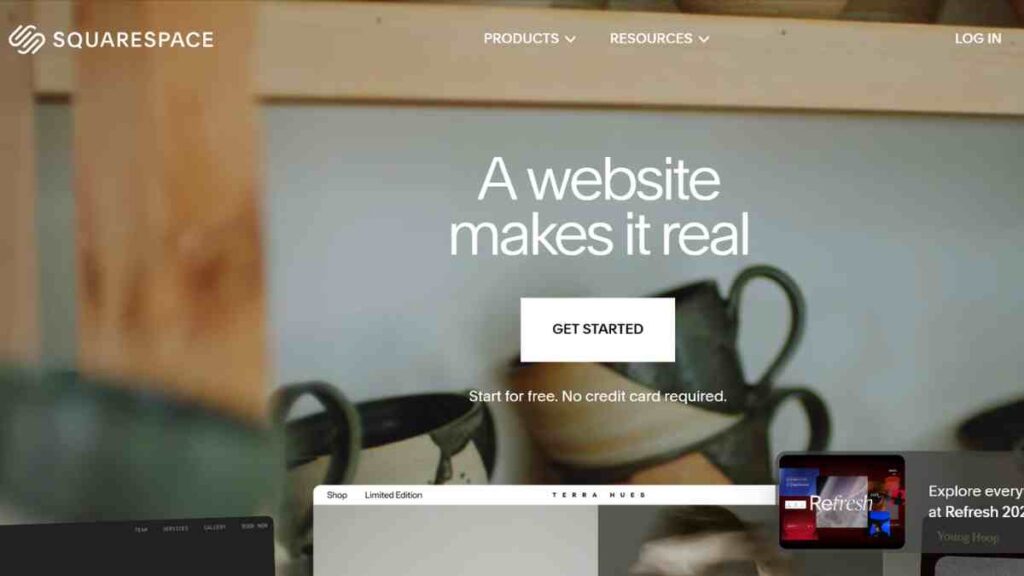
Squarespace is a sleek and design-focused platform that’s grown into one of the most visually appealing Shopify alternatives available.
Known for its beautiful templates and ease of use, it is particularly popular among creatives, boutique brands, and small business owners who value aesthetics as much as functionality.
It remains one of the best alternatives to Shopify for entrepreneurs who want to launch quickly with minimal technical complexity.
Pros
- Award-winning, responsive templates ideal for creatives.
- Built-in SEO tools and marketing features.
- Integrated email campaigns and analytics.
- Simple interface suitable for non-technical users.
Cons
- Limited third-party integrations.
- Transaction fees on lower plans.
- Not ideal for managing large catalogues or complex inventory.
Pricing
- Personal Plan: $16/month
- Business Plan: $23/month
- Basic Commerce Plan: $28/month
- Advanced Commerce Plan: $52/month
Best-Suited Business Types
Freelancers, artists, and small boutique store owners who want better alternatives to Shopify with a focus on visual design and simplicity.
It is also great for users in search of free alternatives to Shopify that still deliver a premium, elegant shopping experience.
See Also: Top 15 Print on Demand Companies to Build a Profitable Online Business
4. Magento
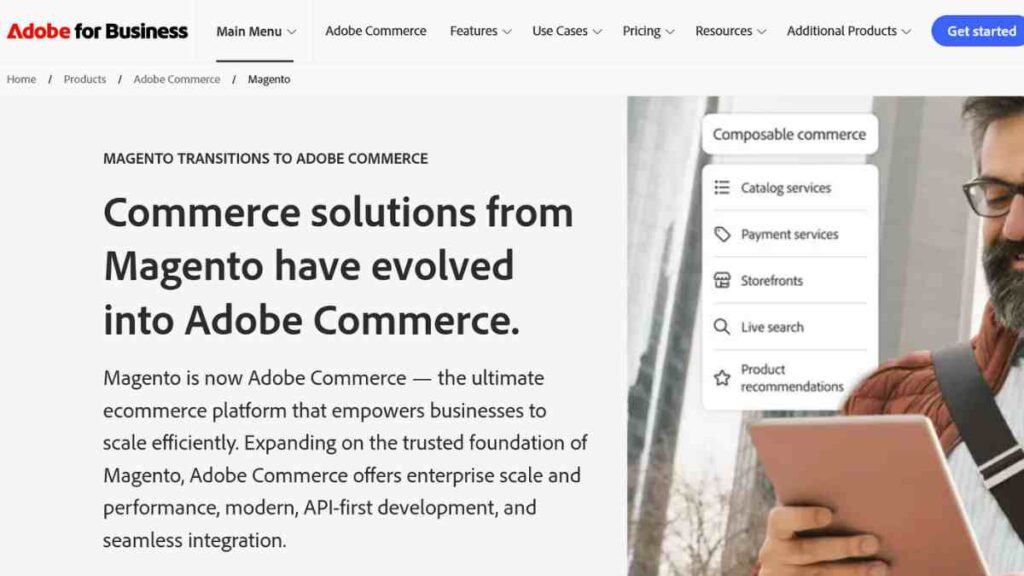
Magento, now owned by Adobe and officially branded as Adobe Commerce, is one of the most powerful alternatives to Shopify for large-scale enterprises.
It is a robust, open-source platform that offers advanced features for complex e-commerce operations, from multi-store management to AI-driven product recommendations.
Magento is well-known for its scalability, making it one of the best Shopify alternatives for scalable e-commerce and enterprise-level businesses.
Pros
- Supports multi-store and international operations.
- Excellent for SEO and performance optimisation.
- Massive developer community with regular updates.
- Advanced analytics and AI-driven tools with Adobe Commerce.
Cons
- Requires technical expertise or a development team.
- Hosting and maintenance can be costly.
- Setups and updates can be time-consuming.
Pricing
- Magento Open Source: Free
- Adobe Commerce: Starts at approximately $22,000/year (enterprise-level pricing)
- Adobe Commerce on Cloud: Starts at approximately $40,000/year
Best-Suited Business Types
Large enterprises, established brands, and e-commerce stores with high traffic and complex operations. It is one of the best Shopify alternatives in the USA for companies seeking deep customisation and scalability on a global level.
5. Shift4Shop

Shift4Shop, formerly known as 3dcart, is a reliable and feature-rich e-commerce platform that ranks among the most versatile Shopify alternatives today.
It offers built-in marketing tools, SEO capabilities, and advanced order management, making it a solid choice for both new and established sellers.
One of its biggest advantages is that it provides a free plan with full functionality for businesses using its payment processor, making it one of the top free alternatives to Shopify available today.
Pros
- Free end-to-end plan when using Shift4 payments (in the U.S.).
- Built-in blog, CRM, and email tools.
- Supports digital and physical products.
- Advanced SEO and marketing integrations.
Cons
- Interface feels slightly outdated compared to competitors.
- Limited free themes.
- Fewer third-party integrations than Shopify.
Pricing
- End-to-End Free Plan: $0/month
- Enterprise Grade: $41/month
- Standard: $229/month
- Enterprise: $2,000/month
Best-Suited Business Types
Small and medium-sized businesses that are in search of better alternatives to Shopify that are affordable, functional, and scalable. Particularly ideal for merchants wanting the best Shopify alternatives with zero transaction fees.

6. SAP Commerce Cloud
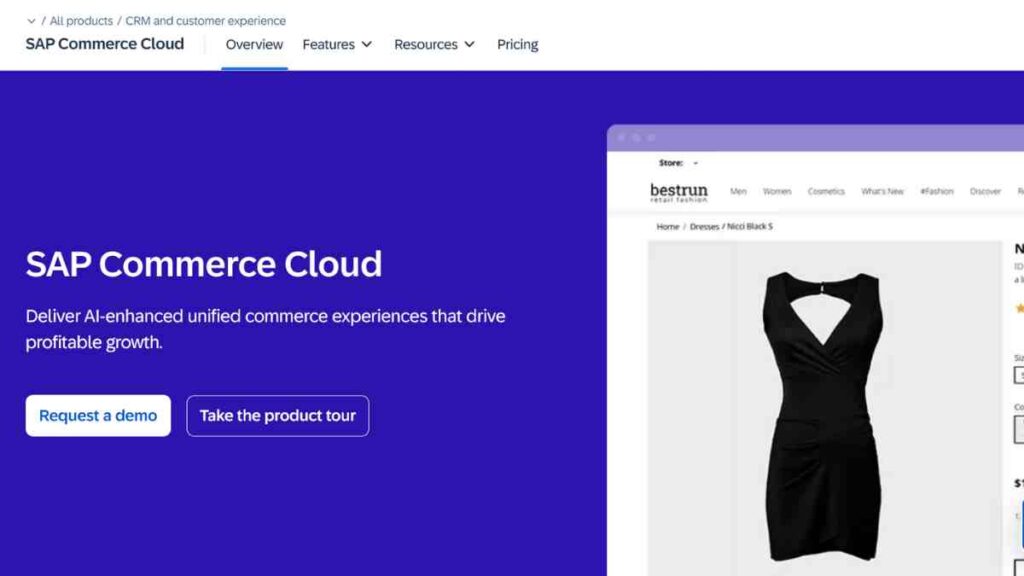
SAP Commerce Cloud is one of the most advanced enterprise-level Shopify alternatives, built for global brands and large-scale retailers that need deep integration, personalisation, and automation across all sales channels.
Unlike many Shopify alternatives, SAP Commerce Cloud focuses on omnichannel selling, enabling businesses to manage online, mobile, and in-store experiences from a single platform.
Pros
- Enterprise-grade scalability and reliability.
- Strong integration with SAP’s ERP and CRM systems.
- Powerful personalisation and customer data management.
- Supports B2B, B2C, and multi-channel commerce.
Cons
- Very high cost compared to other platforms.
- Complex setup requiring expert developers.
- Best suited for enterprises rather than small businesses.
Pricing
- Custom enterprise pricing (typically starts from $5,000/month or more, depending on scope and scale).
Best-Suited Business Types
Large corporations, multinational retailers, and enterprise organisations that are looking for better alternatives to Shopify that can integrate seamlessly with existing business systems.
SAP Commerce Cloud is one of the best Shopify alternatives for data-driven, high-volume e-commerce operations.
7. Ecwid by Lightspeed
Ecwid by Lightspeed is one of the most seamless alternatives to Shopify for users who already have a website but want to add e-commerce functionality quickly.
It integrates smoothly with existing sites built on platforms like WordPress, Wix, or Weebly, and even works well with social media stores.
As one of the best Shopify alternatives for scalable e-commerce, Ecwid offers an easy entry point for beginners and scalability for growing brands.
Pros
- Can integrate easily with existing websites.
- Supports multi-channel selling (Facebook, Instagram, TikTok, etc.).
- Strong inventory and tax management tools.
- User-friendly dashboard with mobile app access.
Cons
- Limited customisation compared to full-store platforms.
- Some advanced features require paid plans.
- Transaction fees depend on the payment provider.
Pricing
- Free Plan: $0/month (basic features)
- Venture: $19/month
- Business: $39/month
- Unlimited: $99/month
Best-Suited Business Types
Small retailers and freelancers who want free alternatives to Shopify or need to add e-commerce to an existing site. It is also one of the best Shopify alternatives for scalable e-commerce for businesses that grow across multiple channels without managing a separate store platform.
8. Zyro
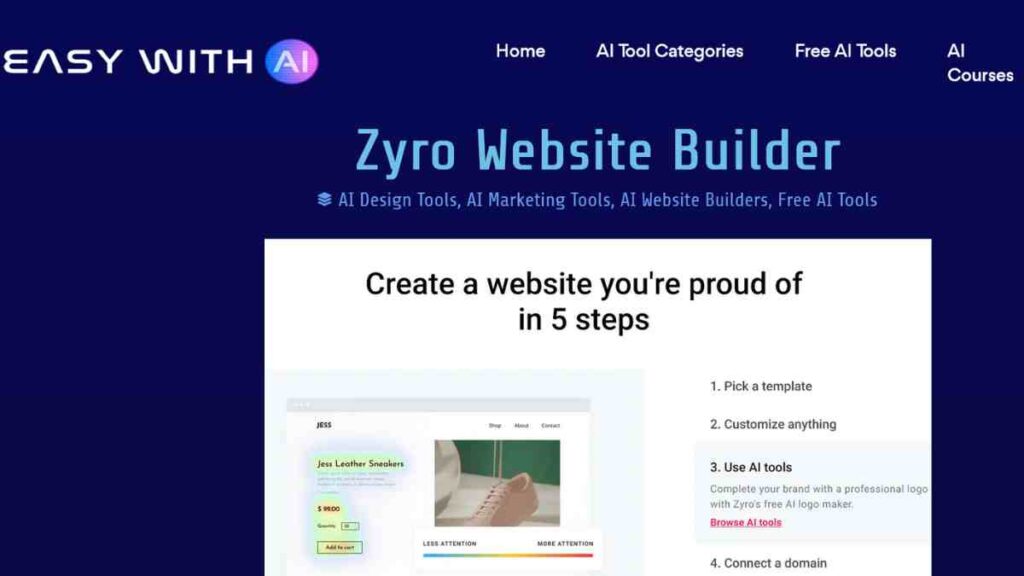
Zyro, now part of Hostinger, has quickly become one of the fastest-growing Shopify alternatives for new online sellers. It is known for its clean interface, built-in AI tools, such as an AI writer and heatmap, and powerful e-commerce functionality.
Compared to other alternatives for Shopify, Zyro stands out for affordability and simplicity, offering a streamlined way for beginners to start selling online in minutes.
Pros
- AI-powered tools for content, image, and design suggestions.
- Fast website loading speeds through Hostinger hosting.
- Simple drag-and-drop builder.
- Multi-channel selling and inventory tracking.
Cons
- Limited advanced features compared to Shopify.
- Smaller app marketplace.
- Not ideal for very large catalogues.
Pricing
- Website Plan: $2.61/month
- Business Plan (for e-commerce): $4.41/month
- Online Store: $8.01/month
- Advanced Store: $15.99/month
Best-Suited Business Types
Entrepreneurs, small business owners, and beginners seeking free alternatives to Shopify or cost-effective plans to test their products online.
Zyro is one of the best Shopify alternatives for scalable e-commerce for those who prioritise affordability and speed over technical depth.
9. PrestaShop
PrestaShop is an open-source e-commerce platform that gives you full control over your store’s design, features, and performance. It is one of the most customisable alternatives to Shopify, trusted by over 300,000 stores worldwide.
While it requires more technical knowledge than cloud-based builders, PrestaShop’s flexibility and scalability make it a strong option for growing brands and developers seeking total control.
Pros
- Thousands of modules and themes available.
- Excellent for multi-language and multi-currency stores.
- Great for SEO and site performance.
- Large open-source community for support.
Cons
- Requires hosting and manual setup.
- Limited customer support (unless you purchase add-ons).
- It can get expensive with paid extensions.
Pricing
- Core Software: Free
- Hosting: $5–$25/month (depending on provider)
- Premium Add-ons: Optional, starting at $30 each
Best-Suited Business Types
Developers, tech-savvy entrepreneurs, and businesses that want better alternatives to Shopify with full autonomy and flexibility.
It is one of the best Shopify alternatives for scalable e-commerce when you want to control every detail of your online store’s performance and experience.
10. Weebly
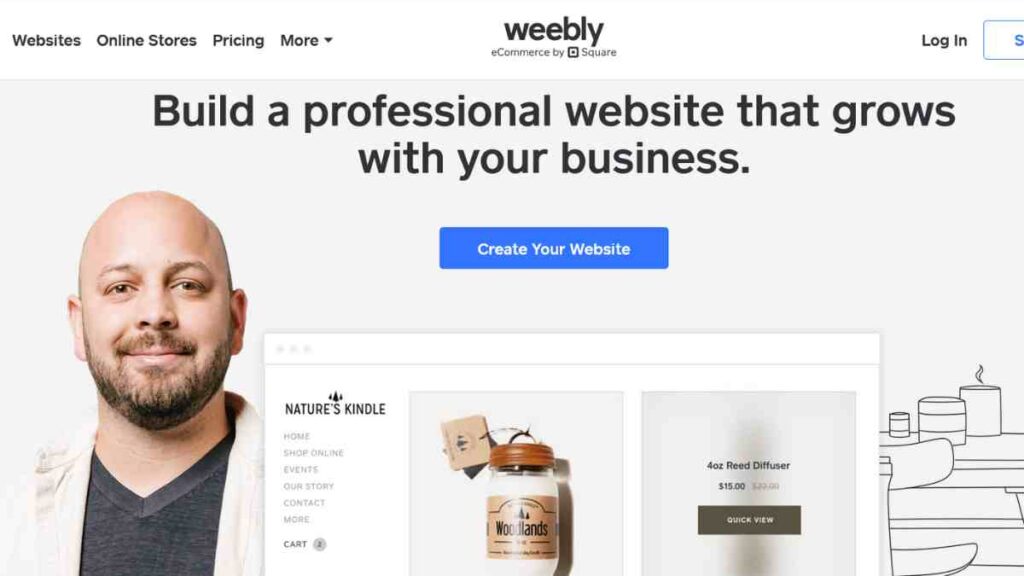
Weebly, powered by Square, is a simple yet effective website builder and one of the more affordable Shopify alternatives for small businesses. It integrates seamlessly with Square’s payment processing system, making it perfect for those selling both online and in-person.
While it does not offer as much customisation as Shopify, its simplicity makes it ideal for startups and local shops moving into digital sales.
Pros
- Extremely beginner-friendly interface.
- Built-in inventory management and payment integration via Square.
- Responsive templates optimised for mobile.
- No technical expertise required.
Cons
- Limited scalability for large stores.
- Customisation and integrations are basic.
- Transaction fees apply to free and lower-tier plans.
Pricing
- Free Plan: $0/month
- Personal: $13/month
- Professional: $16/month
- Performance: $29/month
Best-Suited Business Types
Startups, artisans, and small retailers looking for free alternatives to Shopify that are quick to set up and easy to manage.

11. Volusion
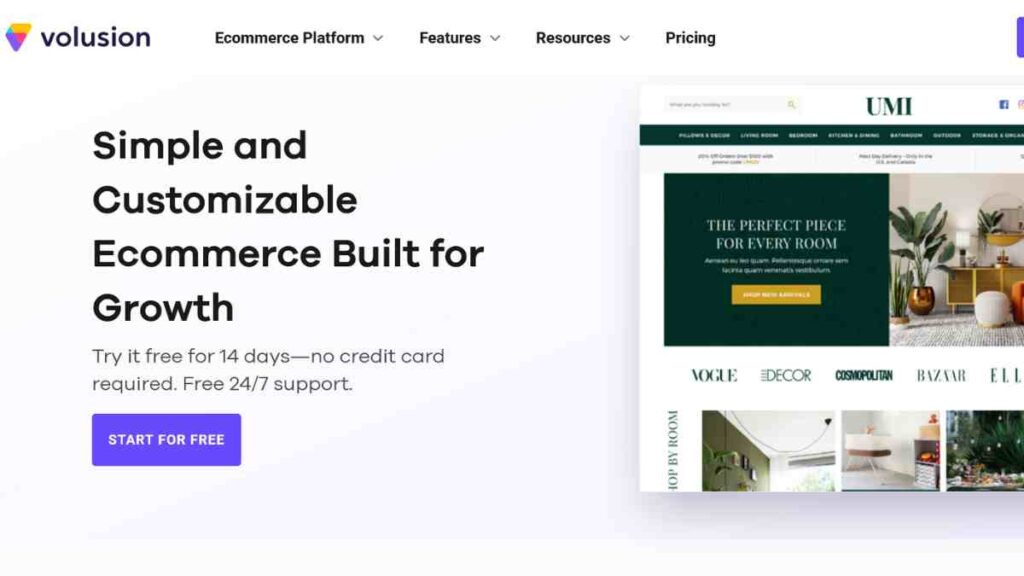
Volusion is one of the earliest Shopify alternatives, offering an all-in-one e-commerce platform focused on data-driven selling. It combines a simple store builder with built-in analytics, making it ideal for entrepreneurs who want insight into their sales performance.
Though it is not as flashy as newer alternatives to Shopify, Volusion remains a trusted platform for merchants who value simplicity, reporting, and scalability.
Pros
- In-depth analytics and performance tracking tools.
- Drag-and-drop website builder.
- Responsive themes optimised for mobile.
- Built-in SEO, marketing, and CRM tools.
Cons
- Limited free themes and design flexibility.
- Does not support digital products.
- Some features feel dated compared to modern platforms.
Pricing
- Premium: $100/month
- Startup: $161/month
- Business: $269/month
Best-Suited Business Types
Small and medium-sized businesses that want better alternatives to Shopify that prioritise analytics and sales insights. Volusion is one of the best for data-focused sellers aiming to understand customer trends and optimise growth.
12. Sellfy
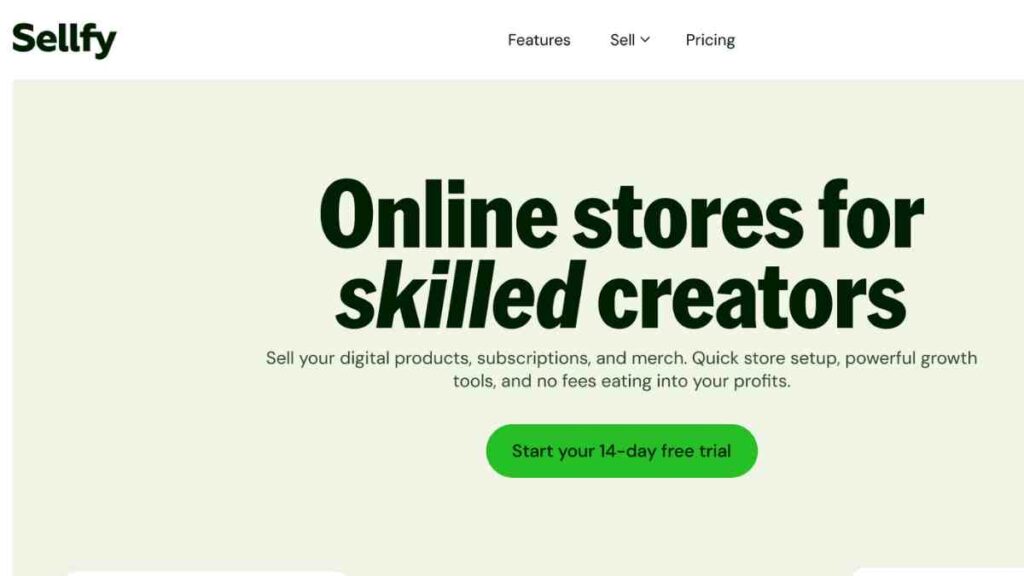
Sellfy is one of the most straightforward alternatives for Shopify, tailored for creators and digital entrepreneurs who sell physical goods, digital products, or subscriptions.
It is quick to set up, requires no coding, and offers built-in marketing tools, making it a go-to choice for artists, YouTubers, and online educators. Unlike some alternatives to Shopify, Sellfy gives you instant access to key features even on its lower-tier plans.
Pros
- Easy setup; store ready within minutes.
- Supports digital products, physical goods, and print-on-demand.
- Built-in email marketing and upselling tools.
- No need for external hosting or plugins.
Cons
- Limited design flexibility.
- Custom domain only on paid plans.
- Transaction fees apply to some payment processors.
Pricing
- Starter: $19/month
- Business: $49/month
- Premium: $99/month
Best-Suited Business Types
Content creators, online coaches, and small sellers searching for alternatives to Shopify that support both digital and physical products. Sellfy is among the best Shopify alternatives for scalable e-commerce for creatives growing their personal brands.
13. ShopWired
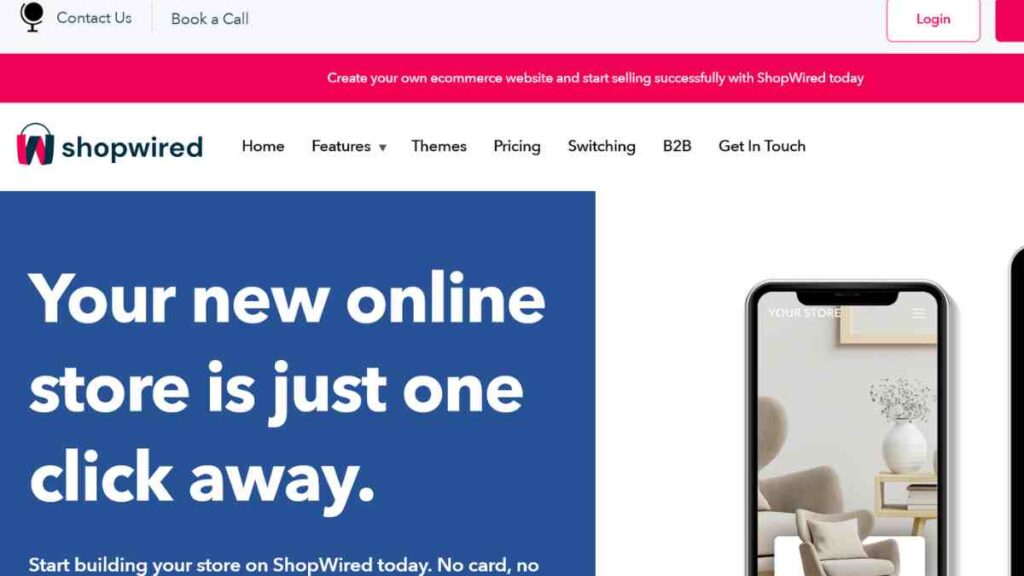
ShopWired is one of the leading Shopify alternatives, designed for businesses that value performance, security, and excellent customer support.
It offers a smooth and intuitive store-building experience and includes powerful SEO tools, advanced analytics, and integrations with major marketplaces.
For merchants looking for better alternatives to Shopify, ShopWired combines simplicity with enterprise-grade scalability.
Pros
- Free migration from Shopify.
- No transaction fees.
- Supports B2B and wholesale selling.
- Excellent site speed and SEO performance.
Cons
- Slightly fewer third-party app integrations than Shopify.
- Pricing can be higher for smaller sellers.
- Not ideal for very large catalogues.
Pricing Structure
- Pro: $29.95/month
- Advanced: $59.95/month
- Premium: $119.95/month
- Enterprise: $249.95/month
Best-Suited Business Types
Mid-sized to large-scale businesses looking for the best Shopify alternatives with strong SEO, local support, and high scalability. ShopWired is one of the best alternatives to Shopify for merchants who value speed and stability.
14. OpenCart
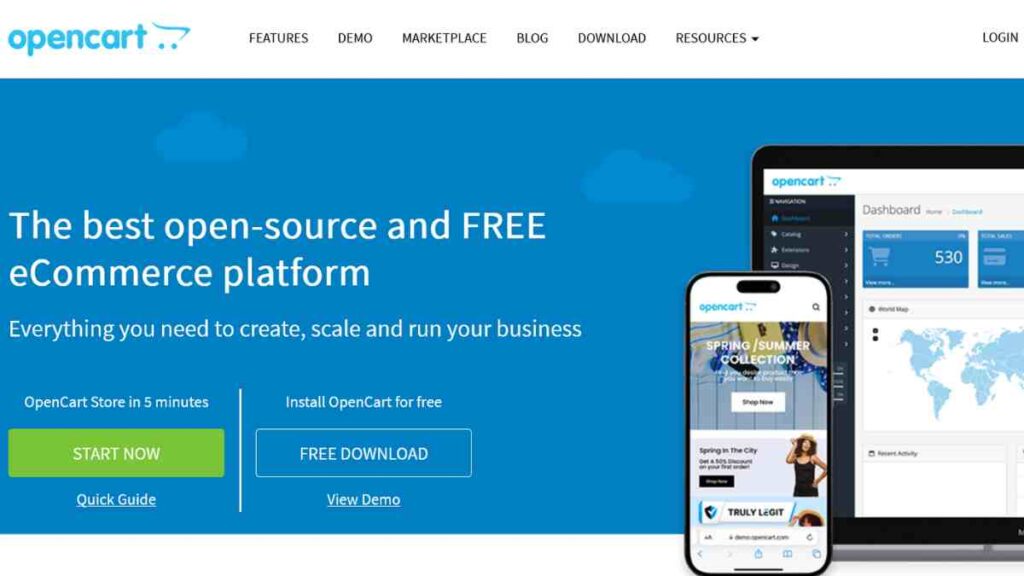
OpenCart is a fully open-source e-commerce platform and one of the most flexible alternatives to Shopify for tech-savvy entrepreneurs. It gives you complete control over your website’s design, hosting, and functionality.
For developers and small businesses seeking the best Shopify alternatives for scalable e-commerce, OpenCart provides freedom to customise every aspect of the store.
Pros
- Supports multiple stores, languages, and currencies.
- Thousands of extensions and themes are available.
- Strong developer community.
- Excellent scalability when configured properly.
Cons
- Requires technical setup and hosting.
- No dedicated customer support.
- It can become complex for beginners.
Pricing
- Core Software: Free
- Hosting: $10-$50/month
- Themes: $30-150/month
- Premium Extensions: Varies
Best-Suited Business Types
Tech-savvy entrepreneurs and developers seeking better alternatives to Shopify that are cheap, customisable, and open-ended. OpenCart stands out as one of the best Shopify alternatives for scalable e-commerce for users who want total control over performance and design.
15. WooCommerce
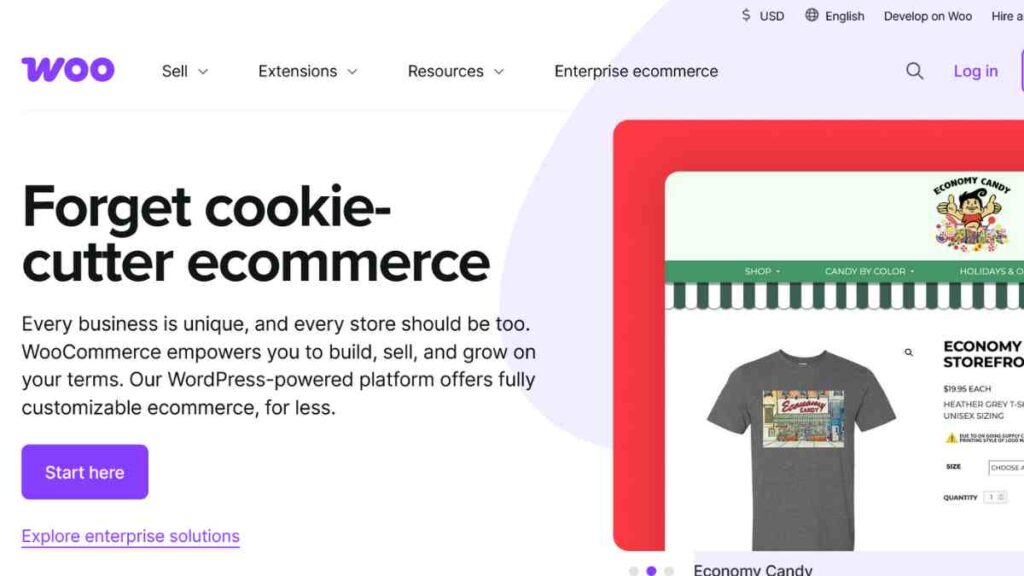
WooCommerce is one of the most popular open-source Shopify alternatives, powering millions of online stores worldwide. It is a free WordPress plugin that transforms your website into a fully functional e-commerce store.
Unlike other alternatives for Shopify, WooCommerce gives users total control over design, hosting, and functionality, making it ideal for those who want flexibility and customisation.
Pros
- Complete control over your website and hosting.
- Highly customisable with thousands of themes and plugins.
- Large developer community and extensive documentation.
- Excellent for SEO when combined with WordPress tools.
Cons
- Requires some technical know-how to set up and maintain.
- No dedicated support team (unless you hire developers).
- Costs can rise with hosting, plugins, and maintenance.
Pricing
- Core Plugin: Free
- Hosting: $15/month (depending on provider)
- Premium Themes: Varies from $100–$15000/year
- Extension & Plugins: Varies from $20–$279/year
Best-Suited Business Types
Entrepreneurs and small-to-medium-sized businesses that want better alternatives to Shopify with full control over their website and scalability options.
It is one of the best Shopify alternatives for scalable e-commerce if you are comfortable managing hosting and updates yourself.
See also: Top 20 E-commerce Websites for Online Shopping in Nigeria

Why You Might Need Shopify Alternatives
As powerful as Shopify is, it is not a perfect fit for every business. While it remains one of the leading e-commerce platforms in the world, many entrepreneurs eventually look for Shopify alternatives that better align with their goals, budgets, or technical preferences.
From pricing and scalability to design flexibility and control, several factors can lead businesses to explore better alternatives to Shopify that meet their specific needs.
Below are some of the main reasons why you might consider switching or starting with another platform.
1. High Transaction and Subscription Costs
Shopify’s plans are feature-rich but can be expensive for smaller businesses or startups. Between monthly subscription fees, transaction costs, and app charges, expenses can add up quickly.
Many merchants, therefore, turn to Shopify alternatives offering lower-priced plans, helping them manage costs more effectively while still accessing key e-commerce features.
2. Limited Design and Customisation Flexibility
While Shopify’s themes are sleek and professional, design freedom can be limited without coding knowledge or expensive premium themes.
Businesses seeking alternatives to Shopify often want the ability to customise every aspect of their storefront’s design and functionality without hiring developers, allowing for greater creative and brand flexibility.
3. Dependence on Third-Party Apps
Shopify’s ecosystem is extensive but heavily reliant on third-party apps. Many vital tools for SEO, analytics, and marketing require separate purchases or subscriptions.
This can lead to higher costs and a fragmented experience. In contrast, some better alternatives to Shopify, like BigCommerce and ShopWired, provide these tools natively, making operations smoother and more cost-effective.
4. Need for Greater Scalability and Control
Shopify handles scaling well, but some businesses outgrow its ecosystem and seek deeper control over hosting, performance, and integrations.
Open-source and enterprise-grade alternatives to Shopify, such as WooCommerce, Magento, and SAP Commerce, offer greater backend flexibility and scalability, especially for multi-store or global operations.
5. Desire for Open-Source or Self-Hosted Options
For brands that value autonomy and ownership, open-source platforms are more appealing. Shopify’s hosted nature means users depend on its servers and pricing structure.
Platforms like OpenCart and PrestaShop, which are among the best Shopify alternatives for scalable e-commerce, allow merchants to manage their own hosting and fully customise their websites’ structure, design, and performance.
What to Look for in a Good Shopify Alternative
If you are new to e-commerce, choosing a platform can feel overwhelming. Here is what you should consider when comparing Shopify alternatives:
| Criteria | What It Means | Key Questions to Ask |
|---|---|---|
| Ease of Use | How simple it is to set up and manage your store. | Is it beginner-friendly? Can you build a store without coding? |
| Design Flexibility | The ability to customise your store’s layout and look. | Are there templates you can easily customise? |
| Pricing | The total cost of using the platform, including hidden fees. | What are the monthly costs, transaction fees, and extra charges? |
| Scalability | How well the platform grows with your business. | Can it handle increased traffic, products, and sales as you expand? |
| Integrations | Compatibility with third-party tools and services. | Does it support payment gateways, shipping tools, and marketing apps? |
| Support | Access to customer service and technical assistance. | Is reliable help available when you need it? |
Keeping these in mind helps you identify the best Shopify alternatives for e-commerce that match your needs and skill level.
Migration Tips: Moving from Shopify to Another Platform
Switching from Shopify to one of the many alternatives can feel daunting, especially if you have already invested time and effort into building your online store. However, with careful planning and the right approach, migration can be smooth and even beneficial for long-term growth.
The process involves backing up your data, preparing your new store, and ensuring a seamless transition without disrupting customer experience. Below is a simple step-by-step guide to help you make the switch confidently.
| Step | Action |
| Evaluate Your New Platform | Consider your store size, technical skills, and budget before deciding |
| Back Up All Shopify Data | Export your products, customer details, order history, and website content |
| Set Up Your New Store | Create your account on the new platform and import your data |
| Redesign and Customise | Choose a new theme and customise your store design to fit your brand identity. |
| Test Payment Gateways and Checkout | Set up payment methods and test transactions on your new site |
| Set Up Redirects and SEO Tools | Redirect old URLs to your new site to maintain search rankings |
| Announce and Launch | Inform your customers about the new platform and its benefits |
| Monitor Performance and Fix Issues | Track analytics, sales, and site speed after launching |
Conclusion
Shopify is a leading e-commerce platform, but it is not the only option. Alternatives like WooCommerce, BigCommerce, ShopWired, and Magento offer more flexibility, better pricing, and greater control.
Whether you are a start-up or a growing brand, the best Shopify alternatives let you customise, scale, and manage your store to match your goals and vision.
We want to see you succeed, and that’s why we provide valuable business resources to help you every step of the way.
- Join over 23,000 entrepreneurs by signing up for our newsletter and receiving valuable business insights.
- Register your business today with Entrepreneurs.ng’s Business Registration Services.
- Tell Your Brand Story on Entrepreneurs.ng, let’s showcase your brand to our global audience.
- Need help with your marketing strategy? Get a Comprehensive Marketing and Sales Plan here.
- Sign up for our Entrepreneurs Success Blueprint Programme to learn how to start and scale your business in just 30 days.
- Book our one-on-one consulting and speak to an expert about structuring and growing your business.
- Visit our shop for business plan templates and other valuable resources to guide you.
- Get our Employee-Employer Super Bundle NDA templates to legally protect your business and workforce.
- Advertise your business to over a million entrepreneurs through our different advertising packages.

Frequently Asked Questions (FAQs)
What are Shopify alternatives?
Shopify alternatives are other e-commerce platforms that provide similar tools for building, managing, and scaling online stores. They vary in features, pricing, and flexibility, allowing merchants to choose the platform that best suits their business needs.
Why should I consider using Shopify alternatives?
You might consider Shopify alternatives if you want lower costs, more customisation, open-source flexibility, or enhanced scalability. Different platforms may better align with your business goals, technical skills, or long-term growth strategy.
Are there free alternatives to Shopify?
Yes. Platforms like WooCommerce, OpenCart, and Ecwid are free alternatives to Shopify. While some features may require paid add-ons, these solutions allow beginners to start selling online with minimal upfront costs.
Which are the best Shopify alternatives for beginners?
For beginners, platforms such as Wix, Weebly, Zyro, and Squarespace are some of the best Shopify alternatives because they are user-friendly, affordable, and require little technical knowledge to set up.
What are the best Shopify alternatives for scalable e-commerce?
Enterprise-level platforms like BigCommerce, Magento, SAP Commerce Cloud, and PrestaShop are the best Shopify alternatives for scalable e-commerce, offering advanced features and flexibility for growing businesses.
Can I migrate my store from Shopify to another platform?
Yes. Most alternatives of Shopify support migration tools or apps that allow you to transfer products, customers, and orders with minimal disruption. Proper planning ensures a smooth transition.
Do Shopify alternatives offer multi-channel selling?
Many Shopify alternatives, including BigCommerce, Wix, and Ecwid, support multi-channel selling across marketplaces like Amazon, eBay, and social platforms like Instagram and Facebook.
Are Shopify alternatives suitable for large stores?
Yes. Platforms like BigCommerce, Magento, SAP Commerce Cloud, and PrestaShop are built to handle large inventories, high traffic, and complex operations, making them ideal alternatives to Shopify for enterprise-level e-commerce.
Which Shopify alternatives are good for digital products?
Sellfy, WooCommerce, and Ecwid are excellent Shopify alternatives for scalable e-commerce focused on digital products, subscriptions, or downloadable content.
How do I choose the right Shopify alternative for my business?
Consider your budget, technical skills, product type, scalability needs, and desired features. Comparing pricing, ease of use, and integrations will help you select one of the best alternatives to Shopify tailored to your unique business goals.