

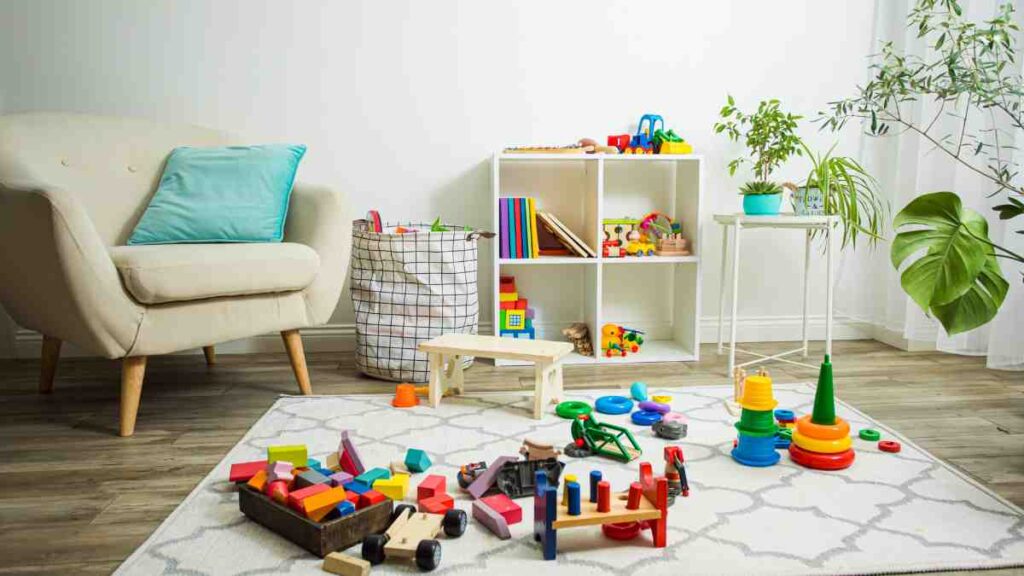
Starting a childcare business may seem impossible when money is tight, but learning how to start a crèche without money begins with recognising the resources you already have.
Demand for childcare continues to rise globally, with OECD data showing that 85% of children aged 3 and above are enrolled in early childhood education, creating opportunities for aspiring childcare entrepreneurs.
If you have ever wondered, “Can I start a daycare with no money?”, the answer is yes. This guide will show you how to launch in 8 clear steps.
Key Takeaways
- You can start a crèche with little or no capital by leveraging existing space, skills, and community resources.
- Understanding local licensing, safety, and childcare regulations is essential before accepting children.
- Securing clients and partnerships early can help generate income before making major investments.
- Reinvesting profits strategically allows you to grow from a small home-based setup into a sustainable childcare business.

Can You Really Start a Crèche Without Money?
The idea of starting a crèche without money sounds unrealistic at first.
After all, childcare businesses require space, learning materials, safety equipment, licences, and daily operating costs.
However, starting without money is not the same as starting without resources.
Many successful childcare businesses began with existing assets rather than cash. Some founders used spare rooms in their homes.
Others partnered with community centres, churches, schools, or local organisations to access space and equipment at little or no cost.
The key is to focus on what you already have and use it strategically.
Understanding the Difference Between Money and Resources
Most aspiring childcare entrepreneurs underestimate the value of the resources already available to them.
While money can buy assets, resources can help you start before significant funding becomes necessary.
| Money-Based Assets | Resource-Based Alternatives |
|---|---|
| Renting a facility | Using a room at home |
| Buying furniture | Receiving donated furniture |
| Paying for marketing | Using social media and referrals |
| Hiring staff immediately | Starting as the primary caregiver |
| Purchasing learning materials | Accepting donations from parents and community members |
A lack of cash may slow your progress, but it does not automatically stop you from launching a childcare service.
The Assets You May Already Have
Before searching for funding, take stock of what is already within your reach.
| Existing Asset | How It Can Help |
|---|---|
| A spare room | Can serve as a childcare space |
| Childcare experience | Builds credibility with parents |
| Teaching background | Supports early learning activities |
| Community connections | Creates partnership opportunities |
| Social media presence | Helps attract your first clients |
| Parent network | Generates referrals and trust |
These assets can significantly reduce your startup costs.
Start Small Before Expanding
One of the biggest mistakes new childcare entrepreneurs make is trying to launch a large centre immediately.
A smarter approach is to start with a small number of children and expand gradually as revenue grows.
For example, caring for three to five children from a compliant home-based setup can generate income that is reinvested into toys, furniture, learning materials, and eventually a larger facility.
This approach reduces financial risk while allowing you to build a reputation in your community.
What You Still Need to Budget For
Even when starting with little or no money, some expenses may be unavoidable.
| Essential Cost | Possible Solution |
|---|---|
| Business registration | Use low-cost online registration services |
| Licences and permits | Budget for mandatory fees early |
| Insurance | Compare affordable providers |
| Safety equipment | Source donated or second-hand items |
| Learning materials | Accept community donations |
The exact costs depend on your country, state, or local authority regulations.
A Realistic Perspective
Starting a crèche without money does not mean opening a fully equipped childcare centre overnight.
It means starting with the resources you already have, validating demand, serving a small group of children well, and using early revenue to grow sustainably.
Many successful childcare businesses did not begin with large investments. They began with trust, careful planning, and a commitment to meeting a genuine need in their communities.

How to Start a Crèche Without Money in 8 Steps
Starting a crèche without money may seem challenging, but it is far from impossible.
Many successful childcare businesses began with limited resources, a clear understanding of parents’ needs, and a commitment to providing quality care.
The following 8 steps will show you how to launch a childcare business with minimal capital, attract your first clients, comply with legal requirements, and build a strong foundation for long-term growth.
Step 1: Understand the Legal Requirements in Your Area
Before caring for children, take time to understand the laws and regulations that apply in your location.
Childcare is a highly regulated industry in most countries, and operating without the required approvals can lead to fines, closure, or legal issues.
Requirements vary widely depending on where you live. Some areas allow small home-based childcare services with minimal licensing, while others require inspections, training, and permits before you can open.
Key Areas to Research
| Requirement | What It Covers |
|---|---|
| Business registration | Legal recognition of your childcare business |
| Childcare licence | Approval to provide childcare services |
| Health and safety standards | Safe environment for children |
| Background checks | Screening for childcare providers |
| Insurance | Protection against accidents and liabilities |
| Zoning regulations | Whether childcare is allowed at your location |
Typical Licensing Requirements
Although regulations differ, most authorities focus on a few core areas.
| Area | Common Requirement |
|---|---|
| Premises | Clean, safe, and child-friendly environment |
| Staffing | Minimum caregiver-to-child ratios |
| Safety | Fire exits, first aid kits, emergency plans |
| Training | Basic childcare or first-aid certification |
| Record keeping | Child information and attendance records |
Contact the Right Authorities
Start by contacting the agencies responsible for childcare regulation in your country, state, province, or local council.
Many provide free guides, application forms, and checklists online.
Getting the legal requirements right from the beginning will help you build a safe, trusted, and compliant crèche that parents can confidently choose.
Step 2: Identify an Unmet Childcare Need
A crèche is more likely to succeed when it solves a specific problem for parents.
Before setting up your childcare service, find out what families in your area need and whether existing providers are meeting that demand.
You do not need expensive market research. Simple conversations, online community groups, and parent surveys can provide valuable insights.
What Parents Are Looking For
| Childcare Need | Description |
|---|---|
| Full-day care | Care during standard working hours |
| After-school care | Support for school-aged children |
| Weekend care | Childcare outside weekdays |
| Flexible hours | Early morning, evening, or shift-based care |
| Infant care | Care for babies and toddlers |
| Affordable childcare | Lower-cost alternatives to premium centres |
Research Your Local Market
Look at existing childcare providers within your area and identify potential gaps.
| Question to Ask | What to Look For |
|---|---|
| Are centres fully booked? | High demand may indicate an opportunity |
| What services do they offer? | Identify underserved needs |
| What are parents complaining about? | Long waiting lists, high fees, limited hours |
| Which age groups are underserved? | Babies, toddlers, or school-aged children |
| What are competitors charging? | Helps position your pricing |
Choose a Clear Niche
Trying to serve everyone from day one can stretch your resources.
A focused approach is often more effective.
| Niche Option | Potential Advantage |
|---|---|
| Home-based childcare | Lower startup costs |
| Infant care | High demand in many areas |
| After-school care | Requires fewer daytime resources |
| Flexible childcare | Appeals to working parents |
| Budget-friendly childcare | Attracts cost-conscious families |
Once you understand the needs of local parents, you can design your crèche around a genuine demand rather than assumptions.
This gives you a stronger foundation as you move to the next stage.
Step 3: Start With Space You Already Have
One of the biggest expenses in a childcare business is securing a facility.
If your goal is to start a crèche without money, avoid taking on rent or long-term lease commitments too early.
Instead, look for spaces you can access at little or no cost while meeting local childcare regulations.
Potential Low-Cost Locations
| Location | Potential Benefit |
|---|---|
| Your home | No rental costs |
| Community centre | Affordable or shared use |
| Religious facility | Existing space and community trust |
| School premises | Access during non-school hours |
| Family property | Reduced overhead costs |
Assess the Space
The space does not need to be large or expensive.
However, it should be safe, clean, and suitable for young children.
| Area to Check | What to Consider |
|---|---|
| Safety | Secure doors, covered sockets, safe furniture |
| Ventilation | Good airflow and natural light |
| Hygiene | Clean toilets and handwashing facilities |
| Outdoor area | Safe play space if available |
| Accessibility | Easy for parents to reach |
Start Small and Expand Later
Many successful childcare businesses begin with a small group of children.
This allows you to gain experience, build trust with parents, and generate income before investing in larger premises.
| Stage | Typical Setup |
|---|---|
| Starting out | Home-based care for a few children |
| Growth stage | Expanded childcare area or shared facility |
| Established stage | Dedicated childcare centre |
A modest but safe space is often enough to get started.
As enrolment increases and revenue grows, you can gradually upgrade your facilities without taking on unnecessary financial pressure.
Step 4: Build Partnerships Instead of Spending Money
When starting a crèche with limited funds, partnerships can help you access resources, attract clients, and reduce operating costs.
The right partnerships can provide support that would otherwise require significant capital.
Focus on organisations and individuals who share an interest in supporting children and families.
Potential Partners to Approach
| Partner | How They Can Help |
|---|---|
| Schools | Referrals and shared facilities |
| Religious organisations | Affordable space and community access |
| Community centres | Venue support and visibility |
| Local businesses | Donations and sponsorships |
| Healthcare providers | Parent referrals |
| Parent groups | Word-of-mouth marketing |
Resources You Can Obtain Through Partnerships
| Resource | Possible Source |
|---|---|
| Toys and books | Local businesses and parents |
| Furniture | Community donations |
| Learning materials | Schools and non-profits |
| Childcare equipment | Family and community networks |
| Marketing support | Parent groups and local organisations |
Create Mutually Beneficial Relationships
Partnerships work best when both parties benefit.
For example, a community centre may provide space while your crèche helps support families within the community.
| Your Contribution | Partner’s Contribution |
|---|---|
| Childcare services | Access to facilities |
| Family support programmes | Community exposure |
| Educational activities | Equipment or resources |
| Referrals | Promotional support |
Strong partnerships can significantly reduce startup costs while helping you establish credibility with parents.
They can also create opportunities for growth long before external funding becomes necessary.

Step 5: Source Equipment for Free or at a Low Cost
You do not need a fully equipped childcare centre from day one.
Many essential items can be sourced through donations, second-hand marketplaces, community groups, and partnerships.
Focus first on safety and functionality rather than appearance. Parents care more about a safe, nurturing environment than expensive furniture or branded equipment.
Prioritise Essential Items
| Essential Item | Purpose |
|---|---|
| Child-sized tables and chairs | Learning and play activities |
| Toys | Development and engagement |
| Books | Early literacy development |
| Sleeping mats or cots | Rest time |
| First aid kit | Child safety |
| Storage containers | Organisation and hygiene |
Where to Find Low-Cost Equipment
| Source | What You May Get |
|---|---|
| Family and friends | Toys, books, furniture |
| Community groups | Childcare supplies and equipment |
| Social media marketplaces | Affordable second-hand items |
| Schools | Surplus educational materials |
| Local businesses | Donations and sponsorships |
| Parents | Gently used children’s items |
Accept Donations Strategically
Not every donated item belongs in a crèche. Inspect all equipment carefully before use.
| Check Area | What to Look For |
|---|---|
| Safety | No sharp edges or broken parts |
| Cleanliness | Easy to clean and sanitise |
| Durability | Able to withstand daily use |
| Age suitability | Appropriate for children in your care |
Build Your Resources Gradually
Instead of trying to buy everything at once, add equipment as your enrolment grows.
| Business Stage | Equipment Focus |
|---|---|
| Startup | Basic safety and learning materials |
| Early growth | Additional toys and furniture |
| Expansion | Outdoor play equipment and specialised resources |
A well-organised crèche with a few quality items will always serve children better than a crowded space filled with unnecessary equipment.
Step 7: Use Free Marketing to Grow Your Crèche
Marketing does not have to be expensive. In fact, many successful crèches grow through referrals, community engagement, and a strong local reputation rather than paid advertising.
When parents trust your service, they naturally recommend it to other families.
Focus on Local Visibility
Start by making your crèche visible within your community.
| Marketing Channel | How It Helps |
|---|---|
| Community groups | Connects you with local parents |
| Social media pages | Showcases your services |
| Parent networks | Generates referrals |
| Schools and churches | Increases awareness |
| Local events | Builds credibility and trust |
Build an Online Presence
Most parents search online before choosing a childcare provider.
A simple online presence can help them find and contact you.
| Platform | Purpose |
|---|---|
| Facebook Page | Share updates and activities |
| Showcase your childcare environment | |
| Google Business Profile | Improve local visibility |
| WhatsApp Business | Communicate with parents |
| Website | Provide detailed information |
Encourage Referrals
Satisfied parents are often your best marketers.
| Referral Strategy | Example |
|---|---|
| Referral rewards | Small discount for successful referrals |
| Parent testimonials | Share positive feedback |
| Family events | Encourage community engagement |
| Excellent service | Creates word-of-mouth recommendations |
Share Valuable Content
Posting useful information can position your crèche as a trusted childcare provider.
| Content Type | Example |
|---|---|
| Parenting tips | Child development advice |
| Educational activities | Learning ideas for children |
| Safety tips | Home and childcare safety |
| Crèche updates | Events and achievements |
Consistent visibility and positive experiences will help your crèche attract new families without requiring a large marketing budget.
Step 8: Reinvest Profits to Expand Gradually
One of the biggest advantages of starting a crèche with little or no money is that it encourages disciplined growth.
Instead of taking on debt, use the income from your childcare business to improve and expand your services over time.
Focus on strengthening your foundation before making major investments.
Prioritise Your Reinvestment
Not every expense should come at the same time.
Invest first in areas that improve safety, quality, and the parent experience.
| Priority Area | Purpose |
|---|---|
| Safety equipment | Maintain a secure environment |
| Learning materials | Support child development |
| Furniture | Improve comfort and functionality |
| Staff support | Increase capacity and service quality |
| Facility upgrades | Prepare for future growth |
Expand in Stages
Growth does not need to happen overnight.
A gradual approach helps you manage costs and maintain service quality.
| Growth Stage | Focus |
|---|---|
| Startup | Serve a small number of children |
| Early Growth | Add equipment and resources |
| Expansion | Increase enrolment capacity |
| Established Business | Move to a larger facility if needed |
Track Your Finances
Good financial management becomes even more important when resources are limited.
| Financial Task | Benefit |
|---|---|
| Record income and expenses | Monitor profitability |
| Create a monthly budget | Control spending |
| Set growth targets | Measure progress |
| Build an emergency fund | Handle unexpected costs |
Know When to Seek Funding
As your crèche grows, external funding may help accelerate expansion.
However, it is often easier to secure funding once you have proven demand and a track record of serving families.
| Funding Option | Suitable For |
|---|---|
| Small business grants | Equipment and facility improvements |
| Crowdfunding | Community-supported projects |
| Microloans | Controlled business expansion |
| Investors | Larger growth opportunities |
| Community partnerships | Shared resources and support |
Growing slowly may not seem exciting, but it is often the most sustainable path.
By reinvesting your profits wisely, you can build a trusted childcare business that expands steadily without putting unnecessary financial pressure on yourself.
How Much Does It Cost to Start a Crèche?
One of the biggest questions aspiring childcare entrepreneurs ask is how much money they need to start a crèche.
The answer depends on factors such as your location, business model, licensing requirements, and the number of children you plan to serve.
A traditional childcare centre can cost tens of thousands of dollars to launch.
However, a small home-based crèche often requires far less capital, especially when you use existing resources and grow gradually.
Typical Startup Costs
The table below compares a lean startup approach with a conventional childcare centre.
| Expense Category | Lean Startup Model | Traditional Childcare Centre |
|---|---|---|
| Business registration | $50–$500 | $200–$1,000 |
| Licensing and permits | $100–$2,000 | $500–$5,000 |
| Insurance | $300–$2,000 annually | $1,000–$10,000 annually |
| Furniture and equipment | $500–$3,000 | $5,000–$20,000 |
| Learning materials | $200–$1,000 | $1,000–$5,000 |
| Marketing | $0–$500 | $1,000–$5,000 |
| Facility costs | $0–$1,000 | $10,000–$100,000+ |
| Initial staffing | $0–$2,000 | $5,000–$30,000+ |
What Drives Startup Costs?
Several factors determine how much you will spend.
| Factor | Impact on Costs |
|---|---|
| Location | Urban areas are typically more expensive |
| Licensing requirements | Some regions require inspections and certifications |
| Facility size | Larger spaces require more equipment and staffing |
| Age group served | Infant care often requires additional resources |
| Staff requirements | More children usually mean more caregivers |
| Insurance coverage | Higher coverage increases costs |
The Most Expensive Costs
For most childcare businesses, three expenses account for the largest share of startup capital.
| Expense | Reason |
|---|---|
| Premises | Rent, deposits, and renovations can be substantial |
| Staffing | Salaries often become the largest ongoing expense |
| Compliance | Licensing, inspections, and insurance are essential costs |
This is why many successful childcare entrepreneurs start from home or use shared community spaces before moving into dedicated facilities.
A Realistic Low-Budget Example
Consider a home-based crèche caring for five children.
| Item | Estimated Cost |
|---|---|
| Registration and permits | $300 |
| Insurance | $600 |
| Basic furniture | $700 |
| Toys and books | $300 |
| Safety equipment | $200 |
| Marketing | $100 |
| Total | $2,200 |
Many entrepreneurs reduce these costs further through donations, second-hand purchases, and partnerships.
Can You Start With No Money?
Technically, no business starts with absolutely zero cost.
Even a home-based crèche may require registration fees, insurance, or basic safety equipment.
However, it is possible to start with very little money if you already have access to space, childcare experience, community support, and a small group of interested parents.
Instead of asking, “How much money do I need?” a better question is, “How can I minimise costs while still providing a safe and high-quality childcare service?”
That mindset is often the difference between entrepreneurs who wait years for funding and those who successfully launch and grow their crèches.

How Much Can a Crèche Make?
A crèche can be a profitable business when managed efficiently.
Revenue depends on several factors, including your location, pricing, capacity, operating costs, and the demand for childcare services in your area.
Unlike many businesses that rely on one-time sales, childcare generates recurring monthly income.
Once parents trust your service and enrol their children, they often remain customers for months or even years.
What Determines Revenue?
Several factors influence how much a crèche can earn.
| Factor | Impact on Revenue |
|---|---|
| Number of children enrolled | Higher enrolment increases income |
| Monthly childcare fees | Determines revenue per child |
| Operating hours | Extended hours can justify higher fees |
| Location | Fees vary by market and demand |
| Services offered | Additional programmes can generate extra income |
| Reputation | Trusted providers often attract more families |
Sample Revenue Scenarios
The examples below illustrate potential monthly revenue at different enrolment levels.
| Number of Children | Monthly Fee Per Child | Monthly Revenue |
|---|---|---|
| 5 | $200 | $1,000 |
| 10 | $200 | $2,000 |
| 15 | $200 | $3,000 |
| 20 | $200 | $4,000 |
In areas with higher childcare fees, revenue can increase significantly.
Likewise, specialised services such as infant care, after-school programmes, or extended-hour care may command premium pricing.
Profitability Breakdown for a Small Home-Based Crèche
Consider a home-based crèche caring for 10 children at $200 per month.
| Item | Monthly Amount |
|---|---|
| Revenue | $2,000 |
| Insurance | -$80 |
| Utilities | -$150 |
| Learning materials | -$100 |
| Food and snacks | -$250 |
| Miscellaneous expenses | -$120 |
| Total Expenses | -$700 |
| Estimated Monthly Profit | $1,300 |
Profitability Breakdown for a Growing Crèche
Now consider a crèche serving 20 children.
| Item | Monthly Amount |
|---|---|
| Revenue | $4,000 |
| Staff wages | -$1,200 |
| Rent or facility costs | -$600 |
| Insurance | -$120 |
| Utilities | -$250 |
| Food and supplies | -$500 |
| Miscellaneous expenses | -$230 |
| Total Expenses | -$2,900 |
| Estimated Monthly Profit | $1,100 |
Although revenue increases as enrolment grows, expenses also rise.
This is why careful budgeting and occupancy management are essential.
How to Increase Profitability
A profitable crèche is not necessarily the one with the most children.
It is the one that manages costs effectively while maintaining high-quality care.
| Strategy | Potential Benefit |
|---|---|
| Maintain high occupancy | Maximises revenue |
| Reduce unnecessary expenses | Improves profit margins |
| Encourage referrals | Lowers marketing costs |
| Offer flexible childcare packages | Attracts more families |
| Reinvest strategically | Supports sustainable growth |
What Is a Good Profit Margin?
Many well-managed childcare businesses operate with profit margins ranging from 10% to 25%, although this varies depending on staffing costs, facility expenses, and local regulations.
| Profit Margin | Meaning |
|---|---|
| Below 10% | Limited profitability |
| 10%–15% | Healthy operation |
| 15%–25% | Strong performance |
| Above 25% | Exceptional efficiency |
The Bigger Picture
The real earning potential of a crèche comes from consistency rather than rapid growth.
A small childcare service with reliable enrolment and controlled expenses can generate steady income month after month.
As your reputation grows, you can increase capacity, introduce additional services, and expand your earning potential without dramatically increasing risk.
Funding Options for Your Crèche
While it is possible to start a crèche with little money, there may come a time when you need additional funding to expand your facilities, purchase equipment, hire staff, or increase your capacity.
The good news is that childcare businesses can access several funding sources depending on their location, business model, and growth stage.
Before seeking funding, ensure you have a clear business plan, realistic financial projections, and evidence of demand for your services.
Common Funding Options for a Crèche
| Funding Option | How It Works | Best For |
|---|---|---|
| Personal Savings | Using your own funds to start or expand | Small startup expenses |
| Family and Friends | Borrowing or receiving financial support from trusted contacts | Early-stage funding |
| Small Business Grants | Non-repayable funding from governments, NGOs, or foundations | Equipment and expansion |
| Crowdfunding | Raising small contributions from many people online | Community-backed projects |
| Microloans | Small loans with flexible repayment terms | Startup and working capital |
| Bank Loans | Traditional business financing | Established childcare businesses |
| Community Partnerships | Support from schools, churches, or local organisations | Facilities and resources |
| Angel Investors | Private investors who fund promising businesses | Rapid growth opportunities |
| Sponsorships and Donations | Financial or material support from businesses and community members | Equipment and learning materials |
Comparing Funding Sources
| Funding Source | Repayment Required | Difficulty Level | Funding Potential |
|---|---|---|---|
| Savings | No | Low | Low to Medium |
| Family and Friends | Sometimes | Low | Low to Medium |
| Grants | No | High | Medium to High |
| Crowdfunding | No | Medium | Low to High |
| Microloans | Yes | Medium | Medium |
| Bank Loans | Yes | High | High |
| Investors | Usually equity-based | High | High |
| Partnerships | No | Medium | Medium |
Choosing the Right Funding Option
The best funding source depends on your stage of growth.
| Business Stage | Recommended Funding Options |
|---|---|
| Startup | Savings, family support, donations, partnerships |
| Early Growth | Grants, crowdfunding, microloans |
| Expansion | Bank loans, investors, larger grants |
| Established Business | Commercial financing and strategic partnerships |
Funding should support growth, not create unnecessary financial pressure.
Many successful crèches start small, generate revenue, and use external funding only when there is a clear need and a realistic plan for expansion.
Essential Equipment Checklist for a New Crèche
You do not need expensive equipment to start a crèche, but you do need the basics to create a safe, comfortable, and engaging environment for children.
Prioritise essential items first and add more resources as your enrolment and revenue grow.
The goal is to provide a space that supports children’s safety, learning, rest, and daily care.
Essential Crèche Equipment Checklist
| Category | Essential Items |
|---|---|
| Furniture | Child-sized tables, chairs, shelves, storage units |
| Learning Materials | Books, puzzles, flashcards, crayons, colouring books |
| Toys | Building blocks, dolls, toy vehicles, educational toys |
| Sleeping Area | Mats, cots, blankets, pillows (where permitted) |
| Safety Equipment | First aid kit, fire extinguisher, smoke detector, safety gates |
| Hygiene Supplies | Hand soap, sanitiser, tissues, cleaning products, waste bins |
| Feeding Equipment | High chairs, cups, plates, utensils, bibs |
| Outdoor Play Equipment | Balls, slides, swings, ride-on toys (if space allows) |
| Administrative Supplies | Attendance register, child records, emergency contact forms |
| Technology | Mobile phone, computer or tablet for communication and record keeping |
Must-Have vs Nice-to-Have Equipment
| Must-Have | Nice-to-Have |
|---|---|
| First aid kit | Interactive learning tablets |
| Tables and chairs | Smart learning boards |
| Educational toys | Branded play equipment |
| Books | Specialised activity stations |
| Cleaning supplies | CCTV systems |
| Storage units | Custom furniture |
| Sleeping mats | Indoor play structures |
Safety Equipment You Should Never Skip
| Equipment | Purpose |
|---|---|
| First aid kit | Handle minor injuries and emergencies |
| Fire extinguisher | Improve fire safety preparedness |
| Smoke detector | Early warning during emergencies |
| Safety gates | Restrict access to unsafe areas |
| Socket covers | Protect children from electrical hazards |
| Emergency contact records | Quick response during emergencies |
Low-Cost Ways to Source Equipment
| Source | Potential Items |
|---|---|
| Family and friends | Toys, books, furniture |
| Community donations | Learning materials and supplies |
| Social media marketplaces | Affordable second-hand equipment |
| Schools and libraries | Educational resources |
| Local businesses | Sponsored equipment or donations |
| Parent contributions | Gently used childcare items |
Start with the essentials and focus on quality rather than quantity.
A clean, organised, and safe crèche with basic equipment will often serve children better than a larger facility filled with unnecessary items.
Mistakes to Avoid When Starting a Crèche Without Money
Starting a crèche with limited funds requires careful planning and smart decision-making.
While many childcare businesses succeed on a small budget, certain mistakes can lead to financial losses, regulatory problems, or difficulty attracting parents.
Avoiding these common pitfalls can help you build a safer, more sustainable childcare business.
Common Mistakes and How to Avoid Them
| Mistake | Consequence | Better Approach |
|---|---|---|
| Ignoring licensing requirements | Fines, penalties, or business closure | Research and comply with local regulations before opening |
| Starting without market research | Low enrolment and poor demand | Identify childcare needs in your area first |
| Expanding too quickly | Cash flow problems and operational challenges | Grow gradually as revenue increases |
| Underpricing services | Reduced profitability | Set competitive but sustainable pricing |
| Choosing the wrong location | Difficulty attracting parents | Select a safe and accessible location |
| Neglecting safety measures | Increased risk of accidents | Prioritise child safety from day one |
| Poor financial management | Uncontrolled expenses | Track income, expenses, and budgets regularly |
| Hiring too early | Higher operating costs | Start small and hire when demand justifies it |
| Buying unnecessary equipment | Wasted capital | Focus on essential items first |
| Failing to market the business | Low visibility and enrolment | Use referrals, social media, and community networks |
Mistakes That Affect Parent Trust
Trust is one of the most important factors in childcare.
Even small issues can make parents hesitant to enrol their children.
| Issue | Impact on Your Crèche |
|---|---|
| Poor communication | Parents may lose confidence |
| Unclean environment | Raises health and safety concerns |
| Lack of transparency | Creates uncertainty |
| Inconsistent childcare standards | Damages your reputation |
| Ignoring parent feedback | Reduces satisfaction and retention |
Financial Mistakes to Watch For
| Financial Mistake | Potential Result |
|---|---|
| Mixing personal and business finances | Difficulty tracking profitability |
| Spending profits too quickly | Limited growth opportunities |
| Operating without a budget | Unnecessary expenses |
| Relying solely on loans | Increased financial pressure |
| Failing to build an emergency fund | Difficulty handling unexpected costs |
Most successful crèche owners do not avoid challenges altogether. They simply recognise potential mistakes early and take steps to prevent them.
By staying compliant, managing your finances carefully, and prioritising quality childcare, you can build a business that grows steadily over time.
Conclusion
Learning how to start a crèche without money is less about having capital and more about using the resources available to you wisely.
By starting small, understanding the legal requirements, building community partnerships, and focusing on quality childcare, you can launch a sustainable business even on a limited budget.
We want to see you succeed, and that’s why we provide valuable business resources to help you every step of the way.
- Join over 23,000 entrepreneurs by signing up for our newsletter and receiving valuable business insights.
- Register your business today with Entrepreneurs.ng’s Business Registration Services.
- Tell Your Brand Story on Entrepreneurs.ng, let’s showcase your brand to our global audience.
- Need help with your marketing strategy? Get a Comprehensive Marketing and Sales Plan here.
- Sign up for our Entrepreneurs Success Blueprint Programme to learn how to start and scale your business in just 30 days.
- Book our one-on-one consulting and speak to an expert about structuring and growing your business.
- Visit our shop for business plan templates and other valuable resources to guide you.
- Get our Employee-Employer Super Bundle NDA templates to legally protect your business and workforce.
- Advertise your business to over a million entrepreneurs through our different advertising packages.

Frequently Asked Questions (FAQs)
Can I Start a Crèche Without Money?
Yes, it is possible to start a crèche with little money by using existing resources such as a spare room, community space, donated equipment, and free marketing channels. However, you may still need funds for licensing, insurance, and basic safety requirements.
How Do I Start a Daycare With No Money?
Start by researching local childcare regulations, identifying a need in your area, using available space, sourcing donated equipment, and securing your first clients before making significant investments.
What Licences Do I Need for a Daycare?
Licensing requirements vary by country and region. Most childcare providers need business registration, childcare permits, health and safety approvals, and insurance before they can legally operate.
Can I Run a Home-Based Daycare Startup?
Yes. Many childcare entrepreneurs begin with a home-based daycare startup because it reduces rental costs and allows them to start small while building a client base.
How Much Does It Cost to Start a Crèche?
Startup costs can range from a few hundred dollars for a small home-based setup to tens of thousands of dollars for a larger childcare centre. Costs depend on licensing, equipment, staffing, and facility requirements.
How Much Can a Crèche Make Per Month?
Revenue depends on enrolment, pricing, and operating costs. A small crèche serving 10 children can generate recurring monthly income, while larger centres may earn significantly more.
Is a Childcare Business Profitable?
Yes. A well-managed childcare business can be highly profitable because it generates recurring income and serves an ongoing need for working parents.
How Can I Get Funding for a Childcare Business?
You can seek funding through grants, crowdfunding, microloans, family support, community partnerships, sponsorships, and small business financing programmes.
Do I Need Childcare Qualifications to Open a Crèche?
Some countries require childcare certifications or training, while others allow business owners to hire qualified staff. Always check local regulations before opening.
How Many Children Can I Care for in a Home-Based Daycare?
The number depends on local childcare regulations, available space, and caregiver-to-child ratios. Many jurisdictions set limits for safety and supervision purposes.
What Is the Best Location for a Crèche?
A good location should be safe, accessible, and convenient for parents. Residential neighbourhoods, community centres, and school-adjacent locations are often ideal.
How Do I Find Clients for a New Crèche?
You can attract clients through referrals, social media, local parent groups, community events, and partnerships with schools, churches, and community organisations.
What Equipment Do I Need to Start a Crèche?
Essential equipment includes child-sized furniture, toys, books, safety supplies, first aid kits, sleeping mats, storage units, and hygiene products.
What Are the Biggest Challenges of Starting a Crèche?
Common challenges include meeting licensing requirements, finding affordable space, attracting clients, managing cash flow, and maintaining high childcare standards.
How Long Does It Take for a Crèche to Become Profitable?
The timeline varies depending on enrolment and operating costs. Many small childcare businesses become profitable within their first year if they maintain steady occupancy and control expenses.
What Makes a Crèche Successful?
Successful crèches focus on child safety, quality care, parent communication, regulatory compliance, and building a strong reputation within the community.
Can I Expand My Crèche Without Taking Loans?
Yes. Many childcare entrepreneurs grow by reinvesting profits, increasing enrolment gradually, forming partnerships, and securing grants or community support instead of relying on debt.


