The best drag-and-drop website builders for SMEs have become essential tools for small and medium-sized businesses that want a professional online presence without the cost or complexity of hiring developers.
Today, a website is often the first point of contact between a business and its customers, shaping trust, credibility, and buying decisions within seconds. Yet, many SMEs still struggle to get online.
According to a recent survey, about 28% of U.S. small businesses do not have a website, mainly due to cost and technical barriers, highlighting why easy-to-use drag-and-drop builders are now critical for business growth and visibility
Key Takeaways
- Drag-and-drop website builders allow SMEs to launch professional, mobile-friendly websites quickly without coding skills or high upfront costs.
- The best website builder depends on your business goals, whether you prioritise e-commerce, design flexibility, speed, or long-term scalability.
- Built-in SEO, marketing tools, and integrations are essential for turning a simple website into a revenue-generating asset.
- Choosing a platform that can grow with your business saves time, money, and the hassle of rebuilding your website later.

What Are Drag-and-Drop Website Builders?
Drag-and-drop website builders are no-code tools that let businesses create websites by visually placing elements like text, images, and buttons on a page, without coding.
For SMEs, these website builders for small businesses remove cost and technical barriers, making it easy to launch and manage a professional site.
With built-in hosting, mobile optimisation, and SEO features, they are now among the best tools for SMEs looking for speed, simplicity, and flexibility.
The 17 Best Drag-and-Drop Website Builders for SMEs
Choosing from the many drag-and-drop website builders available can feel overwhelming, especially for small business owners with limited time and resources.
In this section, we break down the best website builders for small businesses based on ease of use, features, pricing, and scalability.
Each tool listed below stands out for helping SMEs build professional, high-performing websites without coding, making them reliable no-code website builders for growth-focused entrepreneurs.
1. Wix
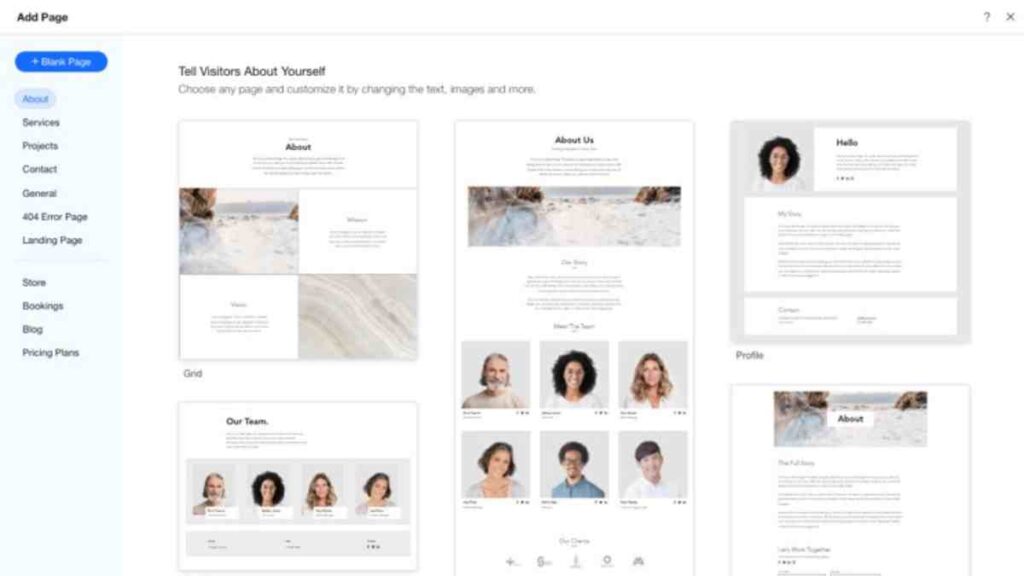
Wix is one of the most widely used drag-and-drop website builders and a strong all-rounder for SMEs that want creative freedom without technical stress.
Its visual editor allows users to move elements anywhere on the page, making it one of the most flexible no-code website builders on the market.
Key Features
- Intuitive drag-and-drop editor with pixel-level control
- 800+ professionally designed templates for different industries
- Built-in SEO tools (custom URLs, meta tags, structured data)
- E-commerce functionality for products, services, and bookings
- App Market for integrations (payments, marketing, analytics)
- AI-powered Wix ADI for faster site creation
Pros
- Extremely beginner-friendly for non-technical users
- High design flexibility compared to many website builders
- Suitable for both service-based SMEs and online stores
- Scales well as business needs grow
Cons
- Once a template is chosen, switching later is difficult
- Advanced customisation can feel overwhelming for first-time users
- Performance may slow with heavy apps if not optimised
Pricing Overview
Wix offers a free plan with Wix branding, while paid plans typically range from entry-level business plans, such as the Light plan at $17, making it accessible for most SME budgets.
Best For
- Startups and growing SMEs
- Service-based businesses and creatives
- Entrepreneurs who want full design control
Bottom line: Wix stands out as a powerful small business website builder that balances ease of use, flexibility, and robust features, making it an excellent starting point for SMEs building a professional online presence.
2. Squarespace
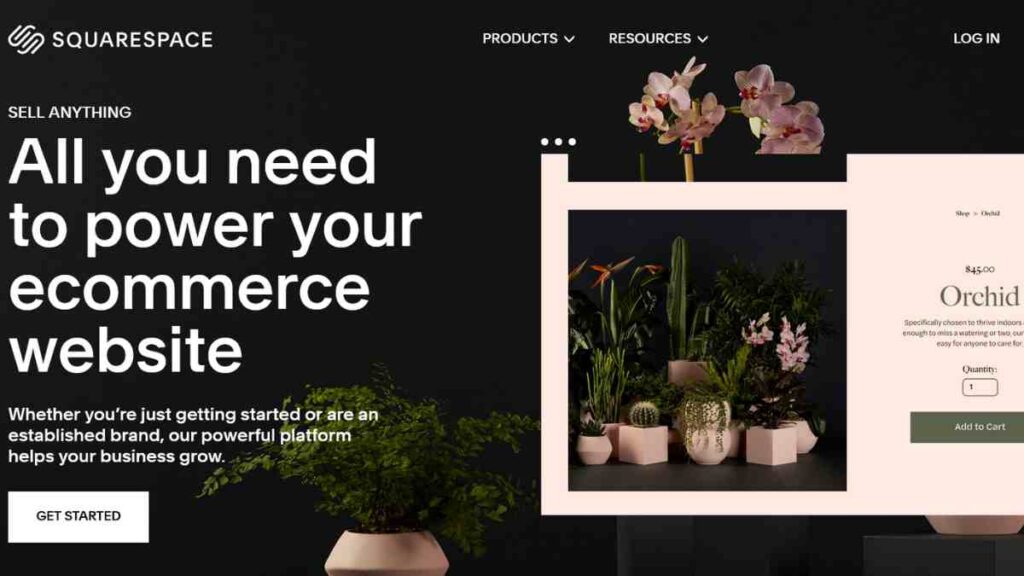
Squarespace is a design-focused drag-and-drop website builder known for its clean layouts, modern templates, and polished aesthetics.
It is especially popular among SMEs that value strong branding and visual storytelling, making it one of the most refined small business website builders available today.
Unlike builders that prioritise extreme flexibility, Squarespace offers structured design controls that help businesses maintain consistency and professionalism.
Key Features
- Award-winning, mobile-responsive templates
- Section-based drag-and-drop editor for clean layouts
- Built-in blogging, SEO, and analytics tools
- E-commerce capabilities for physical and digital products
- Integrated email marketing and scheduling tools
- Secure hosting with SSL included
Pros
- Excellent design quality with minimal effort
- Strong branding and typography options
- All-in-one platform with hosting and security included
- Ideal for content-driven and service-based businesses
Cons
- Less design freedom than some website builders
- Limited third-party app integrations
- No permanent free plan
Pricing Overview
Squarespace operates on a subscription-only model, with plans ranging from $23 per month to $72, making it suitable for SMEs ready to invest in a premium online presence.
Best For
- Creative businesses and personal brands
- Professional service providers
- SMEs focused on content, portfolios, or visual appeal
Bottom line: Squarespace is a premium website builder for SMEs that prioritises design, simplicity, and consistency, making it ideal for businesses that want a professional-looking website without the complexity of custom development.
See Also: Website Builder Vs Web Developer – Pros, Cons, and When to Use Each

3. Weebly
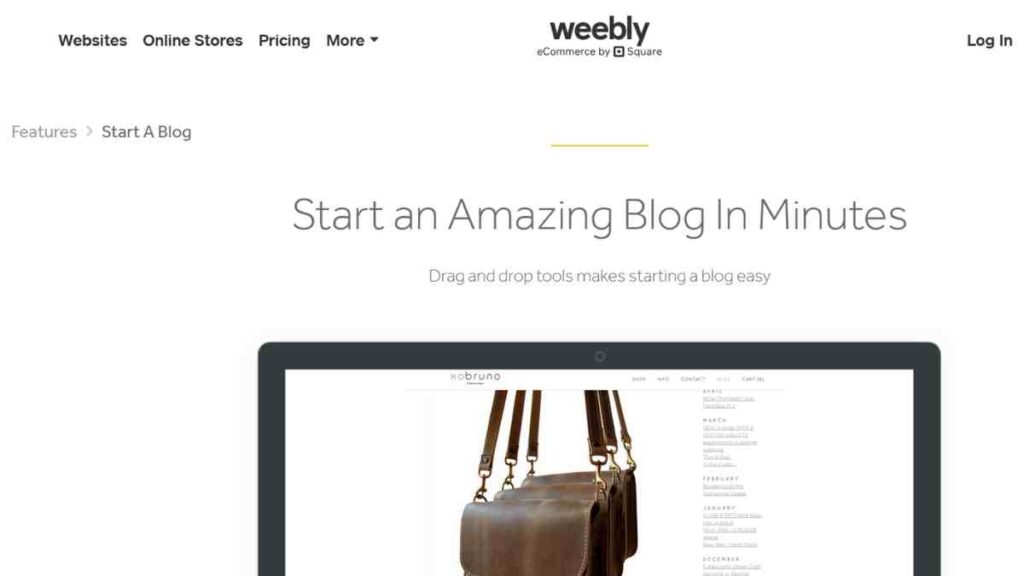
Weebly is a simple, practical drag-and-drop website builder designed for SMEs that want to get online quickly without unnecessary complexity.
As one of the more beginner-friendly website builders for SMEs, Weebly focuses on structure rather than deep customisation.
This makes it a dependable no-code website builder for entrepreneurs who prefer clarity and speed over design experimentation.
Key Features
- Clean drag-and-drop editor with fixed layouts
- Mobile-responsive themes optimised for small businesses
- Built-in e-commerce tools powered by Square
- Basic SEO settings and analytics
- Integrated contact forms and lead capture tools
- Free plan available for basic websites
Pros
- Very easy to use, even for first-time website owners
- Strong e-commerce features for small online stores
- Affordable pricing compared to many competitors
- Reliable performance with minimal setup
Cons
- Limited design flexibility compared to Wix or Webflow
- Smaller app ecosystem
- Templates feel basic for design-heavy brands
Pricing Overview
Weebly offers a free plan with branding, alongside paid plans that scale from basic business websites to fully functional online stores, making it accessible for budget-conscious SMEs.
Best For
- Local businesses and small online shops
- Entrepreneurs launching their first website
- SMEs that value simplicity over advanced design
- Businesses looking for cost-effective small business website builders
Bottom line: Weebly is a simple website builder for small businesses that delivers reliable performance and ease of use, making it ideal for SMEs that want a functional website without the learning curve.
4. Shopify

Shopify is a leading drag-and-drop website builder built specifically for selling online, making it one of the most powerful website builders for SMEs focused on e-commerce.
While it is best known for online stores, Shopify also functions as a reliable no-code website builder for small businesses that want a secure, scalable digital storefront.
Unlike general website builders, Shopify prioritises product management, payments, and fulfilment. This focus makes it one of the best website builders for small businesses that plan to generate revenue online from day one.
Key Features
- Drag-and-drop store editor with customisable themes
- Built-in payment processing and checkout
- Inventory, order, and customer management tools
- App Store with thousands of extensions
- Mobile-optimised themes and secure hosting
- Multi-channel selling (social media, marketplaces, POS)
Pros
- Best-in-class e-commerce functionality
- Highly scalable for growing SMEs
- Strong security and reliable performance
- Extensive app ecosystem for customisation
Cons
- Monthly subscription plus transaction fees
- Less design freedom compared to visual-first builders
- Can feel complex for non-retail businesses
Pricing Overview
Shopify operates on tiered monthly plans, starting from basic packages for small businesses to advanced plans for high-volume sellers, making it suitable for SMEs at different growth stages.
Best For
- SMEs running online stores
- Retail and product-based businesses
- Entrepreneurs focused on e-commerce growth
- Businesses seeking small business website builders with strong sales tools
Bottom line: Shopify is the go-to website builder for SMEs that want to sell online, offering unmatched e-commerce capabilities, reliability, and scalability for growing businesses.
5. WordPress.com
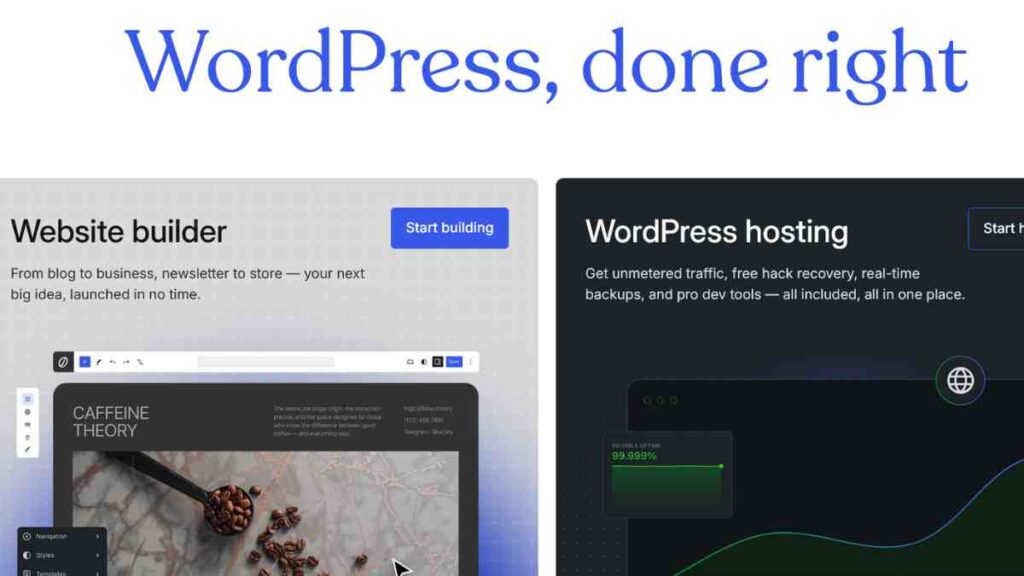
WordPress.com is a flexible drag-and-drop website builder that combines simplicity with the power of the WordPress ecosystem.
For SMEs that want control over content without handling technical maintenance, it stands out as one of the most adaptable website builders for SMEs available today.
Unlike traditional WordPress hosting, WordPress.com offers a fully managed environment with a block-based editor.
Key Features
- Block-based drag-and-drop editor (Gutenberg)
- Wide range of mobile-responsive themes
- Built-in blogging and content management tools
- SEO-friendly structure and custom domains
- E-commerce tools on business and higher plans
- Secure hosting, updates, and backups included
Pros
- Excellent for content-driven SMEs
- Strong SEO foundations
- Scales well as business needs grow
- Minimal technical management required
Cons
- Advanced features require higher-tier plans
- Less visual design freedom than Wix or Squarespace
- Plugin access limited on lower plans
Pricing Overview
WordPress.com offers free and paid plans, with business and e-commerce features available on higher tiers, making it suitable for SMEs planning long-term growth.
Best For
- Content-heavy businesses and bloggers
- Service-based SMEs focused on SEO
- Entrepreneurs who want future scalability
- Businesses seeking trusted small business website builders
Bottom line: WordPress.com is a robust website builder for small businesses that prioritises content, flexibility, and long-term scalability, making it ideal for SMEs that want room to grow without technical headaches.
6. Zyro
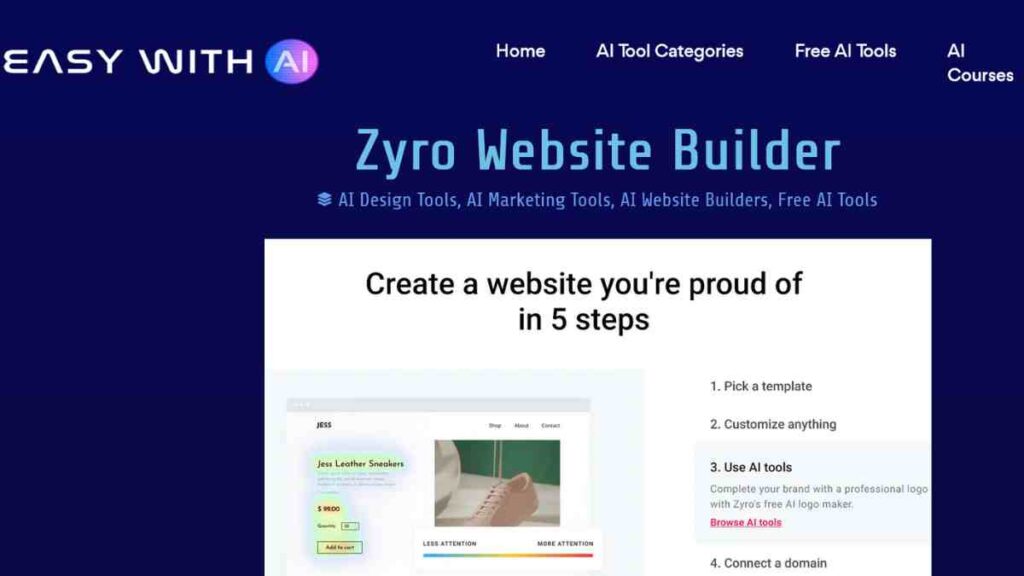
Zyro is a modern drag-and-drop website builder built for speed, simplicity, and affordability.
It is especially appealing to startups and SMEs that want to launch a clean, functional website quickly without dealing with complex design tools.
What sets Zyro apart among no-code website builders is its strong use of AI tools, which help small businesses generate content, design layouts, and even predict user behaviour, making it a practical option for time-poor entrepreneurs.
Key Features
- Simple drag-and-drop editor with grid-based layouts
- AI-powered tools (content generator, logo maker, heatmap)
- Fast-loading, mobile-responsive templates
- Built-in SEO and marketing tools
- E-commerce functionality for small online stores
- Secure hosting included
Pros
- Very affordable pricing for SMEs
- Extremely easy to use for beginners
- AI tools speed up website creation
- Good performance and fast page loading
Cons
- Limited design flexibility compared to Wix or Webflow
- Smaller template and app ecosystem
- Less suitable for complex or highly customised websites
Pricing Overview
Zyro offers competitively priced plans that are typically lower than many established competitors, making it one of the most budget-friendly small business website builders available.
Best For
- Startups and solo entrepreneurs
- SMEs on a tight budget
- Businesses that want a fast, simple website
- First-time users exploring website builders for small businesses
Bottom line: Zyro is a cost-effective website builder for SMEs that prioritises speed, simplicity, and AI-driven efficiency, making it ideal for businesses that want to get online quickly without technical friction.
7. BigCommerce
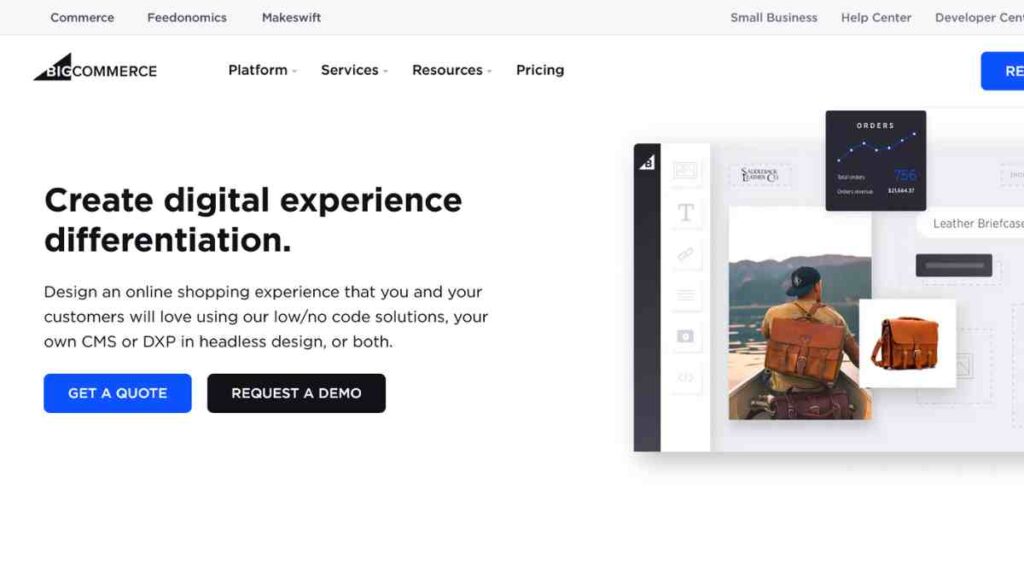
BigCommerce is a powerful drag-and-drop website builder designed for SMEs that want advanced e-commerce capabilities without relying heavily on third-party apps.
It is best known as a scalable solution for growing businesses, making it one of the more robust website builders for SMEs with serious online sales ambitions.
Unlike simpler small business website builders, BigCommerce offers enterprise-level features straight out of the box. This makes it an excellent no-code website builder for SMEs that expect rapid growth, higher sales volumes, or multi-channel selling.
Key Features
- Drag-and-drop page builder for storefront design
- Built-in SEO tools optimised for product-based businesses
- Native support for large product catalogues
- Multi-channel selling (Amazon, eBay, social platforms)
- Secure hosting and fast page performance
- Advanced analytics and reporting tools
Pros
- Strong e-commerce features without heavy app reliance
- Excellent scalability for growing SMEs
- No additional transaction fees on plans
- SEO-friendly structure for online stores
Cons
- Higher learning curve than basic website builders
- Less intuitive for non-e-commerce websites
- Pricing may be high for very small businesses
Pricing Overview
BigCommerce offers tiered pricing based on annual sales volume, making it suitable for SMEs that are scaling and need a small business website builder that can grow with revenue.
Best For
- Growing e-commerce SMEs
- Businesses with large product catalogues
- Online stores planning multi-channel expansion
- Entrepreneurs seeking best website builders for small businesses focused on sales
Bottom line: BigCommerce is a high-performance website builder for SMEs that prioritises scalability, speed, and built-in e-commerce strength, making it ideal for ambitious small businesses ready to scale online.

8. GoDaddy
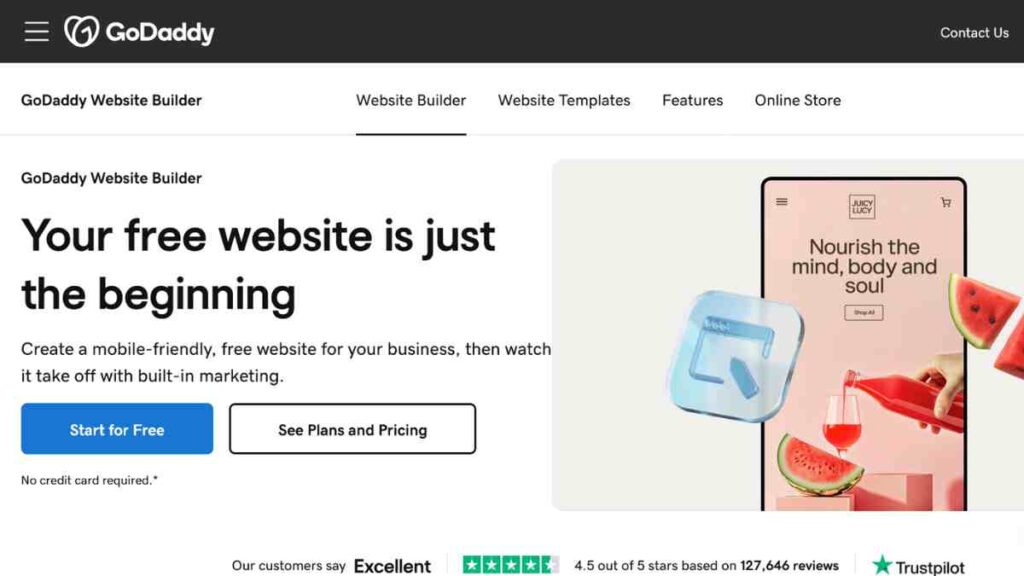
GoDaddy’s Website Builder is a streamlined drag-and-drop website builder designed for speed and convenience.
It is particularly attractive to SMEs that want an all-in-one solution for domains, hosting, and website creation without juggling multiple tools.
This platform works well as a no-code website builder for small businesses that need a functional website online quickly, especially those already using GoDaddy for domain registration or email services.
Key Features
- Simple drag-and-drop editor with pre-built sections
- AI-powered setup that creates a site in minutes
- Mobile-responsive templates optimised automatically
- Built-in SEO, email marketing, and analytics tools
- Integrated domain, hosting, and security
- E-commerce features for basic online selling
Pros
- Very fast setup and easy onboarding
- Everything managed in one place
- Good value for non-technical users
- Reliable uptime and security
Cons
- Limited design flexibility
- Not ideal for complex or content-heavy websites
- E-commerce tools are basic compared to Shopify
Pricing Overview
GoDaddy offers affordable monthly plans, with higher tiers unlocking marketing and e-commerce features, making it accessible for small and growing businesses.
Best For
- Local and service-based SMEs
- Businesses that need a quick online presence
- Entrepreneurs already using GoDaddy services
Bottom line: GoDaddy is a practical website builder for small businesses that prioritises speed and convenience, making it ideal for SMEs that want to get online quickly with minimal setup and maintenance.
9. Webflow
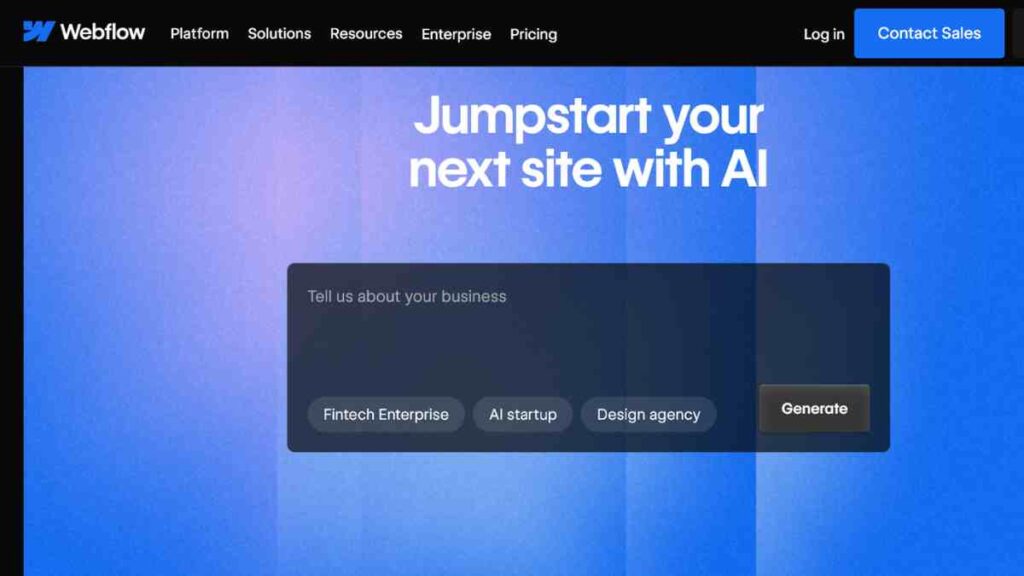
Webflow is a powerful drag-and-drop website builder built for SMEs that want advanced design control without writing code.
It bridges the gap between traditional website builders and custom development, making it one of the most flexible website builders for SMEs with strong design ambitions.
Unlike simpler small business website builders, Webflow uses a visual editor that mirrors professional web development principles.
Key Features
- Visual drag-and-drop editor with advanced layout control
- Clean, production-ready code output
- Fully responsive design tools
- Built-in CMS for dynamic content
- Strong SEO controls and fast hosting
- E-commerce functionality for custom online stores
Pros
- Exceptional design flexibility
- Professional-grade performance and clean code
- Ideal for content-rich and brand-focused SMEs
- Scales well with growing websites
Cons
- Steeper learning curve than beginner tools
- It can be time-consuming for simple websites
- Pricing may be high for very small businesses
Pricing Overview
Webflow offers free and paid plans, with advanced CMS and e-commerce features available on higher tiers, making it suitable for SMEs with long-term growth plans.
Best For
- Design-led SMEs and creative agencies
- Businesses that need advanced customisation
- Content-heavy or portfolio-driven websites
Bottom line: Webflow is a premium website builder for SMEs that delivers unmatched design freedom and performance, making it ideal for businesses that want custom-quality websites without custom-code complexity.
10. Jimdo
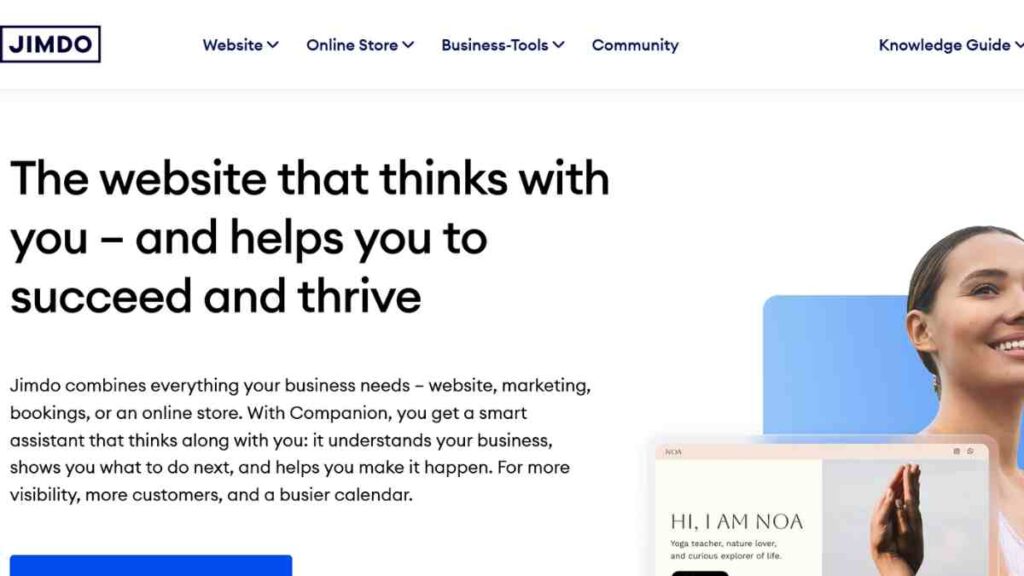
Jimdo is a lightweight drag-and-drop website builder created for SMEs that want a simple, no-frills way to get online.
It is particularly well-suited to solo entrepreneurs and very small teams that need a functional website without spending time on complex design or technical setup. well-suited
Jimdo’s AI-driven setup process helps businesses create a website in minutes by answering a few questions, making it a practical no-code website builder for entrepreneurs who want results fast.
Key Features
- AI-powered website creation (Jimdo Dolphin)
- Simple drag-and-drop editor with structured layouts
- Mobile-optimised templates
- Built-in SEO basics and analytics
- E-commerce tools for small online stores
- Secure hosting and domain integration
Pros
- Extremely easy to use for beginners
- Fast setup with minimal decision-making
- Affordable pricing for small businesses
- Low maintenance requirements
Cons
- Limited design customisation
- Not ideal for complex or content-heavy websites
- Fewer integrations than larger platforms
Pricing Overview
Jimdo offers a free plan with basic features, alongside paid plans that unlock custom domains, advanced SEO tools, and e-commerce functionality, making it accessible for early-stage SMEs.
Best For
- Solo entrepreneurs and freelancers
- Very small businesses needing a basic website
- SMEs prioritising speed and simplicity
Bottom line: Jimdo is a beginner-friendly website builder for small businesses that focuses on simplicity and speed, making it ideal for SMEs that want a clean, functional online presence without technical complexity.
11. Strikingly
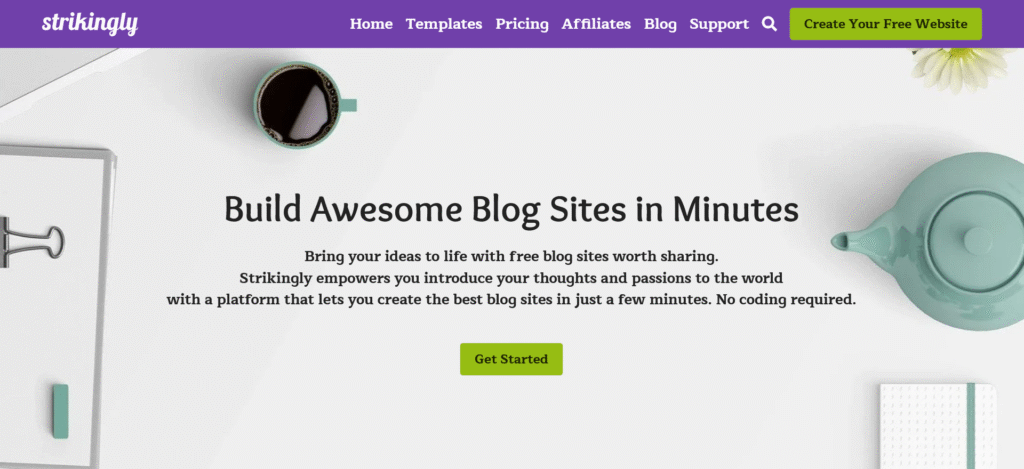
Strikingly is a focused drag-and-drop website builder best known for one-page websites that are clean, fast, and mobile-friendly.
It is designed for SMEs that want a strong online presence without managing multiple pages or complex site structures.
This platform works especially well as a no-code website builder for small businesses that rely on clear messaging, quick conversions, and straightforward navigation.
Key Features
- One-page and simple multi-page website layouts
- Drag-and-drop editor with pre-built sections
- Mobile-first, responsive design
- Built-in contact forms and lead capture
- E-commerce tools for simple product selling
- Secure hosting with SSL included
Pros
- Very easy to set up and manage
- Clean layouts optimised for conversions
- Ideal for quick launches and landing pages
- Affordable plans for small businesses
Cons
- Limited design and layout flexibility
- Not suitable for large or content-heavy websites
- E-commerce features are basic
Pricing Overview
Strikingly offers free and paid plans, with premium tiers unlocking custom domains, advanced features, and simple online selling tools.
Best For
- Solo entrepreneurs and consultants
- SMEs needing one-page or brochure websites
- Event-based or campaign websites
Bottom line: Strikingly is a minimalist website builder for small businesses that excels at one-page websites, making it ideal for SMEs that value clarity, speed, and ease of use over complexity.
12. SITE123
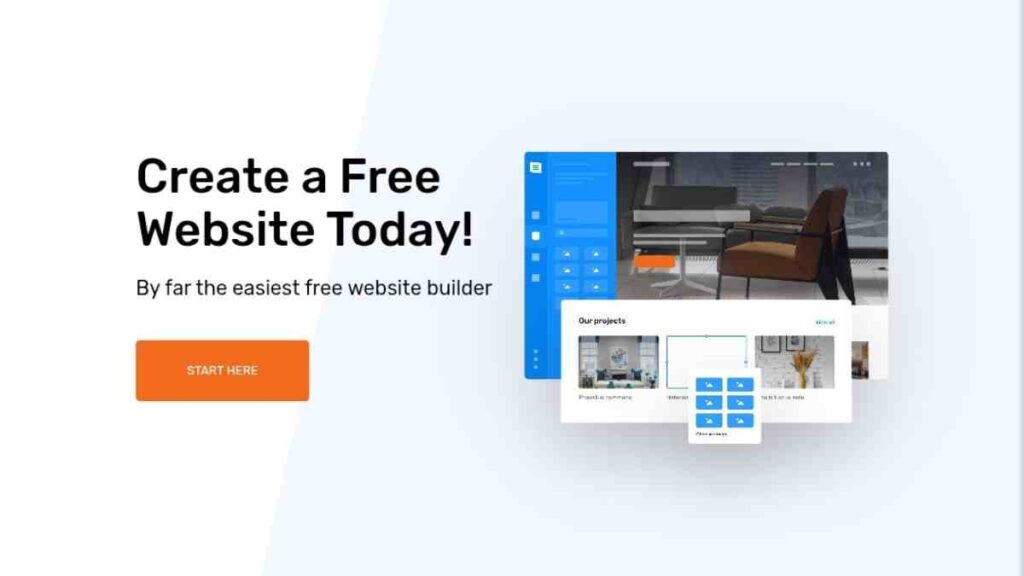
SITE123 is a highly structured drag-and-drop website builder built for SMEs that want clarity, speed, and minimal decision-making.
Unlike visual-heavy platforms, SITE123 guides users through a step-by-step setup process, making it one of the easiest website builders for SMEs to use.
This approach makes SITE123 a dependable no-code website builder for small businesses that prioritise functionality over design experimentation, especially for first-time website owners.
Key Features
- Guided setup with structured page layouts
- Drag-and-drop content blocks
- Mobile-responsive templates
- Built-in SEO tools and analytics
- Multilingual website support
- E-commerce functionality for basic online stores
Pros
- Extremely beginner-friendly
- Fast website setup with clear guidance
- Multilingual support included
- Reliable performance with minimal maintenance
Cons
- Limited design flexibility
- Templates feel basic compared to premium builders
- Not ideal for custom branding-heavy websites
Pricing Overview
SITE123 offers a free plan with branding and affordable premium plans that unlock custom domains and advanced features, making it accessible for budget-conscious SMEs.
Best For
- First-time business owners
- SMEs needing simple informational websites
- Businesses targeting international audiences
- Entrepreneurs seeking easy small business website builders
Bottom line: SITE123 is a straightforward website builder for SMEs that focuses on simplicity and guided setup, making it ideal for small businesses that want to get online quickly without technical or design complexity.
13. Duda

Duda is a professional-grade drag-and-drop website builder built for SMEs that want speed, performance, and scalability without sacrificing design quality.
It is widely used by agencies and growing businesses, making it one of the more robust website builders for SMEs with long-term growth in mind.
Unlike many basic small business website builders, Duda combines ease of use with advanced features such as client management, multilingual sites, and performance optimisation.
Key Features
- Flexible drag-and-drop editor with responsive controls
- Mobile-first design and fast page loading
- Built-in SEO and performance optimisation tools
- Multilingual website support
- E-commerce functionality and integrations
- Secure hosting with automatic updates
Pros
- Excellent site speed and performance
- Strong design consistency across devices
- Ideal for growing SMEs and agencies
- Scales well for multi-site management
Cons
- Higher pricing than entry-level builders
- Less beginner-friendly than Wix or Weebly
- Advanced features may be unnecessary for very small businesses
Pricing Overview
Duda offers tiered plans aimed at professionals and growing businesses, with pricing reflecting its advanced performance and scalability features.
Best For
- Growing SMEs with expansion plans
- Businesses managing multiple websites
- Agencies and professional service firms
- Entrepreneurs seeking high-performance website builders for small businesses
Bottom line: Duda is a premium website builder for SMEs that delivers speed, scalability, and professional-grade performance, making it ideal for small businesses planning long-term growth.
14. Carrd
Carrd is a minimalist drag-and-drop website builder designed for SMEs that need simple, fast-loading websites without unnecessary features.
It specialises in one-page websites, making it a strong option among website builders for SMEs that prioritise clarity, speed, and affordability.
As a lightweight no-code website builder, Carrd is ideal for small businesses that want landing pages, portfolios, or basic informational sites without managing complex site structures or ongoing maintenance.
Key Features
- One-page website-focused drag-and-drop editor
- Clean, mobile-responsive templates
- Custom domains and forms on paid plans
- Integrations with third-party tools (email, payments)
- Fast-loading pages with simple hosting
- Basic e-commerce via integrations
Pros
- Extremely affordable pricing
- Very easy to use and manage
- Fast performance and clean design
- Perfect for landing pages and simple sites
Cons
- Limited to one-page layouts
- Not suitable for large or content-heavy websites
- Advanced features require external integrations
Pricing Overview
Carrd offers one of the lowest-priced plans among small business website builders, with premium tiers unlocking custom domains, forms, and integrations.
Best For
- Solo entrepreneurs and micro-businesses
- Landing pages and simple brand sites
- SMEs testing new ideas or campaigns
- Businesses seeking ultra-light website builders for small businesses
Bottom line: Carrd is a streamlined website builder for SMEs that excels at simplicity and speed, making it ideal for small businesses that need a clean, effective online presence without complexity.

15. Tilda
Tilda is a design-centric drag-and-drop website builder built for SMEs that want visually striking websites without complex development.
It is especially popular among creative businesses and content-driven brands, making it one of the more distinctive website builders for SMEs focused on storytelling and presentation.
What sets Tilda apart from many small business website builders is its block-based design system, which allows users to create elegant layouts using pre-designed content blocks while still maintaining flexibility.
Key Features
- Block-based drag-and-drop editor with 500+ content blocks
- Zero Block editor for advanced custom layouts
- Mobile-responsive, design-led templates
- Built-in SEO tools and analytics
- E-commerce functionality for digital and physical products
- Secure hosting with fast page loading
Pros
- Excellent visual design and typography
- Ideal for content-rich and brand-focused websites
- Strong balance between structure and flexibility
- Clean layouts optimised for readability
Cons
- Less intuitive for users seeking ultra-simple setup
- E-commerce tools are less robust than Shopify
- Limited third-party integrations
Pricing Overview
Tilda offers free and paid plans, with premium tiers unlocking advanced design features, custom domains, and e-commerce tools, making it accessible to growing SMEs.
Best For
- Creative SMEs and design-led brands
- Content-heavy websites and landing pages
- Businesses focused on storytelling and branding
- Entrepreneurs seeking visually refined website builders for small businesses
Bottom line: Tilda is a stylish website builder for SMEs that excels in design and content presentation, making it ideal for small businesses that want a polished, visually engaging online presence without custom development.
16. Webnode

Webnode is a straightforward drag-and-drop website builder designed for SMEs that want a clean, multilingual website without technical complexity.
It is particularly popular in Europe and among businesses targeting international audiences, making it a practical choice among website builders for SMEs with cross-border ambitions.
As a user-friendly no-code website builder, Webnode focuses on speed, structure, and accessibility rather than heavy customisation.
Key Features
- Drag-and-drop editor with structured layouts
- Mobile-responsive templates
- Built-in multilingual support
- Basic SEO and analytics tools
- E-commerce functionality for small online stores
- Secure hosting and domain integration
Pros
- Excellent multilingual website support
- Easy to use with minimal learning curve
- Affordable pricing for SMEs
- Reliable performance and stability
Cons
- Limited design flexibility
- Smaller template library than premium builders
- Advanced features are basic compared to competitors
Pricing Overview
Webnode offers free and paid plans, with premium tiers unlocking custom domains, expanded storage, and e-commerce tools, making it accessible for budget-conscious SMEs.
Best For
- SMEs targeting international or multilingual markets
- Service-based businesses and local companies
- Entrepreneurs needing a simple, structured website
- Businesses seeking practical small business website builders
Bottom line: Webnode is a dependable website builder for SMEs that prioritises simplicity and multilingual functionality, making it ideal for small businesses expanding beyond a single market.
17. Constant Contact Website Builder
Constant Contact’s Website Builder is a marketing-first drag-and-drop website builder designed for SMEs that want to combine their website with email marketing and customer engagement tools.
Unlike traditional small business website builders, it places strong emphasis on lead generation, audience growth, and conversions.
This makes it a practical no-code website builder for service-based SMEs, local businesses, and entrepreneurs who want their website and marketing tools working together from day one.
Key Features
- Drag-and-drop editor with pre-designed sections
- Built-in email marketing and contact management
- Mobile-responsive templates optimised for conversions
- Integrated lead capture forms and CTAs
- Basic e-commerce tools for selling products or services
- Secure hosting and analytics included
Pros
- Strong email marketing integration
- Easy to use with fast setup
- Ideal for lead generation and customer communication
- All-in-one platform for marketing-focused SMEs
Cons
- Limited design flexibility
- E-commerce tools are basic
- Less suitable for content-heavy websites
Pricing Overview
Constant Contact offers website builder plans bundled with email marketing tools, making it cost-effective for SMEs that want both website and marketing solutions in one package.
Best For
- Service-based SMEs and local businesses
- Entrepreneurs focused on email marketing
- Businesses prioritising lead generation
- SMEs seeking marketing-driven website builders for small businesses
Bottom line: Constant Contact is a marketing-focused website builder for SMEs that works best for small businesses looking to turn their website into a lead-generation and customer engagement tool rather than a design-heavy platform.
Conclusion
Choosing the right drag-and-drop website builder can make a significant difference in how effectively your business shows up, converts customers, and grows online.
Ultimately, the right platform is the one that aligns with your goals today while giving you room to scale tomorrow.
We want to see you succeed, and that’s why we provide valuable business resources to help you every step of the way.
- Join over 23,000 entrepreneurs by signing up for our newsletter and receiving valuable business insights.
- Register your business today with Entrepreneurs.ng’s Business Registration Services.
- Tell Your Brand Story on Entrepreneurs.ng, let’s showcase your brand to our global audience.
- Need help with your marketing strategy? Get a Comprehensive Marketing and Sales Plan here.
- Sign up for our Entrepreneurs Success Blueprint Programme to learn how to start and scale your business in just 30 days.
- Book our one-on-one consulting and speak to an expert about structuring and growing your business.
- Visit our shop for business plan templates and other valuable resources to guide you.
- Get our Employee-Employer Super Bundle NDA templates to legally protect your business and workforce.
- Advertise your business to over a million entrepreneurs through our different advertising packages.

Frequently Asked Questions (FAQS)
What is a drag-and-drop website builder?
A drag-and-drop website builder is a no-code tool that lets you create a website by visually placing elements like text, images, and buttons on a page, without technical or coding skills.
Are drag-and-drop website builders suitable for SMEs?
Yes. Most website builders for SMEs are designed to be affordable, easy to use, and scalable, making them ideal for small businesses with limited time, budgets, or technical expertise.
Can small business website builders support e-commerce?
Many small business website builders include e-commerce features such as product listings, payment processing, and order management, although advanced selling tools may require higher plans.
Are no-code website builders good for SEO?
Modern no-code website builders offer built-in SEO tools like custom URLs, meta descriptions, and mobile optimisation, which are sufficient for most small businesses when used properly.
Which are the best website builders for small businesses?
The best website builders for small businesses depend on your needs. Some are better for design, others for e-commerce, content, or speed. The key is choosing a platform that matches your business goals and growth plans.
Can I switch website builders later?
Switching is possible, but it often requires rebuilding your site. That is why SMEs should choose a website builder that can scale with their business from the start.