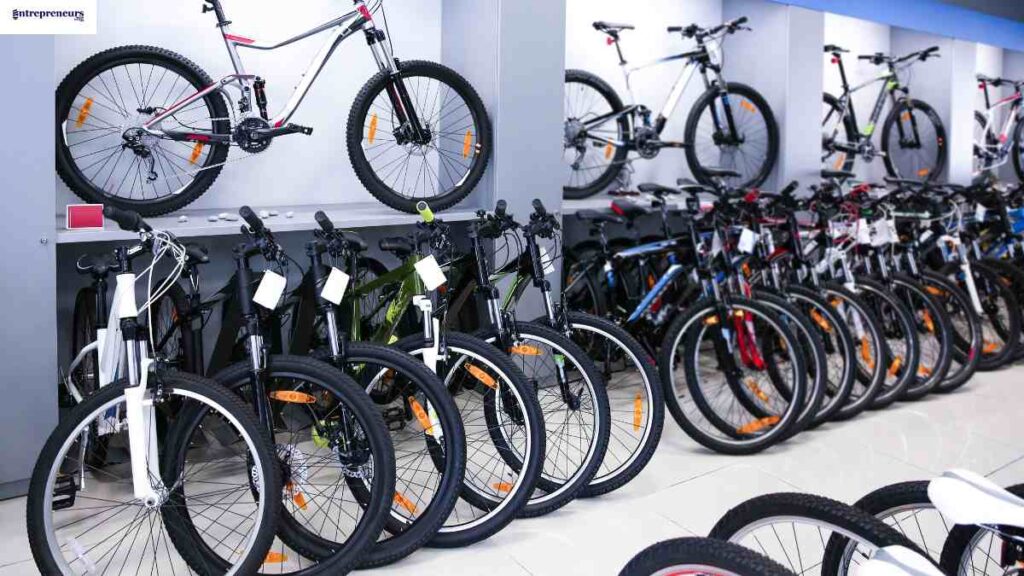
A bike shop business is no longer just a place where people buy bicycles; it is becoming a local mobility hub for repairs, accessories, e-bikes, rentals, and expert advice.
According to Grand View Research, the global bicycle market is projected to reach over $140 billion by 2033, driven by rising demand for healthier and more sustainable transportation.
However, knowing how to start a bike shop requires more than a love for cycling.
From creating a solid bike store business plan to understanding startup costs, this guide covers everything you need to start and grow a profitable bike shop.
Key Takeaways
- A successful bike shop business earns from repairs, accessories, rentals and recurring services, not just bike sales.
- Startup costs vary widely, but smart inventory planning and the right location can reduce financial risk significantly.
- Understanding bike shop licences and permits early helps you avoid legal problems and costly operational delays.
- Strong local marketing, community engagement and e-bike demand can turn a small bike shop into a highly profitable business.

What Is a Bike Shop Business?
A bike shop business is a retail or service-based business that sells bicycles, cycling accessories and repair services to individuals, commuters, fitness enthusiasts and professional riders.
Modern bike shops often go beyond selling bikes by offering repairs, maintenance plans, bike fittings, rentals, e-bikes and cycling gear to create multiple income streams.
As cycling continues to grow globally for transportation, fitness and recreation, bike shops are becoming profitable community hubs that combine retail, technical expertise and customer experience.
Types of Bike Shop Businesses You Can Start
The bike industry offers more than one path to profitability. Some entrepreneurs focus on retail sales, while others build successful businesses around repairs, rentals or e-bikes.
Choosing the right model depends on your budget, skills, target market and long-term goals.
Understanding the different types of bike shop businesses will help you decide which opportunity best fits your vision and local demand.
| Type of Bike Shop Business | Description | Best For | Startup Cost |
|---|---|---|---|
| Traditional Bike Retail Shop | Sells bicycles, accessories, apparel and cycling gear through a physical store. | Entrepreneurs targeting commuters, sports riders and families. | Medium to High |
| Bicycle Repair Workshop | Focuses mainly on repairs, servicing and bike maintenance. | Skilled mechanics or low-budget startups. | Low to Medium |
| Mobile Bike Repair Business | Offers on-site repairs at homes, offices or cycling events using a mobile van or toolkit. | Entrepreneurs looking for flexible, low-overhead operations. | Low |
| Online Bike Shop | Sells bikes, parts and accessories through an e-commerce website. | Digital entrepreneurs and global sellers. | Medium |
| E-Bike Speciality Store | Focuses on electric bikes, batteries and servicing. | Entrepreneurs targeting fast-growing urban mobility trends. | Medium to High |
| Bike Rental Business | Rents bicycles to tourists, commuters or recreational riders. | Businesses in tourist destinations or urban centres. | Medium |
| Hybrid Bike Café | Combines a bike shop with a café or social space for cyclists. | Lifestyle-focused entrepreneurs building community-driven brands. | High |
| Cycling Accessories Store | Specialises in helmets, clothing, tyres, tools and cycling gadgets. | Entrepreneurs looking for lower inventory costs than full bike retail. | Low to Medium |

How to Start a Bike Shop Business Successfully
Starting a bike shop business requires more than simply selling bicycles.
To build a profitable and sustainable business, you need the right location, a clear business model, reliable suppliers, proper licences, strong customer service and a marketing strategy that keeps riders coming back.
Whether you want to open a small repair workshop, a modern e-bike store or a full-service bicycle retail shop, following a structured step-by-step approach will help you avoid costly mistakes.
Step 1: Research the Bike Market in Your Area
Before you invest money into a bike shop business, study the market carefully.
A good location with poor demand can fail quickly, while a small shop in the right market can grow fast. Your goal is to understand who will buy from you, what they need and what existing bike shops are missing.
Areas to Research Before Opening a Bike Shop
| Research Area | What to Look For |
|---|---|
| Customer Demand | Commuters, fitness riders, tourists, students or professional cyclists |
| Competition | Number of bike shops nearby and services they offer |
| Popular Bike Types | Mountain bikes, road bikes, BMX, e-bikes or commuter bikes |
| Spending Habits | Average prices customers are willing to pay |
| Location Traffic | Busy roads, cycling routes and residential areas |
| Repair Demand | Frequency of repair and maintenance needs |
You should also decide whether you want to target budget buyers or premium customers.
Premium customers often spend more on accessories, repairs and servicing, which can improve profit margins.
Profitable Niches in the Bike Industry
| Niche | Demand Level | Profit Potential |
|---|---|---|
| E-Bikes | Very High | High |
| Bike Repairs | High | High |
| Kids’ Bicycles | Medium | Medium |
| Cycling Accessories | High | High |
| Bike Rentals | Medium | Medium |
| Performance Bikes | Medium | High |
Online research is equally important. Use Google Trends, cycling forums and local Facebook cycling groups to understand what riders are discussing.
If people frequently complain about poor repairs, expensive servicing or limited bike options, that signals a market gap you can fill.
At this stage, focus more on understanding the market than rushing to rent a shop. Strong research reduces mistakes and helps you build a bike shop business people actually need.
Step 2: Choose Your Bike Shop Business Model
Your business model determines how you make money, how much you spend and the type of customers you attract.
Some bike shops focus on retail sales, while others earn more from repairs, rentals or e-bikes.
Choose a model that matches your budget, skills and local demand. A repair-focused shop usually costs less to start, while a full retail store requires more inventory and higher operating costs.
Common Bike Shop Business Models
| Business Model | Main Revenue Source | Startup Cost |
|---|---|---|
| Retail Bike Shop | Bike and accessory sales | High |
| Repair Workshop | Repairs and servicing | Low |
| Mobile Repair Service | Home and roadside repairs | Low |
| E-Bike Store | Electric bike sales and servicing | Medium to High |
| Bike Rental Shop | Hourly or daily rentals | Medium |
| Online Bike Shop | Ecommerce sales | Medium |
You should also decide whether to operate independently or buy into a franchise.
Independent stores offer more freedom, while franchises provide brand recognition and supplier support.
Independent vs Franchise Bike Shop
| Option | Advantage | Challenge |
|---|---|---|
| Independent Shop | Full control and branding | Harder to build trust initially |
| Franchise Shop | Established reputation | Higher startup fees |
Many successful bike shop businesses combine multiple income streams.
For example, a shop may sell bikes, offer repairs and run weekend rentals at the same time. This creates more stable revenue throughout the year.
Avoid copying competitors blindly. Build your business around services your market actually needs.
Step 3: Create a Bike Store Business Plan
A solid bike store business plan helps you stay organised and attract funding if needed.
It should clearly explain what your bike shop will sell, who your customers are and how the business will make profit.
Keep the plan practical and realistic. Focus on costs, pricing, operations and growth opportunities.
What to Include in Your Business Plan
| Section | What to Cover |
|---|---|
| Business Overview | Type of bike shop and target market |
| Products and Services | Bikes, repairs, accessories, rentals or e-bikes |
| Market Research | Competitors, demand and customer behaviour |
| Startup Costs | Equipment, rent, inventory and licences |
| Revenue Plan | How the business will make money |
| Marketing Strategy | Online and offline promotion |
| Financial Projections | Expected expenses and profit |
You should also define your pricing strategy early. Some shops compete on low prices, while others focus on premium service and specialist products.
Common Revenue Streams for Bike Shops
| Revenue Stream | Profit Potential |
|---|---|
| Bike Sales | Medium |
| Repairs and Servicing | High |
| Accessories | High |
| E-Bike Sales | High |
| Bike Rentals | Medium |
| Maintenance Plans | High |
Your business plan does not need complicated language.
It simply needs to show that your bike shop business can attract customers, manage costs and generate consistent income.
Step 4: Calculate the Cost of Starting a Bike Shop
Your startup cost depends on the type of bike shop you want to open.
A small repair workshop can start with a modest budget, while a full retail store with premium inventory requires far more capital.
The biggest expenses usually come from rent, inventory, tools and shop setup.
Estimated Bike Shop Startup Costs
| Expense Category | Estimated Cost |
|---|---|
| Shop Rent and Deposit | $2,000 – $20,000 |
| Bike Inventory | $10,000 – $100,000+ |
| Repair Tools and Equipment | $2,000 – $15,000 |
| Licences and Permits | $300 – $3,000 |
| Website and Ecommerce Setup | $500 – $5,000 |
| Marketing and Branding | $1,000 – $10,000 |
| Insurance | $500 – $5,000 yearly |
| Staff Salaries | Varies by location |
Startup Budget by Business Type
| Bike Shop Type | Estimated Startup Cost |
|---|---|
| Small Repair Workshop | $5,000 – $25,000 |
| Mobile Bike Repair Business | $3,000 – $15,000 |
| Standard Retail Bike Shop | $50,000 – $150,000 |
| E-Bike Speciality Store | $75,000 – $250,000+ |
| Online Bike Shop | $10,000 – $40,000 |
Do not spend most of your money on inventory immediately. Many new owners overstock expensive bikes and struggle with cash flow later.
Start with fast-selling models, essential accessories and repair services that generate steady income.
You should also keep emergency funds for slow seasons, supplier delays and unexpected repairs. A bike shop business becomes easier to manage when cash flow is planned properly from the beginning.
Step 5: Register Your Business and Get Licences
Before opening your bike shop, register the business properly and secure the required licences.
The exact requirements depend on your country, state or city, but most bike shop businesses need basic legal and tax registrations.
A properly registered business builds trust with suppliers, customers and financial institutions.
Common Bike Shop Licences and Permits
| Licence or Permit | Purpose |
|---|---|
| Business Registration | Legally operates your business |
| Sales Tax or VAT Permit | Allows collection of taxes on sales |
| Trade Licence | Approval to operate a retail business |
| Employer Identification Number | Needed if hiring staff |
| Occupancy Permit | Required for physical store locations |
| Insurance Coverage | Protects inventory, staff and customers |
If your shop repairs e-bikes, you may also need safety compliance for battery storage and charging equipment.
Some cities have stricter rules for handling lithium-ion batteries because of fire risks.
Important Insurance for Bike Shops
| Insurance Type | Coverage |
|---|---|
| General Liability Insurance | Customer injuries and accidents |
| Property Insurance | Shop equipment and inventory |
| Workers’ Compensation | Employee injuries |
| Product Liability Insurance | Faulty products or repairs |
You should also open a business bank account and separate personal finances from business expenses.
This makes accounting, taxes and cash flow management easier as the bike shop grows.

Step 6: Find the Right Location for Your Bike Shop
Location can determine how fast your bike shop business grows. A shop in the wrong area may struggle even with good products and service.
Focus on visibility, accessibility and customer traffic.
Bike shops perform well near cycling routes, busy roads, residential areas, universities and fitness centres. Areas with strong cycling culture usually generate more repeat customers.
Factors to Consider When Choosing a Location
| Factor | What to Look For |
|---|---|
| Foot Traffic | Busy streets and active commercial areas |
| Cycling Activity | Bike lanes, parks and cycling routes nearby |
| Accessibility | Easy parking and convenient access |
| Competition | Nearby bike shops and service gaps |
| Rent Costs | Affordable long-term operating costs |
| Space | Enough room for display and repairs |
Your shop layout also matters. Customers should move easily through the store without feeling crowded.
Keep high-demand accessories near the entrance and create a visible repair section to build trust.
Recommended Space Allocation
| Area | Purpose |
|---|---|
| Showroom | Display bikes and accessories |
| Repair Workshop | Repairs and servicing |
| Storage Area | Inventory and spare parts |
| Customer Waiting Area | Comfort and customer experience |
Avoid choosing a location only because the rent is cheap. Low-cost areas with poor visibility and weak demand can reduce sales significantly.
A smaller shop in a strong location often performs better than a large store in a poor one.
Step 7: Source Bikes, Parts and Accessories
Reliable suppliers are essential for running a successful bike shop business. Your inventory affects pricing, customer satisfaction and profit margins.
Start with products that sell consistently instead of stocking too many expensive models.
Most bike shops earn strong profits from accessories and repairs, not just bike sales. Focus on items customers replace often, such as tyres, helmets, lights and brake parts.
Products Every Bike Shop Should Stock
| Product Category | Demand Level |
|---|---|
| Bicycles | High |
| Helmets | High |
| Tyres and Tubes | High |
| Lights and Locks | High |
| Repair Tools | Medium |
| Cycling Apparel | Medium |
| E-Bike Accessories | Growing Fast |
Look for wholesalers with stable pricing, product warranties and reliable delivery schedules. Compare suppliers carefully before signing agreements.
Where to Source Inventory
| Source Type | Advantage | Challenge |
|---|---|---|
| Local Distributors | Faster delivery | Higher prices |
| International Manufacturers | Lower bulk pricing | Shipping delays |
| Wholesale Marketplaces | Large product variety | Quality control risks |
| Direct Brand Partnerships | Strong credibility | Higher order requirements |
Do not overload your shop with slow-moving inventory. Many new bike shop owners tie up too much cash in premium bikes that take months to sell.
Instead, start lean. Focus on:
- fast-selling bikes,
- essential accessories,
- repair parts,
- products customers buy repeatedly.
Inventory management software can also help you track stock levels, sales trends and supplier orders more efficiently as the business grows.
Step 8: Set Up Your Shop and Daily Operations
Once your inventory arrives, set up the shop for smooth daily operations.
Your goal is to create a clean, organised and professional space that makes buying and repairs easy for customers.
A good bike shop should feel practical, welcoming and easy to navigate.
Essential Equipment for a Bike Shop
| Equipment | Purpose |
|---|---|
| Repair Stand | Bike servicing and maintenance |
| Tool Kits | Repairs and adjustments |
| Air Compressors | Tyre inflation |
| Point-of-Sale System | Sales and payment processing |
| Inventory Software | Stock management |
| Security Cameras | Theft prevention |
| Display Racks | Product organisation |
You should also hire skilled staff if needed. Experienced mechanics can improve customer trust and generate repeat business through quality repairs.
Key Operational Areas
| Area | Main Focus |
|---|---|
| Sales Floor | Customer experience and product display |
| Repair Section | Fast and reliable servicing |
| Inventory Management | Stock tracking and reordering |
| Customer Support | Enquiries, complaints and follow-ups |
Technology also plays a major role in modern bike shop businesses. Many successful shops now use:
- online booking systems,
- ecommerce websites,
- repair tracking software,
- digital payment systems,
- customer loyalty programmes.
Keep operations simple in the beginning. Complicated systems and excessive staffing can increase costs unnecessarily.
Focus first on efficient service, organised inventory and customer satisfaction.
Step 9: Market Your Bike Shop Business
A great bike shop will struggle without proper marketing. You need consistent visibility both online and offline to attract customers and build loyalty.
Start with local marketing first. Most bike shops depend heavily on nearby customers and repeat visits.
Effective Marketing Strategies for Bike Shops
| Marketing Method | Purpose |
|---|---|
| Google Business Profile | Improve local search visibility |
| Social Media Marketing | Showcase products and repairs |
| Local SEO | Rank for searches in your area |
| Cycling Events | Build community awareness |
| Referral Programmes | Encourage repeat customers |
| Email Marketing | Promote offers and updates |
| Influencer Partnerships | Reach cycling audiences |
Your Google Business Profile is especially important. Many customers search for:
- bike repair near me,
- bicycle shop nearby,
- e-bike servicing,
- cycling accessories.
Positive reviews and updated business information can improve trust quickly.
Content Ideas for Social Media
| Content Type | Engagement Level |
|---|---|
| Repair Before-and-After Videos | High |
| New Bike Arrivals | High |
| Cycling Tips | Medium |
| Customer Testimonials | High |
| Local Ride Events | Medium |
| E-Bike Demonstrations | High |
You should also build a simple website with:
- product listings,
- booking options,
- contact details,
- repair services,
- store location.
Many successful bike shop businesses grow by building a cycling community, not just selling products.
Hosting group rides, repair workshops and cycling events can help turn customers into loyal supporters.
Step 10: Scale and Grow Your Bike Shop Business
Once your bike shop business becomes stable, focus on growth. Expansion should be gradual and based on customer demand, cash flow and operational efficiency.
Many successful bike shops grow by adding new services instead of opening new locations immediately.
Smart Ways to Grow a Bike Shop
| Growth Strategy | Benefit |
|---|---|
| Add E-Bikes | Higher profit margins |
| Launch Online Sales | Reach more customers |
| Offer Maintenance Plans | Recurring monthly income |
| Introduce Bike Rentals | Extra revenue stream |
| Expand Accessories | Increase impulse purchases |
| Partner with Cycling Clubs | Build loyal customer base |
You can also increase revenue by offering premium services such as:
- bike fitting,
- performance upgrades,
- custom builds,
- delivery services,
- corporate cycling programmes.
Signs Your Bike Shop Is Ready to Scale
| Indicator | Meaning |
|---|---|
| Consistent Monthly Profit | Stable cash flow |
| Repeat Customers | Strong customer loyalty |
| Growing Repair Demand | Expanding market presence |
| Increasing Online Traffic | Strong brand visibility |
| Inventory Selling Quickly | Healthy product demand |
Avoid scaling too quickly. Many bike shop businesses fail because they expand before stabilising operations and cash flow.
Focus first on:
- customer satisfaction,
- efficient operations,
- strong local reputation,
- reliable suppliers,
- consistent revenue.
A well-managed bike shop can eventually grow into a recognised local brand with multiple income streams and long-term profitability.
How Much Does It Cost to Start a Bike Shop Business?
The cost of starting a bike shop business depends on your business model, location, shop size and inventory level.
A small repair-focused workshop can start with a modest budget, while a full retail bicycle store with premium brands and e-bikes may require significant capital.
Most new bike shop owners spend too much money too early on inventory and shop design. A smarter approach is to start lean, focus on fast-moving products and expand gradually as sales increase.
Average Startup Cost for Different Bike Shop Types
| Bike Shop Type | Estimated Startup Cost |
|---|---|
| Home-Based Repair Shop | $2,000 – $10,000 |
| Mobile Bike Repair Business | $3,000 – $15,000 |
| Small Repair Workshop | $5,000 – $25,000 |
| Online Bike Shop | $10,000 – $40,000 |
| Standard Retail Bike Shop | $50,000 – $150,000 |
| E-Bike Speciality Store | $75,000 – $250,000+ |
| Premium Urban Bike Store | $250,000+ |
The biggest factor affecting startup cost is inventory. Bicycles are expensive products, and suppliers often require minimum order quantities.
Major Costs of Opening a Bike Shop
Shop Rent and Renovation
Your location will influence both customer traffic and operating expenses. Urban commercial areas usually cost more but attract more cyclists and walk-in customers.
Estimated Costs
| Expense | Estimated Cost |
|---|---|
| Rent Deposit | $2,000 – $15,000 |
| Monthly Rent | $1,000 – $10,000 |
| Renovation and Branding | $3,000 – $25,000 |
| Furniture and Fixtures | $2,000 – $10,000 |
A small shop can reduce costs by using simple layouts and second-hand fixtures in the early stages.
Bike Inventory Costs
Inventory is usually the largest expense in a bike shop business. The more bike categories you stock, the more capital you need.
Average Wholesale Bike Costs
| Bike Type | Average Wholesale Cost |
|---|---|
| Kids’ Bikes | $80 – $300 |
| Mountain Bikes | $250 – $1,500 |
| Road Bikes | $500 – $3,000 |
| BMX Bikes | $150 – $700 |
| E-Bikes | $800 – $5,000+ |
New bike shops should avoid carrying too many slow-moving premium bikes.
Fast-selling commuter bikes, accessories and repair parts often generate more consistent cash flow.
Repair Tools and Workshop Equipment
If your shop offers repairs, you need quality tools and servicing equipment. Cheap tools usually increase repair time and reduce service quality.
Essential Workshop Equipment
| Equipment | Estimated Cost |
|---|---|
| Repair Stands | $200 – $1,000 |
| Professional Tool Kits | $500 – $3,000 |
| Air Compressors | $150 – $800 |
| Wheel Truing Stand | $100 – $500 |
| Workbenches | $200 – $1,500 |
| Cleaning Equipment | $100 – $500 |
A small repair-focused bike shop can start with basic tools and upgrade gradually.
Licences, Registration and Insurance Costs
Legal setup costs vary across countries and cities. Most bike shop businesses require standard retail licences and tax registrations.
Estimated Legal and Compliance Costs
| Requirement | Estimated Cost |
|---|---|
| Business Registration | $50 – $1,000 |
| Trade Licence | $50 – $500 |
| Sales Tax or VAT Permit | Varies |
| Insurance Coverage | $500 – $5,000 yearly |
| Legal and Accounting Fees | $300 – $3,000 |
If you sell or service e-bikes, additional compliance requirements for lithium-ion battery handling may apply in some regions.
Technology and Ecommerce Costs
Modern bike shops need digital tools to compete effectively. Customers now expect online visibility, digital payments and booking systems.
Technology Expenses
| Technology | Estimated Cost |
|---|---|
| Website Development | $500 – $5,000 |
| Ecommerce Store | $1,000 – $10,000 |
| POS System | $300 – $2,000 |
| Inventory Software | $20 – $300 monthly |
| Security Systems | $500 – $3,000 |
Even small bike shops benefit from a simple website and Google Business Profile.
Marketing and Branding Costs
Marketing helps new bike shop businesses attract customers quickly. Without visibility, even a well-stocked shop may struggle.
Common Marketing Expenses
| Marketing Activity | Estimated Cost |
|---|---|
| Logo and Branding | $200 – $2,000 |
| Social Media Advertising | $200 – $5,000 |
| Local SEO | $300 – $3,000 |
| Signage | $500 – $5,000 |
| Launch Event | $500 – $3,000 |
Many successful bike shops grow through community engagement rather than expensive advertising alone.
Staff and Operating Costs
If you hire employees, labour becomes a major ongoing expense. Skilled mechanics usually command higher salaries because technical repair expertise is valuable.
Monthly Operating Costs
| Expense | Estimated Monthly Cost |
|---|---|
| Employee Salaries | $2,000 – $20,000 |
| Utilities | $200 – $2,000 |
| Internet and Software | $100 – $500 |
| Inventory Restocking | Varies |
| Maintenance | $100 – $1,000 |
New bike shop owners often reduce costs initially by handling sales or repairs themselves.
Hidden Costs Most Entrepreneurs Ignore
Many entrepreneurs underestimate the hidden costs involved in opening a bike shop. These expenses can affect cash flow significantly if not planned properly.
Common Hidden Costs
| Hidden Cost | Impact |
|---|---|
| Unsold Inventory | Reduces cash flow |
| Seasonal Sales Drops | Lower revenue during off-seasons |
| Supplier Delays | Inventory shortages |
| Equipment Repairs | Unexpected expenses |
| Warranty Claims | Customer service costs |
| Theft and Damage | Inventory losses |
Keeping emergency funds can help the business survive slower months and unexpected expenses.
How to Reduce Bike Shop Startup Costs
You do not need a luxury showroom immediately. Many successful bike shop businesses started small and expanded gradually.
You can lower startup costs by:
- starting with repairs first,
- selling online before opening a store,
- using second-hand fixtures,
- focusing on fast-selling inventory,
- operating from a smaller location,
- partnering with suppliers instead of bulk buying.
A lean startup model reduces financial pressure and gives you more flexibility as the business grows.

How Profitable Is a Bike Shop Business?
A bike shop business can be highly profitable when it combines product sales with recurring services like repairs, accessories, maintenance plans and e-bike servicing.
While bicycle sales attract customers, many successful bike shops make a large portion of their profit from services and smaller high-margin products.
Profitability depends on:
- location,
- operating costs,
- inventory management,
- customer retention,
- service quality,
- local cycling demand.
Small bike shops can become profitable within the first few years if expenses are controlled properly and revenue streams are diversified.
Average Profit Margins in a Bike Shop Business
Different products and services generate different profit margins. Bikes often have lower margins than accessories and repairs.
Typical Profit Margin Breakdown
| Revenue Stream | Average Profit Margin |
|---|---|
| Bicycle Sales | 20% – 40% |
| E-Bike Sales | 25% – 45% |
| Accessories | 40% – 60% |
| Repairs and Servicing | 50% – 70% |
| Bike Rentals | 40% – 65% |
| Maintenance Plans | 60% – 80% |
This is why many experienced shop owners focus heavily on repairs and accessories instead of depending only on bike sales.
Monthly Revenue Potential of a Bike Shop
Revenue varies based on location, inventory size and customer traffic. A small repair-focused shop earns differently from a premium retail store.
Estimated Monthly Revenue
| Bike Shop Type | Estimated Monthly Revenue |
|---|---|
| Small Repair Workshop | $3,000 – $15,000 |
| Mobile Repair Business | $2,000 – $10,000 |
| Standard Retail Bike Shop | $20,000 – $100,000 |
| E-Bike Store | $30,000 – $200,000+ |
| Online Bike Shop | $5,000 – $80,000 |
Shops located in cycling-friendly cities or tourist areas usually generate higher sales and repeat customers.
Profitability Breakdown of a Bike Shop Business
The table below shows how revenue and expenses may look in a standard mid-sized bike shop business.
Example Monthly Profitability Breakdown
| Category | Estimated Monthly Amount |
|---|---|
| Total Revenue | $50,000 |
| Cost of Inventory | $28,000 |
| Rent and Utilities | $5,000 |
| Staff Salaries | $7,000 |
| Marketing | $1,500 |
| Insurance and Licences | $800 |
| Miscellaneous Expenses | $1,700 |
| Estimated Net Profit | $6,000 |
This example represents roughly a 12% net profit margin, which is common for many independent retail businesses.
Bike shops with strong repair departments and loyal customer bases can often achieve higher margins.
Most Profitable Areas of a Bike Shop
Not every part of the business generates equal profit. Some services require little inventory but produce steady income.
Highest-Profit Revenue Streams
| Revenue Stream | Profitability Level |
|---|---|
| Repairs and Servicing | Very High |
| Accessories | High |
| Maintenance Subscriptions | Very High |
| E-Bike Servicing | High |
| Custom Bike Builds | High |
| Bike Fitting Services | Medium to High |
Repair services are especially valuable because customers return regularly for maintenance, upgrades and emergency fixes.
Factors That Affect Bike Shop Profitability
A bike shop business can struggle if costs are poorly managed. Inventory mistakes and weak marketing reduce profits quickly.
Key Profitability Factors
| Factor | Impact on Profit |
|---|---|
| Shop Location | Affects customer traffic |
| Inventory Management | Controls cash flow |
| Customer Retention | Increases repeat sales |
| Repair Services | Creates recurring revenue |
| Supplier Pricing | Affects margins |
| Marketing Quality | Drives visibility and sales |
Bike shops that build strong local communities often perform better than shops focused only on sales.
Common Reasons Bike Shops Lose Money
Some bike shop businesses fail because they focus too much on expensive inventory without building recurring income.
Common Profitability Mistakes
| Mistake | Result |
|---|---|
| Overstocking Bikes | Cash flow problems |
| Ignoring Repairs | Missed recurring revenue |
| Weak Online Presence | Low customer visibility |
| Poor Supplier Deals | Reduced profit margins |
| High Operating Costs | Lower net profit |
Keeping inventory lean and focusing on customer retention usually improves profitability over time.
How Long Does It Take a Bike Shop to Become Profitable?
Many small bike shop businesses take 12 to 36 months to become consistently profitable, depending on startup costs and market demand.
Repair-focused businesses may break even faster because they require less inventory and generate quicker cash flow.
Retail-heavy shops often take longer because bicycle inventory ties up more capital.
Can a Small Bike Shop Become Highly Profitable?
Yes. Many independent bike shop businesses generate strong profits by specialising instead of trying to compete with large retailers.
Smaller shops often succeed by focusing on:
- premium repairs,
- e-bike servicing,
- local cycling communities,
- personalised customer service,
- high-margin accessories,
- subscription maintenance plans.
A bike shop business becomes more profitable when customers see the shop as a trusted cycling partner rather than just a place to buy bikes.
Licences and Permits Needed to Start a Bike Shop Business
Before opening your bike shop business, you must register the business properly and obtain the necessary licences and permits.
The exact requirements vary by country, state and city, but most bike shops need basic retail, tax and safety approvals to operate legally.
If your business includes repairs, e-bike servicing or employee hiring, you may need additional compliance documents and insurance coverage.
Common Licences and Permits for a Bike Shop Business
| Licence or Permit | Purpose |
|---|---|
| Business Registration | Legally establishes the business |
| Trade or Retail Licence | Allows operation of a retail store |
| Sales Tax or VAT Permit | Enables collection of sales taxes |
| Employer Identification Number | Required for hiring employees |
| Occupancy Permit | Confirms the building is approved for commercial use |
| Fire Safety Permit | Required for physical retail locations in some areas |
| Signage Permit | Approval for outdoor business signs |
| Health and Safety Compliance | Ensures safe workshop operations |
| Insurance Coverage | Protects the business from liability and losses |
Bike shops that sell or repair e-bikes may also need to comply with battery storage and electrical safety regulations because lithium-ion batteries can pose fire risks if handled improperly.
Important Insurance Coverage for Bike Shops
| Insurance Type | What It Covers |
|---|---|
| General Liability Insurance | Customer injuries and accidents |
| Property Insurance | Shop equipment and inventory |
| Workers’ Compensation | Employee injuries |
| Product Liability Insurance | Faulty products or repairs |
| Business Interruption Insurance | Income loss during unexpected closures |
You should also check local zoning laws before renting a shop space. Some areas restrict certain commercial activities, repair workshops or signage installations.
Keeping licences updated and maintaining proper insurance coverage helps protect your bike shop business from fines, legal disputes and operational disruptions.
Tools and Equipment Needed to Start a Bike Shop Business
The tools and equipment you need depend on the type of bike shop business you plan to operate.
A small repair workshop may only require basic servicing tools, while a full retail bike shop needs display systems, inventory software and professional repair equipment.
Invest in durable, high-quality tools from the beginning. Reliable equipment improves repair speed, service quality and customer trust.
Essential Bike Repair Tools
| Tool or Equipment | Purpose |
|---|---|
| Repair Stand | Holds bikes securely during repairs |
| Professional Tool Kit | General bike servicing and adjustments |
| Tyre Levers | Removing and installing tyres |
| Torque Wrench | Precise bolt tightening |
| Chain Tool | Chain repair and replacement |
| Wheel Truing Stand | Straightening bike wheels |
| Air Compressor or Pump | Tyre inflation |
| Lubricants and Cleaning Supplies | Maintenance and cleaning |
If your bike shop repairs e-bikes, you may also need specialised diagnostic tools and battery testing equipment.
Retail and Shop Equipment
| Equipment | Purpose |
|---|---|
| Display Racks | Showcasing bikes and accessories |
| Shelving Units | Organising inventory |
| Point-of-Sale System | Payment processing and sales tracking |
| Barcode Scanner | Inventory management |
| Security Cameras | Theft prevention |
| Storage Cabinets | Securing tools and spare parts |
| Workbenches | Repair and assembly work |
Technology also plays a major role in modern bike shop operations.
Technology and Software Tools
| Software or System | Function |
|---|---|
| Inventory Management Software | Tracks stock and orders |
| Accounting Software | Manages expenses and revenue |
| Ecommerce Website | Online sales and bookings |
| Customer Relationship Management System | Customer tracking and communication |
| Booking Software | Scheduling repairs and servicing |
Some equipment can be purchased gradually to reduce startup costs. Many new bike shop owners begin with essential repair tools first and expand their equipment as customer demand increases.
Avoid buying expensive equipment that your business may not use immediately. Focus first on tools that improve daily operations and generate direct revenue.
Biggest Mistakes New Bike Shop Owners Make
Many bike shop businesses fail not because the market is weak, but because of poor planning, weak cash flow management and unrealistic expectations.
New owners often focus too much on selling bikes while ignoring repairs, customer retention and operational efficiency.
Avoiding these mistakes early can improve profitability and long-term stability.
Common Mistakes and Better Approaches
| Common Mistake | Impact on Business | Better Approach |
|---|---|---|
| Overstocking Expensive Bikes | Cash flow problems and slow inventory movement | Start with fast-selling models and scale gradually |
| Ignoring Repair Services | Missed recurring revenue | Build a strong repair and maintenance department |
| Choosing the Wrong Location | Low customer traffic | Open near cycling routes and active communities |
| Weak Online Presence | Reduced visibility and fewer customers | Invest in local SEO and social media marketing |
| Poor Supplier Management | Inventory shortages and low margins | Build relationships with reliable suppliers |
| Underpricing Services | Reduced profitability | Price based on quality and market demand |
| Overspending on Store Design | High startup costs | Keep the setup practical and functional initially |
| Hiring Too Many Staff Early | Increased operating expenses | Start lean and expand as demand grows |
| Ignoring Customer Experience | Weak customer loyalty | Focus on service quality and community building |
| Depending Only on Bike Sales | Unstable revenue | Add repairs, rentals and accessories |
Many new bike shop owners also underestimate seasonal changes. Sales may slow during colder months in some regions, which can affect revenue.
Smart Ways to Reduce Business Risk
| Strategy | Benefit |
|---|---|
| Offer Maintenance Plans | Creates recurring income |
| Sell High-Margin Accessories | Improves profitability |
| Build a Cycling Community | Encourages repeat customers |
| Start Small | Reduces financial pressure |
| Track Inventory Closely | Prevents overstocking |
| Diversify Revenue Streams | Creates more stable cash flow |
The most successful bike shop businesses grow steadily instead of expanding too quickly.
Strong customer relationships, efficient operations and controlled spending usually matter more than having the biggest store or the largest inventory.
Conclusion
Starting a bike shop business can be a rewarding and profitable venture when built on proper planning, smart inventory management and strong customer relationships.
From choosing the right business model to understanding startup costs, licences and marketing strategies, every step plays a role in long-term success.
We want to see you succeed, and that’s why we provide valuable business resources to help you every step of the way.
- Join over 23,000 entrepreneurs by signing up for our newsletter and receiving valuable business insights.
- Register your business today with Entrepreneurs.ng’s Business Registration Services.
- Tell Your Brand Story on Entrepreneurs.ng, let’s showcase your brand to our global audience.
- Need help with your marketing strategy? Get a Comprehensive Marketing and Sales Plan here.
- Sign up for our Entrepreneurs Success Blueprint Programme to learn how to start and scale your business in just 30 days.
- Book our one-on-one consulting and speak to an expert about structuring and growing your business.
- Visit our shop for business plan templates and other valuable resources to guide you.
- Get our Employee-Employer Super Bundle NDA templates to legally protect your business and workforce.
- Advertise your business to over a million entrepreneurs through our different advertising packages.

Frequently Asked Questions (FAQs)
Is a bike shop business profitable?
Yes, a bike shop business can be highly profitable when it combines bike sales with repairs, accessories, rentals and maintenance services. Repairs and accessories often generate higher profit margins than bicycle sales alone.
How much does it cost to start a bike shop?
The startup cost can range from $2,000 for a small home-based repair business to over $250,000 for a premium retail bike store or e-bike showroom.
What licences do I need to open a bike shop?
Most bike shops require business registration, a retail or trade licence, tax permits and insurance coverage. Additional permits may apply for e-bike servicing or workshop operations.
How much profit does a bike shop make?
Profit varies by size and location, but many independent bike shops earn net profit margins between 10% and 20%, especially when repairs and accessories are strong revenue sources.
Can I start a bike shop from home?
Yes, many entrepreneurs start with home-based bike repair services or online bike shops before opening a physical retail store.
What is the best location for a bike shop?
Locations near cycling routes, busy roads, fitness centres, universities and residential communities usually perform well because they attract active cyclists and commuters.
What sells the most in a bike shop?
Fast-selling items often include commuter bikes, helmets, tyres, locks, lights, repair parts and cycling accessories.
Are e-bike shops profitable?
Yes, e-bike shops can be very profitable because e-bikes typically have higher selling prices, strong demand and recurring servicing opportunities.
Do bike shops make more money from repairs or bike sales?
Many bike shops earn higher profit margins from repairs, servicing and accessories than from bicycle sales.
How long does it take for a bike shop to become profitable?
Most bike shop businesses take between one and three years to become consistently profitable, depending on startup costs, location and customer demand.
Can I open a bike shop with no experience?
Yes, but learning bicycle repairs, inventory management and customer service before launching the business can improve your chances of success significantly.
What tools do I need to start a bike repair shop?
Basic tools include repair stands, tyre levers, torque wrenches, chain tools, air compressors and professional bike servicing kits.
How do bike shops attract customers?
Bike shops attract customers through local SEO, social media marketing, cycling events, customer referrals and strong community engagement.
What are the biggest challenges of running a bike shop?
Common challenges include inventory costs, seasonal demand changes, supplier delays, cash flow management and increasing competition.
Should I start an online bike shop or a physical store?
An online bike shop has lower overhead costs, while a physical store builds stronger local relationships and repair opportunities. Many successful businesses combine both models.
What are the most profitable services for a bike shop?
High-profit services often include repairs, maintenance plans, bike fitting, e-bike servicing and accessory sales.
Is the bicycle industry growing?
Yes, the bicycle industry is growing globally due to increasing interest in fitness, eco-friendly transportation and electric bikes.
Can a small bike shop compete with large retailers?
Yes, small bike shops often succeed by offering personalised service, expert repairs, strong community relationships and specialised products that large retailers may not provide.