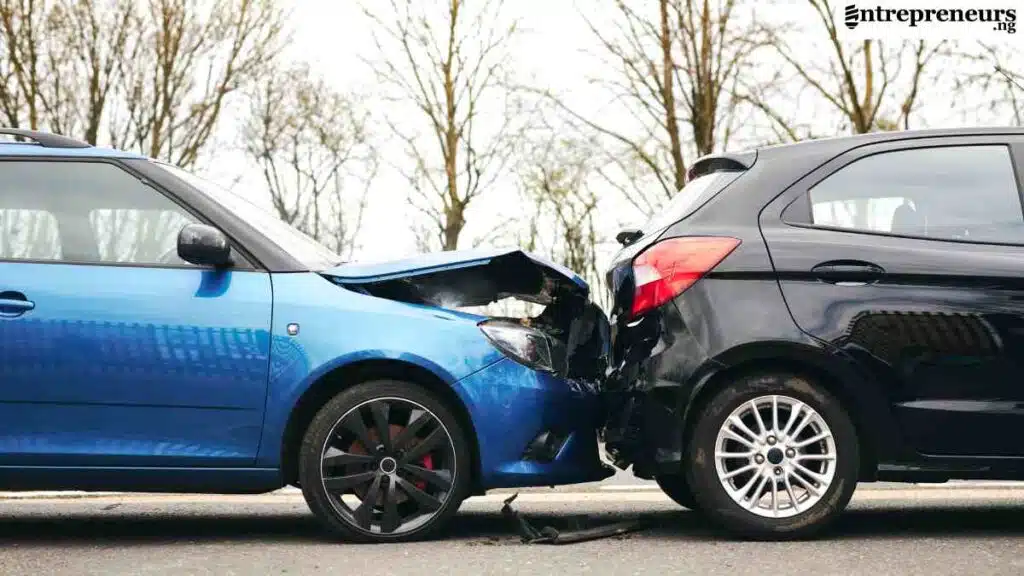
Car insurance is a financial safety net that protects drivers from costly accidents, damage, theft, and legal claims.
Understanding how car insurance works helps you choose the right cover and avoid costly mistakes.
This guide explains coverage types, costs, buying decisions, and claims so you protect your car and finances confidently.
Key Takeaways
- Car insurance works best when coverage, deductibles, and limits are aligned with your financial exposure rather than chosen based on price alone.
- Understanding coverage types, policy structures, and cost drivers helps you avoid gaps that only become visible during a claim.
- Comparing quotes carefully and reviewing your policy regularly ensures your protection remains relevant as your circumstances change.
- A well chosen policy provides financial stability and peace of mind long before you ever need to file a claim.

What Is Car Insurance?
Car insurance is a contract between a driver and an insurance provider that offers financial protection when a vehicle is involved in an accident, damaged, stolen, or causes harm to others.
In exchange for a premium, the insurer agrees to cover specific risks outlined in the policy, subject to limits and conditions.
At its core, car insurance exists to reduce the financial shock that comes with unexpected road incidents.
Without it, drivers would be personally responsible for repair costs, medical bills, and legal claims that can easily run into thousands or even millions, depending on the severity of the incident.
While car insurance is legally required in many countries, its importance goes beyond compliance.
It is a practical tool for managing risk, protecting personal finances, and ensuring continuity for individuals and businesses that rely on vehicles daily.
Why Car Insurance Exists
Car insurance is designed to solve three main problems that arise from driving risks:
- It protects drivers from large, unpredictable financial losses
- It ensures victims of road accidents receive compensation
- It spreads risk across many drivers rather than placing it on one person
This shared risk model allows insurers to pay claims using pooled premiums, making losses more manageable for everyone involved.
What Car Insurance Typically Protects You From
Although the exact scope depends on the policy, car insurance generally addresses the following risk categories:
| Risk Area | What It Covers |
|---|---|
| Accidents | Damage to vehicles and property after a collision |
| Injury | Medical costs and compensation related to bodily harm |
| Theft | Loss of a vehicle due to theft or attempted theft |
| Damage | Fire, flooding, vandalism, or falling objects |
| Legal claims | Lawsuits arising from injuries or property damage |
The specific cover you receive depends on the type of car insurance you choose, which will be explored in later sections.
Car Insurance as a Financial Planning Tool
Beyond road safety, car insurance plays a quiet but important role in personal and business financial planning.
A single accident can disrupt savings, income, or operations, especially for self employed drivers and businesses that depend on vehicles.
Proper car insurance helps absorb that shock and supports long term financial stability.
How Does Car Insurance Work?
Car insurance works by transferring financial risk from the driver to an insurance provider.
Instead of paying the full cost of an accident or loss yourself, you pay a smaller, predictable amount called a premium, and the insurer covers eligible losses based on your policy terms.
The system is built on shared risk. Millions of drivers contribute premiums into a pool, and that pool is used to pay claims when insured events occur.
This structure makes car insurance more affordable than handling large losses alone.
The Role of the Insurance Policy
A car insurance policy is the rulebook that defines how protection works. It outlines what is covered, what is excluded, how much the insurer will pay, and the situations in which claims are valid.
Every policy is built around four core elements:
| Policy Element | What It Means |
|---|---|
| Premium | The amount you pay for car insurance, usually monthly or annually |
| Coverage limits | The maximum amount the insurer will pay for a covered claim |
| Deductible or excess | The portion of a claim you pay before insurance applies |
| Policy period | The length of time the cover is active, typically six or twelve months |
Understanding these elements helps drivers avoid unpleasant surprises when filing a claim.
How Premiums and Risk Are Connected
Insurance providers calculate car insurance premiums based on risk. The higher the likelihood or potential cost of a claim, the higher the premium tends to be.
This is why two drivers with similar cars can pay very different amounts for car insurance.
Risk assessment allows insurers to price policies fairly while maintaining enough funds to pay future claims. The specific factors that influence cost will be examined in a later section.
What Happens When an Incident Occurs
When an insured event happens, the car insurance process generally follows a clear sequence:
- The driver reports the incident to the insurer
- The insurer reviews the claim against the policy terms
- Evidence such as photos or reports may be requested
- An assessment is made to determine coverage and payout
- Payment or repairs are authorised based on the policy
This process ensures that claims are handled consistently and in line with the contract agreed upon when the policy was purchased.
Why Policy Terms Are More Important Than Many Drivers Realise
Many disputes around car insurance arise not because cover does not exist, but because policy terms were misunderstood.
Exclusions, limits, and deductibles shape how protection actually works in real situations.
Reading and understanding your policy before you need it is one of the most practical steps you can take as a driver.

Car Insurance Coverage Types Explained
Car insurance coverage types define what situations an insurer will pay for and what costs you remain responsible for.
Understanding these coverage types is essential because each one protects against a different category of risk. Choosing the right mix of cover matters more than simply buying the cheapest policy.
Liability Coverage
Liability coverage pays for damage or injury you cause to other people while driving. It does not cover damage to your own vehicle.
This is the foundation of car insurance in most countries and is often the minimum coverage required by law. Liability coverage typically includes two components:
- Bodily injury liability, which covers medical costs, lost income, and legal claims from injured parties
- Property damage liability, which pays for repairs or replacement of property you damage, such as another vehicle or a building
Liability coverage protects your finances from lawsuits and compensation claims that can be financially devastating without insurance.
Collision Coverage
Collision coverage pays for repairs to your own vehicle after an accident, regardless of who is at fault. This includes crashes involving other vehicles, fixed objects, or rollovers.
This type of car insurance coverage is especially relevant for newer or higher value vehicles, where repair costs can be significant.
It applies only to collision related damage and does not cover theft or non accident events.
Comprehensive Car Insurance Coverage
Comprehensive car insurance coverage protects your vehicle against non collision risks. This includes events that are often outside a driver’s control.
Common situations covered under comprehensive car insurance include:
- Vehicle theft or attempted theft
- Fire or explosion
- Flooding, storms, or hail
- Vandalism
- Damage caused by falling objects or animals
Comprehensive coverage fills important gaps that collision insurance does not address, making it a core component of full protection.
Uninsured and Underinsured Motorist Coverage
Uninsured and underinsured motorist coverage protects you when another driver causes an accident but lacks sufficient insurance, or has no insurance at all.
This coverage helps pay for vehicle repairs, medical expenses, and related losses when the at fault driver cannot cover the damage.
In regions where uninsured driving is common, this type of car insurance coverage can be critical.
Personal Injury Protection and Medical Payments Coverage
Personal injury protection and medical payments coverage focus on medical costs rather than vehicle damage. They help pay for treatment, rehabilitation, and in some cases lost income after an accident.
These coverage types apply regardless of fault and are designed to ensure quick access to medical care following a crash. Availability and scope vary by market, but the purpose remains consistent.
How Coverage Types Work Together
Car insurance coverage types are not standalone protections. They work together to create a safety net that addresses different risks.
| Coverage Type | Primary Purpose |
|---|---|
| Liability | Protects against claims from others |
| Collision | Covers accident damage to your car |
| Comprehensive | Covers non collision vehicle damage |
| Uninsured motorist | Protects against uninsured drivers |
| Medical cover | Pays for injury related expenses |
Understanding what each coverage type does allows you to build protection that matches your driving risks and financial exposure.
Types of Car Insurance (By Policy Structure)
This describes how coverage is packaged into a policy. While coverage types explain what is protected, policy structures define the overall level of protection a driver has.
Understanding these types of car insurance helps you quickly identify which option matches your needs without getting lost in technical details.
This focuses strictly on the main policy structures used globally.
Third Party Car Insurance
Third party car insurance provides the most basic level of protection. It covers damage or injury you cause to other people and their property but does not cover damage to your own vehicle.
This type of car insurance is often the minimum required by law. It is typically chosen by drivers with older or low value vehicles who want to meet legal requirements at the lowest possible cost.
Third Party Fire and Theft Insurance
Third party fire and theft insurance builds on third party car insurance by adding limited protection for your own vehicle. In addition to third party liabilities, it covers losses caused by fire or theft.
This option sits between basic and full cover. It appeals to drivers who want more protection than third party insurance but do not want the higher cost of comprehensive car insurance.
Comprehensive Car Insurance
Comprehensive car insurance offers the highest level of protection available under standard policies.
It includes third party cover as well as protection for your own vehicle against accidents, theft, and non collision damage.
Despite the name, comprehensive car insurance still has limits and exclusions, which vary by provider. However, it remains the most complete policy structure for drivers seeking broader financial protection.
Usage Based or Telematics Car Insurance
Usage based car insurance calculates premiums based on how and how much you drive. Insurers may track mileage, driving behaviour, or time of day through telematics devices or mobile apps.
This type of car insurance is often suitable for low mileage drivers or those confident in their driving habits. It rewards safer driving patterns rather than relying solely on general risk profiles.
Personal vs Business Use Car Insurance
Car insurance policies are also structured based on how a vehicle is used. Personal car insurance covers private use such as commuting and leisure driving.
Business use car insurance applies when a vehicle is used for work related activities beyond basic commuting.
Choosing the wrong policy structure for vehicle use can lead to denied claims, making this distinction important for professionals and business owners.
Comparison of Car Insurance Policy Types
| Policy Type | Covers Damage to Others | Covers Your Car | Typical Use Case |
|---|---|---|---|
| Third party | Yes | No | Legal minimum, older vehicles |
| Third party fire and theft | Yes | Limited | Moderate protection at lower cost |
| Comprehensive | Yes | Yes | Full protection, higher value cars |
| Usage based | Yes | Varies | Low mileage or safe drivers |
| Business use | Yes | Varies | Work related driving |
Understanding the different types of car insurance by policy structure helps narrow your options before comparing prices or features.

Third Party vs Comprehensive Car Insurance
Choosing between third party and comprehensive car insurance is one of the most common decisions drivers face.
The right option depends on how much financial risk you are willing to carry and how much protection you want for your own vehicle.
What Third Party Car Insurance Covers
Third party car insurance is designed to protect you from claims made by other people. It pays for injury or property damage you cause while driving but does not cover losses to your own vehicle.
Because it offers limited protection, third party car insurance is usually the lowest cost option. It is often selected to meet legal requirements or to insure vehicles with low market value.
What Comprehensive Car Insurance Covers
Comprehensive car insurance provides wider protection. It includes third party cover and also pays for damage to your own vehicle from accidents, theft, fire, and other non collision events.
This type of car insurance is structured for drivers who want stronger financial protection and fewer out of pocket expenses when something goes wrong.
Key Differences Between Third Party and Comprehensive Car Insurance
The main difference lies in who and what is protected. Third party insurance protects others. Comprehensive insurance protects both others and you.
| Feature | Third Party Car Insurance | Comprehensive Car Insurance |
|---|---|---|
| Covers damage to others | Yes | Yes |
| Covers damage to your car | No | Yes |
| Covers theft or fire | No | Yes |
| Typical premium cost | Lower | Higher |
| Financial risk retained by driver | High | Lower |
This comparison highlights why comprehensive car insurance offers broader peace of mind, even though it usually costs more.
Which Option Makes More Sense?
Third party vs comprehensive car insurance is not about which is better overall, but which fits your situation.
Third party car insurance may suit drivers who:
- Own older vehicles with low resale value
- Want to meet legal requirements at minimal cost
- Are comfortable absorbing repair or replacement costs
Comprehensive car insurance may be more appropriate if you:
- Own a newer or higher value vehicle
- Want protection against theft and unexpected damage
- Prefer predictable costs after an incident
The choice should reflect your vehicle value, financial capacity, and tolerance for risk rather than price alone.
How Much Car Insurance Do You Need?
How much cover you need is not about buying the most protection available. It is about balancing legal requirements, financial exposure, and personal risk tolerance.
The right level of cover ensures you are protected without paying for insurance you do not actually need.
Legal Minimum Cover vs Practical Protection
In many countries, drivers are required to carry a minimum level of cover to legally use the road. This minimum usually applies only to damage or injury caused to others.
Legal minimums are designed to protect the public, not your finances. They are often insufficient when accidents result in serious injury, multiple vehicles, or legal action.
Relying solely on minimum cover can expose you to significant out of pocket costs.
Factors That Determine How Much Cover You Need
The amount of protection required varies from one driver to another. The most important factors include:
- The value of your vehicle
- Your personal assets and income
- How often and how far you drive
- Whether your vehicle is financed or fully owned
Drivers with higher value vehicles or greater financial exposure generally need higher coverage limits to avoid long term financial damage after a serious incident.
Vehicle Value and Ownership Status
Your vehicle’s value plays a central role in determining appropriate cover.
| Vehicle Situation | Coverage Consideration |
|---|---|
| New or high value car | Higher protection is usually justified |
| Older, low value car | Lower protection may be sufficient |
| Financed or leased car | Lenders often require broader cover |
| Fully owned car | More flexibility in coverage decisions |
If replacing or repairing your vehicle would significantly impact your finances, stronger protection is usually the safer option.
Liability Exposure and Asset Protection
Liability claims can exceed basic limits quickly, especially when injuries are involved. If you have savings, property, or steady income, higher liability limits help shield those assets from legal claims.
Drivers with little or no assets may accept lower limits, while those with more to protect often benefit from stronger coverage even if it costs more upfront.
Risk Tolerance and Peace of Mind
Some drivers are comfortable absorbing potential losses. Others prefer predictability and stability. Your comfort level with financial risk should influence how much cover you choose.
Adequate protection is not about fear. It is about ensuring one accident does not undo years of financial progress.

What Affects Car Insurance Costs?
Insurers assess risk using a wide range of data points to estimate how likely a claim is and how expensive it could be.
Understanding these factors helps you anticipate pricing changes and make smarter decisions when choosing a policy.
Driver Related Factors
Who you are as a driver plays a significant role in pricing. Insurers rely heavily on historical data to assess individual risk.
Common driver related factors include:
- Age and driving experience
- Driving record, including accidents and traffic violations
- Claims history
- Occupation in some markets
According to data from the US Federal Highway Administration, drivers with prior at fault accidents are statistically more likely to file future claims, which directly influences pricing decisions.
Vehicle Related Factors
The car itself is just as important as the driver. Some vehicles cost more to insure because they are more expensive to repair or replace.
Key vehicle factors include:
| Vehicle Attribute | Why It Matters |
|---|---|
| Market value | Higher value vehicles cost more to repair or replace |
| Repair costs | Vehicles with expensive parts raise claim costs |
| Safety features | Advanced safety systems can reduce injury severity |
| Theft risk | Frequently stolen models increase insurer exposure |
Electric vehicles, for example, often have higher repair costs due to specialised parts and labour, which can affect pricing even if they are considered safer.
Location and Driving Environment
Where you live and drive significantly influences pricing. Insurers analyse local data to understand accident frequency, theft rates, and repair costs.
Urban areas with dense traffic tend to see higher premiums than rural areas. Regions prone to flooding, storms, or vandalism also carry higher risk, which is reflected in pricing.
Usage Patterns and Mileage
How often and how far you drive affects exposure to risk. A vehicle driven daily over long distances is statistically more likely to be involved in an incident than one used occasionally.
Usage factors often considered include:
- Annual mileage
- Daily commute distance
- Time of day the vehicle is driven
Lower mileage generally translates to lower risk, which is why some insurers offer usage based pricing models.
Coverage Choices and Policy Structure
The level of protection you choose directly impacts cost. Higher coverage limits and broader protection increase the potential payout for insurers, which raises premiums.
Deductibles or excess levels also influence pricing. Lower deductibles reduce out of pocket costs during a claim but typically result in higher premiums, while higher deductibles shift more risk to the driver.
Market and Economic Conditions
Broader economic factors also play a role. Rising repair costs, labour shortages, medical expenses, and vehicle technology complexity all affect claim severity.
The Insurance Information Institute reports that increases in vehicle repair costs and medical expenses are among the leading contributors to rising premiums globally.
Understanding these cost drivers allows you to better interpret quotes and avoid surprises when prices change.
Cost of Car Insurance: What to Expect
The cost of cover varies widely, even among drivers with similar profiles.
Understanding typical price ranges and why they differ helps set realistic expectations and reduces the risk of overpaying or underinsuring.
Average Cost Ranges and Why They Vary
There is no single global price for cover. Costs depend on region, insurer, and individual risk profiles. However, most drivers fall within broad pricing bands.
| Driver Profile | Typical Cost Range |
|---|---|
| Low risk driver, basic cover | Lower range |
| Average driver, balanced cover | Mid range |
| High risk driver or full cover | Higher range |
According to the Insurance Information Institute, premiums reflect both claim frequency and claim severity, meaning insurers price policies based on how often claims occur and how expensive they are when they do.
Why Prices Change Over Time
Many drivers are surprised when renewal prices increase even without a claim. Cost changes are often driven by factors outside individual control.
Common reasons include:
- Rising vehicle repair and parts costs
- Increased medical expenses related to injuries
- Higher claim payouts across the insurance market
- Inflation affecting labour and materials
The US Bureau of Labor Statistics has consistently reported year over year increases in motor vehicle repair costs, which directly influence insurance pricing.
Paying More Does Not Always Mean Better Value
A higher premium does not automatically mean better protection. Two policies with similar prices can differ significantly in limits, exclusions, and deductibles.
Value comes from alignment. The right policy balances price with coverage that matches your risk profile and financial situation. Paying less for inadequate protection can cost far more in the long run.
How to Think About Cost Strategically
Rather than focusing on price alone, consider cost in relation to potential loss. If an accident or theft would cause serious financial strain, higher premiums may represent stability rather than expense.
Cost expectations should be grounded in risk awareness, not just affordability.
How to Buy Car Insurance – Step by Step
Buying the right policy is a structured decision, not a rushed purchase. The goal is to secure protection that fits your risk profile, usage, and budget without unnecessary add ons or coverage gaps.
Step 1: Assess Your Coverage Needs
Before requesting quotes, clarify what you actually need. This prevents overbuying or choosing inadequate protection.
Key questions to answer include:
- Is the vehicle new, financed, or leased
- How often and how far the vehicle is driven
- Whether the car is used strictly for personal use or work related activities
- How much financial loss you could absorb without strain
Clear answers make the buying process faster and more accurate.
Step 2: Choose the Appropriate Policy Type
Once your needs are defined, select the policy structure that aligns with them. This narrows your options and avoids confusion when reviewing offers.
At this stage, you are deciding on the overall level of protection rather than comparing prices.
Step 3: Decide on Coverage Limits and Deductibles
Coverage limits determine how much protection you receive, while deductibles or excess determine how much you pay out of pocket during a claim.
Choosing these figures requires balance. Lower deductibles reduce immediate costs after an incident but increase premiums. Higher deductibles lower premiums but increase financial exposure when a claim occurs.
Step 4: Request Quotes From Multiple Providers
Once your requirements are set, request quotes using the same coverage details across providers. Consistency is critical for meaningful comparison later.
Information typically required includes:
- Driver details and driving history
- Vehicle information
- Usage patterns and estimated mileage
Providing accurate information avoids pricing changes after purchase.
Step 5: Review Policy Details Before Purchase
Price alone should not determine your decision. Review policy documents carefully, paying attention to exclusions, limits, claim conditions, and cancellation terms.
A policy that looks affordable upfront can become expensive if key risks are excluded.
Step 6: Finalise the Purchase and Set Renewal Reminders
After selecting a policy, complete payment and retain all documentation. Set reminders ahead of renewal dates to allow time for review rather than automatic continuation.
Buying protection is not a one time task. Regular review ensures continued alignment with your circumstances.
How to Compare Car Insurance Quotes
Comparing quotes properly is one of the most effective ways to avoid overpaying or buying inadequate cover.
Many drivers compare prices without checking whether the protection is truly equivalent, which leads to poor decisions and unexpected costs later.
Compare Like for Like Coverage
The most important rule when comparing quotes is consistency. Quotes must be based on the same coverage details to be meaningful.
Before comparing prices, ensure all quotes match on:
- Policy type
- Coverage limits
- Deductible or excess amounts
- Vehicle usage details
Even small differences in these elements can explain large price gaps.
Look Beyond the Quoted Price
Price is only one part of the decision. Two policies with similar costs can perform very differently when a claim arises.
Key non price factors to review include:
- Coverage limits and sub limits
- Exclusions and conditions
- Claim handling process
- Repair options and settlement methods
A cheaper quote may exclude risks that matter most to you.
Understand Deductibles and Excess Clearly
Quotes often look attractive because they include higher deductibles or excess levels. While this reduces the premium, it increases out of pocket costs during a claim.
Use the table below to evaluate trade offs clearly:
| Deductible Level | Premium Impact | Out of Pocket Risk |
|---|---|---|
| Low | Higher | Lower |
| Medium | Balanced | Moderate |
| High | Lower | Higher |
Always assess whether you could comfortably afford the deductible if a claim occurred.
Review Insurer Reputation and Claims Experience
A quote is only as good as the insurer behind it. Claims handling quality varies significantly between providers.
Consider:
- Claim settlement timelines
- Customer service accessibility
- Dispute resolution processes
Public reviews and regulatory complaint data often provide useful insight into how insurers perform after a policy is sold.
Watch for Common Comparison Mistakes
Many drivers unintentionally compare quotes incorrectly. Common mistakes include:
- Comparing basic cover with broader protection
- Ignoring exclusions until after purchase
- Focusing on monthly payments instead of total annual cost
Effective comparison requires attention to detail, not speed.
Use Comparison Tools With Care
Online comparison tools can save time, but they do not always show the full picture. Some insurers may not be included, and optional cover may be pre selected or excluded by default.
Always review the full policy document before making a final decision.
Comparing quotes properly helps you choose protection that delivers value when it matters, not just savings at checkout.
Car Insurance Deductibles and Excess Explained
Deductibles and excess determine how much financial responsibility you retain when a claim is made. While they directly affect pricing, their real impact is felt at the moment of loss.
Understanding how they work helps you choose a balance between affordability and financial resilience.
What Is a Deductible or Excess?
A deductible, also known as excess in some regions, is the amount you agree to pay toward a claim before the insurer contributes. It applies per claim, not per year.
For example, if repairs cost 3,000 and your deductible is 500, you pay 500 and the insurer pays the remaining 2,500, subject to policy terms.
How Deductibles Affect Premiums
Deductibles shift risk between you and the insurer. The more risk you accept, the lower the premium tends to be.
| Deductible Level | Premium Level | Financial Impact During a Claim |
|---|---|---|
| Low | Higher | Smaller out of pocket payment |
| Medium | Moderate | Balanced cost sharing |
| High | Lower | Larger immediate expense |
Choosing a deductible is not about finding the lowest premium. It is about selecting an amount you could comfortably pay without stress if a claim occurred.
Per Claim vs Multiple Deductibles
Some policies apply different deductibles depending on the type of claim. For example, one amount may apply to accident related damage and another to theft or weather related events.
Understanding whether your policy has:
- A single standard deductible
- Separate deductibles by claim type
prevents confusion when filing a claim.
When a Higher Deductible Makes Sense
A higher deductible may be suitable if:
- You have sufficient savings to cover it easily
- You rarely file claims
- You prefer lower ongoing payments
However, choosing a deductible that stretches your finances can lead to delays in repairs or financial strain after an incident.
Common Mistakes to Avoid
Drivers often underestimate the importance of this decision. Common errors include:
- Selecting the highest deductible without assessing affordability
- Forgetting that deductibles apply per claim
- Assuming deductibles are refundable
A deductible should feel manageable, not theoretical.
Choosing the right deductible or excess ensures that your protection works smoothly when you need it most.
How to Save Money on Car Insurance
Saving money does not mean cutting essential protection. The smartest savings strategies focus on aligning cover with actual risk, improving how insurers view you, and avoiding unnecessary costs that add little value.
Choose a Deductible You Can Comfortably Afford
One of the most direct ways to lower premiums is selecting a higher deductible or excess. This works because you are agreeing to carry more financial responsibility if a claim occurs.
The key is affordability. A deductible should reduce ongoing costs without creating financial stress later.
Review Coverage Regularly as Your Situation Changes
Life changes affect risk. A policy that made sense years ago may no longer be suitable today.
Situations that often justify a review include:
- Your vehicle has significantly depreciated
- Your annual mileage has dropped
- You have improved your driving record
Removing cover that no longer matches your circumstances prevents paying for protection you do not need.
Take Advantage of Available Discounts
Many drivers pay more than necessary simply because they do not ask about discounts.
Common discounts may apply for:
- Safe or claim free driving history
- Low mileage or limited vehicle use
- Safety features such as alarms or tracking devices
- Bundling multiple policies with one provider
Discount availability varies, but asking the right questions can produce immediate savings.
Consider Usage Based Insurance if You Drive Less
For drivers who use their vehicles infrequently, usage based policies can offer better value. These plans assess premiums based on distance driven or driving behaviour rather than broad averages.
This approach aligns cost more closely with actual risk, particularly for remote workers or occasional drivers.
Pay Attention to Payment Structure
How you pay can influence total cost. Paying annually often reduces administrative fees compared to monthly instalments.
| Payment Method | Cost Impact |
|---|---|
| Monthly payments | Higher total cost |
| Annual payment | Lower overall cost |
Small changes in payment structure can lead to noticeable savings over time.
Avoid False Economies
Cutting essential protection to reduce premiums often leads to higher costs later. Removing cover that protects against high impact losses can undermine the entire purpose of insurance.
Saving money works best when it is strategic, not reactive.
Reducing costs is about making informed adjustments, not sacrificing protection that safeguards your financial stability.
How to File a Claim With Your Car Insurance
Filing a claim is the moment when your policy is tested. Knowing the correct steps reduces delays, prevents disputes, and improves the chances of a smooth outcome.
What to Do Immediately After an Incident
The actions you take right after an accident or loss can affect how your claim is handled.
Start by:
- Ensuring everyone is safe and seeking medical help if needed
- Securing the scene where possible to prevent further damage
- Exchanging details with other parties involved
- Taking clear photos or videos of damage, vehicles, and surroundings
Accurate documentation at this stage strengthens your claim and reduces back and forth with the insurer.
How to Notify Your Insurer
Most policies require prompt notification after an incident. Delays can complicate the process or, in some cases, affect eligibility.
When reporting a claim, you are typically asked for:
- Date, time, and location of the incident
- Description of what happened
- Details of other drivers or parties involved
- Supporting evidence such as photos or reports
Providing clear and factual information helps avoid misunderstandings.
The Claim Assessment Process
Once a claim is submitted, the insurer reviews it against the policy terms. This stage determines whether the loss is covered and how much will be paid.
The assessment process may include:
- Review of documentation and evidence
- Vehicle inspection or repair estimates
- Verification of policy details and exclusions
Some claims are resolved quickly, while others require additional review depending on complexity.
Repairs, Settlement, and Payment
After assessment, the insurer will authorise repairs or issue a settlement based on the policy terms.
| Outcome Type | What It Means |
|---|---|
| Repair authorisation | Vehicle is repaired through approved providers |
| Cash settlement | Payment is made based on assessed loss |
| Partial settlement | Some costs are excluded under policy terms |
Understanding how settlements are handled prevents confusion when funds are released or repairs begin.
Common Mistakes That Delay Claims
Many claim delays are avoidable. The most frequent issues include:
- Late reporting of the incident
- Incomplete or inconsistent information
- Repairing the vehicle before approval
- Admitting fault prematurely
Following the correct process protects your interests and speeds up resolution.
When to Escalate or Seek Clarification
If a claim decision is unclear or disputed, request a written explanation. Most insurers have formal review or complaints procedures designed to resolve disagreements fairly.
A well managed claim process ensures that your protection works as intended when it matters most.

Conclusion
Car insurance is not just a legal requirement, it is a financial decision that shapes how well you absorb risk on the road.
Understanding coverage types, costs, deductibles, and the claims process puts you in control. It allows you to make deliberate choices rather than reactive ones when prices change or incidents occur.
When selected thoughtfully and reviewed regularly, the right policy becomes a quiet safeguard that supports long term financial stability and peace of mind.
We want to see you succeed, and that’s why we provide valuable business resources to help you every step of the way.
- Join over 23,000 entrepreneurs by signing up for our newsletter and receiving valuable business insights.
- Register your business today with Entrepreneurs.ng’s Business Registration Services.
- Tell Your Brand Story on Entrepreneurs.ng, let’s showcase your brand to our global audience.
- Need help with your marketing strategy? Get a Comprehensive Marketing and Sales Plan here.
- Sign up for our Entrepreneurs Success Blueprint Programme to learn how to start and scale your business in just 30 days.
- Book our one-on-one consulting and speak to an expert about structuring and growing your business.
- Visit our shop for business plan templates and other valuable resources to guide you.
- Get our Employee-Employer Super Bundle NDA templates to legally protect your business and workforce.
- Advertise your business to over a million entrepreneurs through our different advertising packages.
Car Insurance FAQs
Is car insurance mandatory?
In most countries, some form of cover is legally required to drive on public roads. This requirement usually applies to third party liability, which protects other people from damage or injury you may cause.
Optional cover exists to protect your own vehicle and finances beyond legal minimums.
What does comprehensive car insurance cover?
Comprehensive car insurance typically covers damage to other people as well as damage to your own vehicle.
This includes accidents, theft, fire, vandalism, and weather related events. Coverage still depends on policy limits, exclusions, and deductibles, so it is not unlimited protection.
What is the difference between third party and comprehensive car insurance?
Third party cover protects others but does not pay for damage to your own vehicle.
Comprehensive cover includes third party protection and also covers your vehicle against accidents and non collision events. The difference comes down to how much financial risk you retain.
How much car insurance do I really need?
The right amount depends on your vehicle value, financial exposure, and risk tolerance.
Legal minimums protect the public but often fall short in serious accidents. Many drivers choose higher limits to protect savings, income, and assets from large claims.
Why is my car insurance so expensive?
High costs are usually linked to risk. Factors include driving history, vehicle repair costs, location, mileage, and claim trends in the wider market.
Rising repair and medical expenses also contribute to higher premiums, even for drivers without recent claims.
Does car insurance cover theft and vandalism?
Theft and vandalism are usually covered under comprehensive policies. Basic third party policies do not include this protection.
Always review policy wording to confirm what is included and whether special conditions apply.
What is a deductible or excess?
A deductible or excess is the amount you pay toward a claim before the insurer contributes. It applies per claim and directly affects premiums.
Lower deductibles increase premiums, while higher deductibles reduce premiums but increase out of pocket costs.
How long does a car insurance claim take?
Simple claims can be resolved within days, while more complex cases may take weeks. Timelines depend on the type of claim, availability of evidence, repair estimates, and whether liability is disputed.
Can a car insurance claim be denied?
Yes. Claims may be denied if the incident is excluded, information was misrepresented, policy conditions were not met, or reporting was delayed. Understanding policy terms before a loss reduces the risk of denial.
How often should I compare car insurance quotes?
It is good practice to review quotes at every renewal or after major life changes such as moving, changing vehicles, or altering how the car is used.
Regular comparison helps ensure your cover and cost still match your situation.
Does car insurance follow the driver or the car?
In most cases, insurance follows the vehicle, not the driver. This means claims are typically made against the policy covering the car involved. Some policies extend limited protection to additional drivers, but terms vary.
What happens if the other driver is uninsured?
If the at fault driver has no insurance, protection depends on your policy. Some policies include cover for uninsured drivers, while others do not. Without this protection, recovering costs may require legal action.
Is the cheapest car insurance always the best option?
Not always. Low cost policies may come with higher deductibles, lower limits, or significant exclusions. Value comes from how well the policy performs during a claim, not just how little it costs upfront.