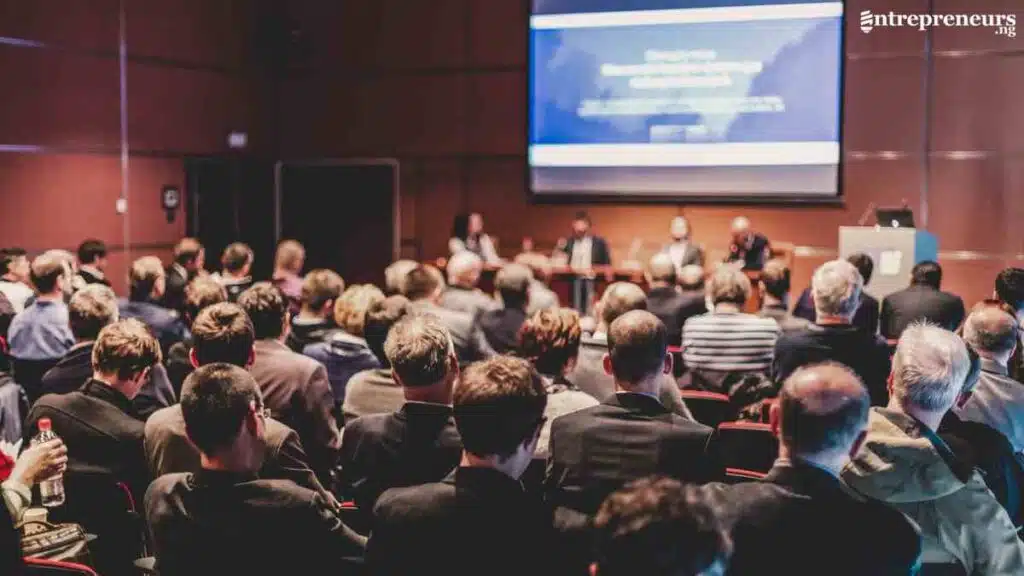
Event marketing has always been one of the most reliable ways to cut through the noise and create a genuine connection.
In my experience working with entrepreneurs, I have seen how a simple idea becomes a successful event when supported by the right tools. A platform that is helping people do this well is PosterMyWall.
In this guide, I will share clear strategies, practical insights, and a complete roadmap to help you plan, promote, and sell out your events with confidence.
Key Takeaways
- Event marketing remains one of the most effective ways to build visibility, deepen engagement, and create meaningful connections with your audience.
- A successful event depends on clear goals, strong messaging, consistent promotion, and a seamless registration and delivery experience.
- Virtual, hybrid, and in-person formats each offer unique advantages, allowing you to choose the structure that best supports your event marketing strategy.
- Creative consistency, data-driven decisions, and a structured follow-up process help you maximise results and strengthen long-term brand impact.
What Is Event Marketing
Event marketing is the practice of using an organised experience to promote a brand, product, service, or message.
It is one of the most effective ways to create genuine attention because people engage more deeply when they step into an environment that is built for them.
At its core, event marketing brings people together around a purpose, whether through an in-person gathering, a virtual session, or a hybrid experience.
Each format gives you a structured way to communicate value, demonstrate expertise, and connect your message to the right audience.
PosterMyWall has made this process easier for entrepreneurs by helping them design event materials, create event pages, and manage promotional content in one place.
This reduces the complexity that usually slows businesses down when preparing for an event.
Event marketing works best when the experience aligns with what the audience wants, the message is clear, and the delivery is intentional.
It sets the foundation for awareness, participation, and long-term engagement.
How Event Marketing Works
Event marketing works by guiding people through a structured journey that moves them from awareness to participation and finally to meaningful engagement.
Over the years, I have seen that when this journey is intentional, the results are predictable. The process relies on a clear message, the right audience, and consistent promotion across the channels your audience already uses.
The Event Marketing Flow
The effectiveness of event marketing comes from how each stage supports the next.
Here is a simple view of how the process works.
| Stage | What Happens | A well-designed landing page increases conversions |
|---|---|---|
| Awareness | People discover your event through email, social media, partnerships, or ads | Your audience cannot register if they do not know the event exists |
| Interest | Attendees review your event page, agenda, speakers, and value | This is where they decide if it is worth their time |
| Registration | People sign up for the event | Strong engagement improves satisfaction and long-term loyalty |
| Engagement | Attendees actively participate during the event | Strong engagement improves satisfaction and long term loyalty |
| Follow Up | You reconnect with attendees after the event | This converts interest into leads, sales, or ongoing community growth |
How Channels Support the Process
Different channels play different roles in how event marketing works. Email builds anticipation, social media creates buzz, partnerships expand reach, and targeted ads accelerate visibility.
When these channels work together, your event has a wider footprint and stronger registrations.
The Role of Consistency in Event Marketing
Events succeed when your messaging, visuals, and timing are aligned. It is essential to use the right tool for your event planning and promotion.
Platforms like PosterMyWall help keep the process consistent because your event page, designs, and promotional materials can be created and managed in one place.
Consistency reassures your audience and increases the likelihood of registration and attendance.
Why This Process Works So Well
Event marketing works because it blends information with experience. People are more willing to trust a brand when they have interacted with it in a structured environment.
The journey creates clarity, builds confidence, and sets the stage for conversion.
Importance of Event Marketing
Event marketing continues to play an essential role in how brands attract and engage audiences. I have seen entrepreneurs rely on events because people still want real connection in a world that often feels crowded with digital messages.
According to a report by Statista, more than 70 percent of marketers believe event marketing is one of the most effective ways to generate qualified leads.
When someone chooses to attend your event, whether online or in person, they are giving you focused attention that is hard to earn elsewhere.
Human Connection Remains a Priority
People still value experiences that feel genuine and personal. This is one of the main reasons event marketing remains important.
An event gives your audience a chance to hear you, see you, and interact with your message in a way that builds trust.
Even with the rise of digital platforms, the desire for real engagement has not changed.
In-Person Events Are Growing Again
In-person events have made a strong return. Audiences are more open to showing up physically for workshops, conferences, exhibitions, and product launches.
This renewed appetite for face-to-face interaction gives businesses an opportunity to create memorable moments that strengthen brand perception and deepen relationships.
Virtual and Hybrid Events Expand Global Reach
Virtual and hybrid events remain important because they help you reach audiences who would never be able to attend physically.
I have worked with entrepreneurs who grew their audiences across multiple countries simply by hosting virtual sessions.
Hybrid formats also give you the best of both worlds because they deliver personal interaction while extending participation beyond the room.
AI Is Transforming Event Planning and Promotion
The rise of AI has changed how event marketing works. From content creation to design and scheduling, AI tools help entrepreneurs move faster.
This is where platforms that integrate AI become valuable because they shorten the time it takes to prepare promotional materials and launch an event campaign. PosterMyWall helps you seamlessly do this.
When technology supports creativity, event marketing becomes more accessible for small businesses.
Events Strengthen Credibility and Differentiation
Events help brands stand out in competitive markets. When you host an event, you position yourself as an authority and create a platform where your expertise is on display.
This level of visibility builds trust and makes your brand more memorable. People are more likely to buy from businesses they have interacted with in a meaningful way.
Events Deliver First Party Insights
Another advantage of event marketing is the quality of data you gather. Registration details, feedback, engagement patterns, and post-event responses give you clear insight into your audience.
This type of first-party data is becoming even more important as privacy laws evolve. Entrepreneurs who understand their audience well create stronger marketing campaigns and make better business decisions.
Here is a summary of the core reasons event marketing remains important:
| Reason | Why It Matters |
|---|---|
| Human connection | People want authentic experiences |
| First-party insights | Stronger engagement and relationship building |
| Virtual and hybrid | Wider reach and flexible participation |
| AI enhancement | Faster planning and promotion |
| Credibility boost | Positions your brand as a trusted authority |
| First party insights | Better targeting and smarter decisions |

Types of Events for Effective Marketing
Different types of events serve different marketing goals, and choosing the right format is one of the most important decisions you will make.
The best results come from selecting an event type that aligns with your audience, your message, and the level of interaction you want to create.
Event marketing works across several formats, but each delivers value in its own way.
In-Person Event Formats
In-person events allow you to build deeper relationships because people connect more easily face-to-face.
These events create stronger emotional engagement and often lead to higher conversions.
| Skill-based sessions | Best Used For | Strength |
|---|---|---|
| Conferences and summits | Large audiences and industry positioning | Strong networking and brand visibility |
| Workshops and masterclasses | Hands-on learning and deeper engagement | Education-based marketing |
| Networking events | Community building | Direct conversation and relationship development |
| Trade shows and exhibitions | Product showcasing | High intent audiences |
| Product launches | New product introduction | High energy brand awareness |
| Seminars and training sessions | Education based marketing | Authority building |
Virtual Event Formats
Virtual events remain a key part of event marketing because they make it possible to reach global audiences without location or travel barriers.
They are also easier to scale and more cost-effective.
| Virtual Event Type | Best Used For | Strength |
|---|---|---|
| Webinars | Education and lead generation | Fast setup and strong reach |
| Online workshops | Skill training | Interactive learning at scale |
| Virtual conferences | Global thought leadership | Builds long-term audience loyalty |
| Virtual summits | Authority building | Collaboration with speakers across markets |
| Livestream product demos | Product visibility | High engagement and shareability |
| Digital community sessions | Continuous engagement | Builds long term audience loyalty |
Hybrid Event Formats
Hybrid events combine the best parts of in-person and virtual event marketing. They maximise reach while keeping the personal connection of physical gatherings.
| Hybrid Event Type | Best Used For | Strength |
|---|---|---|
| Conferences with livestream access | Large diverse audiences | Both physical presence and global reach |
| Multi location events | Regional engagement | Consistent brand experience across locations |
| Hybrid workshops | Training sessions | Blended participation and flexibility |
| Hybrid launches | New product releases | Wider visibility with in room energy |
The format you choose should support your event marketing strategy and match how your audience prefers to engage.
If your audience values hands-on interaction, an in-person workshop works well. If you want to attract global participants, a virtual or hybrid event will deliver better results.
The more aligned the format is with your objective, the stronger the performance of your event marketing campaign.
Event Marketing Strategies That Work
Effective event marketing relies on clear strategy, strong positioning, and intentional communication.
Over the years, I have noticed that events succeed when you understand what your audience needs, craft a message that speaks to them, and promote the event consistently across the right channels.
A good event marketing strategy helps you attract the right people and guide them toward registration and meaningful participation.
Define Clear Goals and KPIs
Strong event marketing begins with clarity. You need to know what you want the event to achieve and how success will be measured.
Goals shape your messaging, audience selection, and promotion approach. Without them, your efforts become scattered.
| Goal Type | Example | How It Guides Strategy |
|---|---|---|
| Awareness | Introduce a new product | Focus on wide reach and high visibility |
| Lead generation | Collect qualified leads | Focus on urgency, testimonials, and strong follow-up |
| Sales | Sell a course or service | Encourage two-way interaction and conversations |
| Community | Build ongoing engagement | Encourage two way interaction and conversations |
Clear goals make your event marketing plan stronger and improve your ability to refine future events.
Understand Your Audience
Event marketing works best when you speak directly to the people who need what you offer. This requires understanding their behaviour, motivations, and challenges.
When your message aligns with what your audience cares about, registration and attendance increase naturally.
You can use simple audience profiles to streamline your event marketing decisions.
| Audience Type | What They Care About | Best Event Type |
|---|---|---|
| Professionals | Skills and advancement | Workshops and seminars |
| Entrepreneurs | Growth and visibility | Masterclasses and summits |
| Consumers | Experience and entertainment | Launches and activations |
| Global audiences | Accessibility and convenience | Virtual events |
This clarity guides everything from your event title to your promotional content.
Craft a Compelling Event Value Proposition
Your event value proposition is the reason someone should attend. It must be clear, specific, and outcome-focused.
A strong event value proposition increases conversions on your event registration page and strengthens your event marketing strategy.
The best value propositions complete these statements clearly:
| Question | Example Answer |
|---|---|
| Who is the event for | Early stage entrepreneurs |
| What will they gain | A practical roadmap for their next business milestone |
| Why should they trust you | Expertise, experience, or proven results |
When your value proposition is focused, people understand the benefit instantly and are more likely to register.
Select the Right Channels for Promotion
Your event marketing results depend on where and how you show up. Each channel plays a different role and attracts specific types of attention.
Using multiple channels increases visibility and strengthens your event promotion plan.
| Channel | Strength | Best Used For |
|---|---|---|
| High intent and direct communication | Announcements, reminders, and follow up | |
| Social media | Awareness and community engagement | Pre event buzz and ongoing conversation |
| Partners | Added credibility | Expanding reach and attracting new audiences |
| Paid ads | Fast visibility | Targeting specific segments |
| PR | Media attention | Authority positioning |
Well-planned promotion helps your event stay visible from the moment you announce it to the day it begins.
Build a Strong Content Strategy for Events
Relevant content is at the heart of an effective event marketing strategy. It helps your audience understand the importance of your event and keeps them engaged before the event day.
A content strategy should include:
| Content Type | Purpose |
|---|---|
| Event posters and banners | Create initial awareness |
| Speaker cards | Build authority and interest |
| Agenda highlights | Explain value quickly |
| Short videos | Increase engagement |
| FAQs | Reduce friction and uncertainty |
This consistency helps people feel more connected to the event and keeps your registration page active.
Streamline Creativity and Messaging
Event marketing strategies thrive when the visuals and messaging remain clear and cohesive.
I have seen entrepreneurs spend too much time jumping between different tools for design, scheduling, and updates. It slows down momentum and reduces promotional consistency.
Centralised event creation tools have become part of modern event marketing strategy. When you can design materials, create an event page, and schedule promotional content in one place, you reduce friction and move from planning to execution faster.
You stay in flow and maintain brand consistency without thinking about it. Do this with PosterMyWall
Use AI and Automation to Support Your Efforts
AI has added a new layer of efficiency to event marketing. You can now generate copy ideas, repurpose content, and adapt visuals without starting from scratch.
For entrepreneurs with small teams, this reduces the pressure of handling everything manually. When used well, AI helps you focus on strategy while technology handles the heavy lifting.
How to Create an Event Marketing Plan
A strong event marketing plan gives your event structure, clarity, and direction.
An effective event marketing plan aligns your goals, audience, messaging, and promotional activities so your efforts move in one direction.
Step 1: Set Clear Objectives
Every event begins with a clear purpose. Your objectives determine the type of event you choose, the message you communicate, and the channels you use for promotion.
| Objective | Example | What It Influences |
|---|---|---|
| Awareness | Introduce a new product | Event theme and promotional messaging |
| Lead generation | Grow your sales pipeline | Registration form and follow up flow |
| Sales | Sell tickets or a core offer | Pricing structure and urgency tactics |
| Community | Create ongoing engagement | Event format and communication style |
Clear objectives allow you to design an event marketing plan that serves a defined outcome rather than a general intention.
Step 2: Build an Audience Profile
Your event marketing plan becomes stronger when you know who you are creating the event for. Audience clarity shapes your event format, content style, timing, and promotional channels.
| Audience Segment | What They Want | Best Event Format |
|---|---|---|
| Professionals | Career growth and insights | Workshops and seminars |
| Entrepreneurs | Practical guidance | Masterclasses and virtual sessions |
| Consumers | Experiences and entertainment | Launches and activations |
| Global audiences | Accessibility | Virtual or hybrid events |
Knowing your audience helps you design messaging that speaks directly to their needs.
Step 3: Define Your Budget and Resources
Your budget determines the scale of your event and the creative decisions you make. It covers venue or platform costs, promotional activities, speaker fees, tools, and contingency.
| Cost Category | In Person | Virtual | Hybrid |
|---|---|---|---|
| Venue | Required | Not required | Required |
| Tech platform | Basic | Essential | Essential |
| Promotion | Required | Required | Required |
| Production | Moderate | Low | Higher |
| Team support | Moderate | Low | Moderate |
Planning your resources early keeps your event grounded and reduces last minute pressure.
Step 4: Choose the Right Event Format
Your event format should align with your objectives and audience preferences. If you want deep engagement, an in-person workshop works well.
If you want global reach, a virtual event delivers stronger results. Hybrid formats offer flexibility for both.
The right format strengthens your event marketing plan by ensuring your event experience matches your goals.
Step 5: Build an Event Promotion Timeline
A timeline is one of the most important parts of an event marketing plan. It helps you stay consistent and prevents last-minute rushes.
I usually recommend a structured timeline that begins 8 to 12 weeks before the event.
| Timeline Phase | Activity |
|---|---|
| Week 8 to 6 | Event announcement and early bird |
| Week 6 to 4 | Speaker highlights and agenda teasers |
| Week 4 to 2 | Social media series and email reminders |
| Week 2 to 1 | Countdown content and final push |
| Week 1 | Last minute urgency sequence |
| Post event | Follow up and content repurposing |
A good timeline ensures your event stays visible throughout the entire marketing cycle.
Step 6: Create a High-Converting Event Landing Page
Your landing page is where your event marketing plan comes together. It presents value, builds trust, and prompts registration.
A clear layout, strong headline, and simple registration process increase conversions.
A strong event landing page includes:
| Element | Purpose |
|---|---|
| Event title | Captures immediate attention |
| Description | Explains the value clearly |
| Agenda | Shows structure and relevance |
| Speaker lineup | Builds credibility |
| Testimonies | Increases trust |
| Pricing | Clarifies commitment |
| FAQs | Reduces uncertainty |
| Strong CTA | Drives registration |
Designing these elements in a visually coherent way strengthens your event marketing campaign.
Step 7: Execute a Multi-Channel Promotion Plan
Promotion is where your event begins to take shape. A complete event marketing plan uses several channels working together.
Email builds anticipation, social media creates visibility, and partnerships expand reach.
Your plan can include:
| Channel | Campaign Type |
|---|---|
| Announcement, reminders, follow ups | |
| Social media | Visuals, videos, speaker cards |
| Partners | Cross promotion and list sharing |
| Ads | Retargeting and awareness |
| Communities | Group sharing and engagements |
A multi-channel strategy increases your event’s visibility and attracts a diverse audience.
Step 8: Prepare for Event Delivery
Execution is as important as promotion. This is where your preparation comes to life. You need to align your speakers, confirm your tools, and prepare your engagement activities.
| Preparation Area | Requirement |
|---|---|
| Speakers | Confirm roles and talking points |
| Platform or venue | Test audio, visuals, and flow |
| Engagement | Prepare polls, Q and A, and prompts |
| Communication | Share instructions and reminders |
Good preparation leads to a smooth event experience.
Step 9: Plan Your Post-Event Follow-Up
Your event marketing plan does not end when the event is over. You need to deepen the relationship with your attendees.
A well-crafted follow-up sequence helps you convert interest into long-term engagement.
Your follow-up plan can include:
| Follow Up Step | Purpose |
|---|---|
| Thank you message | Appreciation and connection |
| Replay link | Continued value |
| Survey | Collect feedback |
| Offer or next step | Move attendees into your pipeline |
| Content repurposing | Extend event value |
Where Creative Tools Strengthen Your Event Marketing Plan
A well-executed event marketing plan requires visuals, pages, and consistent content. Creativity becomes easier when you have tools that allow you to build everything in one workspace.
When you can design an event page, create promotional materials, and schedule posts without switching between multiple tools, you give yourself more time to focus on strategy and audience engagement.
This creative flow is what helps an event move from planning to execution smoothly. One of the platforms that helps you do this seamlessly is PosterMyWall.
I will briefly touch on virtual events because of the globalisation of businesses.
Virtual Event Marketing
Virtual event marketing has become an essential part of how entrepreneurs reach larger and more diverse audiences.
Virtual events work especially well when you want to remove geographical limits, reduce costs, and connect with people who may never attend an in-person event.
This format allows you to focus on content quality and accessibility while still delivering a meaningful experience.
Why Virtual Event Marketing Works
Virtual events perform well because they give audiences the flexibility to join from anywhere. People are more likely to register when attendance is convenient, and businesses benefit from reaching wider markets without increasing costs.
This combination of convenience and reach is what makes virtual event marketing a strong strategy for many entrepreneurs.
Key Drivers of Virtual Event Success
Virtual event marketing succeeds when the experience feels structured and engaging. Here are the main factors that influence results.
| Success Factor | Why It Is Important |
|---|---|
| Clear topic and strong value | Helps attract global audiences |
| Simple registration flow | Reduces drop off and increases signups |
| Interactive elements | Keeps attendees engaged |
| Quality production | Improves perception and credibility |
| Consistent reminders | Increases attendance rate |
When these elements work together, virtual events deliver strong engagement and better conversion opportunities.
How to Structure a Virtual Event for Maximum Reach
Virtual event marketing becomes more effective when the event is designed around participation rather than presentation.
Clear sessions, short content segments, and interactive elements create a memorable experience.
| Component | Role in the Event |
|---|---|
| Opening segment | Sets the tone and builds energy |
| Core content | Delivers value and insights |
| Q and A or polls | Encourages participation |
| Breakouts (optional) | Supports deeper engagement |
| Closing segment | Reinforces the message and next steps |
A structured virtual event helps your audience stay focused from beginning to end.
Promotion Strategy for Virtual Events
Because virtual events attract broader audiences, the promotion strategy needs strong visibility across channels.
Social media posts, email sequences, influencer collaboration, and community outreach play key roles in generating interest.
| Channel | How It Helps Virtual Events |
|---|---|
| Drives high intent registrations | |
| Social media | Builds buzz and visibility |
| Partners | Expands reach to new audiences |
| Short form video | Creates curiosity and urgency |
Consistency across these channels increases the impact of your virtual event marketing.
Boosting Engagement in Virtual Events
Engagement determines whether your audience stays through the event or drops off early. Adding interactive elements can improve attention and participation.
Here are engagement tools that work well:
| Engagement Tool | Benefit |
|---|---|
| Polls | Encourages active participation |
| Live chat | Creates community feeling |
| On screen prompts | Keeps attention focused |
| Interactive slides | Adds energy to the session |
| Downloadable resources | Extends value beyond the event |
Small adjustments often make a big difference in how people experience your event.
Post Event Opportunities
Virtual event marketing has one major advantage. Everything can be repurposed. With recordings, slides, and chat highlights, you have enough material to nurture new leads for months.
Repurposing opportunities include:
| Content Type | Use Case |
|---|---|
| Replay | Lead magnet or follow up content |
| Short clips | Social media marketing |
| Quotes | Promotional graphics |
| Slides | Educational posts |
| Summary notes | Newsletter content |
This is how one virtual event continues to generate value long after the session is over.

How to Promote Your Event
Event promotion is the stage where awareness turns into interest and interest becomes registrations.
A strong promotion plan combines clarity, consistency, and creativity. The goal is simple. You want the right people to see your event, understand its value, and feel motivated to sign up.
Effective event promotion uses multiple channels that reinforce each other, which strengthens your overall event marketing strategy.
Build a High-Visibility Promotion Plan
A strong promotion plan begins with clear messaging that highlights what makes your event worth attending.
The message should be simple enough for someone to repeat and strong enough to spark curiosity. Once this is defined, the channels you choose help amplify that message at scale.
Email Marketing for Event Promotion
Email remains one of the most effective ways to promote an event because it reaches people who already know or trust your brand.
The key is to send structured, timely communication that guides your audience toward registration.
| Email Type | Purpose |
|---|---|
| Announcement email | Introduces the event |
| Value email | Shares what attendees will learn |
| Early bird email | Encourages early conversion |
| Reminder email | Reduces drop off |
| Final call email | Drives last minute registrations |
A clear subject line and a simple call to action increase the success of your email campaign.
Social Media Promotion
Social media gives you continuous visibility and allows you to create momentum over time. The most effective social media promotion uses both educational and engaging content.
The right mix includes visuals, short videos, countdowns, and speaker highlights.
| Social Content Type | How It Helps |
|---|---|
| Posters and banners | Creates instant awareness |
| Short form videos | Boosts reach and engagement |
| Speaker cards | Adds credibility |
| Carousel breakdowns | Explains value quickly |
| Stories and countdowns | Build urgency |
This variety keeps your audience engaged and reinforces your core message.
Partnerships and Influencer Promotion
Partnerships are a powerful way to expand reach and borrow trust from aligned brands or individuals.
Influencers, speakers, and industry communities often help you reach audiences you could not reach on your own.
A simple co-promotion request or a shared post can significantly increase your event’s visibility.
| Partner Type | Benefit |
|---|---|
| Industry leaders | Trust and authority |
| Community groups | Targeted reach |
| Brands | Stronger credibility |
| Speakers | Built in audiences |
Partnerships work best when both sides benefit from increased visibility.
Paid Advertising for Events
Paid ads help you reach people outside your existing audience. They are useful when you want to scale visibility quickly or target specific demographics.
| Ad Type | Benefit |
|---|---|
| Social ads | High engagement and precise targeting |
| Search ads | High intent traffic |
| Retargeting ads | Reminds visitors who did not register |
Even a small budget can make a significant difference when used strategically.
Create a Consistent Content Rhythm
Event promotion works best when your content follows a consistent rhythm. People need multiple touchpoints before registering.
Keeping your message visible across channels increases familiarity and reduces hesitation.
Here is a simple promotion rhythm that works well:
| Week | Content Style |
|---|---|
| Week 1 | Event announcement |
| Week 2 | Agenda highlights |
| Week 3 | Speaker features |
| Week 4 | Urgency-based posts |
| Week 5 | Countdown reminders |
| Final days | Urgency based posts |
This structure ensures ongoing engagement without overwhelming your audience.
Enhance Promotion With Creative Assets
Visuals play an important role in event promotion. They help your event stand out and communicate its value quickly.
A well-designed event poster or social card often performs better than text-only posts.
Business owners usually prefer tools that let them create all their promotional assets in a single workspace (a typical example is PosterMyWall) because it keeps branding consistent and reduces the time needed to design and publish content.
Strengthen Event Promotion With a Clear Call to Action
Once your event has visibility, your call to action is what converts interest into registrations. A strong CTA is clear, benefit-driven, and easy to act on.
It should answer two questions instantly. What do you want people to do and why should they do it now.
Event Marketing Ideas
These ideas work across in-person, virtual, and hybrid events, and they support your broader event marketing strategy by adding energy and variety to your promotional efforts.
Build Early Momentum With Teasers
Teasers give your audience an early look at what your event will offer. They work well because they create anticipation and help you stay visible before your main promotional push.
| Teaser Type | Benefit |
|---|---|
| Short videos | Captures interest quickly |
| Countdown posts | Builds anticipation |
| Behind the scenes clips | Creates personal connection |
| Agenda snapshots | Helps people understand value |
Teasers set the tone and keep your audience curious.
Use Interactive Promotional Content
Interactive content helps your audience feel more involved in your event before it begins. It works because people enjoy feeling included and valued.
| Interactive Content Type | Result |
|---|---|
| Polls | Increases participation |
| Q and A prompts | Builds curiosity |
| Quizzes | Helps personalise your promotion |
| Topic selection polls | Gives your audience influence |
These ideas help you generate engagement and gather useful insights.
Leverage Speaker and Partner Content
Speakers and partners bring built-in audiences who trust their voice. When they share event promotions, your reach expands naturally.
This can significantly improve your event marketing results.
| Content Type | How It Helps |
|---|---|
| Speaker introduction videos | Adds credibility |
| Partner announcement posts | Extends your reach |
| Co created promo graphics | Streamlines collaboration |
| Joint live sessions | Creates momentum |
Partner involvement gives your event more authority.
Create Value-Driven Pre-Event Content
Value-driven content helps your audience understand what they will gain. It makes your event more attractive and positions you as a trusted voice.
| Content Type | Purpose |
|---|---|
| Educational posts | Builds authority |
| Case studies | Demonstrates results |
| Problem based posts | Connects with audience pain points |
| Micro lessons | Gives a taste of the event |
These ideas make your event feel necessary rather than optional.
Highlight Social Proof Early
People are more likely to attend events others are excited about. Social proof gives your audience confidence and reduces hesitation.
| Social Proof Format | Benefit |
|---|---|
| Reviews | Builds trust |
| Testimonials | Increases credibility |
| User generated content | Creates authenticity |
| Screenshots of conversations | Shows real interest |
This helps strengthen your event promotion and supports conversion.
Use Real Time Engagement
Real-time engagement gives your audience a sense of energy. It allows you to connect with people in the moment and drive immediate interest.
| Real Time Idea | Benefit |
|---|---|
| Live Q and A | Encourages signups |
| Live countdown sessions | Adds urgency |
| Pop-up livestreams | Builds familiarity and visibility |
These ideas work well for both virtual and hybrid events.
Use Event Themed Visual Campaigns
A strong visual identity keeps your event memorable. When your visuals are consistent, your event appears more organised and credible.
Many entrepreneurs rely on creative tools that help them design posters, banners, social cards, and speaker features in one place because it keeps the entire visual campaign aligned with the event theme.
Offer Incentives to Boost Registrations
Incentives work because they give people an additional reason to register early or share your event with others.
| Incentive Type | Use Case |
|---|---|
| Early bird pricing | Drives early signups |
| Group discounts | Encourages team participation |
| Exclusive bonuses | Increases perceived value |
| Referral rewards | Expands reach organically |
These ideas can strengthen your event marketing plan and increase conversions.
How to Sell Out Your Event
Selling out an event requires clarity, intention, and consistent execution. Events fill up when the value is clear, the audience feels understood, and the promotion creates both desire and urgency.
A sell-out event is not the result of luck. It is the result of a structured approach that guides people from awareness to commitment.
These strategies work for in-person, virtual, and hybrid events, and they support your wider event marketing goals by turning interest into confirmed registrations.
Strengthen Your Event Offer
A strong offer is at the heart of a sell-out event. People register when the value is unmistakable, and the transformation is easy to understand.
| Offer Element | Why It Matters |
|---|---|
| Clear promise | Helps people understand what they gain |
| Strong outcome | Makes the event feel necessary |
| Defined audience | Shows who the event is designed for |
| Simple pricing | Reduces friction and confusion |
An irresistible offer increases conversion even before your promotion begins.
Use Pricing and Incentives Strategically
Pricing plays an important role in driving early signups and guiding purchasing decisions. The right mix of pricing options encourages people to commit early and share the opportunity with others.
| Pricing Option | Benefit |
|---|---|
| Early bird pricing | Creates urgency and rewards fast action |
| Tiered pricing | Gives people options that suit their budget |
| Group discounts | Encourages teams to sign up together |
| Limited access bonuses | Increases perceived value |
Strategic pricing is one of the simplest ways to influence buying behaviour.
Build Trust With Social Proof
People trust the experiences of others. Sharing evidence that your event is worth attending makes your audience more confident in their decision.
| Social Proof Type | Impact |
|---|---|
| Testimonials | Shows real results |
| Reviews | Increases confidence |
| Speaker endorsements | Adds credibility |
| Past event highlights | Demonstrates quality |
Social proof strengthens your event marketing strategy and reduces hesitations.
Create a High-Converting Registration Experience
Your registration page should answer every question your audience has before they commit. When the experience is smooth, your registration numbers increase naturally.
| Page Element | Role |
|---|---|
| Clear headline | Explains the event purpose |
| Strong visuals | Creates immediate interest |
| Agenda | Shows value at a glance |
| Speaker list | Builds trust |
| FAQs | Removes uncertainty |
| Direct CTA | Encourages commitment |
A seamless registration flow is one of the strongest drivers of conversion.
Build Urgency the Right Way
Urgency encourages people to make decisions sooner rather than later. It needs to be honest and aligned with your event capacity or pricing structure.
Common urgency triggers include:
| Trigger | How It Works |
|---|---|
| Early bird deadline | Encourages fast action |
| Limited seats | Creates scarcity |
| Countdown reminders | Keeps the deadline top of mind |
| Bonus expiry | Motivates immediate decisions |
Used well, urgency can double or triple registration numbers.
Engage Your Audience Before the Event
Pre-event engagement prepares your audience emotionally and mentally for the experience. It helps them feel connected before the event begins.
| Engagement Activity | Benefit |
|---|---|
| Welcome message | Sets expectations |
| Pre event resources | Adds early value |
| Live introduction session | Builds anticipation |
| Speaker voice notes or clips | Strengthens connection |
This creates momentum that carries into event day.
Strengthen Your Follow-Up Strategy
A strong follow-up strategy is essential for sell-out events. Often, people are interested but need a final nudge.
Your follow-up can include:
| Follow Up Type | Purpose |
|---|---|
| Reminder emails | Keeps the event top of mind |
| CTA focused messages | Reinforces value |
| Countdown updates | Drives urgency |
| Limited slot notifications | Encourages action |
The more intentional your follow-up, the higher your registration rate.
Event Marketing Best Practices
Event marketing works best when you follow practices that support clarity, consistency, and audience engagement.
Start Planning Early
Early planning gives you more time to refine your message, organise logistics, and promote your event properly.
When you begin early, you reduce pressure and increase the quality of your communication.
| Planning Stage | Benefit |
|---|---|
| Idea stage | Clarifies purpose |
| Pre launch | Builds anticipation |
| Promotion phase | Increases visibility |
| Event week | Reduces stress |
Early planning also helps you act on opportunities like partnerships and collaborations that require more time.
Keep Your Messaging Clear
Clear messaging is essential in event marketing. People need to understand what your event is about, who it is for, and what they will gain.
Simple and direct language helps remove confusion and motivates your audience to register with confidence.
| Messaging Element | Role |
|---|---|
| Event promise | Communicates benefit |
| Audience focus | Shows who the event is for |
| Outcome clarity | Highlights transformation |
| Tone consistency | Builds trust |
Clarity prevents your audience from feeling overwhelmed.
Maintain Consistent Branding
Consistent visuals and messaging help your event appear professional. A unified look across posters, banners, and promotional content strengthens recognition and builds credibility.
| Branding Element | Importance |
|---|---|
| Colours | Supports recall |
| Typography | Creates identity |
| Imagery | Sets the mood |
| Layouts | Improves readability |
Consistent branding helps your event stand out among other events competing for attention.
Use Multi-Channel Promotion
Events perform better when you promote them across multiple touchpoints. Your audience is scattered across platforms, and showing up where they spend time increases visibility.
| Channel | Benefit |
|---|---|
| Social media | Builds awareness |
| Drives high intent signups | |
| Communities | Reaches targeted audiences |
| Partnerships | Expands credibility |
| Ads | Scales reach quickly |
A multi-channel approach ensures your message reaches the right people at the right time.
Focus on Attendee Experience
A great attendee experience increases engagement and improves post-event outcomes. Whether your event is virtual or in person, the quality of the experience shapes how people perceive your brand.
| Experience Element | Impact |
|---|---|
| Smooth registration | Reduces drop off |
| Clear agenda | Manages expectations |
| Engaging speakers | Enhances connection |
| Interactive segments | Improves participation |
| Good communication | Builds trust |
Audience experience determines how memorable your event becomes.
Leverage Data for Improvement
Data is one of your most important assets in event marketing. It helps you refine your strategy and understand what your audience responds to.
| Data Type | Use Case |
|---|---|
| Registration metrics | Measures interest |
| Attendance numbers | Shows engagement |
| Feedback surveys | Identifies gaps |
| Click through rates | Refines marketing |
| Conversion data | Guides follow up |
When you evaluate your data, you make better decisions for future events.
Create a Post-Event Strategy
Your relationship with attendees should not end once your event is over. A thoughtful post-event strategy helps you nurture leads, convert sales, and build long-term community.
| Follow Up Type | Purpose |
|---|---|
| Thank you message | Builds goodwill |
| Event replay | Extends value |
| Survey | Collects insights |
| Next step offer | Encourages conversion |
| Content repurposing | Expands reach |
Strong post-event activity improves your overall event marketing performance.
Encourage Community Building
Community is an important part of event marketing. Events create opportunities for people to interact, collaborate, and share insights.
Encouraging community makes your event more meaningful and increases long-term engagement.
| Community Element | Impact |
|---|---|
| Group discussions | Builds connection |
| Peer introductions | Strengthens trust |
| Shared resources | Adds value |
| Networking sessions | Creates relationships |
A strong community makes your audience more likely to attend future events.
How to Define Event Marketing Success
Event marketing success depends on clear metrics that show how well your event performed and whether it achieved its objectives.
Key Metrics for Measuring Event Marketing Success
Each event has specific goals, but certain metrics consistently help you evaluate performance.
These metrics reveal how well your event marketing strategy worked and where you can adjust for future events.
| Metric | What It Measures | Why It Matters |
|---|---|---|
| Registration numbers | Interest level | Shows how appealing your event is |
| Attendance rate | Engagement commitment | Indicates strength of your promotion and reminders |
| Participation metrics | Interaction during the event | Helps assess audience connection |
| Lead quality | Relevance of attendees | Guides future targeting |
| Sales or conversions | Revenue or goal completion | Measures direct business impact |
| Feedback scores | Attendee satisfaction | Reveals experience quality |
| Referral intent | Likelihood of sharing | Shows community and trust strength |
These metrics give you a complete picture of how well your event performed.
Pre Event Success Indicators
Success begins before the event itself. You can predict outcomes by monitoring early indicators within your event marketing plan.
| Indicator | Meaning |
|---|---|
| Early registrations | Strong initial interest |
| Email open rates | Effective messaging |
| Social engagement | High visibility |
| Landing page performance | Strong value proposition |
| Partner amplification | Extended reach |
Tracking these early signals helps you adjust your promotion strategy while there is still time.
During Event Success Indicators
The way people engage during the event reveals how well the content and structure resonate with your audience.
| Engagement Type | What It Reveals |
|---|---|
| Poll participation | Attendee interest |
| Chat activity | Strong audience connection |
| Session attendance | Content relevance |
| Retention rate | Quality of presentation |
| Q and A volume | Active involvement |
High engagement during the event shows that your audience is receiving value and staying connected.
Post Event Success Indicators
Post-event performance helps you understand the long-term effect of your event marketing efforts.
| Indicator | Meaning |
|---|---|
| Replay views | Continued interest |
| Survey results | Satisfaction level |
| Follow up conversions | Lead quality |
| Social mentions | Extended visibility |
| Return attendee rate | Brand loyalty |
Post-event results reveal how well you maintained connection after the event ended.
How to Assess Event ROI
Return on investment gives you a clear view of whether your event contributed positively to your business goals. ROI combines revenue, leads, engagement, and long-term value.
| ROI Component | Description |
|---|---|
| Direct revenue | Ticket or product sales |
| Lead value | Quality and potential of new leads |
| Cost efficiency | How well your budget performed |
| Content value | Repurposing potential |
| Long term impact | Repeat attendance or referrals |
A positive ROI signals that your event marketing strategy is working.
Align Success Metrics With Event Type
Different event types require different measurements. What defines success for an in-person conference may not be the same for a virtual webinar.
| Event Type | Success Focus |
|---|---|
| In person | Attendance, engagement, connection |
| Virtual | Reach, participation, retention |
| Hybrid | Combined attendance, engagement balance |
| Product launch | Sales and brand visibility |
| Webinar | Lead generation and conversion |
When your metrics match your event type, you get more accurate insights.
Event Marketing Checklist
A strong checklist ensures nothing important is missed, and your event marketing strategy stays focused on the right actions.
Pre-Event Planning Checklist
These items form the foundation of your entire event marketing plan.
| Task | Purpose |
|---|---|
| Define event goals | Clarifies direction |
| Identify target audience | Shapes your messaging |
| Choose event format | Aligns with reach and engagement goals |
| Set a realistic budget | Guides resource allocation |
| Select date and time | Supports maximum attendance |
| Choose event theme | Sets the tone and message |
| Identify speakers or hosts | Builds credibility |
| Create event value proposition | Strengthens positioning |
A strong foundation improves every aspect of your event marketing process.
Event Content and Creative Checklist
Your event visuals and content play a major role in audience perception and registration decisions. They need to be consistent, clear, and visually strong.
| Task | Purpose |
|---|---|
| Create event posters and banners | Builds awareness |
| Design speaker cards | Adds authority |
| Develop agenda graphics | Improves clarity |
| Create promo videos | Boosts engagement |
| Build event landing page | Supports conversion |
| Prepare presentation slides | Enhances delivery |
This is where a centralised creative workspace like PosterMyWall becomes useful. Instead of switching between multiple tools, entrepreneurs can design all event assets, build an event page, and keep visuals consistent in one place.
This reduces friction and keeps the creative process flowing smoothly.
Event Promotion Checklist
Promotion determines how many people discover your event and how motivated they feel to register. A structured promotion checklist keeps your strategy consistent across channels.
| Channel | Task |
|---|---|
| Email marketing | Write announcement, value, reminder, and final call emails |
| Social media | Create posts, reels, carousels, and countdowns |
| Partnerships | Coordinate co promotion with partners and speakers |
| Paid ads | Run awareness and retargeting ads |
| Communities | Share updates in relevant groups |
Consistent promotion ensures your event stays visible from the moment it is announced to the day it begins.
Registration and Conversion Checklist
A smooth registration experience increases conversions and reduces drop-off.
| Component | Task |
|---|---|
| Landing page | Optimise headline, value, agenda, and CTA |
| Registration form | Simplify fields to reduce friction |
| Confirmation email | Provide next steps and expectations |
| Reminder sequence | Keep the event top of mind |
| Mobile optimisation | Ensure registration works on all devices |
When the process is simple, people are more likely to complete their registration.
Event Delivery Checklist
Event day requires organisation and clarity. These items help you deliver a smooth, engaging experience.
| Task | Purpose |
|---|---|
| Test equipment or platform | Ensures reliability |
| Brief speakers | Aligns expectations |
| Prepare engagement tools | Supports interaction |
| Send final reminders | Increases attendance |
| Coordinate team roles | Improves flow |
Strong delivery improves engagement and supports post-event conversion.
Post Event Checklist
Your event marketing efforts should not end when the event concludes. Post-event actions help you maintain momentum and strengthen relationships.
| Task | Purpose |
|---|---|
| Send thank you message | Builds goodwill |
| Share replay or highlights | Extends value |
| Request feedback | Collects insights |
| Provide next step offers | Encourages continued engagement |
| Repurpose content | Expands reach |
Post-event steps help you turn attendees into long-term community members.
Common Event Marketing Mistakes
Event marketing can deliver exceptional results, but certain mistakes can limit your impact and reduce conversions.
Over the years, I have seen many entrepreneurs work hard on their events only to fall short because of avoidable errors.
Recognising these common event marketing mistakes helps you refine your strategy, maintain consistency, and improve the overall performance of your event marketing plan.
Starting Promotion Too Late
One of the most frequent mistakes is announcing the event too close to the event date. Your audience needs enough time to plan, register, and build interest.
| Issue | Impact |
|---|---|
| Late announcement | Low awareness |
| Limited content | Weak engagement |
| Short runway | Fewer registrations |
Starting early gives you a longer promotional window and increases your chances of selling out.
Unclear Event Messaging
If people cannot understand what the event offers or who it is for, they will not register. Unclear messaging weakens your entire event marketing strategy.
| Mistake | Result |
|---|---|
| Vague value proposition | Confusion |
| Overcomplicated description | Lower interest |
| No clear outcome | Poor conversions |
Your event message must be simple, specific, and outcome-focused.
Poor Landing Page Experience
Your landing page is where your audience decides whether to register. A poorly structured page creates friction and reduces signups.
| Landing Page Issue | Effect |
|---|---|
| Missing agenda | Unclear expectations |
| Weak visuals | Low credibility |
| Multiple CTAs | Decision fatigue |
| Slow loading time | High bounce rate |
A clean and clear landing page supports strong event promotion results.
Relying on One Promotion Channel
Events perform better when you promote them across multiple channels. Relying on one platform limits your reach and reduces your visibility.
| Single Channel | Risk |
|---|---|
| Only email | Misses social media audiences |
| Only social media | Misses email subscribers |
| Only ads | May not build trust |
| Only partnerships | Limits control |
Diversifying channels strengthens your event marketing reach.
Weak Creative Assets
Event marketing relies heavily on visual communication. Poor graphics, inconsistent layouts, and low-quality materials reduce engagement and credibility.
| Creative Challenge | Outcome |
|---|---|
| Basic visuals | Low initial interest |
| Inconsistent branding | Confusion |
| Lack of variety | Audience fatigue |
Use Postermywall to keep visuals consistent, create professional event pages, and manage promotional content in one place.
When your creative workflow is unified, it enhances your event identity and prevents this common mistake.
Forgetting Post Event Follow Up
Many entrepreneurs stop communicating after the event ends. This is a missed opportunity because post-event engagement turns attendees into long-term followers.
| Missed Action | Lost Opportunity |
|---|---|
| No thank you message | Weak connection |
| No offer or next step | Lost conversions |
| No replay or resources | Lower engagement |
| No survey | Less insight |
A thoughtful post-event strategy helps you strengthen relationships.
Ignoring Data and Feedback
Without reviewing your data, you cannot improve your future events. Many event creators skip this step and miss insights that could significantly enhance their next event marketing campaign.
| Overlooked Data | Consequence |
|---|---|
| Attendance rate | Hard to measure engagement |
| Feedback | No input on what to improve |
| Click behaviour | Poor understanding of audience |
| Conversion paths | Weak follow up decisions |
Data gives you clarity, and clarity improves your next event.
Conclusion
Event marketing continues to be one of the most effective ways to build visibility, strengthen trust, and create meaningful engagement.
When you combine clear strategy, strong promotion, and a memorable experience, your event becomes a powerful growth tool for your brand.
With the right structure in place, you can plan, promote, and sell out events that attract the right audience and deliver real value.
We want to see you succeed, and that’s why we provide valuable business resources to help you every step of the way.
- Join over 23,000 entrepreneurs by signing up for our newsletter and receiving valuable business insights.
- Register your business today with Entrepreneurs.ng’s Business Registration Services.
- Tell Your Brand Story on Entrepreneurs.ng, let’s showcase your brand to our global audience.
- Need help with your marketing strategy? Get a Comprehensive Marketing and Sales Plan here.
- Sign up for our Entrepreneurs Success Blueprint Programme to learn how to start and scale your business in just 30 days.
- Book our one-on-one consulting and speak to an expert about structuring and growing your business.
- Visit our shop for business plan templates and other valuable resources to guide you.
- Get our Employee-Employer Super Bundle NDA templates to legally protect your business and workforce.
- Advertise your business to over a million entrepreneurs through our different advertising packages.
Common Event Marketing FAQs
What is event marketing in simple terms?
Event marketing is the process of using an in-person, virtual, or hybrid event to promote a brand, product, service, or idea.
It helps attract the right audience, build trust, and create engagement through a real experience. In many cases, a well-structured event becomes one of the strongest marketing channels for entrepreneurs and businesses.
How does event marketing work?
Event marketing works by guiding people through a journey that begins with awareness, moves into interest, and ends with registration and participation.
You create a clear offer, promote the event across multiple channels, deliver a strong experience, and follow up afterwards. The structure helps you build meaningful connections and measure results through data.
Why is event marketing effective?
Event marketing is effective because people trust experiences more than advertisements. It offers direct interaction, deeper engagement, and a chance to showcase expertise.
According to industry research, event marketing continues to produce high-quality leads because attendees choose to participate willingly, making them more receptive to your message.
What are the most common types of events for marketing?
The main event types include in-person events such as workshops, conferences, and product launches, virtual events like webinars and online summits, and hybrid events that combine both formats.
Your choice depends on your goals, audience, and the level of interaction you want to create.
How far in advance should I promote an event?
Most successful event marketing campaigns begin promotion 6 to 12 weeks before the event. This gives your audience enough time to register, plan their schedule, and engage with your content.
Larger conferences or festivals may require several months of promotion, while webinars can be promoted within a shorter timeframe.
What is the best way to promote an event?
The best event promotion strategies combine email marketing, social media, partnerships, community engagement, and paid advertising.
A clear value message, consistent content, and strong visuals improve visibility and registration. Event promotion also works better when you maintain a steady rhythm of reminders and updates.
How do I increase event registrations?
To increase registrations, you need a clear value proposition, strong visuals, easy registration flow, consistent reminders, and early incentives like discounts or bonuses.
Social proof, such as testimonials, reviews, and speaker highlights, also increases confidence. A well-designed event page significantly improves conversions.
How do I make my event stand out?
Your event stands out when your message is clear, your concept feels relevant, and your promotion is consistent.
Unique session formats, engaging speakers, strong visuals, and interactive elements build interest quickly. Personal stories and behind-the-scenes content also help differentiate your event.
How do virtual events attract large audiences?
Virtual events attract larger audiences because they remove geographical and logistical barriers. People can join from anywhere, and promotions can reach global markets easily.
Strong visuals, a simple event page, clear topics, and interactive formats improve registration and attendance.
How do hybrid events work?
Hybrid events combine in-person and virtual participation. People can attend physically or join online through a livestream.
This format expands your reach while maintaining the energy of an in-room experience. It allows you to serve multiple audience segments within one event marketing strategy.
What is a good event attendance rate?
A strong attendance rate depends on the event type. For in-person events, 60 to 80 percent is common. For virtual events, attendance rates vary more widely, often between 35 and 60 percent.
Reminder emails, countdown posts, and clear instructions help improve attendance rates.
How do I measure the success of event marketing?
Event marketing success is measured through registration numbers, attendance rates, engagement levels, lead quality, conversions, and feedback.
Data such as replay views, click-through rates, and survey responses also help you assess long-term impact. Each metric provides insight into how well your event marketing plan worked.
How can I reduce event marketing costs
Costs decrease when you streamline your workflow, use a single creative workspace, and focus on high-impact channels.
Designing visuals, building event pages, and scheduling promotional content in one place helps minimise tool fatigue and reduces both time and cost. Efficient planning also limits last-minute expenses.
How can I improve engagement during an event
You can improve engagement by adding polls, live chat, Q and A sessions, breakout rooms, interactive slides, and clear prompts.
Engagement tools help your audience stay connected and increase the likelihood of long-term participation. A well-structured agenda also keeps attention high.
How do I follow up after an event
Follow-up should include a thank you message, a replay link, a feedback survey, and a clear next step, such as a resource, product, or future event.
A structured follow-up sequence strengthens relationships and keeps your audience engaged after the event ends.
What tools can help with event marketing
Tools like Postermywall that combine design, event pages, promotional content, and scheduling make event marketing easier.
Business owners often prefer a workspace that brings everything together because it keeps branding consistent and allows the entire campaign to flow more naturally from planning to promotion.
This approach supports stronger event marketing outcomes and reduces time spent managing multiple tools.