

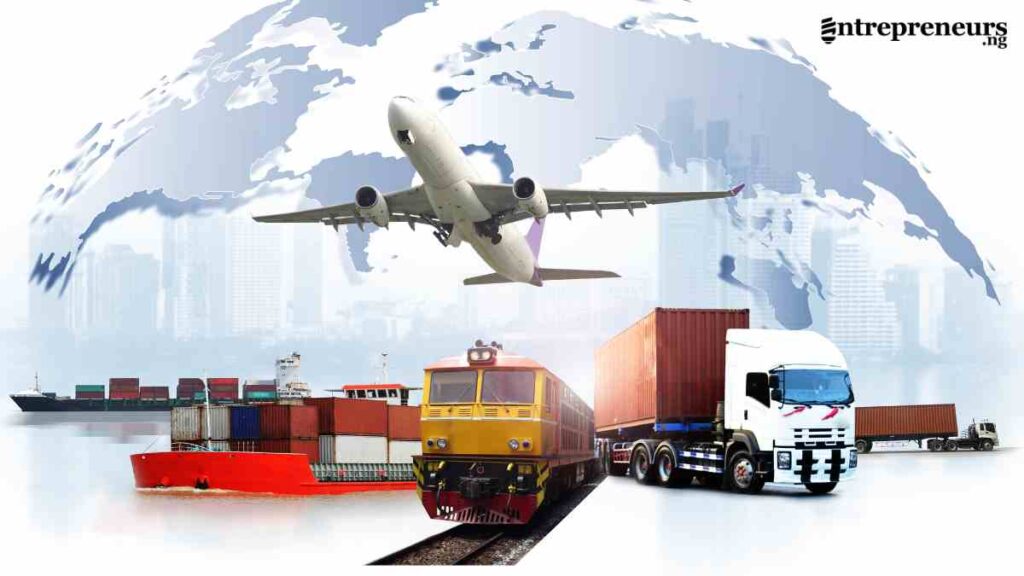
If you are wondering how to start a transportation business, this guide gives you a clear and realistic path.
It breaks the process down step by step, focusing on profitable choices, compliance, and long term growth.
Key Takeaways
- Starting a transportation business succeeds when you choose the right model, validate demand early, and build around clear pricing and cost control.
- Licensing, business registration, and insurance are foundational requirements that protect the business and enable long term growth.
- Profitability depends more on utilisation, operational discipline, and customer trust than on fleet size or speed of expansion.
- Transportation businesses that start focused, manage cash flow carefully, and scale deliberately are best positioned to remain sustainable over time.

What Is a Transportation Business?
A transportation business provides paid services that move people, goods, or materials from one location to another using vehicles such as cars, vans, buses, trucks, or specialised transport equipment.
At its core, the business earns revenue by solving a movement problem efficiently, safely, and reliably.
From a commercial standpoint, transportation sits at the intersection of mobility, logistics, and service delivery.
Whether the business focuses on passengers or freight, its value lies in timeliness, capacity, coverage, and trust. This is why transportation businesses remain essential across economies and industries.
How a Transportation Business Makes Money
A transportation business generates income by charging for access to vehicles, drivers, routes, or delivery capacity. Revenue models vary, but they all link payment to distance, time, volume, or service reliability.
Common revenue drivers include:
- Trip based fees for passenger transport
- Distance based charges for goods transportation
- Time based billing for vehicle hire or charters
- Contract pricing for recurring business clients
Profitability depends on vehicle utilisation, pricing discipline, and cost control rather than fleet size alone. This distinction is important for anyone learning how to start a transportation business with limited capital.
Transportation Business vs Logistics Business vs Courier Business
These terms are often used interchangeably, but they are not the same. Understanding the difference helps you position your business correctly and target the right customers.
| Business Type | Primary Focus | Typical Customers | Scope of Service |
|---|---|---|---|
| Transportation business | Physical movement of people or goods | Individuals and businesses | Moving from point A to point B |
| Logistics business | End to end supply chain coordination | Manufacturers, distributors, retailers | Transport, warehousing, inventory, planning |
| Courier business | Fast and local delivery | SMEs, online sellers, individuals | Small parcels and documents |
A courier business is a type of transportation business, but not all transportation businesses are couriers.
Logistics companies often own or outsource transportation, but transportation companies do not always manage logistics.
What Every Transportation Business Has in Common
Regardless of size or location, every transportation business operates around a few core elements:
- Vehicles or access to vehicles
- A defined service area or route
- Drivers or operators
- Customers who pay for movement
- Operating rules set by local transport authorities
Understanding these fundamentals keeps the business focused and prevents overcomplication in the early stages.
It also sets the foundation for choosing the right type of transportation business, which is the next critical step.
Types of Transportation Business
Choosing the right type of transportation business determines your startup cost, regulatory burden, customer base, and earning potential.
Passenger Transportation Businesses
Passenger transportation businesses focus on moving people rather than goods. Demand is usually consistent, especially in urban centres, business districts, and school communities.
Common passenger transportation business models include:
- Taxi and ride hailing fleet operators
- Staff and corporate shuttle services
- School transportation services
- Charter and intercity transport services
Passenger transport businesses often rely on high trip volume and predictable routes. Profitability improves when vehicles operate on fixed schedules with recurring customers such as schools, offices, or hotels.
| Passenger Transport Type | Typical Customers | Revenue Structure |
|---|---|---|
| Taxi or ride hailing fleet | General public | Per trip or commission |
| Staff shuttle service | Companies and organisations | Monthly or annual contracts |
| School transportation | Schools and parents | Term or route based pricing |
| Charter services | Events and private groups | Hourly or daily rates |
This category appeals to entrepreneurs interested in a transportation business with a strong local presence and repeat demand.
Freight and Goods Transportation Businesses
Freight transportation businesses move goods rather than people. This segment is driven by trade, commerce, and supply chains and remains one of the most searched areas within the transportation business space.
Popular freight transportation business options include:
- Courier and last mile delivery services
- E commerce and retail delivery
- Trucking and haulage services
- Regional and long distance freight transport
Freight businesses often earn more per trip than passenger transport, but costs are higher due to fuel, maintenance, and insurance.
Long term contracts with businesses significantly improve revenue stability.
| Freight Transport Type | Goods Moved | Typical Pricing Model |
|---|---|---|
| Courier services | Small parcels and documents | Per delivery or distance |
| E commerce delivery | Consumer orders | Per package or contract |
| Haulage and trucking | Bulk or heavy goods | Per kilometre or load |
| Long distance freight | Large commercial shipments | Contract based |
Many entrepreneurs start a transportation business in freight because demand scales quickly with commerce and digital trade.
Specialised Transportation Businesses
Specialised transportation businesses serve regulated or sensitive markets. These businesses usually face higher entry barriers but can command premium pricing due to limited competition.
Examples include:
- Medical and patient transportation
- Refrigerated and cold chain transport
- Hazardous or regulated goods transport
Specialised transport businesses require stricter compliance and higher operational discipline.
However, customers in these sectors prioritise reliability over price, which supports healthier margins.
Asset Light Transportation Business Models
Not all transportation businesses require owning vehicles. Asset light models reduce startup costs and operational risk, making them attractive to first time founders.
Asset light transportation business options include:
- Dispatch and coordination services
- Subcontracting owner operators
- Route management without fleet ownership
In these models, the business earns through coordination fees, commissions, or contracts while vehicles are owned by drivers or partners.
This approach is common among founders exploring how to start a transportation business with limited capital.
| Model Type | Vehicle Ownership | Risk Level | Scalability |
|---|---|---|---|
| Fleet owned | Business owned | High | Moderate |
| Subcontracted | Driver owned | Medium | High |
| Dispatch only | No ownership | Low | Very high |
Understanding these transportation business types makes it easier to select a model that fits your capital, experience, and market conditions before moving into execution.

How to Start a Transportation Business – Step by Step
Each step focuses on decisions that directly affect cost, compliance, and long term viability.
Step 1: Choose the Right Transportation Business Type
The first decision is not about vehicles or licences. It is about choosing a transportation business type that fits your market, capital, and experience.
This choice determines everything that follows, including startup costs, pricing, and operational complexity.
To make the right choice, consider three factors:
- Demand in your target location
- Capital available to start and sustain operations
- Regulatory intensity attached to the service
For example, courier and last mile delivery services often have lower entry barriers and faster customer acquisition.
Staff shuttle services and school transportation offer predictable income but require longer sales cycles. Freight and haulage businesses can generate higher revenue per job but demand stronger cost control.
| Decision Factor | Why It Matters |
|---|---|
| Local demand | Determines how quickly you get paying customers |
| Capital intensity | Affects cash flow pressure in the early months |
| Regulation level | Impacts time to launch and compliance costs |
Step 2: Research the Market and Validate Demand
Market research is about confirming that people or businesses are already paying for the service you want to offer.
Start by identifying who your ideal customer is. This could be small businesses, schools, offices, online sellers, or individuals.
Then focus on understanding how often they need transport, what problems they face with current providers, and what they are willing to pay for reliability.
Practical ways to validate demand include:
- Speaking directly with potential customers
- Reviewing competitor pricing and service gaps
- Observing delivery density, traffic flow, and commercial activity
Validation reduces risk and helps you start a transportation business with confidence rather than assumptions.
| Validation Activity | What It Reveals |
|---|---|
| Customer conversations | Real demand and service expectations |
| Competitor analysis | Pricing benchmarks and unmet needs |
| Location observation | Route viability and trip frequency |
This step is often skipped, yet it is one of the strongest predictors of success in the transportation business.
Step 3: Create a Transportation Business Plan
A business plan turns your idea into a structured operating model. It clarifies how the business will make money, control costs, and comply with regulations.
At this stage, the focus is not on impressing investors but on answering practical questions such as pricing, daily operations, and cash flow needs.
A solid plan also makes it easier to secure funding or partnerships later.
A practical transportation business plan should cover:
| Section | Purpose |
|---|---|
| Business overview | Defines the service and target market |
| Revenue model | Explains how money is earned |
| Operating plan | Outlines daily execution |
| Cost structure | Identifies fixed and variable costs |
| Compliance overview | Notes key regulatory requirements |
Many founders struggle with this step because transportation businesses have moving parts that generic templates do not address.
Using a structured resource like the comprehensive business plan template for entrepreneurs available in the Entrepreneurs.ng shop helps ensure nothing critical is overlooked.
Completing this step gives you clarity and discipline before committing funds to vehicles, licences, or staff.

Step 4: Understand Transportation Business Licences and Permits
Licensing is a non negotiable part of starting a transportation business. The rules vary widely, but the logic behind them is consistent across markets.
Transport authorities regulate who can move people or goods commercially, under what conditions, and with which vehicles.
What Determines the Licences You Need
The licences and permits required for a transportation business depend on a small set of variables. Understanding these variables is more effective than memorising country specific rules.
The key determinants are:
- Whether you transport passengers or goods
- Whether the service is offered for payment
- The type, weight, and capacity of vehicles used
- The geographic scope of operations
These factors influence the category of operator licence, vehicle permits, and driver approvals required.
| Determining Factor | Impact on Licensing |
|---|---|
| Passenger vs goods | Different regulatory frameworks apply |
| Commercial use | Paid transport requires authorisation |
| Vehicle size and weight | Triggers additional permits |
| Operating area | Local, regional, or cross border rules |
How to Identify the Correct Licences in Your Location
The most reliable way to identify licensing requirements is to work outward from the highest authority to the most local.
Start with:
- The national transport or road authority
- The local or municipal transport office
- The tax authority for commercial activity rules
Most transport regulators publish guidance for commercial operators. These outline required licences, inspections, and insurance thresholds. This approach keeps the process structured and avoids delays.
Step 5: Register Your Transportation Business
Business registration formalises your business and allows it to operate legally, contract professionally, and access essential services such as banking and insurance.
Choosing a Legal Structure
The legal structure you choose affects liability, taxation, and growth flexibility. While options differ by country, transportation businesses benefit from structures that separate personal and business risk.
| Legal Structure | Liability Exposure | Best Use Case |
|---|---|---|
| Sole ownership | High | Testing small scale operations |
| Partnership | Medium | Co founded businesses |
| Limited liability entity | Low | Growth focused transport businesses |
Because transportation involves vehicles, drivers, and public interaction, liability exposure is higher than in many other industries. This makes proper structuring especially important.
Why Proper Registration Matters
Registering your transportation business enables you to:
- Open a business bank account
- Apply for transport licences and permits
- Purchase commercial insurance
- Sign contracts with corporate and institutional clients
Unregistered transport businesses often struggle to win serious clients or scale beyond informal operations.
If you want support setting up correctly from the start, Entrepreneurs.ng business registration services provide guided assistance from name registration to compliance readiness.
Step 6: Calculate Transportation Business Startup Costs
Understanding startup costs is essential for anyone who wants to start a transportation business sustainably.
Many transport businesses fail not because of lack of demand, but because costs were underestimated.
Core Transportation Business Startup Costs
Startup costs fall into predictable categories. The mix and scale depend on the transportation business type you have chosen.
| Cost Category | What It Covers |
|---|---|
| Vehicles | Purchase, lease, or initial deposits |
| Licences and permits | Operator and vehicle approvals |
| Insurance | Commercial vehicle and liability cover |
| Branding and setup | Logo, signage, documentation |
| Working capital | Fuel, maintenance, wages, contingencies |
Asset heavy transportation businesses require higher upfront capital. Asset light models reduce entry costs but may earn lower margins per trip.
Planning for Cash Flow, Not Just Launch Costs
Startup costs are only part of the picture. Transportation businesses need working capital to operate between payments, especially when serving business clients who pay on credit terms.
Key considerations include:
- Fuel and maintenance cycles
- Driver wages or subcontractor payments
- Unexpected repairs or downtime
A clear view of startup and early operating costs prevents cash flow pressure and gives the business room to stabilise.
Step 7: Buy or Lease Vehicles and Get Insurance
Vehicles are the core operating assets of any transportation business. The decision to buy, lease, or rent affects cash flow, flexibility, and long term profitability.
Choosing the Right Vehicles for Your Transportation Business
Vehicle selection should be driven by the service you plan to offer, not by price alone. The wrong vehicle increases operating costs and limits efficiency.
Key factors to evaluate include:
- Load or passenger capacity
- Fuel efficiency and running costs
- Availability of spare parts and servicing
- Suitability for local road conditions
| Transport Type | Typical Vehicle Options | Key Consideration |
|---|---|---|
| Courier services | Motorbikes, small vans | Fuel economy and speed |
| Shuttle services | Minibuses, buses | Passenger comfort |
| Freight and haulage | Trucks, trailers | Payload and durability |
| Specialised transport | Refrigerated or modified vehicles | Compliance requirements |
Leasing reduces upfront costs and allows faster scaling, while purchasing offers full control and long term value. Many founders starting a transportation business choose leasing in the early stages to preserve cash.
Insurance Requirements for Transportation Businesses
Insurance is mandatory for commercial transport operations. Beyond legal requirements, insurance protects the business from financial shocks caused by accidents, theft, or claims.
Common insurance covers include:
- Commercial vehicle insurance
- Third party liability insurance
- Cargo or goods in transit insurance
- Passenger liability cover
Insurance costs vary by vehicle type, usage intensity, and risk profile. Working with an insurer experienced in transportation businesses helps ensure adequate coverage without overpaying.
Step 8: Set Up Daily Operations and Driver Management
Strong operations separate profitable transportation businesses from struggling ones. This step focuses on how the business runs day to day once vehicles are on the road.
Dispatch, Routing, and Scheduling
Efficient dispatch and routing reduce fuel costs, improve delivery times, and increase vehicle utilisation. Even small transportation businesses benefit from basic route planning.
Operational priorities include:
- Clear pickup and drop off procedures
- Defined service areas and routes
- Simple tracking and communication systems
As volume grows, digital tools can improve coordination, but manual systems can work effectively at the early stage if processes are clear.
Driver Hiring and Management
Drivers represent the business on the road. Their performance directly affects safety, customer satisfaction, and reputation.
Key driver management practices include:
- Clear job expectations and schedules
- Basic training on safety and service standards
- Regular vehicle inspection routines
Whether drivers are employed or subcontracted, consistent standards protect the business and build trust with customers.
Step 9: Price Your Transportation Services Profitably
Pricing is one of the most important decisions when starting a transportation business. Underpricing attracts customers but damages sustainability. Overpricing limits demand.
Common Transportation Business Pricing Models
Transportation businesses use several pricing structures depending on service type and customer expectations.
| Pricing Model | Common Use Case |
|---|---|
| Per trip | Passenger transport |
| Distance based | Courier and freight |
| Time based | Charters and rentals |
| Contract pricing | Corporate and institutional clients |
Prices must cover operating costs, vehicle downtime, and profit margins. Fuel, maintenance, insurance, and driver costs should be built into every rate.
Avoiding Pricing Mistakes
Many transportation businesses fail because prices are set based on competitors rather than costs. A profitable pricing strategy is cost informed and market aware.
Focus on:
- Knowing your cost per trip or kilometre
- Accounting for empty return journeys
- Reviewing prices regularly as costs change
Step 10: Get Customers and Grow Your Transportation Business
A transportation business grows through consistent customer acquisition and retention. Marketing is less about visibility and more about trust and reliability.
How Transportation Businesses Get Customers
Early customers often come from direct outreach rather than advertising. Businesses and institutions prefer reliable service providers they can depend on.
Effective customer acquisition channels include:
- Direct outreach to local businesses
- Partnerships with schools, hotels, and retailers
- Referrals from satisfied customers
Building Long Term Growth
Sustainable growth comes from repeat business, not one off trips. Contracts, service consistency, and reputation create stability.
Growth focused transportation businesses prioritise:
- Service reliability
- Transparent pricing
- Clear communication
Once operations stabilise, scaling becomes a process of adding capacity, not fixing problems.

How Much Does It Cost to Start a Transportation Business?
The cost of starting a transportation business varies widely based on the type of service, vehicle requirements, and operating model.
There is no single figure that fits every market, but understanding cost ranges helps you plan realistically and avoid undercapitalisation.
Transportation Business Startup Cost Ranges
Startup costs generally fall into three broad categories based on the intensity of assets and regulation involved.
| Transportation Business Type | Estimated Startup Cost Range |
|---|---|
| Asset light dispatch or subcontracting | $1,500 to $5,000 |
| Small courier or local delivery | $5,000 to $25,000 |
| Passenger shuttle or school transport | $20,000 to $75,000 |
| Trucking or haulage business | $30,000 to $150,000 |
| Specialised transport services | $50,000 to $250,000 |
These ranges assume a modest launch focused on one location or route rather than a multi city operation.
Breakdown of Core Startup Costs
Understanding where money is spent matters more than the total figure. Transportation business costs are predictable and usually fall into the following categories.
| Cost Category | Typical Cost Range |
|---|---|
| Vehicle purchase or lease deposit | $3,000 to $80,000 |
| Licences and permits | $300 to $5,000 |
| Insurance | $1,000 to $10,000 |
| Branding and setup | $200 to $2,000 |
| Initial working capital | $1,000 to $20,000 |
Vehicle related costs usually account for the largest share of startup capital. Choosing leasing or asset light models can significantly reduce upfront investment.
Low Cost vs Capital Intensive Transportation Businesses
Not all transportation businesses require heavy capital. Some models are intentionally designed to minimise upfront risk.
Low cost models often include:
- Dispatch only transportation businesses
- Subcontracted courier operations
- Single vehicle owner operator models
Capital intensive models typically include:
- Fleet based passenger transport
- Trucking and haulage businesses
- Specialised or regulated transport services
Choosing the right model determines whether you can start a transportation business with a few thousand dollars or whether six figures are required.
Hidden Costs Many Founders Miss
Some costs do not appear obvious at the planning stage but can strain cash flow if ignored.
Common overlooked costs include:
- Vehicle downtime and repairs
- Insurance excess payments
- Permit renewals and inspections
- Delayed customer payments
Planning for these expenses reduces early stage pressure and keeps operations stable.
Planning Costs With the Right Tools
Many founders underestimate startup costs because they rely on rough estimates. A structured financial plan helps clarify how much capital is truly required.
Is a Transportation Business Profitable?
A transportation business can be profitable, but profitability is driven by structure and execution rather than demand alone.
Many people start because the need is obvious. Fewer succeed because they underestimate how margins are created and protected.
Average Profit Margins in Transportation Businesses
Profit margins vary significantly by transportation business type. Passenger transport, freight, and specialised services all operate under different cost pressures.
| Transportation Business Type | Typical Net Profit Margin |
|---|---|
| Courier and last mile delivery | 10 to 25 percent |
| Passenger shuttle services | 8 to 20 percent |
| Trucking and haulage | 5 to 15 percent |
| Specialised transport services | 15 to 30 percent |
| Asset light dispatch models | 20 to 40 percent |
These ranges reflect well run operations, not early stage trial periods. Margins improve as utilisation increases and costs stabilise.
According to data from the American Transportation Research Institute, fuel, insurance, and maintenance account for more than 60 percent of operating costs in trucking businesses, which explains why efficiency directly affects profitability.
What Determines Profitability in a Transportation Business
Profitability in transportation is not driven by how many vehicles you own. It is driven by how well those vehicles are used and how costs are controlled.
Key profit drivers include:
- Vehicle utilisation rate
- Pricing discipline
- Route density and trip frequency
- Fuel and maintenance efficiency
- Customer mix and payment terms
A single vehicle operating efficiently can outperform a poorly managed fleet. This is why many profitable transport companies start small and scale deliberately.
High Profit vs Low Profit Transportation Models
Some transportation business models are naturally more profitable than others due to pricing power and competition levels.
Higher profit models often include:
- Specialised or regulated transport services
- Contract based B2B transportation
- Asset light coordination and dispatch models
Lower margin models typically involve:
- Highly competitive passenger transport
- Price sensitive consumer delivery
- Long distance freight with volatile fuel costs
How Long It Takes to Become Profitable
Most transportation businesses do not become profitable immediately. Profitability depends on reaching stable demand and predictable operating patterns.
Typical timelines include:
- Asset light models: 3 to 6 months
- Courier and local delivery: 6 to 12 months
- Fleet based passenger or freight transport: 12 to 24 months
Businesses that validate demand early and price correctly tend to reach profitability faster than those that focus solely on expansion.
Profitability Requires Structure, Not Guesswork
Transportation businesses that achieve consistent profit rely on clear financial planning, cost tracking, and operational discipline. Guesswork leads to margin erosion.
Entrepreneurs who want a structured approach to building profitable businesses often use frameworks like the Entrepreneurs Success Blueprint program to strengthen decision making and avoid common growth traps.
Common Mistakes to Avoid When Starting a Transportation Business
Many transportation businesses fail not because demand is weak, but because avoidable mistakes compound over time.
Understanding these pitfalls helps you protect capital, maintain compliance, and build a transportation business that can grow sustainably.
Starting Without a Clear Transportation Business Focus
One of the most common mistakes when starting a transportation business is trying to serve everyone.
Offering too many services at once spreads resources thin and increases operational complexity.
Transportation businesses perform better when they:
- Serve a clearly defined customer group
- Operate within a specific service area
- Focus on one primary transport service initially
A narrow focus allows for better pricing, smoother operations, and clearer marketing.
Underestimating Regulatory and Compliance Requirements
Many founders assume they can sort out licences and permits after operations begin. This often leads to fines, forced shutdowns, or loss of credibility with customers.
Common compliance related mistakes include:
- Operating with incomplete licences
- Using vehicles not approved for commercial use
- Ignoring driver certification requirements
Regulatory delays are costly in transportation. Planning compliance before launch protects both revenue and reputation.
Poor Cost Tracking and Cash Flow Management
Transportation businesses handle frequent expenses such as fuel, maintenance, and wages. Without proper tracking, small leaks become major losses.
Founders often make the mistake of:
- Pricing services without knowing true costs
- Mixing personal and business finances
- Ignoring payment delays from clients
| Cash Flow Issue | Impact on Business |
|---|---|
| Late customer payments | Fuel and wage shortages |
| Unplanned repairs | Service interruptions |
| No cost tracking | Shrinking profit margins |
Strong cash flow discipline matters more than rapid growth.
Buying Too Many Vehicles Too Early
Expanding fleet size before demand is stable is a common error. Idle vehicles tie up capital and increase insurance and maintenance costs without generating revenue.
A smarter approach is to:
- Increase vehicle count only after consistent utilisation
- Use leasing or subcontracting to test demand
- Expand routes before expanding fleet size
Growth should follow demand, not ambition.
Competing on Price Alone
Price wars are common in the transportation business, especially in passenger and courier services. Competing only on price reduces margins and attracts unstable customers.
More sustainable advantages include:
- Reliability and consistency
- Clear communication
- Professional service standards
Customers stay longer with transport providers they trust, not those that are cheapest.
Ignoring Brand and Credibility Signals
Many transportation businesses overlook branding, assuming customers only care about speed and cost. In reality, trust plays a major role in transport decisions.
Credibility signals include:
- Clear business identity and branding
- Professional documentation and contracts
- Consistent service experience
Trying to Figure Everything Out Alone
Transportation businesses involve regulation, finance, operations, and risk management. Trying to navigate all of these without guidance often leads to costly mistakes.
Knowing when to seek expert input saves time and money.

Conclusion
Starting a transportation business requires more than vehicles and good intentions.
When approached strategically, transportation remains one of the most dependable business opportunities, driven by constant demand for movement and delivery across economies.
With the right planning, realistic expectations, and informed decisions, a transportation business can grow steadily, remain profitable, and stand the test of time.
We want to see you succeed, and that’s why we provide valuable business resources to help you every step of the way.
- Join over 23,000 entrepreneurs by signing up for our newsletter and receiving valuable business insights.
- Register your business today with Entrepreneurs.ng’s Business Registration Services.
- Tell Your Brand Story on Entrepreneurs.ng, let’s showcase your brand to our global audience.
- Need help with your marketing strategy? Get a Comprehensive Marketing and Sales Plan here.
- Sign up for our Entrepreneurs Success Blueprint Programme to learn how to start and scale your business in just 30 days.
- Book our one-on-one consulting and speak to an expert about structuring and growing your business.
- Visit our shop for business plan templates and other valuable resources to guide you.
- Get our Employee-Employer Super Bundle NDA templates to legally protect your business and workforce.
- Advertise your business to over a million entrepreneurs through our different advertising packages.
Frequently Asked Questions
How do I start a transportation business from scratch?
To start a transportation business from scratch, you need to choose a specific transportation service, validate demand in your target area, understand licensing requirements, register the business, plan your startup costs, and set up operations.
Success depends on matching the right business model with local demand and managing costs from the beginning. A clear step by step approach reduces risk and prevents expensive mistakes.
How much money do I need to start a transportation business?
The amount of money needed depends on the type of service. Asset light transportation businesses can start with as little as $1,500 to $5,000, while fleet based passenger or freight businesses may require $20,000 to over $100,000. Costs usually include vehicles, licences, insurance, branding, and working capital.
Do I need a licence to start a transportation business?
Yes, most transportation businesses require licences or permits to operate legally. The exact requirements depend on whether you transport people or goods, the type of vehicles used, and whether you charge for the service.
Operating without proper approval can lead to fines or shutdowns, so licensing should be completed before launch.
Can I start a transportation business without owning vehicles?
Yes, it is possible to start without owning vehicles. Many entrepreneurs use asset light models such as dispatch services or subcontracting owner operators.
These models reduce startup costs and allow faster scaling, though profit per trip may be lower than fleet owned businesses.
Is a transportation business profitable?
A transportation business can be profitable when managed efficiently. Profit margins vary by model, with courier services, specialised transport, and asset light models often delivering higher margins than competitive passenger transport.
Profitability depends on pricing discipline, vehicle utilisation, and cost control rather than fleet size.
What is the cheapest transportation business to start?
Dispatch only services, small courier operations, and single vehicle owner operator models are among the cheapest transportation businesses to start.
These models minimise vehicle investment and allow founders to test demand before expanding.
How long does it take for a transportation business to become profitable?
The time it takes for a transportation business to become profitable depends on the model and market conditions.
Asset light businesses can reach profitability within a few months, while fleet based passenger or freight businesses may take one to two years to stabilise. Businesses that validate demand early and price correctly tend to break even faster.
What is the best transportation business to start?
The best transportation business to start depends on your capital, location, and experience. Courier services, staff shuttle operations, and specialised transport services often perform well due to consistent demand.
The right choice is one that aligns with local needs and your ability to manage operations effectively.
Can I run a transportation business part time?
Yes, some transportation businesses can be run part time, especially asset light models or single vehicle operations.
However, transportation is operationally demanding, and growth usually requires full time involvement to maintain service quality and reliability.
What are the biggest risks in a transportation business?
The biggest risks include regulatory non compliance, rising fuel and maintenance costs, accidents, cash flow shortages, and poor pricing decisions.
These risks can be managed with proper planning, insurance coverage, and disciplined operations.


