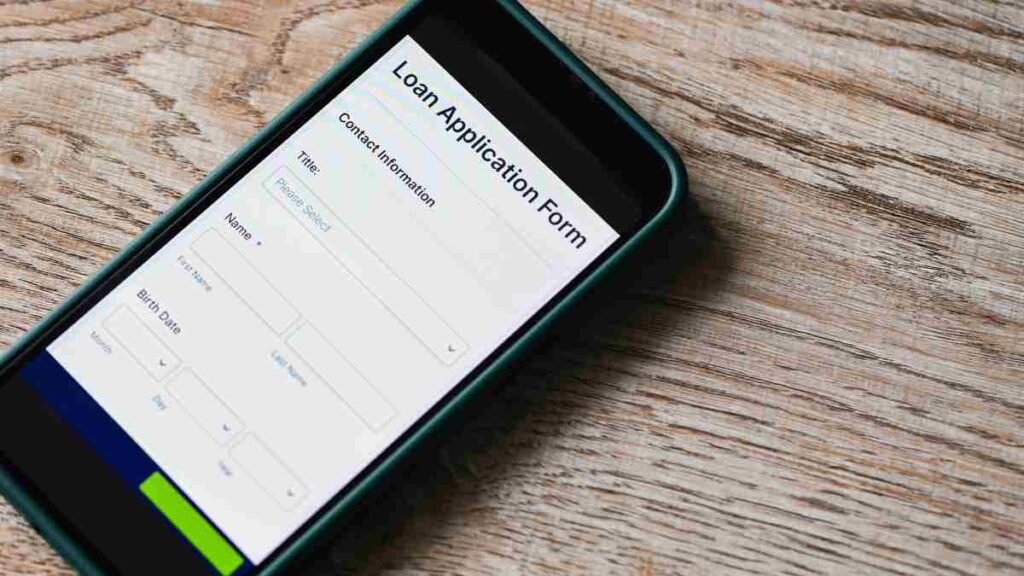
Installment loans are one of the most common ways people borrow money for planned expenses. They offer structure and predictability.
Installment loans provide a fixed amount repaid over time through regular payments. This makes them easier to plan around.
This guide explains how they work, when they make sense, and what to consider before borrowing.
Key Takeaways
- Installment loans provide a fixed amount of money that is repaid through regular, scheduled payments over a defined period.
- Their predictable structure makes installment loans suitable for planned expenses where budgeting and repayment clarity matter.
- The cost and terms of installment loans depend on factors such as credit history, income, loan length, and whether the loan is secured.
- Used responsibly, installment loans can support financial goals, while missed payments can lead to higher costs and credit damage.

What Are Installment Loans?
Installment loans are a form of borrowing where a lender provides a single lump sum and the borrower repays it in scheduled payments over an agreed period.
Each payment is made at regular intervals, most often monthly, until the loan is fully repaid.
Unlike open-ended credit, installment loans have a defined start and end date. The repayment schedule is agreed upfront, giving borrowers clarity on how long the loan will last and how much each payment will be.
This structure makes installment loans easier to manage than many other forms of credit.
Installment loans are used globally for both personal and business needs, from funding large purchases to covering essential expenses.
While the terms and costs vary by lender and country, the underlying structure remains the same.
Key Features of Installment Loans
Installment loans share a set of defining characteristics that separate them from other borrowing options.
- A fixed loan amount is issued at the start
- Repayments are made in equal instalments over time
- The loan has a clear repayment end date
- Interest and fees are built into the payment schedule
This predictability is one of the main reasons installment loans are widely used by borrowers who want certainty around their finances.
How Installment Loan Payments Are Structured
Each installment payment typically includes two components: the principal and the interest. The principal reduces the original amount borrowed, while the interest represents the cost of borrowing.
At the beginning of the loan term, a larger portion of each payment often goes toward interest. Over time, more of the payment is applied to the principal. This structure is standard across most installment loans.
| Payment Component | What It Covers |
|---|---|
| Principal | Repayment of the borrowed amount |
| Interest | Cost charged by the lender |
| Fees | May include origination or servicing costs |
Why Installment Loans Are Considered Closed End Credit
Installment loans fall under what lenders describe as closed end credit. Once the loan is issued, borrowers cannot draw additional funds without applying for a new loan.
The account closes automatically after the final payment is made.
This closed structure distinguishes installment loans from credit lines and revolving accounts, which allow ongoing access to funds.
The fixed nature of installment loans supports disciplined repayment and clearer financial planning.
Are Personal Loans and Installment Loans the Same Thing?
Personal loans and installment loans are closely related, but they are not identical.
A personal loan is a category of loan, while an installment loan describes the repayment structure. In most cases, personal loans are installment loans, but not all installment loans are personal loans.
How Personal Loans Fit Into Installment Loans
A personal loan typically involves borrowing a fixed amount and repaying it over time through regular payments.
This means personal loans usually fall under the broader definition of installment loans.
What makes a personal loan distinct is how the funds can be used. Personal loans are often flexible and may be used for various purposes such as medical expenses, travel, or consolidating debt.
The repayment method is what classifies them as installment loans.
When an Installment Loan Is Not a Personal Loan
Installment loans cover a wider range of borrowing options beyond personal loans. Many are designed for specific purposes and come with different conditions.
Examples include loans used exclusively for buying a car, financing education, or purchasing property.
These loans follow an installment structure but are not categorised as personal loans due to their intended use and, in some cases, the requirement for collateral.
Personal Loans vs Installment Loans at a Glance
| Feature | Personal Loan | Installment Loan |
|---|---|---|
| Loan structure | Fixed repayments | Fixed repayments |
| Usage | Flexible | Purpose specific or flexible |
| Repayment type | Installment based | Installment based |
| Scope | Subset of installment loans | Broad loan category |
Understanding this distinction helps borrowers choose the right product and avoid confusion when comparing offers.

Why Should I Use an Installment Loan?
They are commonly used when borrowers need a clear, structured way to finance a specific expense.
Their defined repayment schedule makes them suitable for situations where predictability and control matter.
Predictable Repayment Structure
One of the main reasons people choose it is certainty. Payments are fixed and scheduled in advance, making it easier to plan monthly finances without surprises.
This structure suits borrowers who prefer knowing exactly how much they need to repay and when the loan will end.
This predictability is particularly useful for managing large expenses that cannot be covered with savings alone.
Suitable for Planned and One Time Expenses
They work well for costs that are planned or time bound. These may include consolidating existing obligations, funding a major purchase, or covering a necessary expense with a defined cost.
Because the loan amount is issued upfront and repaid over time, borrowers can address the expense immediately while spreading the cost across manageable payments.
Clear Timeline to Become Debt Free
Unlike borrowing options that allow ongoing access to funds, installment loans have a fixed repayment term. Once the final payment is made, the obligation ends.
This clear timeline appeals to borrowers who want a structured path to repayment rather than open ended debt.
When an Installment Loan Makes Sense
They are often suitable when the borrowing need fits these conditions:
| Situation | Why an Installment Loan Works |
|---|---|
| Large one time expense | Provides full funding upfront |
| Budget focused planning | Fixed payments support consistency |
| Defined repayment goal | Loan ends after final payment |
| Preference for structure | Reduces risk of overspending |
How Do Installment Loans Work?
Installment loans follow a straightforward process that begins with borrowing a fixed amount and ends once the agreed repayments are completed.
This structure allows borrowers to understand their obligations before accepting the loan.
Loan Disbursement
After approval, the lender releases the full loan amount in a single payment. This lump sum is typically sent to the borrower bank account or applied directly to the intended expense, depending on the loan type.
Once the funds are disbursed, the repayment schedule begins according to the agreed terms.
Repayment Schedule
Installment loans are repaid through regular payments made over a fixed period. Payments are usually monthly, although some lenders offer weekly or biweekly schedules.
Each payment amount is set in advance, allowing borrowers to plan their cash flow around a consistent obligation.
| Repayment Element | Description |
|---|---|
| Payment frequency | Monthly in most cases |
| Loan duration | Fixed term agreed upfront |
| Payment amount | Remains consistent throughout the loan |
How Interest Is Applied
Interest is calculated based on the loan terms and applied over the repayment period. The cost of borrowing is spread across each instalment, meaning borrowers pay interest gradually rather than upfront.
Early payments generally include a higher interest portion, while later payments focus more on reducing the outstanding balance. This approach is standard across most installment loan structures.
Loan Completion
The loan reaches completion once all scheduled payments are made. At that point, the account is closed, and the borrower has no further repayment obligations related to that loan.
This defined lifecycle is a key feature of how installment loans work and contributes to their appeal for structured borrowing.
See also: What is a business loan?

What Is the Difference Between an Installment Loan and a Line of Credit?
Installment loans and lines of credit are structured very differently, even though both are used to borrow money.
Understanding this difference helps borrowers choose the option that fits their financial needs and spending habits.
How Access to Funds Differs
With an installment loan, the borrower receives the full loan amount at once. The funds are issued as a single lump sum, and no additional borrowing is possible without applying for a new loan.
A line of credit works differently. It provides access to a pool of funds that can be drawn from as needed, up to an approved limit. Borrowers can use, repay, and reuse the available credit during the active period.
Repayment Structure Comparison
Installment loans require fixed payments that begin immediately and continue until the loan is fully repaid. The repayment schedule is established upfront.
Lines of credit have more flexible repayment terms. Borrowers are typically required to make minimum payments based on the amount used, rather than the total credit limit.
| Feature | Installment Loan | Line of Credit |
|---|---|---|
| Fund access | Lump sum | Draw as needed |
| Repayment | Fixed instalments | Variable payments |
| End date | Yes | Often ongoing |
| Flexibility | Low | High |
Cost Predictability
Installment loans offer greater cost certainty. Borrowers know the payment amount and repayment timeline from the beginning, which supports long term budgeting.
Lines of credit can be less predictable. Interest costs change based on how much credit is used and how long balances remain outstanding.
Choosing Between the Two
An installment loan may be more suitable for a defined expense with a known cost. A line of credit may be better for ongoing or unpredictable needs.
The choice depends on how funds will be used and the level of repayment flexibility a borrower prefers.
What Are the Repayment Terms and Interest Rates of Installment Loans?
The repayment terms and interest rates determine how long the loan lasts and how much it costs overall.
These two factors work together and should be assessed carefully before accepting any loan offer.
Typical Repayment Terms for Installment Loans
Installment loan repayment terms are set at the time of approval and remain fixed throughout the life of the loan.
Terms vary based on the loan type, lender policies, and the borrower’s financial profile.
Shorter terms generally result in higher monthly payments but lower total interest costs. Longer terms reduce the monthly burden but increase the total amount repaid over time.
| Loan Term Length | Monthly Payment | Total Interest Cost |
|---|---|---|
| Short term | Higher | Lower |
| Medium term | Moderate | Moderate |
| Long term | Lower | Higher |
This trade off between affordability and total cost is central to choosing the right repayment term.
How Interest Rates Are Applied
Interest rates on installment loans are typically expressed as an annual percentage rate, which reflects the cost of borrowing over a year.
The rate may be fixed for the entire loan term or variable, depending on the agreement.
A fixed interest rate keeps the payment amount consistent. A variable rate may change over time, affecting both the monthly payment and total cost of the loan.
What Influences Installment Loan Interest Rates
Interest rates are determined by several factors evaluated by lenders during the application process.
Common considerations include credit history, income stability, loan amount, and repayment duration. Loans with longer terms or higher risk profiles often carry higher rates to reflect the increased lending risk.
Understanding the Real Cost of an Installment Loan
The true cost of an installment loan is not defined by the interest rate alone. Fees charged by the lender may also affect how much the borrower repays in total.
Borrowers benefit from reviewing the full repayment schedule and total amount payable, not just the monthly payment, before committing to an installment loan.

What Are Examples of Installment Loans?
Installment loans are used across personal, business, and long term financing needs. While the repayment structure remains the same, the purpose and terms vary depending on the loan type.
Below are common installment loan examples that borrowers encounter.
Personal Installment Loans
Personal installment loans are among the most widely used forms of installment credit.
They are typically unsecured and can be used for a range of financial needs, such as covering emergency expenses or managing planned costs.
Repayment is spread over a fixed period, making it suitable for borrowers who want predictable payments without tying the loan to a specific asset.
Auto Loans
Auto loans are installment loans designed specifically for purchasing vehicles. The vehicle itself usually serves as collateral, which often results in lower interest rates compared to unsecured options.
Payments are made over a defined term, and ownership of the vehicle is fully transferred once the loan is repaid.
Mortgage Loans
Mortgage loans are long term installment loans used to finance real estate purchases.
These loans have extended repayment periods and structured payment schedules that allow borrowers to spread the cost of property ownership over many years.
Due to their size and duration, mortgage installment loans typically come with lower interest rates relative to shorter term borrowing.
Student Loans
Student loans are installment loans created to fund education related expenses. Repayment terms are often longer and may include structured repayment phases depending on the lender or programme.
These loans follow an installment structure, with regular payments scheduled until the balance is fully repaid.
Business Installment Loans
Business installment loans provide funding for defined business needs such as equipment purchases or expansion projects. The loan amount is repaid through fixed payments over a set term.
These installment loans are commonly used by business owners who want stable repayment schedules that align with cash flow planning.
Installment Loan Examples at a Glance
| Loan Type | Primary Use | Typical Term |
|---|---|---|
| Personal loan | General expenses | Short to medium |
| Auto loan | Vehicle purchase | Medium |
| Mortgage loan | Property purchase | Long |
| Student loan | Education | Medium to long |
| Business loan | Business financing | Short to long |
Each of these examples follows the same structure while serving different financial purposes.
Buy Now, Pay Later Installment Loans
Buy now, pay later installment loans are a modern form of short term installment borrowing.
They allow consumers to split a purchase into smaller payments over a defined period, often at the point of sale.
How Buy Now, Pay Later Installment Loans Work
Buy now, pay later options divide the cost of a purchase into equal instalments that are paid over weeks or months.
Approval is usually quick and integrated into the checkout process, making this form of installment loan easy to access.
The repayment schedule is fixed at the time of purchase, and payments are automatically deducted according to the agreed timeline.
How Buy Now, Pay Later Differs From Traditional Installment Loans
While buy now, pay later plans follow an installment structure, they differ in scope and scale from traditional installment loans.
They are generally used for smaller purchases, have shorter repayment periods, and are tied to specific transactions rather than broader financial needs.
| Feature | Buy Now, Pay Later | Traditional Installment Loan |
|---|---|---|
| Loan purpose | Specific purchase | Broad or defined purpose |
| Loan amount | Small to moderate | Small to large |
| Repayment period | Short term | Short to long term |
| Access point | Point of sale | Lender application |
When Buy Now, Pay Later Makes Sense
Buy now, pay later installment loans may suit borrowers who want to spread the cost of a purchase without committing to a longer loan term.
They are often used for retail purchases where the cost is known and repayment can be completed quickly.
However, because these loans are easy to stack across multiple merchants, borrowers need to track payments carefully to avoid overextending their finances.
Secured vs Unsecured Installment Loans
Installment loans can be grouped into two main categories based on whether collateral is required.
Understanding this distinction helps borrowers assess risk, cost, and approval requirements before applying.
What Is a Secured Installment Loan?
A secured installment loan requires the borrower to provide an asset as collateral. This asset gives the lender a form of protection if the borrower fails to meet repayment obligations.
Because the lender carries less risk, secured installment loans often come with lower interest rates and more flexible terms.
The type of collateral accepted depends on the loan purpose and lender policy.
What Is an Unsecured Installment Loan?
Unsecured installment loans do not require collateral. Approval is based largely on the borrower’s credit profile, income, and overall financial stability.
These installment loans are generally easier to access for borrowers without valuable assets, but they tend to carry higher interest rates due to the increased risk for the lender.
Key Differences Between Secured and Unsecured Installment Loans
| Feature | Secured Installment Loans | Unsecured Installment Loans |
|---|---|---|
| Collateral required | Yes | No |
| Interest rates | Usually lower | Usually higher |
| Approval criteria | Asset plus financial profile | Credit and income focused |
| Risk to borrower | Loss of asset if unpaid | No asset loss |
Choosing Between Secured and Unsecured Options
Secured installment loans may suit borrowers seeking lower costs and who are comfortable pledging an asset.
Unsecured installment loans may be more appropriate for those who prefer not to risk property or do not have collateral available.
The choice depends on the borrower’s financial situation, risk tolerance, and access to assets.
See also: Difference between secured and unsecured loans
Factors That Impact Installment Loan Terms
Installment loan terms are not set at random. Lenders assess several measurable factors to determine how long a loan will run, the repayment amount, and the overall cost of borrowing.
Credit History and Credit Profile
Credit history plays a central role in determining installment loan terms. Lenders review past repayment behaviour to assess risk.
A stronger credit profile generally leads to more favourable repayment periods and lower installment loan interest rates.
Borrowers with limited or poor credit history may receive shorter terms or higher rates to offset perceived risk.
Income and Financial Stability
Lenders evaluate income to confirm the borrower can manage the scheduled payments. Stable and sufficient income supports longer repayment terms and more manageable instalments.
Irregular income or high existing obligations can limit term length or increase borrowing costs.
Loan Amount Requested
The size of the installment loan directly influences its terms. Larger loan amounts often require longer repayment periods to keep instalments affordable.
Smaller loans may be offered with shorter terms, resulting in quicker repayment but higher monthly payments.
Loan Term Length
The chosen repayment period affects both the monthly payment and the total cost of the installment loan.
Longer terms lower each instalment but increase overall interest paid. Shorter terms raise instalments while reducing total borrowing costs.
This balance between affordability and cost is a key consideration when reviewing loan offers.
Collateral and Loan Security
Whether an installment loan is secured or unsecured affects its terms. Secured loans generally qualify for longer repayment periods and lower interest rates due to reduced lender risk.
Unsecured installment loans rely more heavily on credit and income assessments, which can result in tighter terms.
Summary of Factors Influencing Installment Loan Terms
| Factor | Impact on Loan Terms |
|---|---|
| Credit history | Influences rate and approval |
| Income | Affects affordability and term length |
| Loan amount | Determines instalment size |
| Repayment period | Changes total cost |
| Collateral | Can lower rates and extend terms |
Understanding these factors allows borrowers to evaluate offers more clearly and choose installment loans that align with their financial capacity.
How Do Installment Loans Affect Your Credit?
Installment loans can influence your credit profile in several ways, depending on how the loan is managed over time.
The impact can be positive or negative, making repayment behaviour especially important.
Impact of On Time Payments
Making payments on time is one of the most significant ways installment loans affect credit.
Consistent, on time instalments demonstrate reliability to lenders and can strengthen your credit profile over time.
Positive payment history often carries more weight than other credit factors, especially when maintained throughout the full loan term.
Effect of Missed or Late Payments
Late or missed installment loan payments can harm your credit. Payment delays may be reported to credit bureaus, which can lower credit scores and remain on credit reports for an extended period.
Repeated missed payments signal financial stress and can make future borrowing more expensive or harder to access.
Credit Enquiries and New Accounts
Applying for an installment loan typically results in a credit enquiry. This can cause a temporary dip in credit scores, particularly if multiple applications are submitted within a short period.
Opening a new installment loan account may also lower the average age of credit, which can influence credit scoring models in the short term.
Contribution to Credit Mix
Installment loans can contribute positively to credit mix, which reflects the variety of credit types a borrower manages.
A balanced credit profile that includes installment loans alongside other credit forms may support long term credit strength.
Summary of Credit Impact
| Credit Factor | How Installment Loans Affect It |
|---|---|
| Payment history | Strengthened by on time payments |
| Credit score | Improved or reduced based on behaviour |
| Credit enquiries | Short term impact when applying |
| Credit mix | Enhanced by responsible use |
What Happens If You Miss an Installment Loan Payment?
Missing an installment loan payment can have immediate and longer term consequences. The severity depends on how late the payment is and how the lender handles delinquent accounts.
Late Fees and Penalties
Most installment loans include late payment penalties. If a payment is not made by the due date or within any allowed grace period, the lender may charge a late fee.
These fees increase the total cost of the installment loan and can accumulate if payments continue to be missed.
Impact on Credit Reports
When an installment loan payment is missed beyond a certain number of days, the lender may report the delinquency to credit bureaus. This can negatively affect your credit score and remain on your credit report for years.
The longer the payment remains unpaid, the greater the potential damage to your credit profile.
Collection Activity
If missed payments continue, the lender may escalate the account to internal collections or a third party collection agency.
At this stage, communication may become more frequent, and additional fees or costs may apply.
Collection activity signals serious repayment issues and can further harm credit standing.
Risk of Asset Loss on Secured Loans
For secured installment loans, missed payments carry an additional risk. If the account remains unpaid, the lender may have the right to seize the collateral used to secure the loan.
This could result in the loss of property tied to the loan, depending on the agreement terms.
Consequences of Missing an Installment Loan Payment
| Outcome | Potential Effect |
|---|---|
| Late payment | Added fees and penalties |
| Credit reporting | Lower credit score |
| Collections | Increased financial pressure |
| Secured loan default | Loss of collateral |
Addressing missed payments quickly and communicating with the lender can help limit long term consequences.
Types of Installment Loans
Installment loans come in different forms based on purpose, structure, and borrower needs. While all follow a fixed repayment model, each type serves a specific financial function.
Personal Installment Loans
Personal installment loans are designed for flexible use. Borrowers may apply these loans to cover expenses such as emergencies, planned purchases, or short term cash needs.
These loans are usually unsecured and rely on the borrower’s credit and income for approval.
Because of their flexibility, personal installment loans are widely used and offered by banks, online lenders, and credit unions.
Auto Installment Loans
Auto installment loans are issued specifically for vehicle purchases. The vehicle acts as collateral, which can result in more favourable installment loan interest rates compared to unsecured options.
Repayment terms are fixed, and ownership of the vehicle is fully transferred once the loan is repaid.
Mortgage Installment Loans
Mortgage loans are long term installment loans used for purchasing or refinancing property.
They involve extended repayment periods and structured payment schedules designed to make large purchases more manageable over time.
Due to their long duration and secured nature, mortgage installment loans often carry lower interest rates.
Student Installment Loans
Student installment loans are structured to fund education related costs. These loans typically offer longer repayment periods and may include repayment options that align with post education income.
They follow an installment repayment model, with scheduled payments continuing until the balance is cleared.
Business Installment Loans
Business installment loans provide funding for defined business purposes such as equipment purchases, expansion, or operational investments.
The repayment schedule is fixed, allowing business owners to plan cash flow with greater certainty.
These loans may be secured or unsecured, depending on the lender and the borrower’s profile.
Overview of Common Types of Installment Loans
| Type | Primary Purpose | Typical Structure |
|---|---|---|
| Personal loan | General expenses | Unsecured |
| Auto loan | Vehicle purchase | Secured |
| Mortgage loan | Property financing | Secured |
| Student loan | Education costs | Structured repayment |
| Business loan | Business financing | Secured or unsecured |
Each type of installment loan addresses a specific financial need while maintaining the same core repayment structure.
Benefits of Installment Loans
Installment loans offer several advantages for borrowers who prefer structure, clarity, and a defined repayment plan.
These benefits explain why installment loans are widely used for both personal and business financing.
Predictable Payments
One of the key benefits of installment loans is payment consistency. Borrowers know the exact payment amount and due date from the start of the loan term.
This predictability supports budgeting and reduces the risk of unexpected repayment changes.
Fixed instalments make it easier to plan monthly expenses and manage cash flow.
Clear Repayment Timeline
Installment loans have a defined end date. Borrowers can see when the loan will be fully repaid, which provides a clear path to becoming debt free.
This structure helps borrowers avoid ongoing balances that can extend indefinitely.
Access to Larger Loan Amounts
Installment loans often allow borrowers to access larger amounts than short term or revolving credit options. This makes them suitable for significant expenses that require full funding upfront.
The ability to spread repayment over time makes larger costs more manageable.
Potential to Build Credit History
Responsible use of installment loans can contribute positively to a borrower’s credit profile. Making scheduled payments on time demonstrates reliability and supports long term credit health.
For borrowers with limited credit history, installment loans may help establish a record of consistent repayment.
Suitable for Financial Planning
Because they follow a fixed structure, they integrate well into long term financial planning. Borrowers can align repayments with income patterns and future goals.
Summary of Key Benefits
| Benefit | Why It Matters |
|---|---|
| Fixed payments | Supports budgeting |
| Defined end date | Provides repayment clarity |
| Larger loan access | Covers major expenses |
| Credit building | Strengthens credit profile |
| Financial planning | Enables long term structure |
Disadvantages of Installment Loans
While installment loans offer structure and predictability, they also come with limitations that borrowers should understand before committing.
These drawbacks relate mainly to cost, flexibility, and financial risk.
Interest Costs Over Time
One of the main disadvantages of installment loans is the total interest paid over the life of the loan. Even with manageable monthly payments, interest accumulates across the full repayment term.
Longer installment loan terms reduce monthly pressure but increase the overall cost of borrowing, which may not be obvious when focusing only on the payment amount.
Limited Flexibility Once Approved
After an installment loan is issued, the terms are fixed. Borrowers cannot increase the loan amount or adjust the repayment structure without applying for a new loan.
This lack of flexibility can be restrictive if financial needs change or additional funds are required after disbursement.
Fees and Penalties
Many installment loans include fees that add to the total cost. These may include origination fees, late payment charges, or penalties for missed instalments.
Such fees can increase borrowing costs quickly, especially if payments are delayed.
Risk of Financial Strain
Because installment loans require consistent payments, they can place pressure on cash flow during periods of reduced income. Missing payments may lead to financial stress and additional consequences.
For secured installment loans, the risk extends beyond fees and credit impact to the potential loss of collateral.
Summary of Key Disadvantages
| Disadvantage | Why It Matters |
|---|---|
| Interest accumulation | Increases total repayment |
| Fixed terms | Limits flexibility |
| Fees | Adds hidden costs |
| Payment pressure | Can strain finances |
| Collateral risk | Applies to secured loans |
What Do I Need to Get an Installment Loan?
Getting an installment loan requires meeting basic eligibility criteria set by lenders.
While requirements vary by provider and location, most installment loan applications follow a similar evaluation process.
Proof of Income
Lenders require evidence that you can repay the installment loan. Proof of income helps confirm affordability and repayment capacity.
Acceptable documentation may include payslips, bank statements, tax records, or business income records for self employed borrowers. Stable income often improves approval chances and loan terms.
Identification and Personal Information
Applicants must verify their identity before an installment loan can be approved. This step helps lenders comply with regulatory requirements and prevent fraud.
Identification usually includes government issued documents such as a passport or national identity card, along with basic personal details.
Bank Account Information
A valid bank account is typically required for installment loan disbursement and repayment. Lenders use this account to release funds and collect scheduled instalments.
Having an active bank account also supports payment tracking and loan servicing.
Credit History or Credit Profile
Many lenders review credit history when assessing installment loan applications. Credit information helps determine eligibility, interest rates, and repayment terms.
Some installment loans are available to borrowers with limited credit history, although terms may differ.
Collateral for Secured Loans
For secured installment loans, lenders require collateral to back the loan. The asset provided reduces lender risk and can improve approval chances.
Collateral requirements depend on the loan type and amount requested.
Summary of Common Installment Loan Requirements
| Requirement | Purpose |
|---|---|
| Income proof | Confirms repayment ability |
| Identification | Verifies borrower identity |
| Bank account | Enables fund transfer |
| Credit history | Assesses risk |
| Collateral | Required for secured loans |

Conclusion
Installment loans offer a structured way to borrow money, with fixed payments and a clear repayment timeline. This makes them suitable for planned expenses where predictability and discipline matter.
Understanding how they work, their costs, and their impact on your finances helps you make informed borrowing decisions.
When used responsibly, installment loans can support financial goals without creating unnecessary strain.
We want to see you succeed, and that’s why we provide valuable business resources to help you every step of the way.
- Join over 23,000 entrepreneurs by signing up for our newsletter and receiving valuable business insights.
- Register your business today with Entrepreneurs.ng’s Business Registration Services.
- Tell Your Brand Story on Entrepreneurs.ng, let’s showcase your brand to our global audience.
- Need help with your marketing strategy? Get a Comprehensive Marketing and Sales Plan here.
- Sign up for our Entrepreneurs Success Blueprint Programme to learn how to start and scale your business in just 30 days.
- Book our one-on-one consulting and speak to an expert about structuring and growing your business.
- Visit our shop for business plan templates and other valuable resources to guide you.
- Get our Employee-Employer Super Bundle NDA templates to legally protect your business and workforce.
- Advertise your business to over a million entrepreneurs through our different advertising packages.
Frequently Asked Questions
What are installment loans in simple terms?
Installment loans are loans repaid through fixed, regular payments over a set period.
You receive the full amount upfront and repay it gradually until the loan is fully paid off. This structure makes installment loans predictable and easier to budget for.
Is a personal loan an installment loan?
Yes, most personal loans are installment loans. They follow a fixed repayment schedule with equal instalments over time.
However, installment loans also include other loan types, so personal loans are only one example within a broader category.
What is the difference between installment loans and revolving credit?
Installment loans have fixed payments and a defined end date. Revolving credit allows repeated borrowing up to a limit and has variable payments.
Installment loans suit one time expenses, while revolving credit fits ongoing or unpredictable spending.
Are installment loans good or bad?
They are neither good nor bad on their own. They can be useful when used responsibly for planned expenses and repaid on time.
Problems arise when borrowers take on payments they cannot comfortably afford or overlook the total cost.
Do installment loans affect your credit score?
Yes, installment loans affect your credit. On time payments can strengthen your credit profile, while missed payments can lower your credit score.
Applying for an installment loan may also cause a temporary dip due to a credit enquiry.
Can installment loans help build credit?
Installment loans can help build credit when payments are made consistently and on time. They add positive payment history and may improve credit mix, both of which support long term credit health.
What happens if you pay off an installment loan early?
Paying off an installment loan early can reduce interest costs. However, some loans include prepayment fees. It is important to review the loan terms to confirm whether early repayment penalties apply.
Are buy now, pay later plans installment loans?
Yes, buy now, pay later plans are a type of installment loan. They divide a purchase into fixed instalments over a short period. While convenient, they require careful tracking to avoid missed payments and overspending.
What are common installment loan requirements?
Most installment loans require proof of income, identification, a bank account, and a credit assessment. Secured installment loans also require collateral. Requirements vary by lender and loan type.
Which is better, an installment loan or a line of credit?
Neither option is universally better. Installment loans suit defined expenses with known costs. Lines of credit work better for flexible or recurring needs.
The right choice depends on how the funds will be used and your preference for repayment structure.
Can you have more than one installment loan at a time?
Yes, it is possible to have multiple installment loans. Lenders assess total debt obligations when approving new loans, so managing payments responsibly is essential to avoid financial strain.
Are installment loans available to people with limited credit history?
Some lenders offer installment loans to borrowers with limited credit history. These loans may come with higher interest rates or stricter terms. Responsible repayment can help establish credit over time.
Learn more about the research done on Installment loans by Researchgate