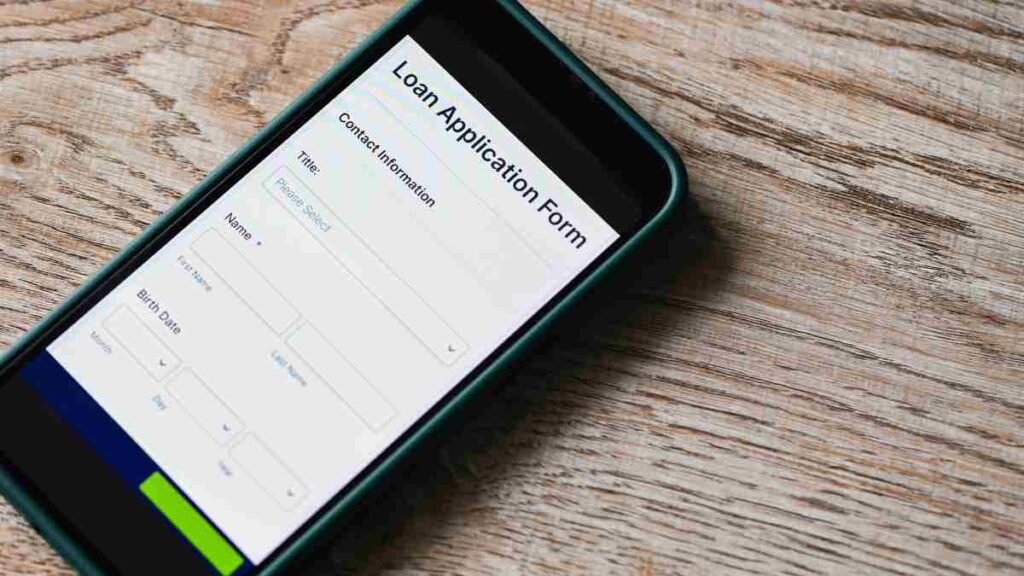
Access to affordable credit and predictable returns remains a global challenge.
Peer-to-peer lending offers an alternative by connecting borrowers directly with investors through digital platforms.
If you are considering peer-to-peer loans as a borrower or exploring peer-to-peer lending as an investment, this article will help you make informed, confident decisions.
Key Takeaways
- Peer-to-peer lending connects borrowers directly with investors through digital platforms, creating an alternative credit and income channel outside traditional banking.
- Returns and borrowing costs depend on credit risk, platform quality, fees, and disciplined financial planning, not headline interest rates.
- The main risks include borrower default, platform failure, limited liquidity, and the absence of deposit protection.
- Success in peer-to-peer lending requires careful platform selection, diversification, affordability assessment, and alignment with your broader financial strategy.

What Is Peer-to-Peer Lending?
Peer-to-peer lending is a digital lending model that connects borrowers directly with investors through an online platform.
Instead of a bank issuing the loan from its own funds, individuals or institutions provide the capital and earn interest as the borrower repays.
Peer-to-peer lending shifts the source of money. The platform facilitates the transaction, assesses creditworthiness, services the loan, and manages repayments, but it typically does not lend its own balance sheet. Investors assume the credit risk and receive the returns.
Peer-to-peer loans can fund personal expenses such as debt consolidation, education, or medical bills, and they can also support small business needs like inventory purchases or short term expansion capital.
The structure remains consistent across markets. Borrowers apply, investors fund, and repayments generate returns.
Peer-to-Peer Lending vs Traditional Bank Loans
Understanding how peer-to-peer lending differs from conventional lending helps clarify its role in modern finance.
| Feature | Peer-to-Peer Lending | Traditional Bank Loan |
|---|---|---|
| Source of Funds | Individual or institutional investors | Bank balance sheet |
| Risk Bearer | Investors | Bank |
| Role of Platform or Bank | Facilitator and servicer | Lender and servicer |
| Approval Process | Digital and platform driven | Bank underwriting process |
| Interest Flow | Paid to investors after fees | Paid to bank |
In traditional banking, the institution collects deposits and lends those funds while keeping the credit risk. In peer-to-peer lending, the platform matches borrowers with investors who directly finance the loan.
Peer-to-Peer Lending vs Crowdfunding
Peer-to-peer lending is sometimes confused with crowdfunding, but the two serve different purposes.
In peer-to-peer lending, borrowers must repay the loan with interest. Investors expect fixed income returns based on agreed terms.
In crowdfunding, contributors may receive equity, rewards, or simply support a cause. Repayment is not guaranteed unless the model is debt based.
The distinction matters because peer-to-peer lending is fundamentally a credit product, not a donation or equity investment vehicle.
See also: How to Start a Peer-to-Peer Lending Business: Proven Guide for Beginners
History of Peer-to-Peer Lending
Understanding the history of peer-to-peer lending helps explain why it emerged and how it matured into a recognised segment of global financial services.
Early Origins of Peer-to-Peer Lending
Peer-to-peer lending began in the early 2000s when financial technology platforms started using the internet to match borrowers directly with lenders. The idea was simple. Use digital infrastructure to reduce overhead costs and improve access to credit.
One of the earliest large scale platforms was Zopa, launched in the United Kingdom in 2005. Shortly after, Prosper Marketplace began operations in the United States in 2006.
These platforms introduced structured online marketplaces where individuals could fund fractions of loans, spreading risk across multiple borrowers.
The innovation was not lending itself. Lending has existed for centuries. The innovation was the digital marketplace model that made peer-to-peer loans accessible, transparent, and scalable across borders.
Growth After the Global Financial Crisis
The global financial crisis of 2008 created a structural gap in credit markets. Banks tightened lending standards, reduced exposure to unsecured consumer loans, and increased compliance scrutiny.
This environment accelerated the growth of peer-to-peer lending. Borrowers who struggled to secure traditional bank loans began exploring alternative credit sources.
At the same time, investors seeking yield in a low interest rate environment turned to peer-to-peer lending returns as a potential income stream.
Between 2010 and 2015, global marketplace lending volumes expanded rapidly.
According to data from the Cambridge Centre for Alternative Finance, online alternative finance markets grew across Europe, North America, and Asia during this period, establishing peer-to-peer lending as a legitimate asset class rather than a niche experiment.
The growth phase also attracted institutional investors, including hedge funds and asset managers, which increased capital flows into major platforms.
Institutionalisation and Regulatory Development
As peer-to-peer lending expanded, regulators began to introduce clearer oversight frameworks. The objective was to protect investors, ensure transparent disclosures, and reduce systemic risk.
In the United Kingdom, the Financial Conduct Authority introduced dedicated rules for loan based crowdfunding platforms.
In China, rapid expansion followed by widespread defaults led authorities to tighten oversight significantly. Many poorly governed platforms exited the market.
These regulatory developments shaped the industry. Platforms with stronger credit assessment processes and transparent reporting survived. Weaker operators struggled or closed.
The result is a more structured global peer-to-peer lending landscape. While risk remains inherent, the industry today operates with clearer compliance expectations in most mature markets.
Key Milestones in the Evolution of Peer-to-Peer Lending
| Period | Development | Impact on Industry |
|---|---|---|
| Early 2000s | Launch of first online P2P platforms | Digital matching model introduced |
| Post 2008 crisis | Rapid borrower and investor adoption | Alternative credit gained traction |
| Mid 2010s | Institutional capital participation | Increased scale and liquidity |
| Regulatory tightening phase | Introduction of platform oversight | Improved transparency and stability |

How Peer-to-Peer Lending Works – Step by Step
This is the practical flow of how peer-to-peer lending works, from the moment a borrower applies to the moment an investor receives repayments.
Step 1: Borrower Applies and Shares Financial Details
A borrower starts by completing an online application on a peer-to-peer lending platform.
The platform typically collects identity details, income information, bank statements, employment records, and the loan purpose.
For business borrowing, the platform may request trading history, cash flow records, invoices, and basic financial statements. The goal is to confirm affordability and reduce fraud risk before a peer-to-peer loan is listed.
Step 2: Credit Assessment, Risk Pricing, and Loan Grading
Next, the platform evaluates creditworthiness and assigns a risk grade or interest rate band. This is where pricing happens.
Depending on the platform, assessment can include:
- Credit bureau checks where available
- Bank transaction analysis
- Debt to income assessment
- Behavioural scoring based on repayment history
- Business revenue patterns for SME loans
The output is usually one or more of the following:
- An interest rate offer for the borrower
- A risk grade for investors
- Expected loss or default probability ranges
This step matters because peer-to-peer lending returns depend on net outcomes after defaults and fees, not just the headline interest rate.
Step 3: Loan Listing Goes Live for Funding
After approval, the loan is listed on the marketplace for investors to fund. Investors may be able to choose individual loans, choose loan grades, or use an auto invest feature that allocates funds according to rules.
Listings commonly show:
- Loan amount and term
- Interest rate
- Risk grade
- Borrower profile summary
- Platform fees
Some platforms allow fractional investing, meaning an investor can fund a small part of many peer-to-peer loans rather than one full loan. That design supports diversification without requiring large capital.
Step 4: Investors Commit Funds and the Loan Is Originated
When funding reaches the target amount, the loan is issued and funds are disbursed to the borrower. At this point, the borrower begins repayment on a schedule, often monthly.
Investors receive repayment distributions, usually split into:
- Principal repayment
- Interest income
- Minus servicing fees and platform fees
If funding is not completed within the listing window, the listing may be cancelled or partially funded depending on the platform rules.
Step 5: Repayments Are Collected and Distributed to Investors
The platform collects repayments, manages payment processing, and distributes funds to investors. Many platforms provide dashboards that show:
- Total invested
- Interest earned
- Principal returned
- Late payments
- Defaults and recoveries
This servicing layer is a core part peer-to-peer lending. It is also why platform operational quality influences investor outcomes.
Step 6: Late Payments, Collections, and Default Handling
If a borrower misses payments, the platform triggers collections steps based on its policy. That can include reminders, negotiated repayment plans, and in some cases legal recovery.
Outcomes vary by platform and jurisdiction, but the typical paths are:
- Loan becomes current after a short delay
- Loan is restructured with a new schedule
- Loan defaults and recovery efforts begin
- Loan is written down if recovery is unsuccessful
This is one of the key peer-to-peer lending risks for investors.
A Simple View of the Peer-to-Peer Lending Process
| Stage | What Happens | What the Borrower Experiences | What the Investor Experiences |
|---|---|---|---|
| Application | Borrower submits details | Eligibility decision begins | No action yet |
| Assessment | Credit and affordability review | Receives rate or offer | Sees risk grade or pricing logic |
| Listing | Loan request is published | Waits for funding | Can invest manually or automatically |
| Origination | Loan is issued and paid out | Receives funds | Capital is deployed |
| Repayment | Payments collected monthly | Repays principal and interest | Receives distributions minus fees |
| Collections | Late payment management | May face penalties | Possible delays, losses, or recoveries |

Advantages of Peer-to-Peer Lending
The growth of peer-to-peer lending is driven by clear economic advantages. These benefits apply differently to borrowers and investors, so I will address both sides separately and directly.
Advantages of Peer-to-Peer Lending for Borrowers
Faster Access to Credit
One of the strongest advantages of peer-to-peer lending is speed. Applications are digital, documentation is uploaded online, and decisions are often made faster than traditional bank processes.
For individuals facing urgent medical expenses or entrepreneurs managing short term cash flow gaps, this speed can be critical.
Competitive Interest Rates
Because peer-to-peer lending platforms operate with lower physical infrastructure costs than banks, some borrowers may access competitive pricing.
Strong credit profiles often receive lower rates compared to high interest consumer credit products.
However, pricing still reflects risk. Borrowers with weaker credit histories will typically pay higher rates.
Flexible Use of Funds
Peer-to-peer loans are often approved for a wide range of purposes. These include:
- Debt consolidation
- Education expenses
- Home improvements
- Business inventory
- Equipment purchases
This flexibility makes peer-to-peer lending attractive for borrowers who may not meet strict bank loan categories.
Access for Underserved Segments
In certain markets, small businesses and self employed professionals struggle to secure traditional financing due to rigid underwriting models.
Peer-to-peer lending platforms sometimes use alternative data analysis, which can broaden access.
For example, SME focused platforms in Germany and Singapore have used cash flow based assessments to serve growing businesses that lack extensive collateral.
This accessibility is one reason peer-to-peer lending expanded rapidly across multiple continents.
Advantages of Peer-to-Peer Lending for Investors
Potential for Higher Returns
Many investors explore peer-to-peer lending returns because yields may exceed those of savings accounts or government bonds.
Returns vary significantly depending on credit grade, platform fees, and default rates. Net performance depends on disciplined diversification and risk management, not headline interest rates.
Portfolio Diversification
Peer-to-peer lending offers exposure to consumer or SME credit as an alternative asset class.
For investors whose portfolios are heavily weighted toward equities or property, allocating a portion to peer-to-peer loans may improve diversification.
The correlation between consumer credit performance and stock market volatility is not always direct, which can support portfolio balance.
Recurring Income Structure
Most peer-to-peer loans operate on amortising schedules. That means investors receive monthly repayments that include both interest and principal.
This structure creates predictable cash flow rather than waiting until maturity to recover capital.
Transparent Performance Data
Established platforms often publish loan book statistics such as:
- Historical default rates
- Average returns by grade
- Late payment ratios
- Recovery rates
This level of transparency allows investors to assess performance trends before committing capital.
Summary of Advantages of Peer-to-Peer Lending
| Advantage | Borrower Benefit | Investor Benefit |
|---|---|---|
| Digital Process | Faster approvals | Easy online portfolio management |
| Cost Structure | Potentially competitive rates | Attractive yield potential |
| Flexibility | Broad loan use cases | Access to consumer and SME credit |
| Cash Flow Model | Structured repayment plan | Regular income distributions |
| Data Transparency | Clear loan terms | Performance visibility |
Risks and Disadvantages of Peer-to-Peer Lending
Every financial model carries risk. Before borrowing or investing, it is important to understand the structural disadvantages and the specific risks that affect returns and capital preservation.
Credit and Default Risk
The primary risk in this model is borrower default. If a borrower fails to repay, investors may lose part or all of their capital.
Default risk varies depending on:
- Borrower credit profile
- Economic conditions
- Loan term length
- Sector exposure for business loans
Even if a platform advertises attractive interest rates, net returns depend on how many loans fail and how much is recovered.
For example, if an investor earns 10 percent interest but experiences 4 percent defaults and 1 percent platform fees, the net return falls significantly. Gross yield does not equal realised return.
Platform Risk
Investors are also exposed to platform risk. The platform manages underwriting, servicing, and collections. If governance is weak or risk controls are poor, loan quality can deteriorate.
In several markets, rapid expansion followed by weak credit discipline resulted in platform failures. When a platform collapses, loan servicing may be disrupted, repayments delayed, or recovery complicated.
This risk is distinct from borrower default. Even performing loans can be affected by operational failure.
Liquidity Risk
Most loans are fixed term. That means capital is tied up until maturity unless a secondary market exists.
If an investor needs cash urgently, selling loan portions may not be easy. During economic downturns, liquidity can shrink further.
Liquidity risk is often underestimated because monthly repayments create the illusion of flexibility. In reality, early exit options may be limited.
Regulatory and Legal Risk
Regulatory environments differ across jurisdictions. In some countries, marketplace lending operates under specific oversight frameworks. In others, regulation remains less developed.
Regulatory changes can affect:
- Marketing practices
- Investor eligibility
- Capital requirements
- Platform operations
A tightening of rules can reduce platform activity or restrict certain products. Investors must understand that regulatory evolution is part of the industry landscape.
No Deposit Protection
Unlike bank deposits, investments in this structure are generally not covered by deposit insurance schemes.
If borrowers default or a platform fails, there is usually no government guarantee protecting investor capital.
This is a critical distinction for conservative savers who equate lending with fixed income safety.
Return Compression and Fee Drag
Headline returns can be misleading. After accounting for:
- Platform servicing fees
- Default losses
- Late payment delays
- Cash drag from uninvested funds
Actual returns may fall below expectations.
Investors who fail to diversify adequately are more vulnerable to volatility in performance.
Summary of Key Risks and Disadvantages
| Risk Category | What It Means | Who It Affects Most |
|---|---|---|
| Default Risk | Borrowers fail to repay | Investors |
| Platform Risk | Operational or governance failure | Investors |
| Liquidity Risk | Limited ability to exit early | Investors |
| Regulatory Risk | Rule changes affecting operations | Both |
| Cost Risk | Higher rates for weaker borrowers | Borrowers |
| No Insurance | No capital guarantee | Investors |
Understanding these risks does not mean the model should be avoided. It means decisions must be deliberate and structured.
Risk awareness is the foundation for intelligent allocation, whether you are borrowing capital or investing for yield.

Peer-to-Peer Lending for Investors
Investing in peer-to-peer lending requires discipline, allocation strategy, and realistic expectations. It is not a savings product. It is exposure to consumer or business credit risk through a digital marketplace.
If approached correctly, it can complement a broader investment portfolio.
What Returns Typically Look Like
Returns vary depending on:
- Credit grade selection
- Loan duration
- Default rates
- Platform fees
- Economic conditions
Platforms often advertise projected annual returns. However, experienced investors focus on net returns after defaults and servicing fees.
For illustration:
| Scenario | Gross Interest | Default Loss | Fees | Net Return |
|---|---|---|---|---|
| Conservative Portfolio | 7% | 2% | 1% | 4% |
| Balanced Portfolio | 9% | 3% | 1% | 5% |
| Higher Risk Portfolio | 12% | 6% | 1% | 5% |
Higher interest rates do not automatically produce higher realised income. Risk and recovery performance determine outcomes.
How to Reduce Risk Through Diversification
Diversification is essential in peer-to-peer lending. Concentrating capital in a small number of loans increases exposure to individual borrower default.
Effective diversification includes:
- Investing small amounts across many loans
- Spreading capital across different credit grades
- Mixing loan durations
- Avoiding heavy exposure to a single borrower segment
For example, allocating funds across 100 smaller loan portions instead of 5 large loans reduces the impact of any single default.
Some platforms provide automated allocation tools. Even when automation is available, investors should review portfolio composition regularly.
Portfolio Allocation Strategy
Credit exposure should represent only a portion of an overall investment portfolio.
Many experienced investors treat marketplace lending as an alternative income allocation rather than a core holding. Allocation depends on:
- Risk tolerance
- Liquidity needs
- Existing exposure to bonds or fixed income
- Investment time horizon
A disciplined investor may choose to allocate a modest percentage of total assets to this strategy rather than committing concentrated capital.
Cash Flow Planning and Reinvestment
Loans typically repay monthly. That means investors receive principal and interest throughout the term.
Reinvestment decisions influence long term performance. Idle cash reduces yield. Systematic reinvestment can improve compounding, while overexposure during uncertain economic conditions may increase risk.
Monitoring:
- Cash balance levels
- Reinvestment timing
- Loan maturity laddering
helps maintain consistency.
Is Peer-to-Peer Lending Suitable for Beginners
This model may suit investors who:
- Understand credit risk
- Can tolerate potential capital loss
- Do not require immediate liquidity
- Are willing to monitor performance
It may not suit individuals seeking guaranteed capital protection or fixed income certainty.
Investor Evaluation Checklist
Before committing funds, review the following:
| Evaluation Area | Key Questions to Ask |
|---|---|
| Historical Performance | What are net returns after defaults and fees |
| Default Data | How transparent are delinquency statistics |
| Fee Structure | How much is deducted from interest income |
| Loan Diversification Tools | Can capital be spread automatically |
| Liquidity Options | Is early exit possible and at what cost |
| Governance | Who manages the platform and how stable is it |
A structured evaluation reduces emotional decision making.
Investing in credit markets requires patience and clear expectations. Returns are earned gradually, and risk management is more important than chasing headline yields.
Peer-to-Peer Lending for Borrowers
For borrowers, peer-to-peer lending is primarily about access, cost, and flexibility. The decision should be practical. You need to evaluate whether the structure fits your financial position and repayment capacity.
When a Peer-to-Peer Loan Makes Sense
A peer-to-peer loan may be suitable in the following situations:
- Consolidating high interest credit card debt into a structured repayment plan
- Financing short term business inventory with clear revenue visibility
- Covering planned expenses with predictable repayment capacity
- Managing temporary cash flow gaps
For example, a small retailer in Toronto managing seasonal stock purchases may prefer a structured instalment loan rather than relying on revolving credit at variable rates. The key factor is clarity of repayment.
If income is unstable or uncertain, borrowing through any structure increases financial pressure.
Typical Interest Rates and Total Cost Structure
Interest rates vary depending on credit quality, income stability, and loan term. Borrowers should focus on total cost rather than headline rates.
Cost components may include:
- Interest rate
- Origination fee
- Late payment fees
- Early repayment conditions
A simplified illustration:
| Loan Amount | Interest Rate | Origination Fee | Term | Total Estimated Repayment |
|---|---|---|---|---|
| 10,000 | 8% | 2% | 36 months | Higher than 10,000 due to interest and fees |
| 10,000 | 14% | 3% | 36 months | Significantly higher total repayment |
Even a small difference in rate materially affects total repayment over time.
Before accepting an offer, calculate:
- Monthly repayment amount
- Total interest payable
- Total cost over the full term
Transparency in loan terms is critical.
Eligibility Requirements
Eligibility varies by platform and jurisdiction. However, most platforms evaluate:
- Identity verification
- Proof of income
- Employment or business activity
- Existing debt obligations
- Credit history where available
Business borrowers may also provide:
- Revenue statements
- Cash flow projections
- Tax filings
Meeting eligibility does not automatically mean borrowing is wise. Affordability is more important than approval.
When You Should Avoid This Type of Loan
You should reconsider if:
- The loan is funding speculative investments
- Repayment depends on uncertain future income
- You are already over leveraged
- You lack a clear repayment plan
Borrowing without structured cash flow planning increases the probability of financial stress.
Borrower Decision Framework
Use this checklist before applying:
| Question | Yes or No |
|---|---|
| Do I have stable income to cover monthly repayments | |
| Have I calculated total repayment cost | |
| Is this loan funding a productive or necessary expense | |
| Have I compared alternative financing options | |
| Can I repay early without excessive penalties |
If multiple answers raise concerns, reassess the decision.
Borrowing should strengthen your financial position, not weaken it. Clear repayment capacity and disciplined budgeting matter more than speed of approval.
How to Choose a Peer-to-Peer Lending Platform
Choosing the right platform is one of the most important decisions in peer-to-peer lending. Your outcome as a borrower or investor depends heavily on platform quality, governance, and transparency.
This is not about brand popularity. It is about structure, discipline, and risk control.
Check Regulation and Licensing Status
The first step is verifying whether the platform operates under a recognised regulatory framework.
Look for:
- Clear disclosure of licensing authority
- Published compliance information
- Transparent operating entity details
- Publicly available legal documentation
Regulation does not eliminate risk, but it establishes reporting standards and minimum operational requirements. A platform that avoids regulatory disclosure should raise caution.
Review Historical Performance and Default Data
For investors especially, performance transparency is critical.
A credible platform should publish:
- Historical default rates
- Delinquency statistics
- Net realised returns
- Recovery performance
The data should be segmented by loan grade or borrower category.
Use this comparison structure:
| Metric | What to Look For |
|---|---|
| Default Rate | Consistent and explained trends |
| Net Return | After fees and losses, not projected only |
| Recovery Rate | Evidence of structured collection efforts |
| Loan Book Size | Sustainable growth, not extreme spikes |
Absence of data transparency is a red flag.
Understand the Fee Structure Clearly
Fees directly affect both borrowers and investors.
Common fees include:
- Origination fees charged to borrowers
- Servicing fees deducted from investor returns
- Late payment penalties
- Secondary market transaction fees
Before committing, calculate how fees affect total cost or net return. Even small percentages compound over time.
Examine Credit Assessment Methodology
Strong underwriting discipline separates sustainable platforms from fragile ones.
Investigate:
- Whether credit bureau data is used where available
- Whether income verification is mandatory
- Whether business loans are assessed using financial statements
- Whether risk grades are backed by historical performance data
If risk grading appears inconsistent or vague, caution is warranted.
Evaluate Liquidity Options
If you are investing, determine whether:
- A secondary market exists
- There are holding period restrictions
- Exit fees apply
- Liquidity is guaranteed or market based
Liquidity claims should be realistic. No credit investment should promise instant exit without cost.
Assess Governance and Management Stability
Platform leadership and governance matter.
Review:
- Management team background
- Years of operation
- Public financial disclosures if available
- Investor communications transparency
Frequent unexplained changes in strategy or opaque reporting may signal instability.
Red Flags to Avoid
Be cautious if you observe:
- Promises of guaranteed returns
- Aggressive marketing without risk disclosure
- Inconsistent or missing performance data
- Pressure tactics to invest quickly
- Lack of clear borrower screening explanation
If something appears overly optimistic, investigate further before committing capital.
Platform Evaluation Scorecard
Use this structured scorecard before making a decision:
| Evaluation Area | Rating 1 to 5 | Notes |
|---|---|---|
| Regulatory Transparency | ||
| Historical Performance Disclosure | ||
| Underwriting Clarity | ||
| Fee Transparency | ||
| Liquidity Structure | ||
| Management Stability |
Scoring each category forces objective evaluation rather than emotional decision making.
Choosing carefully does not remove risk, but it significantly improves the probability of sustainable outcomes.
Peer-to-Peer Lending vs Bank Loans: Which Is Better
Choosing between peer-to-peer lending and a traditional bank loan depends on your priorities.
Cost, speed, eligibility, and risk tolerance all matter. Neither option is universally better. The right choice depends on context.
Cost Comparison
Cost is the first filter.
Bank loans often offer lower interest rates to borrowers with strong credit profiles. However, approval standards can be stricter.
Peer-to-peer lending may provide competitive rates for qualified borrowers, but pricing varies significantly based on risk grading.
Here is a structural comparison:
| Factor | Peer-to-Peer Lending | Bank Loan |
|---|---|---|
| Interest Rate Range | Risk based pricing | Risk based pricing |
| Fee Structure | Origination and servicing fees | Processing and administrative fees |
| Rate Transparency | Often visible before full approval | May require full underwriting |
| Flexibility in Use | Broad in many cases | Sometimes restricted by loan category |
The key question is total repayment cost. Borrowers should compare annual percentage rates and total repayment figures rather than headline rates alone.
Speed and Accessibility
Speed often differentiates the two models.
Banks typically require in-depth documentation, manual review, and internal credit approval processes. This can extend timelines.
Peer-to-peer lending platforms operate digitally. Applications, document uploads, and risk assessment are usually completed online.
Accessibility also differs. Banks may prioritise long standing customers or established businesses with strong collateral positions.
Digital lending platforms may serve freelancers, small enterprises, or individuals who fall outside rigid banking templates.
If timing is critical, the digital route may offer faster processing.
Risk and Protection
From a borrower perspective, both options require full repayment responsibility. The difference lies more on the investor side.
Bank deposits are often protected by deposit insurance schemes in many countries. Credit investments through marketplace platforms generally do not carry that protection.
For borrowers, the practical risk difference lies in contractual clarity and repayment terms. Review loan agreements carefully regardless of provider.
Eligibility and Approval Standards
Banks often apply:
- Traditional credit scoring models
- Collateral requirements for larger facilities
- Longer operating history for businesses
Peer-to-peer lending platforms may incorporate:
- Alternative data assessment
- Cash flow analysis
- Behavioural scoring models
Neither guarantees approval. However, eligibility frameworks differ, which may influence access for certain borrower segments.
Which Option Is Right for You
Choose a bank loan if:
- You qualify for low interest rates
- You prefer established institutional structures
- You meet collateral or documentation requirements
Consider peer-to-peer lending if:
- You require faster processing
- You fall outside strict bank credit criteria
- You value digital transparency and streamlined applications
The decision should be based on numbers and repayment capacity, not marketing claims.

Conclusion
Peer-to-peer lending has reshaped how individuals and businesses access credit and how investors participate in lending markets.
For borrowers, the priority is affordability and total cost clarity. For investors, the focus must be diversification, platform quality, and realistic return expectations. Risk awareness is not optional. It is fundamental.
If approached strategically, peer-to-peer lending can serve as a useful financial tool rather than a speculative gamble.
We want to see you succeed, and that’s why we provide valuable business resources to help you every step of the way.
- Join over 23,000 entrepreneurs by signing up for our newsletter and receiving valuable business insights.
- Register your business today with Entrepreneurs.ng’s Business Registration Services.
- Tell Your Brand Story on Entrepreneurs.ng, let’s showcase your brand to our global audience.
- Need help with your marketing strategy? Get a Comprehensive Marketing and Sales Plan here.
- Sign up for our Entrepreneurs Success Blueprint Programme to learn how to start and scale your business in just 30 days.
- Book our one-on-one consulting and speak to an expert about structuring and growing your business.
- Visit our shop for business plan templates and other valuable resources to guide you.
- Get our Employee-Employer Super Bundle NDA templates to legally protect your business and workforce.
- Advertise your business to over a million entrepreneurs through our different advertising packages.
Frequently Asked Questions
Is peer-to-peer lending safe?
Peer-to-peer lending is not risk free. Investors face borrower default risk and platform risk, while borrowers remain fully responsible for repayment.
There is usually no deposit insurance protection for invested capital. Safety depends on diversification, platform quality, and disciplined financial planning.
Can you lose money in peer-to-peer lending?
Yes, you can lose money. Losses typically occur when borrowers default and recovery efforts fail to recover the outstanding balance.
Net returns depend on default rates, recovery performance, and platform fees. Diversifying across many loans reduces the impact of individual losses but does not eliminate risk.
How much can you earn from peer-to-peer lending?
Returns vary based on credit risk exposure and platform structure. Some portfolios generate moderate single digit annual returns, while higher risk strategies may advertise double digit yields.
Actual performance depends on realised defaults and fees, not advertised interest rates.
What happens if a borrower defaults?
When a borrower misses payments, the platform initiates collections procedures according to its policy. This may include reminders, restructuring, or legal recovery.
Investors may recover part of the capital, but full recovery is not guaranteed. The outcome depends on borrower circumstances and local legal enforcement.
Is peer-to-peer lending better than a bank loan?
It depends on your situation. For borrowers with strong credit profiles, traditional banks may offer lower rates.
For those seeking faster digital processes or alternative credit assessment models, marketplace lending can provide more flexibility. The better option is the one with lower total cost and sustainable repayment terms.
How do beginners start investing in peer-to-peer lending?
Beginners should start small, diversify across many loans, and review platform transparency carefully. Avoid concentrating capital in a few high yield loans.
Understand fee structures and historical default data before committing funds. Treat it as a credit investment allocation, not a guaranteed income product.
Is peer-to-peer lending regulated?
Regulation varies by country. In many mature markets, platforms operate under financial conduct rules that require disclosure and operational standards.
In other regions, oversight may be evolving. Investors and borrowers should verify licensing and regulatory status before participating.
How are peer-to-peer lending returns taxed?
Tax treatment depends on jurisdiction. In many countries, interest income from lending is taxable as ordinary income. Loss treatment rules also vary.
Investors should consult a qualified tax professional to understand reporting obligations in their country.
What is the minimum amount required to invest?
Minimum investment thresholds differ by platform. Some allow fractional investments, enabling participation with relatively small amounts.
Others require larger minimum deposits. Always confirm capital requirements before opening an account.
Is peer-to-peer lending suitable during economic downturns?
Economic slowdowns often increase default rates in consumer and small business credit. Returns may decline if borrower repayment capacity weakens.
Investors should monitor economic conditions and adjust risk exposure accordingly. Conservative allocation and strong diversification become even more important during uncertain periods.