In recent years, newsletters have re-emerged as a powerful way to share ideas, stories, and updates directly with readers. Substack led this movement for a long time, but as creators’ needs evolved, many began seeking a Substack alternative that offers more flexibility, better branding control, and fairer pricing.
Ahrefs reports that over 71% of marketers use newsletters in their content strategy. Still, concerns about platform dependency are prompting many to seek Substack alternatives that offer better tools and genuine creative ownership.
In this in-depth guide, I will share what I discovered from using the best Substack alternatives for newsletters, how they perform, what makes them stand out, and which one could be the right fit if you are serious about taking ownership of your creative work.
Key Takeaways
- Substack alternatives empower creators to build independent brands, rather than growing an audience on rented platforms.
- Many provide advanced audience insights, helping you understand and engage readers more strategically.
- They integrate with modern marketing stacks, turning newsletters into powerful growth engines for your business.
- Unlike Substack’s limited design options, newer platforms let you fully customise layouts to match your brand identity.

What Is Substack?
Substack is an email newsletter platform that allows writers, journalists, and creators to publish content directly to their subscribers.
It combines writing, distribution, and payment tools in one place, enabling users to build paid or free newsletters without needing technical skills.
Essentially, Substack helps creators turn their audience into a community and their writing into a business.
Pros of Using Substack
- Easy to start with no technical setup required.
- Built-in monetisation allows you to charge for premium content.
- A simple interface helps you focus on writing without distractions.
Cons of Using Substack
- Limited design and branding options.
- Platform fees can reduce earnings.
- You do not fully control subscriber data.
While Substack is excellent for many creators, these limitations often lead writers to seek a better alternative to Substack that provides more control, flexibility, or lower costs.
Top 10 Substack Alternatives for Email Newsletters
If you are a creator, writer, or business owner looking to engage your audience directly, newsletters are one of the most powerful tools at your disposal. While Substack is a well-known platform, it may not offer the flexibility, monetisation options, or control that every creator needs.
Here are the top 10 Substack alternatives for email newsletters that offer more control, flexibility, and advanced features to help you grow and monetise your audience effectively.
1. Ghost
Ghost is an open-source newsletter and blogging platform that gives you complete control over your publication. It allows you to fully customise your website, manage subscribers, and maintain ownership of your data.
Ghost is ideal for creators who want a professional-looking newsletter while having full control over their brand.
Pricing
Ghost offers flexible and transparent pricing, designed to suit everyone. The Starter plan costs $15 per month and is ideal for solo bloggers or newsletter creators.
The Publisher plan starts at $29 per month. For larger teams, the Business plan costs $199 per month and offers priority support and early access to new features, with space for up to 10,000 members.
Custom plan is tailored for enterprise-level needs.
Here is what makes it stand out
- Ghost takes 0% of your subscription revenue.
- Open-source platform with self-hosting options.
- Full customisation for branding and website design.
- Built-in email newsletters and analytics.
- Supports advanced integrations for monetisation and growth.
Demerits
- Requires some technical knowledge for self-hosting.
- Slightly steeper learning curve compared to beginner-friendly platforms.
- It may be overwhelming for beginners who want a simple, plug-and-play solution.
2. Memberful
Memberful is a membership platform that lets creators sell subscriptions, newsletters, and digital content directly from their own website.
It integrates easily with WordPress and email tools, giving you full control over branding, pricing, and audience relationships.
Pricing
Memberful offers a simple, all-access pricing model that gives users complete access to all its features for a single monthly fee. You can try the platform for free for as long as you like and will only be charged once you go live and start receiving payments from your members.
The plan costs $49 per month, plus applicable transaction fees, making it a flexible option for creators and publishers who want to manage memberships without complicated pricing tiers.
Here is what makes it stand out
- Direct integration with your website, keeping full control over your audience.
- Complete management of subscriber lists and membership tiers.
- Ability to accept one-time payments, subscriptions, and offer discounts.
- Built-in analytics to track revenue, engagement, and growth.
- Simple, professional membership system without the need for coding.
Demerits
- Transaction fees apply to the free plan.
- Limited customisation of newsletter design compared to other Substack alternatives for newsletters.
- Mainly focused on membership payments rather than a full newsletter management system.
3. Beehiiv
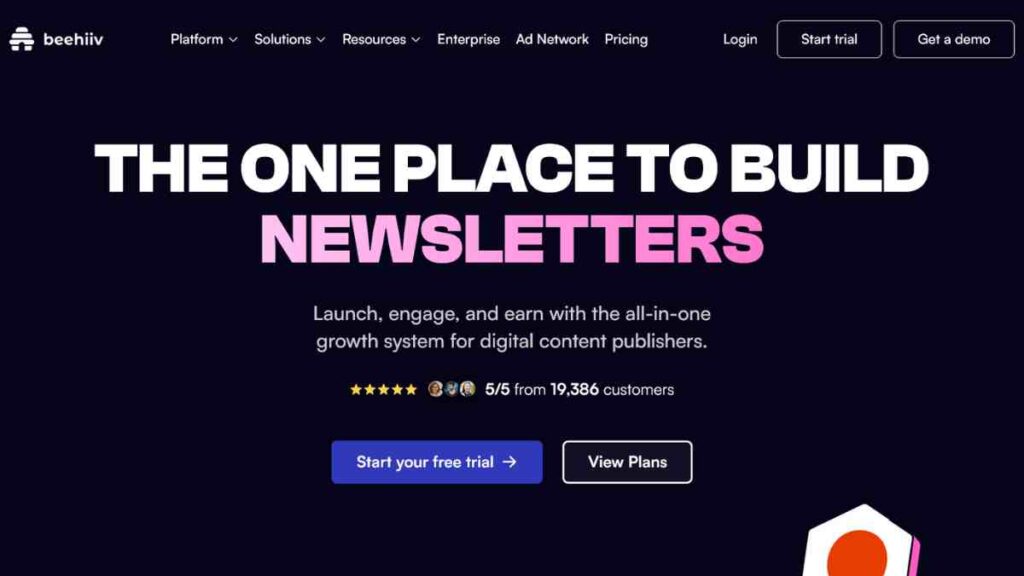
Beehiiv is a powerful Substack alternative built for growth-focused creators. It offers advanced analytics, audience segmentation, and built-in monetisation tools, allowing you to design, send, and scale newsletters with complete brand control.
Pricing
Beehiiv offers four main pricing tiers designed to cater to different levels of newsletter growth. It has a Free plan and a Scale plan, beginning at $43 per month.
The Max plan, starting at $96 per month, builds on Scale by adding premium features such as white-labelling, support for multiple publications, and priority customer support.
For larger organisations or publishers with complex needs, the Enterprise plan provides custom pricing and tailored solutions.
Here is what makes it stand out
- True all-in-one newsletter tool for building, growing, and monetising content.
- Open-source and no-code website builder.
- Connect a custom domain and run a website without coding knowledge.
- Built-in search engine optimisation tools to improve discoverability.
- Beehiiv doesn’t take a cut from your paid subscriptions.
Demerits
- Advanced features require a paid plan.
- A learning curve for first-time newsletter creators.
- Less suitable for creators who want a purely blogging-focused platform.
4. ConvertKit
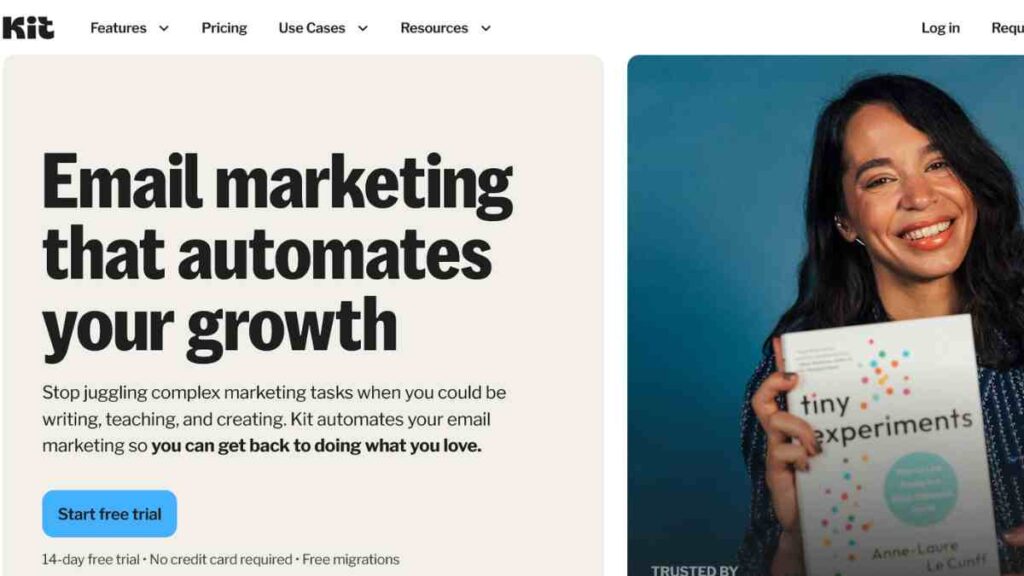
ConvertKit, now known as Kit, is a leading Substack alternative designed for creators who want to build and nurture their audience through email marketing.
It combines automation, customisable sign-up forms, and powerful segmentation tools, making it easy to grow, engage, and monetise your newsletter.
Pricing
ConvertKit offers three pricing plans: Free, Creator, and Creator Pro.
The Creator plan starts at $9 per month with automation and integrations, while Creator Pro begins at $25 and adds advanced reporting and priority support.
Prices scale with subscriber count, and custom plans are available for larger audiences.
Here is what makes it stand out
- Easy-to-use email editor and newsletter management.
- Advanced automation to engage subscribers and increase conversions.
- Segment subscribers and send targeted content.
- Integrates with multiple platforms like Shopify, WordPress, and Teachable.
- Supports paid newsletters and monetisation without taking a cut.
Demerits
- The free plan has limited automation features.
- It can become expensive as your subscriber base grows.
- Less customisable design compared to other open-source Substack alternatives.

5. MailerLite
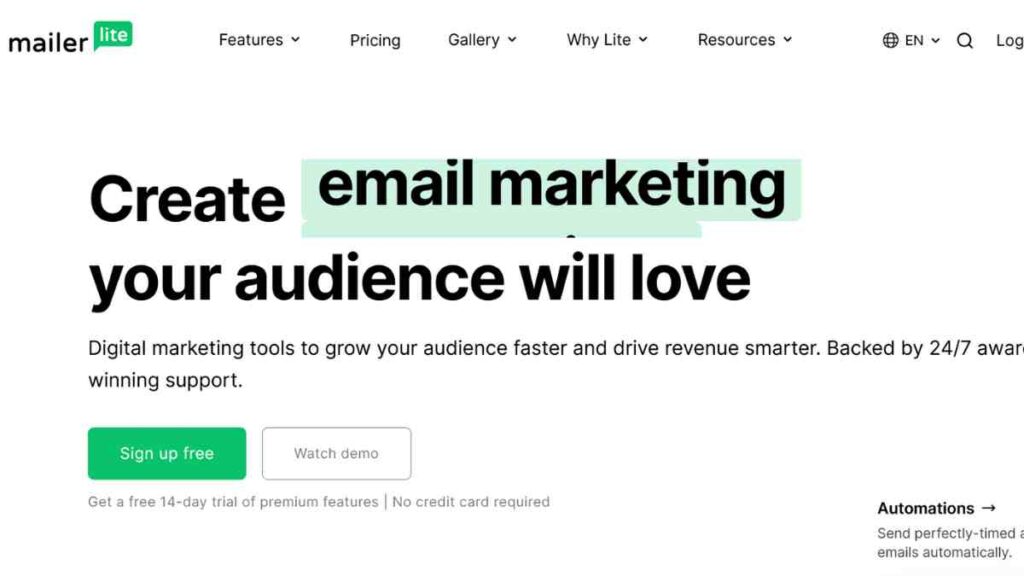
MailerLite is a user-friendly Substack alternative that combines email marketing, automation, and website-building tools in one platform.
It is ideal for creators who want to design professional newsletters, segment their audience, and track performance, all without needing technical skills.
Pricing
MailerLite offers flexible pricing for all users. The Free plan covers up to 1,000 subscribers, the Growing Business plan starts at around $9 per month, and the Advanced plan, from $18 per month, adds automation, analytics, and personalisation tools.
Custom pricing is available for larger organisations.
Here is what makes it stand out
- User-friendly drag-and-drop editor for newsletters.
- Automation features to grow and engage your audience.
- Custom landing pages and pop-ups to capture subscribers.
- Integrates with e-commerce, CRM, and website platforms.
- Affordable pricing with a free plan for beginners.
Demerits
- The free plan has limited automation and support.
- Design options are not as advanced as some other best substack alternatives for newsletters.
- Some features require upgrading to paid plans to unlock full potential.
6. Patreon

Patreon is a popular Substack alternative that helps creators earn recurring income through memberships. It allows you to share exclusive content, build a loyal community, and offer tiered subscription plans, giving fans a direct way to support your work.
Pricing
Patreon’s pricing for creators is based on a platform fee structure combined with additional costs such as payment processing and currency conversion fees, which vary depending on the creator’s plan, their members’ location, and the transaction currency.
New creators are charged a standard 10% platform fee, while existing creators can remain on their previous tiers: Lite (5%), Pro (8%), or Premium (12%).
Here is what makes it stand out
- Simple platform for managing memberships and subscriptions.
- Offers multiple tiers for subscriber rewards and exclusive content.
- Direct communication with members through posts and messages.
- Integrates with tools like Discord, WordPress, and Zapier.
- Reliable system for consistent revenue without handling payment infrastructure.
Demerits
- Platform fees can be high compared to other Substack alternatives.
- Limited newsletter customisation options.
- Focused more on memberships than full newsletter publishing features.
7. Gumroad
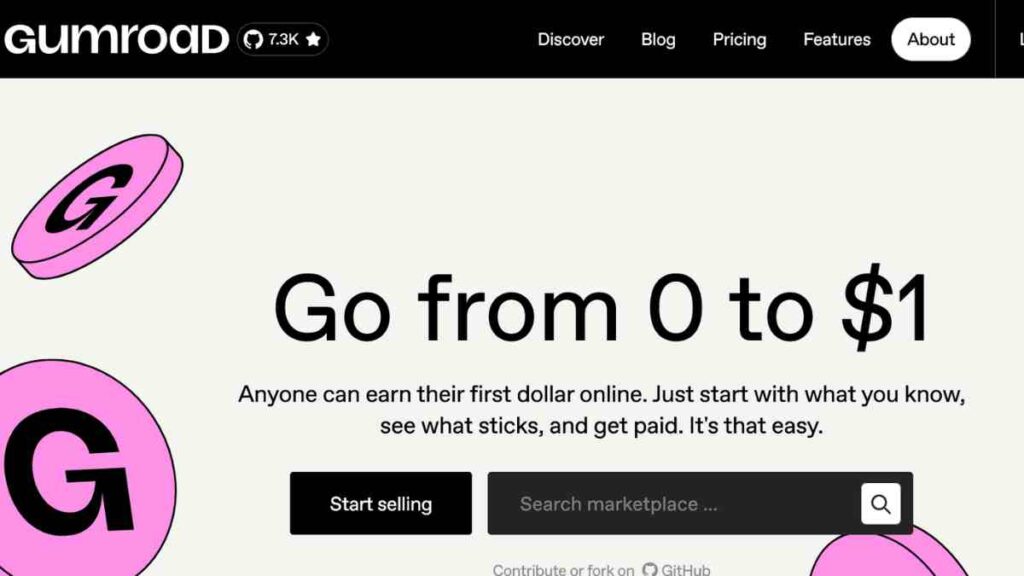
Gumroad is a creator-friendly platform that lets you monetise your work through digital downloads, subscriptions, or newsletters.
Unlike Substack, it focuses on helping you build a direct relationship with your audience while keeping full control of your sales and branding.
Pricing
Gumroad follows a simple and transparent pricing model designed to support creators and small businesses without hidden costs or monthly charges.
The platform charges a 10% fee plus $0.50 per transaction made directly through your profile or shared links with your customers. However, if new customers discover you through Gumroad, the platform takes a 30% commission per transaction.
Here is what makes it stand out
- Easy-to-use platform for selling digital content and newsletters.
- Supports subscriptions and one-time purchases.
- Simple setup; no website required.
- Direct access to subscribers and customer management.
- Integrates with email and marketing tools for growth.
Demerits
- Transaction fees on the free plan are relatively high.
- Limited newsletter design and customisation compared to other top Substack alternatives.
- Less suited for creators looking for a full-featured newsletter platform with advanced automation.

8. Moosend
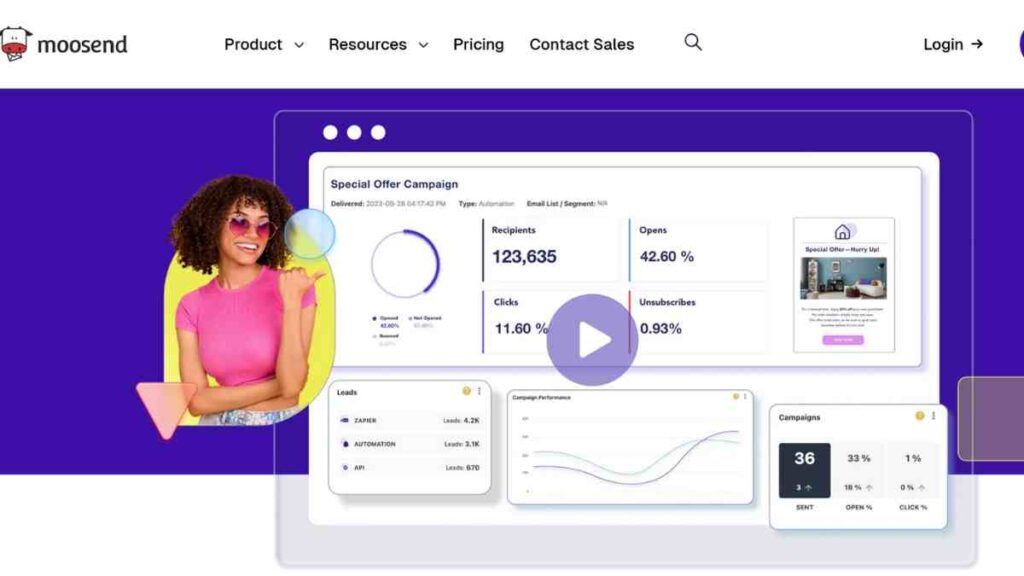
Moosend is an affordable Substack alternative that offers powerful email marketing and automation tools. It features advanced segmentation, drag-and-drop design, and real-time analytics, making it perfect for creators and businesses looking to grow their audience efficiently.
Pricing
Moosend offers both free and paid plans, making it an affordable option. Paid plans start from around $7–$9 per month, with costs increasing as your subscriber base expands.
The Pro plan includes features such as landing pages, transactional emails, and phone support. For larger organisations or those with specific requirements, Moosend also provides an Enterprise plan with custom pricing.
Here’s what makes it stand out
- Drag-and-drop email editor for easy newsletter creation.
- Automation workflows to engage and grow your audience.
- Advanced segmentation and personalisation for targeted content.
- Integrates with e-commerce, CRM, and marketing tools.
- Affordable plans with a free option for beginners.
Demerits
- Limited customisation options compared to some other Substack alternatives.
- The free plan lacks advanced automation features.
- Reporting and analytics can be less detailed than in premium platforms.
9. CuratedLetters

CuratedLetters is a simple Substack alternative designed for sharing curated content. It helps creators compile articles, links, and insights into beautifully formatted newsletters, making it ideal for professionals who want to share industry updates or thought leadership with their audience.
Pricing
CuratedLetters is a completely free newsletter platform, allowing users to create newsletters, manage subscribers and send unlimited emails without any cost.
There are no paid plans or hidden charges, making it an attractive option for creators and small publishers. The platform generates revenue by automatically inserting ads into your emails, a process handled seamlessly on your behalf.
Here is what makes it stand out
- Focus on curated, high-quality newsletter content.
- Simple, beginner-friendly interface with minimal learning curve.
- Full control over subscriber management and monetisation.
- Supports paid newsletters and subscriptions without platform revenue cuts.
- Integrates with other tools to automate workflow and marketing.
Demerits
- Limited advanced automation compared to other substack alternatives.
- Design customisation options are basic.
- Not ideal for creators seeking full-scale marketing automation or large-scale campaigns.
10. Buttondown
Buttondown is a minimalist Substack alternative built for writers who value simplicity and privacy.
It offers a clean interface, markdown support, and custom domain options, allowing you to send professional newsletters while maintaining full control over your audience data.
Pricing
Buttondown offers a free plan that supports up to 100 subscribers, making it ideal for individuals just starting with newsletters. For those who need more capacity and advanced tools, paid plans begin at $9 per month and operate on a subscription basis.
The Professional plan, priced at $29 per month, includes enhanced features suited to larger audiences and professional publishers, with costs scaling based on subscriber numbers and feature requirements.
Here is what makes it stand out
- Minimalist, easy-to-use interface for fast newsletter publishing.
- Supports paid subscriptions without platform cuts.
- Full control over subscriber lists and email management.
- Integrates with other apps and tools for automation.
- Affordable pricing for small creators and beginners.
Demerits
- Limited advanced design customisation compared to other best substack alternatives for newsletters.
- Fewer marketing and automation features than larger platforms.
- Not suitable for creators managing very large subscriber lists or complex campaigns.

Key Features to Consider in a Substack Alternative
When looking for a Substack alternative, it is important to understand what makes a platform truly effective for your needs. Here are the core features you should consider before making a choice.
1. Ease of Use
For beginners, a platform that is simple and intuitive can make a huge difference. Look for drag-and-drop editors, simple publishing workflows, and easy subscriber management. Overly complex platforms can be discouraging for new users.
Tip: Test the free version first to see if the interface feels natural.
2. Customisation Options
Your newsletter is part of your brand, so having control over its design and layout is essential. Some platforms allow you to:
- Change fonts, colours, and templates.
- Add logos and personalised branding.
- Create custom landing pages for subscribers.
This level of control can make your newsletter more professional and engaging, compared to the limited design options on Substack.
3. Monetisation Options
One of the biggest reasons creators choose newsletter platforms is to earn money. Consider whether the platform allows you to:
- Charge for subscriptions (monthly or yearly).
- Accept donations or one-time payments.
- Offer tiered memberships or premium content.
A good Substack alternative should give you flexibility to monetise without high fees.
4. Analytics and Insights
Understanding how your subscribers interact with your content is key to growth. Look for platforms that offer:
- Open rates and click-through rates.
- Subscriber growth tracking.
- Engagement metrics for different segments of your audience.
With detailed analytics, you can refine your content strategy and improve subscriber retention.
5. Integration with Other Tools
Many newsletter platforms offer integrations with other apps and services, such as:
- Social media scheduling tools.
- Payment processors like Stripe or PayPal.
- Customer relationship management (CRM) systems.
- Automation tools like Zapier.
Integrations save time and allow your newsletter to be part of a larger marketing or content strategy.
6. Pricing and Scalability
Finally, consider cost. Some platforms offer free plans for beginners, while others require a subscription for advanced features. Key things to check:
- Free vs paid plans
- Cost per subscriber or transaction fees.
- Ability to scale as your audience grows.
A better alternative to Substack often provides a balance of affordability, features, and scalability, allowing you to grow without suddenly facing high costs.
Tips for Beginners Using a Newsletter Platform
If you are new to newsletters, here are some practical tips to get started with any Substack alternative:
- Build Your Subscriber List Gradually: Use landing pages, sign-up forms, and social media to attract your first subscribers.
- Focus on Consistent Content: Send newsletters regularly to keep your audience engaged.
- Segment Your Audience: Many platforms allow you to target specific groups with tailored content, which can improve engagement and monetisation.
- Use Analytics to Improve: Track open rates, click-through rates, and subscriber growth to refine your content strategy.
- Monetise Thoughtfully: Offer paid subscriptions, premium content, or one-time products once you have a loyal audience.
By following these tips, even beginners can quickly become confident in managing a newsletter, whether you are using a free or paid Substack alternative.
My Takeaway on Substack Alternatives
After reviewing the top Substack alternatives, it is clear that there is no single platform that fits everyone’s needs. Each option brings something different to the table.
For beginners or solo creators, platforms with free plans or low-cost entry points provide a risk-free way to start building an audience, while more established writers and teams may benefit from professional-grade features and automation offered by premium options.
Ultimately, the right Substack alternative depends on your goals, technical comfort, and how much control you want over your newsletter. By understanding your priorities and testing a few platforms, you can find a solution that empowers you to create, engage, and grow your audience without the limitations that might come with Substack itself.
See also: Substack vs Beehiiv vs Ghost – Which Newsletter Platform Offers the Best Value for Content Creators?
Conclusion
While Substack has become a favourite for newsletter creators, finding the right Substack alternative can give you more freedom, better tools, and true control over your content and audience.
From Beehiiv’s growth engine to ConvertKit’s automation power and Ghost’s open-source flexibility, these platforms provide something Substack does not.
We want to see you succeed, and that’s why we provide valuable business resources to help you every step of the way.
- Join over 23,000 entrepreneurs by signing up for our newsletter and receiving valuable business insights.
- Register your business today with Entrepreneurs.ng’s Business Registration Services.
- Tell Your Brand Story on Entrepreneurs.ng, let’s showcase your brand to our global audience.
- Need help with your marketing strategy? Get a Comprehensive Marketing and Sales Plan here.
- Sign up for our Entrepreneurs Success Blueprint Programme to learn how to start and scale your business in just 30 days.
- Book our one-on-one consulting and speak to an expert about structuring and growing your business.
- Visit our shop for business plan templates and other valuable resources to guide you.
- Get our Employee-Employer Super Bundle NDA templates to legally protect your business and workforce.
- Advertise your business to over a million entrepreneurs through our different advertising packages.

Frequently Asked Questions (FAQs)
What is a Substack alternative?
A substack alternative is any newsletter or publishing platform that allows creators to send, manage, and monetise newsletters independently of Substack’s system. These alternatives often provide more customisation, ownership, and flexibility.
Why should I consider alternatives to Substack?
Using alternatives to Substack can help you retain full control of your subscriber list, avoid platform fees, and access advanced automation or design features that Substack lacks.
Which Substack alternative is best for beginners?
MailerLite and Buttondown are ideal for beginners. They are easy to set up, intuitive to use, and affordable, making them the best Substack alternatives for newsletters if you are just starting.
What are the best Substack alternatives for newsletters?
Some of the best Substack alternatives for newsletters include Ghost, Beehiiv, ConvertKit, and MailerLite. Each offers distinct strengths like better analytics, custom domains, or audience segmentation.
Which Substack alternatives for newsletters are free?
You can find several free Substack alternatives for newsletters, such as MailerLite, Buttondown, and Ghost (self-hosted version). These offer essential tools at no cost while still giving you full ownership of your subscribers.
What are the best alternatives for Substack that support monetisation?
Platforms like Beehiiv, ConvertKit, and Ghost stand out as the best alternatives for Substack with built-in payment processing, referral programmes, and sponsorship features for content monetisation.
Are there Substack alternatives for newsletters with better analytics?
Yes, Beehiiv and Ghost offer comprehensive analytics dashboards, helping you track open rates, reader retention, and conversion trends in real time.
Which Substack alternative is best for brands or businesses?
ConvertKit and MailerLite are great for brands. They go beyond newsletters by offering email marketing automation, customer tagging, and sales funnels.
Can I import my Substack subscribers into another platform?
Absolutely. Most alternatives to Substack, such as Beehiiv, ConvertKit, and Ghost, allow easy import of your existing subscribers via CSV, ensuring a seamless migration.
How do I choose the right Substack alternative for me?
When picking a Substack alternative, consider your goals: whether it is monetisation, design control, or automation. Each tool has a unique focus, so align your choice with your workflow and audience growth strategy.