


Starting a business often feels like standing at a crossroads with too many signposts and no clear direction. Everyone has advice, but very little of it is tested, structured or reliable. That is where the best business startup books quietly separate serious entrepreneurs from hopeful dreamers.
In a world where advice is shouted in threads and reels, these books offer something rarer: structured thinking, hard-earned perspective and frameworks you can actually use when decisions feel heavy.
Research-backed insights from Harvard Business Review show that founders who invest in learning make better decisions under pressure, and this guide cuts through the noise by highlighting the best startup books that help you build businesses that last.
Key Takeaways
- The best business startup books shorten your learning curve by teaching lessons founders usually learn the hard way.
- Reading the right startup books helps you think clearly, make better decisions and avoid costly early mistakes.
- The most valuable business books match your current stage, from idea validation to growth and scaling.
- Books alone do not build businesses, but applying their insights consistently gives you a serious edge.

The Best Business Startup Books to Read as an Entrepreneur
Not all business books are worth your time, especially when you are building something from scratch. The best startup books earn their place because they solve real problems founders face at different stages.
From beginner-friendly startup guides to practical finance and leadership reads, this section highlights the top business startup books founders recommend before and long after launch.
1. Zero to One – Peter Thiel
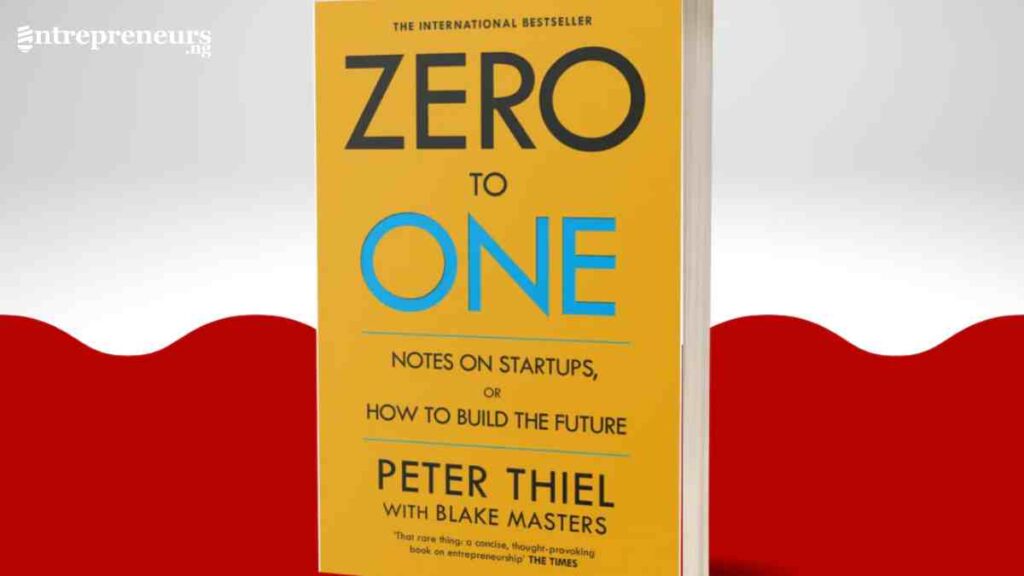
Zero to One is one of the most influential modern startup books because it does not teach entrepreneurs how to compete better; it teaches them how to avoid competition entirely.
Written by Peter Thiel, co-founder of PayPal and early Facebook investor, the book challenges conventional startup thinking and pushes founders to rethink what innovation truly means in a crowded world.
What the Book Is About
At its core, Zero to One argues that real value is created when a business does something new, not when it improves slightly on what already exists.
Thiel explains the difference between horizontal progress (copying and scaling existing ideas) and vertical progress (creating something fundamentally different).
Through practical examples from technology, startups, and global markets, the book shows how enduring companies are built by solving unique problems and establishing strong market positions early.
Key Lessons for Entrepreneurs
One of the book’s strongest lessons is that competition can be a trap. Thiel demonstrates why the most successful startups aim to become monopolies in small, well-defined markets before expanding.
He also stresses the importance of long-term thinking, proprietary advantages, and asking contrarian questions, ideas that feel uncomfortable but often reveal the biggest opportunities.
For entrepreneurs, the book reframes success as depth, focus, and originality rather than speed or noise.
Who Should Read It
Zero to One is best suited for first-time founders, tech-driven entrepreneurs, and anyone at the idea or early-launch stage who wants to build a business with lasting relevance.
It is especially valuable for readers who feel stuck in overcrowded industries and are searching for a smarter way to stand out without burning resources competing with everyone else.
2. Lost and Founder – Rand Fishkin
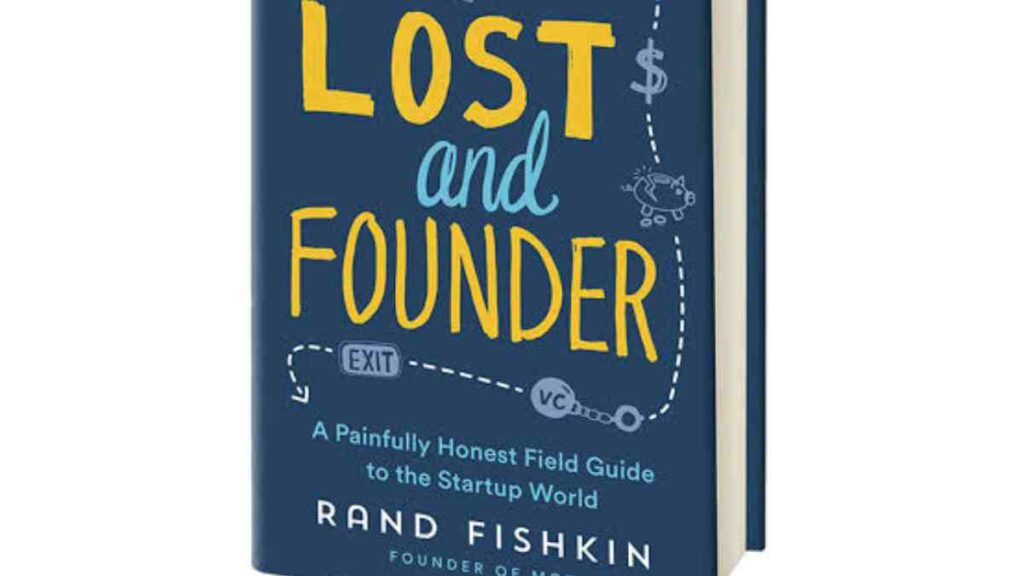
Lost and Founder is a brutally honest startup memoir that strips away the glamour often associated with entrepreneurship.
Written by Rand Fishkin, co-founder of Moz, the book offers a rare inside look at what really happens behind the scenes of a fast-growing startup, from funding pressures to leadership self-doubt.
What the Book Is About
Unlike many startup books that focus on success stories alone, Lost and Founder walks readers through the messy, confusing and often painful realities of building a company.
Fishkin shares firsthand experiences about raising venture capital, managing rapid growth, navigating board politics and making decisions with incomplete information.
The book blends personal storytelling with practical lessons, making it both relatable and instructive.
Key Lessons for Entrepreneurs
One of the book’s biggest strengths is its honesty about failure, uncertainty and mental strain.
Fishkin explains why venture capital is not always the best option, how founder incentives can become misaligned, and why transparency and values matter more than hype.
For entrepreneurs, the book reinforces the importance of self-awareness, ethical leadership and building a business that aligns with personal goals, not just investor expectations.
Who Should Read It
Lost and Founder is ideal for startup books for first-time founders, entrepreneurs considering venture capital, and business owners already experiencing growth pains.
It is especially valuable for readers who want a realistic, grounded view of entrepreneurship rather than polished success narratives.
3. The Startup Checklist – David S. Rose
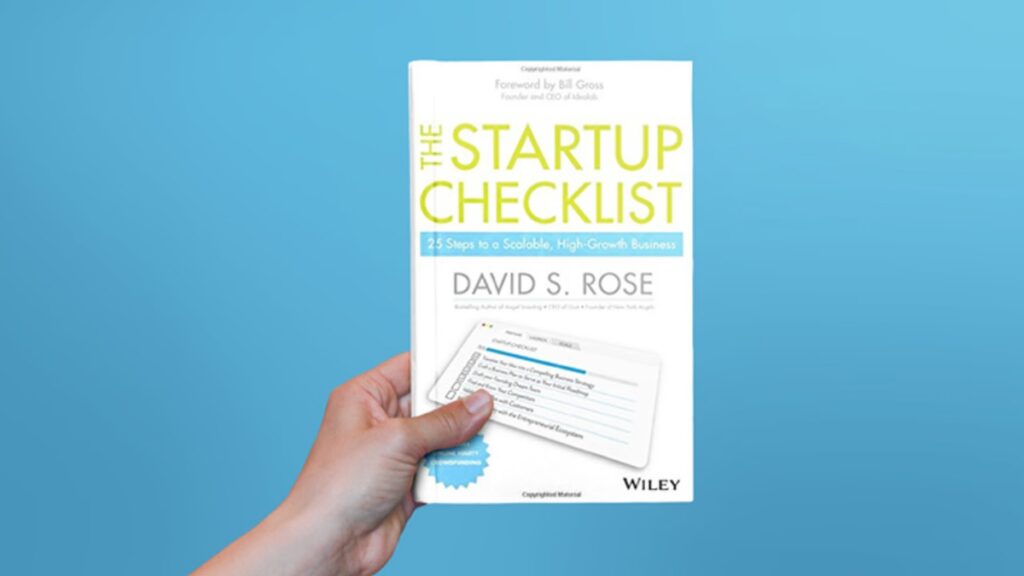
The Startup Checklist is a practical guide that walks entrepreneurs through what actually needs to be done to start a company properly.
Written by David S. Rose, a seasoned entrepreneur and angel investor, the book focuses less on theory and more on execution, making it a trusted reference for founders who want clarity, not hype.
What the Book Is About
This book breaks down the startup journey into clear, manageable steps, covering everything from idea validation and company formation to fundraising, legal structure and early operations.
Rose explains complex topics such as term sheets, equity, cap tables and investor expectations in plain language. Rather than telling stories, the book acts as a roadmap that founders can follow from concept to launch.
Key Lessons for Entrepreneurs
One of the book’s strongest lessons is that small oversights early on can create expensive problems later.
Rose shows why understanding legal basics, investor dynamics and ownership structures from day one protects founders in the long run.
The book also emphasises preparation, documentation and informed decision-making, skills many entrepreneurs overlook in their rush to launch.
Who Should Read It
The Startup Checklist is especially useful for startup books for first-time founders, non-technical entrepreneurs, and anyone preparing to raise capital.
It is also one of the most practical books to read before starting a business if you want to avoid preventable mistakes and build on a solid foundation.
4. The Lean Startup – Eric Ries
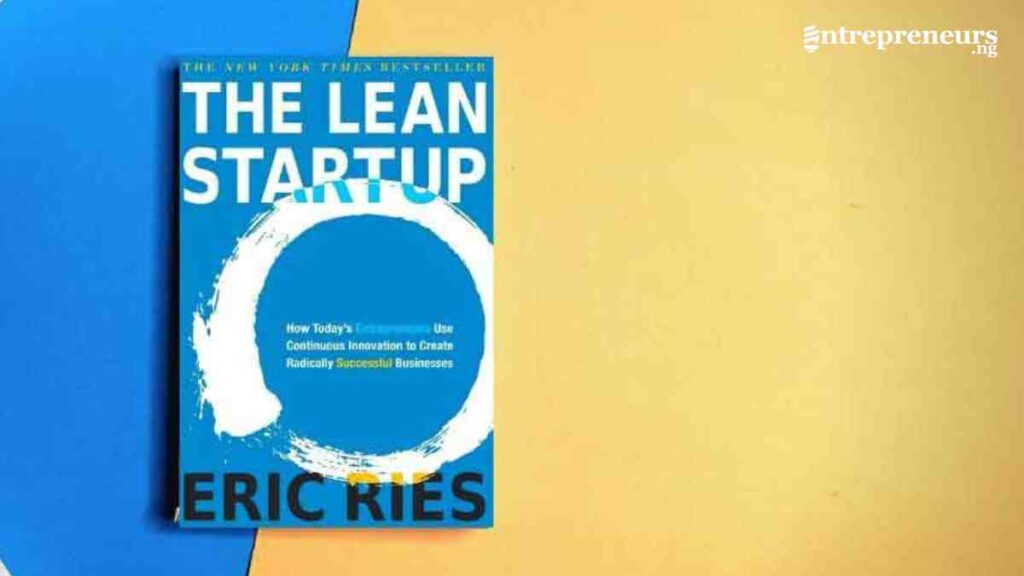
The Lean Startup is one of the most widely referenced business startup books because it fundamentally changed how founders think about building products.
Eric Ries introduces a disciplined, experiment-driven approach to entrepreneurship that reduces waste, saves time and lowers the cost of getting things wrong.
What the Book Is About
The book centres on the idea that startups operate under extreme uncertainty and should therefore be built differently from established companies.
Ries introduces concepts such as the Minimum Viable Product (MVP), validated learning and rapid iteration.
Instead of spending years perfecting a product in isolation, founders are encouraged to launch early, test assumptions with real customers and adapt quickly based on feedback.
Key Lessons for Entrepreneurs
One of the most powerful lessons in The Lean Startup is that progress is not about how busy you are, but about what you learn.
Ries shows entrepreneurs how to measure what truly matters, avoid vanity metrics and pivot intelligently when ideas do not work.
The book teaches founders to see failure not as defeat, but as data, an essential mindset for long-term survival and growth.
Who Should Read It
This book is ideal for first-time founders, product-led entrepreneurs and anyone building a new business with limited resources.
It is especially valuable for entrepreneurs launching tech-enabled or innovative businesses who want a smarter, faster way to test ideas before committing heavily.
5. The Hard Thing About Hard Things – Ben Horowitz
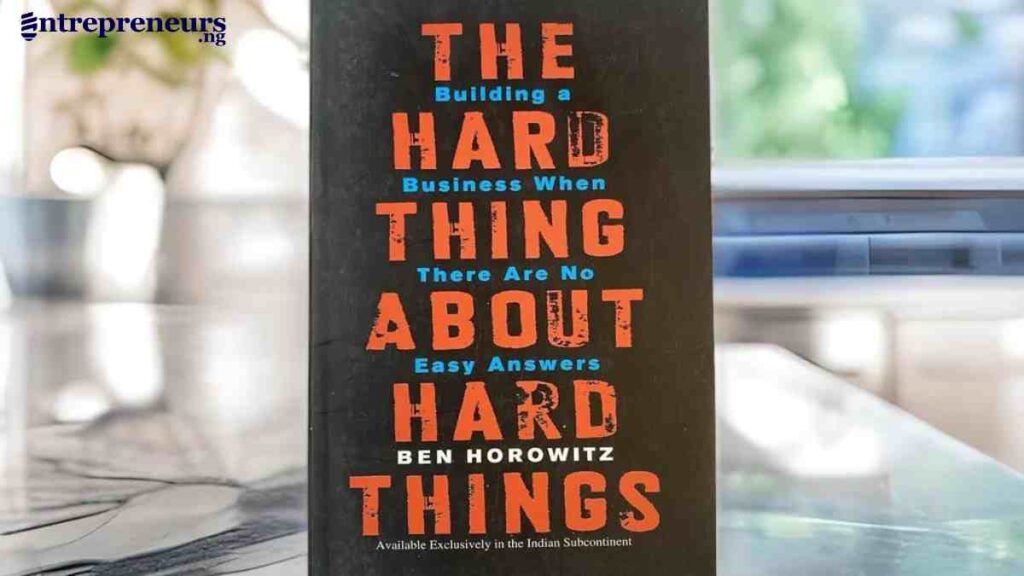
The Hard Thing About Hard Things stands out among leadership books for entrepreneurs because it deals with the moments most founders never talk about, the ones where there are no best practices and no easy answers.
Written by Ben Horowitz, co-founder of Andreessen Horowitz, the book is built from lived experience, not theory.
What the Book Is About
The book explores the brutal realities of running a startup when everything is going wrong.
Horowitz draws from his time leading Loudcloud and Opsware through near-collapse, layoffs, market crashes and high-stakes decisions.
Rather than offering step-by-step formulas, the book focuses on how leaders think and act under extreme pressure, when survival is on the line.
Key Lessons for Entrepreneurs
One of the book’s strongest lessons is that leadership is most visible in difficult moments, not during success.
Horowitz breaks down how to manage people through layoffs, make decisions with incomplete information and stay mentally resilient when failure feels inevitable.
He also addresses the emotional isolation of leadership and why honesty, decisiveness and courage matter more than charisma.
Who Should Read It
This book is essential for founders already running a business, especially those facing growth pains, crises or tough people decisions.
It is one of the most valuable leadership books for entrepreneurs who want a realistic guide to leading through uncertainty rather than a polished success story.
See Also: Top 10 PDFDrive Alternatives for Free and Unlimited E-book Access

6. Start With Why – Simon Sinek
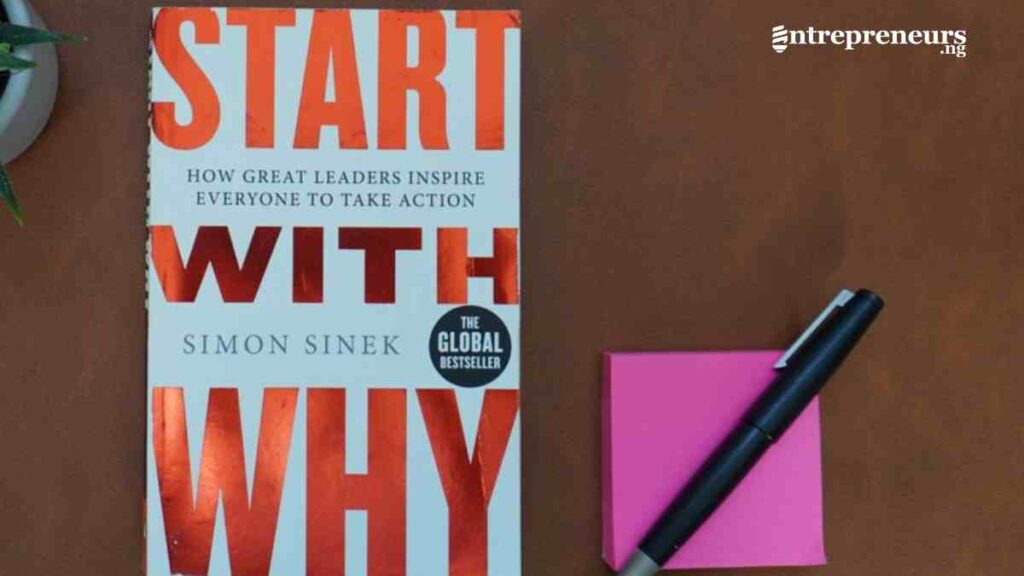
Start With Why is not a traditional startup manual, yet it remains one of the most influential entrepreneurship books for beginners.
This is because it tackles a question many founders ignore until it is too late: why does this business exist at all?
Simon Sinek’s work focuses on purpose as a strategic advantage, not a motivational slogan.
What the Book Is About
The book introduces the concept of the “Golden Circle,” which explains how successful leaders and companies think, act and communicate differently. I
nstead of starting with what they sell or how they do it, they begin with why the belief or mission that drives them.
Sinek uses examples from companies like Apple and leaders like Martin Luther King Jr. to show how clarity of purpose influences loyalty, culture and long-term growth.
Key Lessons for Entrepreneurs
One of the book’s core lessons is that people don’t buy what you do; they buy why you do it.
For entrepreneurs, this translates into stronger branding, clearer decision-making and more authentic leadership.
The book also highlights how purpose guides hiring, customer relationships and strategic choices, especially when the business faces uncertainty or pressure to compromise.
Who Should Read It
Start With Why is an ideal startup book for first-time founders, solo entrepreneurs and anyone struggling to articulate their business idea clearly.
It is particularly useful for founders building mission-driven companies who want their brand, culture and leadership style to grow from a strong and consistent core.
7. Founders at Work – Jessica Livingston
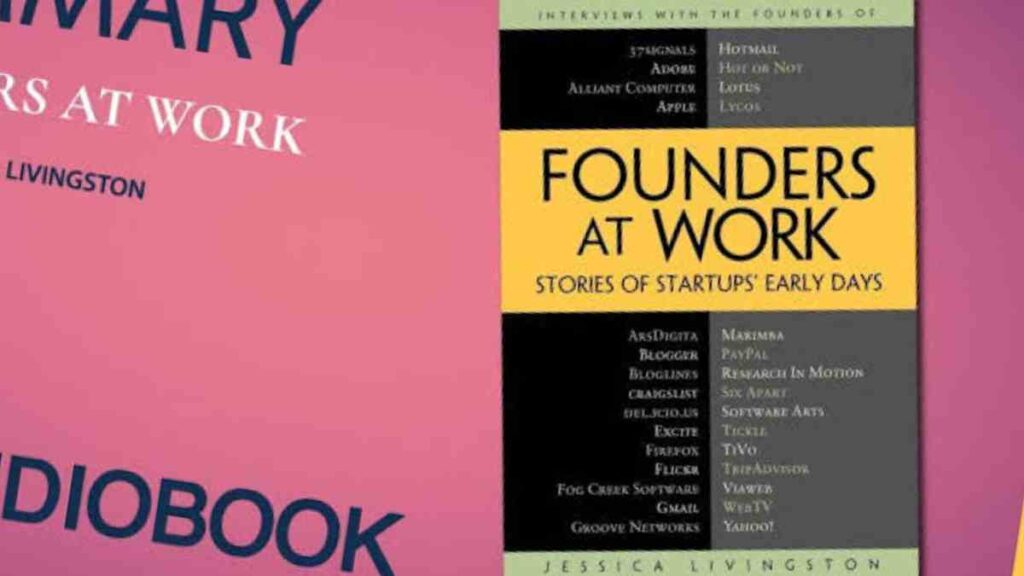
Founders at Work is a classic among business startup books because it lets entrepreneurs speak for themselves.
Compiled by Jessica Livingston, co-founder of Y Combinator, the book is a collection of in-depth interviews with founders of some of the world’s most successful startups, told in their own words.
What the Book Is About
Rather than presenting theories or frameworks, the book captures real conversations with founders of companies like PayPal, Apple, Hotmail and Craigslist.
These interviews explore how ideas were formed, how early challenges were handled and how small, uncertain beginnings eventually turned into global businesses.
The strength of the book lies in its raw detail Mistakes, doubts, wrong turns and lucky breaks are all laid bare.
Key Lessons for Entrepreneurs
One of the biggest takeaways is that there is no single formula for success.
The founders featured in the book succeeded in wildly different ways, often breaking the “rules” that later became startup dogma.
Entrepreneurs learn the value of persistence, adaptability and staying close to the problem they are trying to solve.
The book also reinforces how timing, focus and resilience matter just as much as intelligence or funding.
Who Should Read It
Founders at Work is ideal for first-time founders and anyone looking for realistic inspiration grounded in real experiences.
It is especially valuable for readers who want to understand how great companies actually start, not how they are remembered after success.
8.Hooked – Nir Eyal
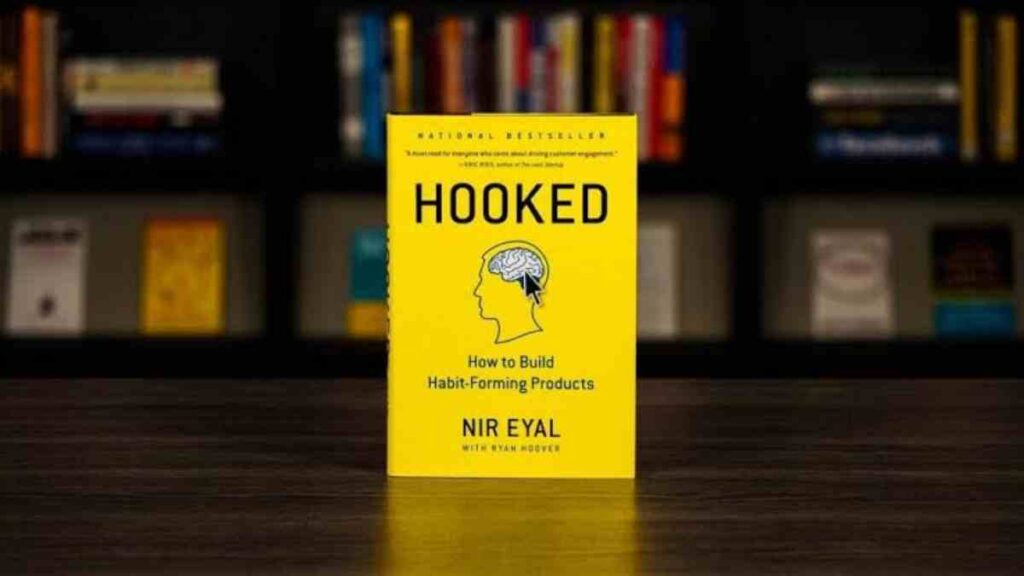
Hooked is one of the most practical startup books on customer behaviour and product design.
Written by behavioural scientist and entrepreneur Nir Eyal, the book explains why some products become part of people’s daily lives while others are easily forgotten.
What the Book Is About
The book introduces the “Hook Model,” a four-step framework; trigger, action, variable reward and investment, that explains how successful products build habit-forming behaviour.
Eyal uses real-world examples from technology, media and consumer products to show how businesses design experiences that keep users coming back without relying solely on advertising or aggressive sales tactics.
Key Lessons for Entrepreneurs
One of the book’s strongest lessons is that customer retention matters more than acquisition in the long run.
Hooked teaches entrepreneurs how to design products around user needs, reduce friction in user actions and create meaningful value that encourages repeat engagement.
It also raises important ethical questions, pushing founders to consider responsibility alongside growth.
Who Should Read It
Hooked is ideal for product-driven founders, tech entrepreneurs and marketers building user-facing businesses.
It is especially valuable for startup books for first-time founders developing apps, platforms or services where customer engagement and loyalty determine long-term success.
9. The Startup Owner’s Manual – Steve Blank & Bob Dorf
The Startup Owner’s Manual is often described as the definitive field guide for building a startup the right way.
Written by Steve Blank and Bob Dorf, the book replaces guesswork with a structured, step-by-step approach to turning an idea into a scalable company.
What the Book Is About
This book expands on Steve Blank’s customer development methodology, explaining why startups are not smaller versions of big companies.
Instead of focusing on writing long business plans, the authors guide founders through testing assumptions, understanding customers and validating demand before scaling.
The book is highly practical, combining detailed explanations with checklists, diagrams and real-world examples.
Key Lessons for Entrepreneurs
One of the book’s most important lessons is that facts come from customers, not spreadsheets.
Blank and Dorf show entrepreneurs how to systematically search for a repeatable and scalable business model before investing heavily in growth.
The book also reinforces disciplined execution, continuous learning and the importance of getting out of the building to engage real users.
Who Should Read It
The Startup Owner’s Manual is ideal for first-time founders, entrepreneurship books for beginners and founders building innovative or tech-enabled businesses.
It is especially valuable for entrepreneurs who want a rigorous, process-driven approach to launching and scaling a startup without relying on assumptions.
10. The $100 Startup – Chris Guillebeau

The $100 Startup is a refreshing counterpoint to the idea that you need huge capital, investors or complex plans to start a business.
Chris Guillebeau shows that many profitable companies begin small, sometimes with little more than a skill, a laptop and the willingness to start.
What the Book Is About
The book is built on real stories of entrepreneurs who launched businesses with minimal resources and turned them into sustainable sources of income.
Guillebeau focuses on simplicity, speed and usefulness, highlighting how ordinary people monetised what they already knew.
Rather than chasing scale from day one, the book emphasises starting lean, serving real customers and growing organically.
Key Lessons for Entrepreneurs
One of the book’s most important lessons is that action beats perfection.
Guillebeau demonstrates how clarity, customer focus and fast execution matter more than funding or credentials.
The book also reinforces the idea that profitability can come early if you solve a clear problem and keep costs low, an empowering message for founders who feel stuck waiting for “the right time” to start.
Who Should Read It
The $100 Startup is ideal for business startup books for beginners, solo founders and side-hustlers who want to start quickly without taking on unnecessary risk.
It is especially useful for entrepreneurs who want proof that you can build a viable business without external funding or complex structures.

11. Predictable Revenue – Aaron Ross & Marylou Tyler
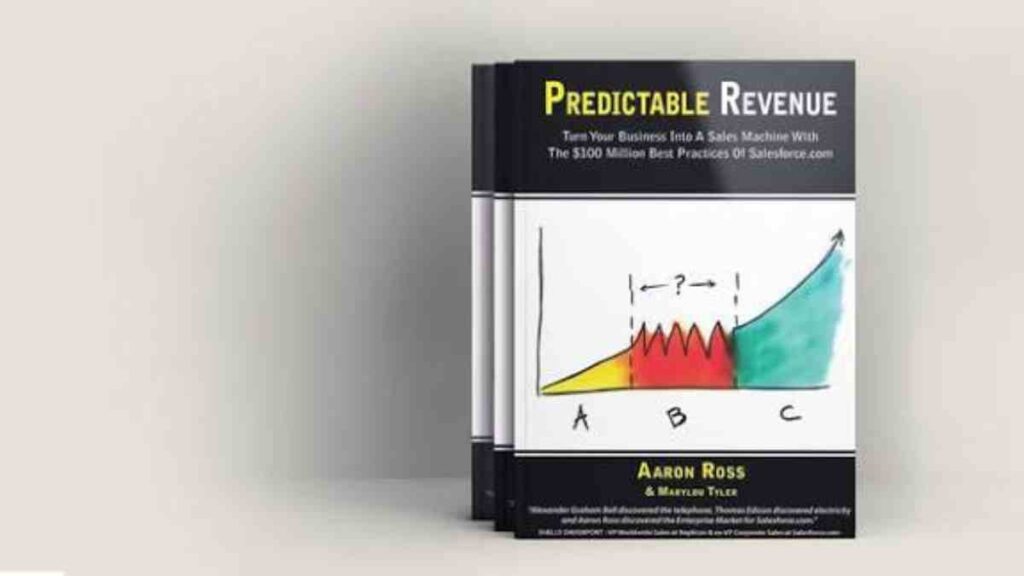
Predictable Revenue is widely regarded as one of the most practical sales-focused business startup books, especially for companies looking to build consistent and scalable revenue.
Written by Aaron Ross, who helped create Salesforce’s outbound sales engine, the book demystifies how startups can move from random sales wins to reliable growth.
What the Book Is About
The book explains how Salesforce built a predictable, repeatable sales system by separating sales roles and focusing on outbound prospecting done the right way.
Ross and Tyler break down concepts such as cold emailing, lead qualification and sales specialisation in a clear, structured manner.
Rather than relying on aggressive tactics, the book focuses on process, discipline and customer relevance.
Key Lessons for Entrepreneurs
One of the book’s biggest lessons is that revenue should not depend on founder hustle alone.
Predictable Revenue shows entrepreneurs how to design sales systems that work without burning out the team.
It also highlights the importance of focusing on the right leads, creating repeatable processes and building a sales culture that scales as the business grows.
Who Should Read It
Predictable Revenue is an ideal startup book for first-time founders, B2B entrepreneurs and founders struggling with inconsistent sales.
It is especially valuable for business owners who want to move beyond survival mode and build a reliable revenue engine that supports long-term growth.
12. What Customers Want – Tony Ulwick
What Customers Want is a foundational book for entrepreneurs who want to stop guessing and start building products customers actually value.
Written by Tony Ulwick, a pioneer of outcome-driven innovation, the book challenges intuition-based decision-making and replaces it with a structured, data-led approach.
What the Book Is About
The book introduces the concept that customers “hire” products to get jobs done.
Rather than focusing on demographics or opinions, Ulwick explains how to uncover the real outcomes customers are trying to achieve.
Through clear frameworks and examples, the book shows how businesses can identify unmet needs, prioritise features and reduce the risk of building products nobody wants.
Key Lessons for Entrepreneurs
One of the book’s most powerful lessons is that innovation becomes predictable when you understand customer outcomes deeply.
Ulwick demonstrates how to measure customer needs objectively, avoid feature overload and align product development with real demand.
For entrepreneurs, this means fewer failed launches and better use of limited resources.
Who Should Read It
What Customers Want is ideal for startup books for first-time founders, product-led entrepreneurs and anyone developing a new product or service.
It is especially valuable for founders who want a clear, repeatable method for achieving product, market fit instead of relying on assumptions or gut feeling.
13. Capitalism Without Capital – Jonathan Haskel & Stian Westlake
Capitalism Without Capital takes a step back from startup hustle and looks at the bigger forces shaping modern businesses.
Written by economists Jonathan Haskel and Stian Westlake, the book explains why today’s most valuable companies are built less on physical assets and more on ideas, data, software and networks.
What the Book Is About
The book explores the rise of intangible assets, such as intellectual property, brand, algorithms, design and organisational know-how, and why they now drive growth more than factories or machinery.
Haskel and Westlake show how this shift has changed competition, investment, inequality and business strategy, using real-world examples from technology, media and services.
Key Lessons for Entrepreneurs
One of the book’s most important insights is that modern businesses scale differently.
Intangible assets are harder to copy but riskier to invest in, which changes how founders should think about funding, growth and long-term advantage.
For entrepreneurs, the book reframes value creation, showing why focus, defensibility and knowledge matter more than owning physical assets.
Who Should Read It
Capitalism Without Capital is best suited for thoughtful founders, strategy-focused entrepreneurs and business leaders who want to understand the economic logic behind today’s digital and knowledge-driven companies.
It is especially valuable for entrepreneurs building tech-enabled or brand-led businesses in an economy where ideas outperform infrastructure.
14. From Impossible to Inevitable – Aaron Ross & Jason Lemkin
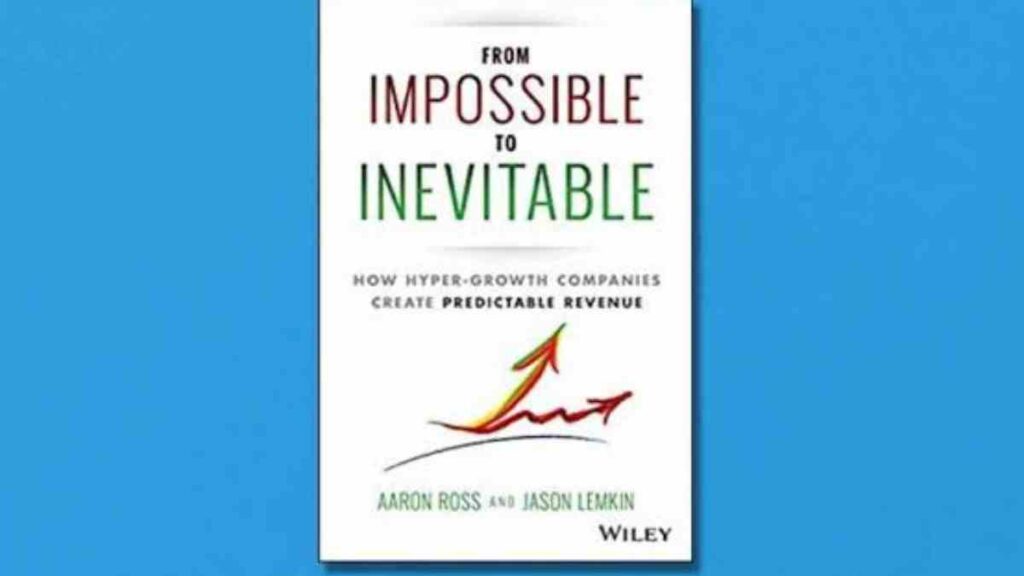
From Impossible to Inevitable builds on the ideas of Predictable Revenue and focuses on what happens after early traction.
Written by Aaron Ross and SaaStr founder Jason Lemkin, the book explains how startups move from fragile growth to momentum that feels almost unstoppable.
What the Book Is About
The book breaks down the patterns behind companies that scale successfully, especially in SaaS and recurring-revenue businesses.
Ross and Lemkin outline five core growth levers, niche focus, customer success, specialised teams, predictable pipeline and expansion revenue.
Rather than presenting growth as luck or timing, the authors show how systems, focus and discipline turn growth from uncertain to repeatable.
Key Lessons for Entrepreneurs
One of the book’s strongest lessons is that premature scaling destroys more startups than slow growth.
The authors emphasise doing the hard, unglamorous work of finding product, market fit, narrowing focus and building customer success before pushing aggressively.
For entrepreneurs, the book reinforces the idea that sustainable growth comes from clarity, execution and consistency, not constant reinvention.
Who Should Read It
From Impossible to Inevitable is ideal for founders who already have early traction and are struggling to scale reliably.
It is especially valuable for B2B and SaaS entrepreneurs who want to turn unpredictable wins into a steady growth engine without burning out their teams or themselves.
15. Buy Back Your Time – Dan Martell

Buy Back Your Time is a sharp, practical book for entrepreneurs who feel trapped inside the businesses they built.
Written by Dan Martell, a serial entrepreneur and coach to high-growth founders, the book tackles one of the most overlooked problems in entrepreneurship: success without freedom
What the Book Is About
The book focuses on how founders can stop being the bottleneck in their businesses by redesigning how they use time, energy and talent.
Martell introduces frameworks for identifying low-value work, delegating effectively and building systems that allow the business to grow without consuming the founder’s life.
Rather than glorifying hustle, the book argues that smart leverage is the real path to scale.
Key Lessons for Entrepreneurs
One of the book’s strongest lessons is that time is the most valuable asset an entrepreneur owns.
Martell explains how to calculate your “buyback rate,” prioritise high-impact work and hire strategically before burnout sets in.
The book also reframes delegation, showing founders how to let go without losing control or quality.
Who Should Read It
Buy Back Your Time is ideal for founders who have moved past the early startup phase and feel overwhelmed by daily operations.

16. Without a Doubt – Surbhi Sarna
It is especially valuable for entrepreneurs running growing businesses who want scale, clarity and personal freedom, without stepping away from leadership.
Overview
Without a Doubt is a powerful reminder that entrepreneurship is not always glamorous, especially when the stakes are life and death.
Written by Surbhi Sarna, founder of nVision Medical, the book tells the story of building a healthcare startup while navigating extreme pressure, uncertainty and personal doubt.
What the Book Is About
The book chronicles Sarna’s journey from identifying a critical gap in ovarian cancer diagnostics to building a medical device company in one of the most highly regulated industries in the world.
It goes beyond business strategy to explore resilience, credibility and leadership in environments where failure is not an option.
The narrative blends startup challenges with the emotional weight of solving real human problems.
Key Lessons for Entrepreneurs
One of the book’s strongest lessons is that belief and persistence matter as much as technical skill.
Sarna shows how founders must learn to advocate for their ideas even when faced with scepticism, bureaucracy and repeated setbacks.
The book also highlights the importance of integrity, mission-driven leadership and staying grounded when success finally arrives.
Who Should Read It
Without a Doubt is ideal for founders building purpose-driven companies, especially in healthcare, science or heavily regulated sectors.
It is also a valuable read for first-time founders who need reassurance that doubt is not a weakness, but a normal part of building something meaningful.
17. Shoe Dog – Phil Knight
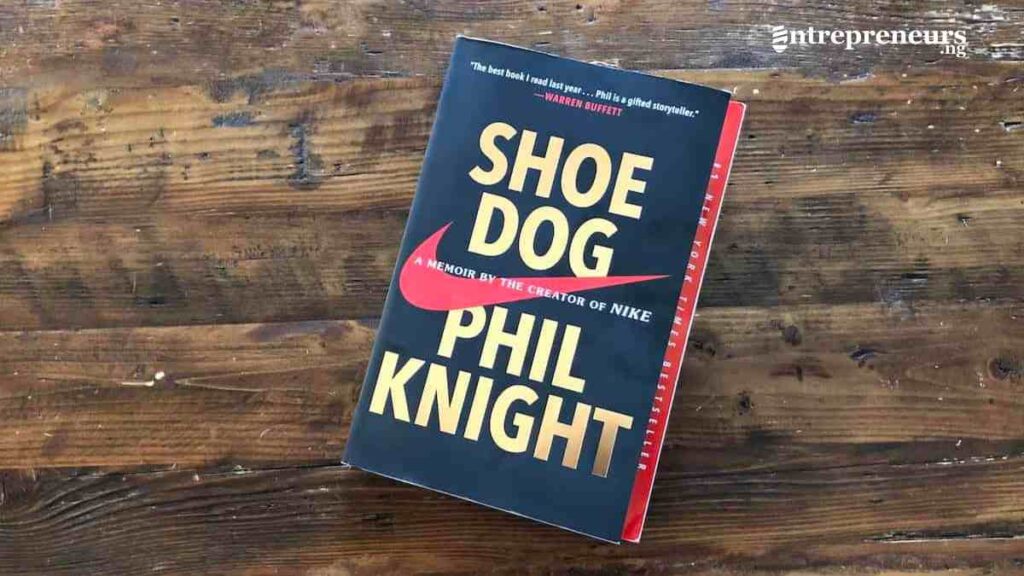
Shoe Dog is one of the most honest and gripping entrepreneurial memoirs ever written.
In this book, Phil Knight, the co-founder of Nike, pulls back the curtain on what it truly takes to build a global brand from nothing but an idea, a loan and relentless belief.
What the Book Is About
The book traces Nike’s journey from a scrappy operation selling running shoes out of car boots to one of the most recognisable brands in the world.
Knight recounts years of cash-flow crises, manufacturing setbacks, legal battles and internal tensions.
Rather than presenting Nike’s success as inevitable, Shoe Dog shows how close the company came to failure many times, and how perseverance kept it alive.
Key Lessons for Entrepreneurs
One of the book’s most powerful lessons is that uncertainty never disappears, even as a business grows.
Knight demonstrates the importance of grit, long-term vision and trusting the right people.
The book also highlights how obsession with product quality, culture and mission can sustain a business through prolonged hardship when numbers alone cannot.
Who Should Read It
Shoe Dog is essential reading for first-time founders and seasoned business owners.
It is especially valuable for entrepreneurs who need reassurance that remembering why you started, and refusing to quit, often matters more than having a perfect plan.
18. Thinking, Fast and Slow – Daniel Kahneman
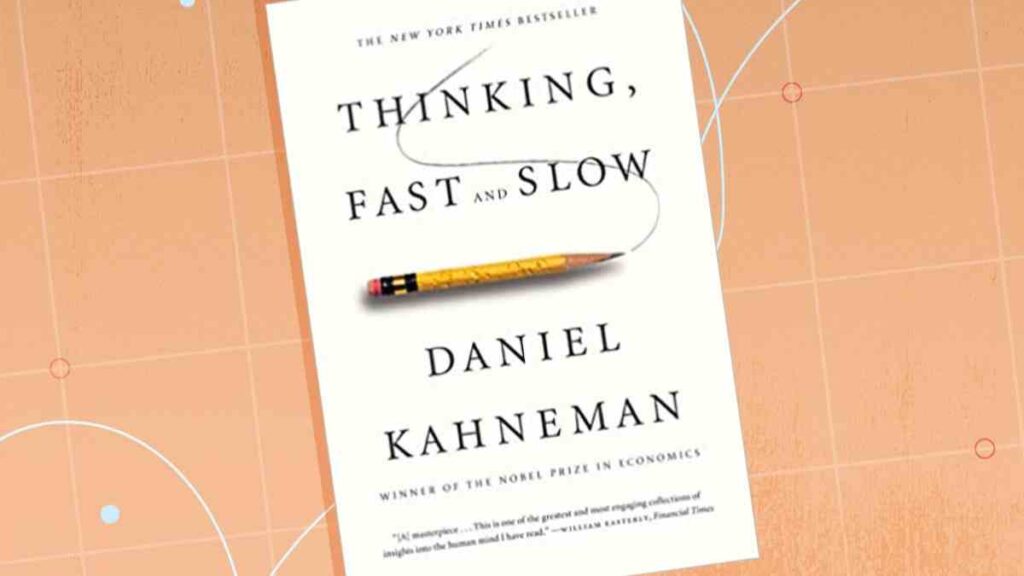
Thinking, Fast and Slow is not a startup book in the traditional sense, but it is one of the most important books an entrepreneur can read.
Written by Nobel Prize–winning psychologist Daniel Kahneman, the book explains how humans actually make decisions, and why we so often get them wrong.
What the Book Is About
Kahneman introduces two modes of thinking: System 1, which is fast, intuitive and emotional, and System 2, which is slow, deliberate and logical.
The book explores how these two systems influence judgement, risk-taking and problem-solving.
Through decades of research and real-world examples, Kahneman shows how cognitive biases shape everyday decisions, from financial choices to leadership behaviour.
Key Lessons for Entrepreneurs
One of the book’s most valuable lessons is that confidence does not equal accuracy.
Entrepreneurs learn how biases such as overconfidence, loss aversion and confirmation bias distort decision-making, especially under pressure.
The book teaches founders how to slow down critical decisions, question assumptions and design processes that reduce costly errors, an essential skill when money, people and reputation are at stake.
Who Should Read It
Thinking, Fast and Slow is ideal for founders, business leaders and decision-makers who want to improve judgement and strategic thinking.
It is especially valuable for entrepreneurs making high-stakes choices around hiring, pricing, investment and growth, where understanding how the mind works can prevent expensive mistakes.
19. Made to Stick – Chip Heath & Dan Heath
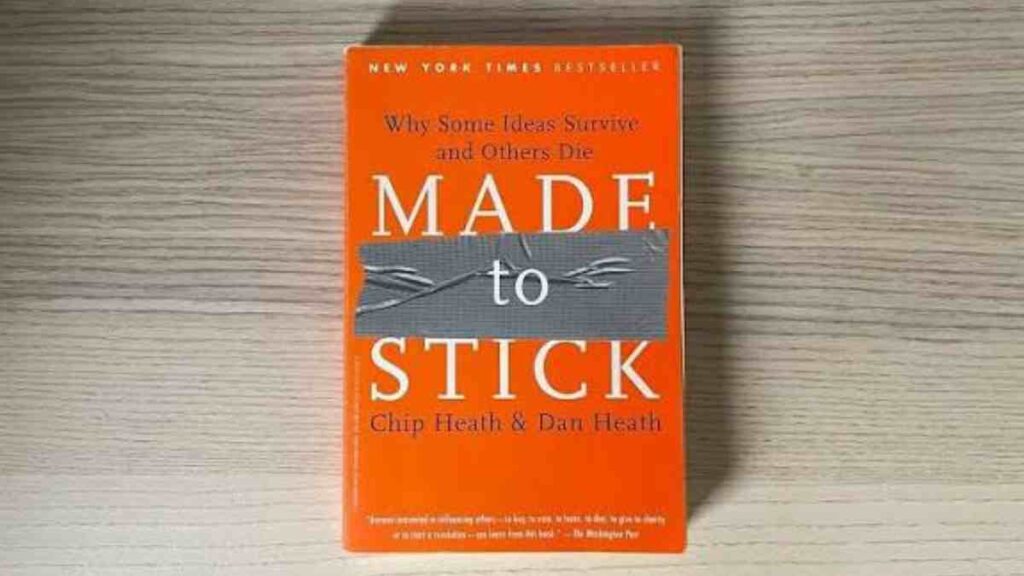
Made to Stick explores why some ideas capture attention and spread effortlessly while others disappear, even when they matter.
Written by Chip and Dan Heath, the book is especially relevant for entrepreneurs who need their ideas, products and messages to be understood, remembered and acted upon.
What the Book Is About
The book introduces the SUCCESs framework—Simple, Unexpected, Concrete, Credible, Emotional and Stories,to explain what makes ideas “stick.”
Through examples drawn from business, marketing, education and public health, the authors show how clarity and structure, not cleverness, make messages memorable.
The focus is on communication that cuts through noise and confusion.
Key Lessons for Entrepreneurs
One of the book’s strongest lessons is that great ideas fail when they are not communicated well.
Made to Stick teaches entrepreneurs how to simplify complex concepts, frame value clearly and tell stories that move people to action.
For founders, this applies directly to pitching, branding, product positioning and internal communication with teams.
Who Should Read It
Made to Stick is ideal for founders, marketers and leaders who need their ideas to land with customers, investors or employees.
It is especially valuable for startup books for first-time founders who struggle to explain what they do in a way that people instantly understand and remember.
20. Winners Never Cheat – Jon M. Huntsman Sr.
Winners Never Cheat is a values-driven business memoir that places integrity at the centre of long-term success.
Written by Jon M. Huntsman Sr., founder of Huntsman Corporation, the book argues that ethical leadership is not a weakness in business, but a competitive advantage.
What the Book Is About
The book chronicles Huntsman’s journey from humble beginnings to building a global chemical company, while consistently refusing to compromise on ethics.
Through personal stories and hard business decisions, he shows how honesty, trust and responsibility shaped both his company’s culture and its reputation.
The book also reflects on leadership, philanthropy and the broader responsibility of business to society.
Key Lessons for Entrepreneurs
One of the book’s most powerful lessons is that shortcuts eventually cost more than they save.
Huntsman demonstrates how ethical choices build trust with employees, partners and customers, trust that becomes invaluable during crises.
For entrepreneurs, the book reinforces that reputation is an asset you build slowly and lose instantly, and that character often determines longevity more than strategy.
Who Should Read It
Winners Never Cheat is ideal for founders, leaders and entrepreneurs who want to build businesses that endure beyond short-term wins.
It is especially valuable for first-time founders shaping company culture early and for leaders who want proof that success and integrity do not have to be mutually exclusive.
How to Read Business Startup Books Without Getting Stuck in Theory
Reading business startup books can easily become a form of procrastination if ideas never leave the page.
The real value comes from reading with intent, using books as tools for action, not substitutes for experience.
The goal is not to finish more books, but to apply the right lessons at the right time in your business.
| Reading Approach | How to Apply It in Real Life |
|---|---|
| Read with a problem in mind | Start each book looking for answers to one specific challenge you’re facing in your business. |
| Turn insights into actions | After every chapter, write one small action you can test within seven days. |
| Read slower, apply faster | It is better to implement one idea fully than highlight fifty pages you never use. |
| Keep a founder’s notebook | Track decisions, experiments and results linked to what you’ve read. |
| Revisit books as you grow | A book that felt irrelevant early on often becomes powerful at a new stage. |
Used this way, business startup books stop being theory and become quiet mentors, guiding your decisions while real-world experience does the teaching.
Conclusion
Starting a business is never about knowing everything upfront; it is about learning faster than your challenges grow.
The best business startup books do not give you certainty, but they sharpen your judgement, save you from avoidable mistakes and help you make better decisions under pressure.
We want to see you succeed, and that’s why we provide valuable business resources to help you every step of the way.
- Join over 23,000 entrepreneurs by signing up for our newsletter and receiving valuable business insights.
- Register your business today with Entrepreneurs.ng’s Business Registration Services.
- Tell Your Brand Story on Entrepreneurs.ng, let’s showcase your brand to our global audience.
- Need help with your marketing strategy? Get a Comprehensive Marketing and Sales Plan here.
- Sign up for our Entrepreneurs Success Blueprint Programme to learn how to start and scale your business in just 30 days.
- Book our one-on-one consulting and speak to an expert about structuring and growing your business.
- Visit our shop for business plan templates and other valuable resources to guide you.
- Get our Employee-Employer Super Bundle NDA templates to legally protect your business and workforce.
- Advertise your business to over a million entrepreneurs through our different advertising packages.

Frequently Asked Questions (FAQs)
How many business startup books should an entrepreneur read?
There is no fixed number. What matters is reading the right books for your current stage and applying the lessons. A few well-chosen books, used properly, will outperform dozens read without action.
Are business startup books enough to succeed in business?
No. Books provide clarity, frameworks and perspective, but success comes from execution. Think of books as guides that reduce mistakes, not shortcuts that replace real-world experience.
When is the best time to start reading startup books?
Before you start, while you are building and as you grow. Some lessons only make sense after you have faced certain challenges, which is why revisiting books at different stages is valuable.
Should first-time founders read many books at once?
It is better to read slowly and intentionally. Focus on one or two books that address your most urgent problems, apply what you learn, then move on.
Do these books apply outside tech startups?
Yes. While some examples come from tech, the core lessons around decision-making, finance, leadership and customer understanding apply to almost every type of business.


