

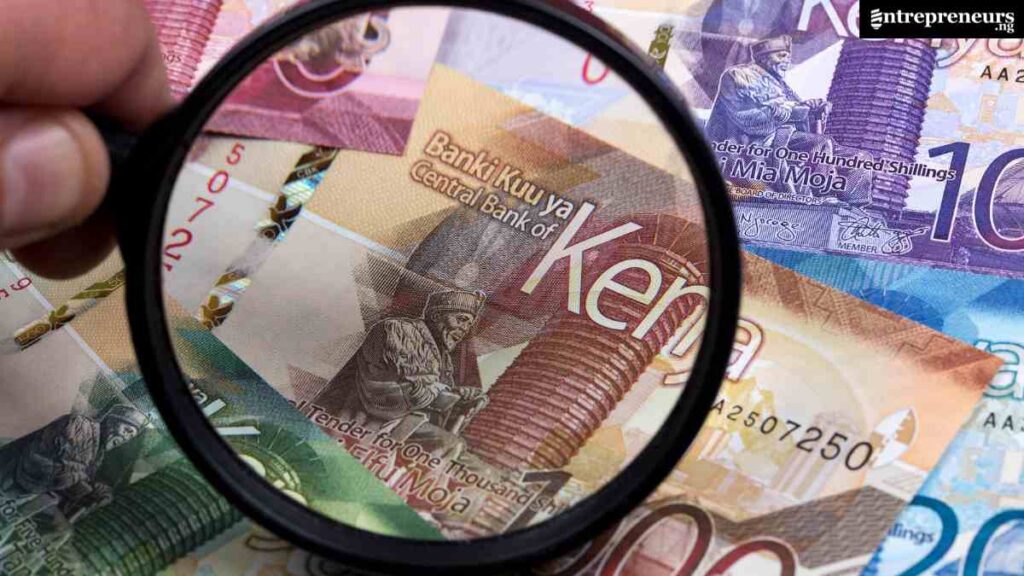
Looking for businesses to start with 100k in Kenya? With planning, that budget can launch a lean venture.
Kenya benefits from mobile money, social commerce and a growing youth market, making small ventures practical.
This guide covers ideas, equipment, permits, costs and profit potential, so you can choose and start.
See also: Proven guide to start a business.
Key Takeaways
- Starting a business with 100K in Kenya is achievable when you choose practical ideas, plan your budget carefully, and meet market demand.
- Service, retail, agribusiness, and digital ventures offer the best returns with minimal setup costs and quick cash flow.
- Legal compliance, strong branding, and consistent marketing are essential for business growth and sustainability.
- Using expert resources like the Entrepreneurs Success Blueprint Program and Business Plan Template can help you structure, market, and scale your business effectively.
See also: Best Businesses to Start with 10K in Kenya and Steps to Start Them

25 Businesses to Start with 100K in Kenya
Kenya’s entrepreneurial space continues to expand as more people look for sustainable and practical ways to earn a living with limited capital.
With careful planning and creativity, there are many businesses to start with 100K in Kenya that can generate consistent income.
Below are profitable business ideas that fit different skills and interests. Each includes startup guidance, estimated costs, and profit potential to help you decide which one works best for you.
1. Small Fast-Food Kiosk
Fast-food kiosks remain one of the most reliable small businesses to start with 100K in Kenya. Demand is constant in high-traffic areas such as estates, schools, and bus stations.
You can sell items like chips, smokies, sausages, samosas, and chapati. To attract customers, keep your stall clean, brand it clearly, and maintain quality.
You will need a small kiosk or cart, deep fryer, gas cylinder, cooking utensils, tables, and chairs for customers.
Other essentials include packaging materials and initial stock. Key permits include the Single Business Permit from your county government, a Food Handler’s Certificate, and a Fire Safety Certificate.
| How to Start | Cost Breakdown (KES) | Profit Potential |
|---|---|---|
| Rent or build a small kiosk in a busy area | Stall setup – 25,000 | Daily sales range from 3,000–6,000 |
| Purchase fryer, utensils, and ingredients | Equipment – 30,000; Stock – 15,000 | 30–40% profit margin |
| Obtain permits and basic branding | Permits and branding – 10,000; Misc – 5,000 | Monthly profit of 25,000–40,000 |
2. Home Bakery Business
A home bakery is one of the most profitable businesses to start with 100K in Kenya, especially if you have baking skills.
With an oven, good recipes, and social media marketing, you can sell cakes, cupcakes, and cookies to individuals, offices, and events.
Startup needs include an oven, baking tins, mixer, measuring tools, packaging materials, and ingredients.
It is important to maintain high hygiene standards. You may need a Single Business Permit, Food Handler’s Certificate, and KEBS certification if you package your products for resale.
| How to Start | Cost Breakdown (KES) | Profit Potential |
|---|---|---|
| Buy oven, mixer, tins, and packaging materials | Equipment – 40,000 | Daily revenue of 3,000–5,000 |
| Purchase baking ingredients and set up online pages | Ingredients – 20,000; Marketing – 10,000 | Monthly profit of 30,000–50,000 |
| Secure permits and start delivering orders | Permits and delivery costs – 5,000 | Breakeven within 2–3 months |
3. Fresh Juice and Smoothie Bar
With more Kenyans embracing healthier lifestyles, fresh juice and smoothie bars are becoming attractive small business ideas. You can set up near gyms, schools, offices, or busy estates.
The main requirements include a blender, refrigerator, cutting tools, juicing machines, and display tables.
You also need fruit suppliers, takeaway cups, and a Single Business Permit. A Food Handler’s Certificate is necessary since it involves food preparation.
| How to Start | Cost Breakdown (KES) | Profit Potential |
|---|---|---|
| Buy juicers, blenders, cups, and refrigeration | Equipment – 45,000 | Average daily sales of 4,000–6,000 |
| Rent small space near foot traffic areas | Rent and branding – 20,000 | Monthly profit between 25,000–45,000 |
| Get permits and create social media visibility | Permits and marketing – 10,000 | Breakeven within 3 months |
4. Mitumba Boutique or Street Stall
Selling second-hand clothes, commonly known as mitumba, is one of the most accessible businesses to start with 100K in Kenya.
You can source clothes from markets like Gikomba or Toi and sell them in estates or online.
All you need is a stall or market space, hangers, mannequins, and a bailing supplier. The most important step is selecting quality pieces that appeal to your target audience.
Required permits include a Single Business Permit and market stall licence.
| How to Start | Cost Breakdown (KES) | Profit Potential |
|---|---|---|
| Buy bale of clothes and rent stall | Bale and stall – 50,000 | Average sales of 4,000–7,000 daily |
| Sort, wash, and brand stall for display | Sorting, cleaning, and branding – 10,000 | 35–45% profit margin |
| Market through WhatsApp and Instagram | Marketing and permits – 10,000 | Monthly profit of 30,000–50,000 |
5. Mobile Phone Accessories Business
The demand for affordable phone accessories continues to grow in Kenya due to high smartphone penetration.
You can sell chargers, earphones, screen protectors, and covers in high-traffic areas or online.
You need a display cabinet, supplier connections (Kamukunji or Luthuli Avenue are good sources), and reliable stock. Obtain a Single Business Permit and a simple stall licence from your county.
| How to Start | Cost Breakdown (KES) | Profit Potential |
|---|---|---|
| Rent small stall and install display counter | Stall and display – 20,000 | Daily sales of 5,000–8,000 |
| Purchase assorted accessories from wholesalers | Initial stock – 60,000 | 25–40% profit margin |
| Obtain permit and promote through social media | Permits and marketing – 5,000 | Monthly profit of 30,000–45,000 |
6. Mini Cosmetics or Beauty Products Shop
Cosmetics remain among the best businesses to start with 100K in Kenya. Demand for skincare, haircare, and beauty products is growing in towns and estates.
You can start by focusing on affordable, fast-moving products like hair oils, lotions, and perfumes. Required items include a display shelf, mirrors, stock, and branding.
Permits include a Single Business Permit and a Fire Safety Certificate.
| How to Start | Cost Breakdown (KES) | Profit Potential |
|---|---|---|
| Rent small shop and buy display shelves | Stall setup – 25,000 | Daily sales 4,000–6,000 |
| Stock fast-moving cosmetics products | Stock – 60,000 | Profit margin 30–50% |
| Obtain permits and advertise locally | Permits and branding – 5,000 | Monthly profit 35,000–50,000 |

7. Salon or Natural Hair Studio
A small salon is one of the most sustainable businesses to start with 100K in Kenya.
Haircare is a daily need, and you can begin with basic services such as braiding, retouching, and treatments in a small rented space or from home.
Startup needs include salon chairs, dryers, mirrors, hair products, and branding. Ensure hygiene and customer comfort.
Key permits include a Single Business Permit and a health certificate from the county.
| How to Start | Cost Breakdown (KES) | Profit Potential |
|---|---|---|
| Rent small room and furnish it with chairs and mirrors | Space and furniture – 25,000 | Daily sales of 4,000–7,000 |
| Buy dryers, towels, and hair products | Equipment and stock – 60,000 | Profit margin 35–45% |
| Secure permits and start marketing | Permits and branding – 10,000 | Monthly profit 40,000–60,000 |
8. Barbershop Business
The barbershop business continues to thrive in both rural and urban areas. It is one of the most affordable businesses to start with 100K in Kenya because of low setup costs and repeat clientele.
You need at least two barber chairs, mirrors, hair clippers, sterilizers, towels, and styling products. Maintain hygiene and quality service.
You will need a Single Business Permit and Fire Safety Certificate.
| How to Start | Cost Breakdown (KES) | Profit Potential |
|---|---|---|
| Rent small shop and install mirrors and chairs | Space and setup – 25,000 | Daily sales 3,000–6,000 |
| Buy clippers, sterilizers, and products | Equipment and stock – 55,000 | Profit margin 30–50% |
| Obtain permits and start offering memberships | Permits and marketing – 10,000 | Monthly profit 35,000–50,000 |
9. Laundry and Ironing Pick-Up Service
This is one of the fast-growing small business ideas in Kenya as busy professionals outsource household chores.
With 100K, you can start offering door-to-door laundry services in estates or offices.
You will need a washing machine, detergents, iron box, folding tables, and packaging materials. Obtain a Single Business Permit and a Health Certificate.
| How to Start | Cost Breakdown (KES) | Profit Potential |
|---|---|---|
| Buy washing machine and detergents | Equipment – 45,000 | Daily revenue of 3,000–5,000 |
| Offer pick-up and delivery in nearby estates | Marketing and branding – 15,000 | Profit margin 30–40% |
| Secure permit and offer subscription packages | Permits – 5,000 | Monthly profit 30,000–45,000 |
10. Car Wash or Mobile Car Detailing
A car wash is one of the most dependable businesses to start with 100K in Kenya because of the growing number of vehicles.
With basic pressure machines, water storage, and brushes, you can serve customers daily.
Essential requirements include a pressure washer, water tank, hosepipe, detergents, and uniforms. Secure a location with access to water and drainage.
Required permits include a Single Business Permit and NEMA clearance for waste management.
| How to Start | Cost Breakdown (KES) | Profit Potential |
|---|---|---|
| Rent space and install water system | Space and plumbing – 25,000 | Wash 15–25 cars daily |
| Buy pressure washer and cleaning equipment | Equipment – 60,000 | Profit margin 40–50% |
| Get permits and brand site | Permits and branding – 10,000 | Monthly profit 45,000–70,000 |
11. Home and Office Cleaning Business
The cleaning business has strong demand among working families and small offices. It is one of the most flexible businesses to start with 100K in Kenya since you can operate on-call without a permanent office.
You need cleaning detergents, mops, brushes, vacuum cleaner, and uniforms. Build trust through professionalism and punctuality.
Secure a Single Business Permit and basic insurance for credibility.
| How to Start | Cost Breakdown (KES) | Profit Potential |
|---|---|---|
| Purchase cleaning supplies and equipment | Equipment – 40,000 | Charge 1,500–3,000 per session |
| Hire two part-time cleaners | Labour and branding – 20,000 | Profit margin 35–45% |
| Market through estate groups and referrals | Marketing and permits – 10,000 | Monthly profit 35,000–50,000 |
12. Event Decoration and Party Supplies
Event decoration is one of the most creative businesses to start with 100K in Kenya. You can start small by providing décor for birthdays, baby showers, and corporate events.
You will need basic décor materials such as drapes, balloons, ribbons, lighting, and tables.
Over time, you can invest in tents, chairs, and sound systems. You must obtain a Single Business Permit and a public event licence for large gatherings.
| How to Start | Cost Breakdown (KES) | Profit Potential |
|---|---|---|
| Buy décor materials and lighting | Materials – 50,000 | Charge 10,000–30,000 per event |
| Brand and promote your services | Branding and marketing – 20,000 | Profit margin 40–60% |
| Secure permits for outdoor events | Permits – 10,000 | Monthly profit 50,000–80,000 |
13. Social Media Management and Digital Marketing
Small businesses in Kenya increasingly rely on social media for visibility and sales. Starting a social media management business requires skills in content creation, copywriting, and analytics.
You need a smartphone or laptop, reliable internet, and basic software for content scheduling.
Learn digital marketing fundamentals through online courses to boost credibility. Obtain a Single Business Permit if you register as an agency.
| How to Start | Cost Breakdown (KES) | Profit Potential |
|---|---|---|
| Buy a reliable smartphone or laptop | Equipment – 50,000 | Earn 10,000–30,000 per client monthly |
| Market your services online | Branding and ads – 15,000 | Handle 3–5 clients at once |
| Register business and start offering packages | Permits and setup – 5,000 | Monthly profit 50,000–100,000 |
Entrepreneurs.ng offers the Entrepreneurs Success Blueprint Program to help you refine your marketing strategy and position your services professionally. You can learn more on entrepreneurs.ng/esbp.
14. Graphic Design, Printing and Branding
Graphic design and printing services are among the most reliable small business ideas with 100K in Kenya. You can design business cards, flyers, and social media posters for local businesses.
You need a laptop with design software such as Canva or Adobe, a printer, laminator, and quality paper stock.
If you plan to expand, consider a small branding space near learning institutions or shopping centres.
| How to Start | Cost Breakdown (KES) | Profit Potential |
|---|---|---|
| Buy printer, laminator, and design software | Equipment – 60,000 | Design jobs from 500–5,000 per client |
| Market services through social media | Branding and marketing – 15,000 | Profit margin 40–50% |
| Register business and network with SMEs | Permits and setup – 10,000 | Monthly profit 40,000–80,000 |
For entrepreneurs offering branding services, you can showcase your skills and attract clients by joining the Entrepreneurs.ng Advertising Packages, which help connect brands with millions of entrepreneurs.
15. Videography and Photography Service
Photography and videography are creative and profitable businesses to start with 100K in Kenya, especially for events, fashion, and content creation.
Start with a good smartphone camera or entry-level DSLR. Invest in lighting, tripods, and editing software.
Focus on social media promotion and quality delivery. Obtain a Single Business Permit for professional operations.
| How to Start | Cost Breakdown (KES) | Profit Potential |
|---|---|---|
| Purchase entry-level camera and tripod | Equipment – 70,000 | Charge 5,000–20,000 per session |
| Market through social media and referrals | Marketing – 15,000 | Profit margin 40–60% |
| Obtain permits and build brand portfolio | Permits – 5,000 | Monthly profit 50,000–100,000 |
You can boost brand credibility by using Entrepreneurs.ng Brand Assets services at entrepreneurs.ng/brand-assets.
See also: Low-Cost Businesses to Start with 5K in Kenya
16. Cyber Café and Document Processing Centre
A cyber café remains one of the most practical businesses to start with 100K in Kenya, especially near schools and government offices.
Services can include photocopying, printing, scanning, and internet browsing.
The setup requires computers, a printer, chairs, tables, internet connection, and stationery. You will also need a Single Business Permit and Fire Safety Certificate.
| How to Start | Cost Breakdown (KES) | Profit Potential |
|---|---|---|
| Buy two used computers and printer | Equipment – 60,000 | Daily revenue 2,500–5,000 |
| Install internet and brand your shop | Internet and branding – 20,000 | Profit margin 35–45% |
| Obtain permits and offer CV writing | Permits and marketing – 10,000 | Monthly profit 30,000–50,000 |
If you need expert help setting up your operations and documentation processes, you can consult through Ask an Expert Service at entrepreneurs.ng/ask-an-expert.
17. Tutoring and Online Coaching
Tutoring is one of the best skill-based businesses to start with 100K in Kenya. The demand for academic and professional tutors continues to rise as parents seek personalised learning.
You can teach online or in person. You only need a laptop, internet, and teaching materials. Focus on subjects with consistent demand such as maths, languages, or digital skills.
| How to Start | Cost Breakdown (KES) | Profit Potential |
|---|---|---|
| Buy laptop and teaching tools | Equipment – 50,000 | Charge 500–2,000 per session |
| Create online profiles and social ads | Marketing – 15,000 | Profit margin 60–70% |
| Obtain relevant certifications | Permits and training – 10,000 | Monthly profit 40,000–80,000 |
To create professional tutoring packages or training programs, explore the Comprehensive Business Plan Template for Entrepreneurs available on entrepreneurs.ng/product/comprehensive-business-plan-template-for-entrepreneurs/.
18. Broiler Chicken Farming
Broiler farming is among the most profitable agribusinesses to start with 100K in Kenya. Demand for chicken meat continues to rise in urban centres, making it ideal for beginners.
You can start with about 200 chicks, feeding equipment, a brooder, and vaccination supplies.
Broilers mature within six to eight weeks, giving you fast returns. You will need a Single Business Permit, a health certificate, and NEMA clearance if the farm is large.
| How to Start | Cost Breakdown (KES) | Profit Potential |
|---|---|---|
| Build chicken structure and buy feeders, drinkers | Housing and equipment – 30,000 | 200 broilers can yield 80,000–100,000 per cycle |
| Buy day-old chicks and feeds | Stock – 50,000 | 30–40% profit margin |
| Obtain permits and vaccinate | Permits and medication – 10,000 | Breakeven in 2 months |
19. Vegetable Farming
Vegetable farming is one of the easiest and most sustainable businesses to start with 100K in Kenya.
You can grow high-demand vegetables such as sukuma wiki, spinach, tomatoes, and onions for local markets and restaurants.
Requirements include leasing a small plot, seeds, irrigation tools, pesticides, and fertilizers. A Single Business Permit and water-use approval may be required depending on location.
| How to Start | Cost Breakdown (KES) | Profit Potential |
|---|---|---|
| Lease quarter-acre plot and prepare soil | Land lease – 20,000 | Harvest worth 60,000–90,000 per cycle |
| Buy seeds, fertilizers, and irrigation tools | Inputs – 50,000 | Profit margin 35–45% |
| Market directly to vendors and hotels | Permits and logistics – 10,000 | Breakeven in 3 months |
20. Mushroom Farming
Mushroom cultivation is gaining popularity as a high-value agribusiness in Kenya. With 100K, you can start small and expand gradually.
You need a small grow house, mushroom spawns, substrate bags, thermometers, and humidity control systems.
You will need a Single Business Permit and KEBS certification for packaged mushrooms.
| How to Start | Cost Breakdown (KES) | Profit Potential |
|---|---|---|
| Set up grow house and humidity system | Setup – 40,000 | Yield of 80–100 kg per cycle |
| Buy spawns and substrate | Inputs – 40,000 | Sell at 400–600 per kg |
| Obtain permits and package for resale | Permits and packaging – 10,000 | Monthly profit 40,000–70,000 |
21. Quail or Indigenous Chicken Rearing
Rearing indigenous chicken or quails is another profitable small-scale business to start with 100K in Kenya. Indigenous breeds are preferred for their taste and resilience.
Requirements include a simple coop, feeders, drinkers, vaccination supplies, and starter chicks.
Quail eggs and meat fetch premium prices in urban markets. A Single Business Permit and veterinary clearance are necessary.
| How to Start | Cost Breakdown (KES) | Profit Potential |
|---|---|---|
| Build housing and buy chicks | Housing and stock – 40,000 | 100 quails yield up to 30,000 monthly |
| Buy feed and vaccines | Feed and medication – 40,000 | Profit margin 35–50% |
| Secure permits and market to local shops | Permits and marketing – 10,000 | Breakeven in 3–4 months |

22. Small Dairy or Yoghurt Processing Business
With the growing demand for fresh dairy products, setting up a small yoghurt processing unit is one of the best agribusiness ideas with 100K in Kenya.
You will need pasteurising equipment, fermentation jars, refrigeration, packaging containers, and raw milk supply.
Obtain KEBS certification for packaged products and a Single Business Permit.
| How to Start | Cost Breakdown (KES) | Profit Potential |
|---|---|---|
| Buy pasteurizer, jars, and refrigerator | Equipment – 60,000 | Produce 50–80 litres per day |
| Purchase milk, sugar, and flavouring | Raw materials – 25,000 | Profit margin 40–60% |
| Secure permits and distribute locally | Permits and marketing – 10,000 | Monthly profit 50,000–80,000 |
23. Errand and Delivery Services
Errand and delivery businesses are gaining popularity in cities such as Nairobi, Mombasa and Kisumu.
You can start by offering simple deliveries for groceries, parcels and documents using a motorbike or on foot within estates and business districts.
You will need a smartphone, a means of transport (either hire a motorbike or partner with a rider), branded T-shirts, and packaging materials. A Single Business Permit is required along with a rider licence for delivery personnel.
| How to Start | Cost Breakdown (KES) | Profit Potential |
|---|---|---|
| Hire or buy a second-hand motorbike | Motorbike hire or purchase – 50,000 | Earn 2,000–5,000 daily |
| Brand your business and create WhatsApp group or app listing | Marketing and branding – 15,000 | Profit margin 40–50% |
| Obtain permits and offer packages to offices and individuals | Permits and rider licence – 10,000 | Monthly profit 40,000–70,000 |
24. Mobile Phone and Electronics Repair Business
With Kenya’s high smartphone usage, a mobile phone repair venture is among the best small businesses to start with 100K in Kenya.
You can offer screen replacement, battery change, and software updates.
Requirements include basic repair tools, spare parts, a workbench, and a small shop or kiosk near busy areas. Training in phone repair is essential. You will need a Single Business Permit and Fire Safety Certificate.
| How to Start | Cost Breakdown (KES) | Profit Potential |
|---|---|---|
| Rent a small stall and buy basic tools | Stall and setup – 25,000 | Charge 500–2,500 per repair |
| Stock fast-moving spare parts | Parts and equipment – 60,000 | Profit margin 30–50% |
| Obtain permits and advertise locally | Permits and marketing – 10,000 | Monthly profit 40,000–70,000 |
25. Home Cooking and Catering Business
Food businesses continue to thrive because of Kenya’s busy working population. Home catering is one of the most affordable and profitable businesses to start with 100K in Kenya.
You can supply offices, schools, or events with pre-ordered meals.
You will need cooking utensils, chafing dishes, packaging materials, and delivery containers. You will also need a Single Business Permit, Food Handler’s Certificate, and Fire Safety Certificate.
| How to Start | Cost Breakdown (KES) | Profit Potential |
|---|---|---|
| Purchase cooking equipment and packaging containers | Utensils and stock – 40,000 | Serve 30–50 meals daily |
| Promote catering packages to offices and events | Marketing – 15,000 | Profit margin 35–45% |
| Obtain permits and start delivering | Permits and logistics – 10,000 | Monthly profit 50,000–80,000 |
See also: Best Business Ideas in South Africa Under R50000
Step-by-Step Guide to Start a Business with 100K in Kenya
Starting a small business with limited capital requires discipline, planning, and execution.
Follow these actionable steps to launch and grow your business:
Step 1: Identify a Profitable Business Idea
Begin by researching small business ideas that align with your skills, location, and demand trends.
Analyse what sells in your area, paying attention to essential services such as food, retail, and digital solutions.
Use online marketplaces like Jiji, social media pages, and community groups to test interest in your business idea.
Consider customer pain points -what problem will your business solve? The more specific your niche, the easier it becomes to stand out.
| Tool | Use | Example |
|---|---|---|
| WhatsApp & Instagram | Gauge interest and gather feedback | Run polls or post samples |
| Google Trends | Identify rising local demand | Search terms like “best small business in Kenya” |
| Local Observation | Evaluate unmet needs | Foot traffic, estate needs, or transport gaps |
Step 2: Create a Budget Plan
To make your 100K work effectively, divide it strategically. A balanced budget prevents overspending and ensures sustainability in the first months.
| Expense Category | Percentage Allocation | Approximate Amount (KES) |
|---|---|---|
| Equipment & Setup | 35% | 35,000 |
| Stock or Materials | 35% | 35,000 |
| Permits & Branding | 10% | 10,000 |
| Marketing & Launch | 10% | 10,000 |
| Emergency Reserve | 10% | 10,000 |
Avoid spending all your capital at once. Retain a cash buffer to handle unforeseen costs such as permit delays or market fluctuations.
If you need help building a financial structure or cost plan for your business, you can use the Comprehensive Business Plan Template for Entrepreneurs available on entrepreneurs.ng/shop.
Step 3: Register and Obtain Necessary Permits
Every business in Kenya must operate legally to avoid fines or closure. Most small businesses require a Single Business Permit from the county government.
If you handle food, obtain a Food Handler’s Certificate and a Fire Safety Certificate.
For manufacturing or packaging, apply for KEBS certification. You can complete most registrations on the eCitizen portal.
| Permit Type | Cost Range (KES) | Where to Obtain |
|---|---|---|
| Single Business Permit | 5,000–15,000 | County Government |
| Food Handler’s Certificate | 1,000–3,000 | County Health Office |
| Fire Safety Certificate | 2,000–5,000 | County Fire Department |
| KEBS Certification | 5,000–10,000 | Kenya Bureau of Standards |
Step 4: Source Equipment and Supplies
Once registered, source your materials or equipment from reliable suppliers. Visit wholesale markets like Kamukunji, Gikomba, or Luthuli Avenue for affordable deals.
Negotiate bulk discounts and establish supplier relationships to secure future credit.
Always prioritise quality over quantity. Cheap equipment might save money upfront but can lead to losses later.
Step 5: Develop a Simple Brand Identity
A strong brand helps small businesses stand out. Choose a memorable business name, design a simple logo, and use consistent colours across your signage and packaging.
You can get brand assets from entrepreneurs.ng/brand-assets. This step is especially useful for digital businesses or retail ventures.
| Branding Element | Purpose | Example |
|---|---|---|
| Name & Logo | Recognition | “Tamu Treats Bakery” |
| Colour Theme | Visual appeal | Red and gold for visibility |
| Social Media | Customer engagement | Use Instagram and Facebook |
Step 6: Market and Launch Your Business
Effective marketing ensures customers find your business from day one. For small ventures, focus on digital marketing and community outreach.
Promote your products on WhatsApp, Facebook Marketplace, Instagram, and local community boards. Offer discounts for early buyers or referrals. Create engaging short videos showcasing your products or services.
To strengthen your marketing efforts, explore the Entrepreneurs.ng Advertising Packages, where you can promote your brand through expert storytelling and SEO-driven campaigns. Learn more at entrepreneurs.ng/advertise.
| Marketing Channel | Cost (KES) | Impact |
|---|---|---|
| Social Media Ads | 3,000–10,000 | Fast visibility |
| Word of Mouth | Free | Builds trust |
| Flyers & Posters | 2,000–5,000 | Local awareness |
Step 7: Manage Finances and Operations
Good financial management determines business success. Track every expense, monitor profits, and avoid mixing business and personal funds. Use simple record-keeping apps or manual ledgers.
Reinvest profits into expanding inventory or upgrading equipment rather than spending them immediately. The goal is sustainability and scalability.
Step 8: Scale Gradually and Diversify
After stabilising your operations, consider scaling. This can mean adding new products, extending service areas, or opening a second branch. You can also explore digital options like online ordering or deliveries.
Joining programs like the Entrepreneurs Success Blueprint Program at entrepreneurs.ng/esbp can help you build systems and grow your business strategically.
| Scaling Option | Description | Benefit |
|---|---|---|
| Add New Product Line | Expand range within your niche | Increased revenue |
| Open New Location | Replicate successful model | Wider reach |
| Digitise Operations | Introduce online orders and mobile payments | Efficiency and growth |
Following these steps gives you a structured roadmap for launching successful businesses with 100K in Kenya. Proper planning, compliance, and marketing are key to turning your idea into a sustainable venture. get more data about Kenya business environment here.

Conclusion
Starting a business with 100K in Kenya is realistic when guided by planning and focus. With the right idea, clear budgeting, and proper execution, small ventures can grow into dependable sources of income.
Kenya’s business environment continues to favour entrepreneurs who adapt to local demand, maintain quality, and embrace technology for visibility and growth.
Whether you choose retail, digital services, or agribusiness, the key is to start lean and scale gradually.
We want to see you succeed, and that’s why we provide valuable business resources to help you every step of the way.
- Join over 23,000 entrepreneurs by signing up for our newsletter and receiving valuable business insights.
- Register your business today with Entrepreneurs.ng’s Business Registration Services.
- Tell Your Brand Story on Entrepreneurs.ng, let’s showcase your brand to our global audience.
- Need help with your marketing strategy? Get a Comprehensive Marketing and Sales Plan here.
- Sign up for our Entrepreneurs Success Blueprint Programme to learn how to start and scale your business in just 30 days.
- Book our one-on-one consulting and speak to an expert about structuring and growing your business.
- Visit our shop for business plan templates and other valuable resources to guide you.
- Get our Employee-Employer Super Bundle NDA templates to legally protect your business and workforce.
- Advertise your business to over a million entrepreneurs through our different advertising packages.
Frequently Asked Questions on Businesses to Start with 100K in Kenya
What are the most profitable businesses to start with 100K in Kenya?
Some of the most profitable businesses to start with 100K in Kenya include fast-food kiosks, salons, mitumba boutiques, poultry farming, social media management, and mobile accessories shops.
These ventures are affordable, have consistent demand, and offer quick returns.
Can I really start a successful business with 100K in Kenya?
Yes, you can. With a well-researched business idea, careful budgeting, and efficient marketing, 100K is enough to start a small but profitable venture.
Many successful entrepreneurs began with modest capital, focusing on businesses that meet daily consumer needs.
Which business gives the fastest return on investment in Kenya?
Service and retail ventures like food kiosks, laundry services, and delivery businesses tend to give the fastest returns.
They have high turnover and require minimal waiting time for sales, allowing you to recover your investment within two to three months.
What licences or permits do I need for a small business in Kenya?
Most small businesses in Kenya need a Single Business Permit issued by the county government. Food-related businesses also require a Food Handler’s Certificate, while shops and salons may need Fire Safety Certificates.
The cost of these permits typically ranges between KES 5,000 and 15,000, depending on your location and business type.
How much profit can I expect from a business started with 100K in Kenya?
Profit margins vary depending on the type of business. Retail and service-based ventures typically deliver margins between 30 and 50 percent.
On average, entrepreneurs earn between KES 30,000 and 80,000 per month once operations stabilise.
What mistakes should I avoid when starting a business with 100K in Kenya?
Common mistakes include poor budgeting, failing to research the market, ignoring permits, and mixing personal expenses with business finances.
Many new entrepreneurs also overlook marketing and branding, which are key for attracting repeat customers.
Which counties in Kenya are best for small businesses?
Counties like Nairobi, Mombasa, Nakuru, Kisumu, and Kiambu offer large customer bases and strong infrastructure.
However, smaller towns and rural areas provide lower rent, less competition, and growing demand for essential goods and services.
Can I start an online business with 100K in Kenya?
Yes. Online ventures such as e-commerce reselling, digital marketing, and tutoring can easily start with 100K or less. Internet penetration in Kenya exceeds 80 percent, creating a strong foundation for online entrepreneurship.
Is agribusiness a good investment for 100K capital in Kenya?
Yes, agribusiness remains one of the most reliable sectors for small investors. With 100K, you can venture into poultry farming, vegetable growing, mushroom production, or small-scale dairy processing.
These businesses meet daily food demand and can be scaled with profits.
How can I market my small business effectively in Kenya?
Use digital platforms such as Facebook, Instagram, and WhatsApp to showcase products and engage customers. Create short videos and run affordable ads targeting your area.
Offline marketing through flyers, referrals, and estate partnerships also works well for new entrepreneurs.
What government support is available for small business owners in Kenya?
The Kenyan government supports entrepreneurs through county youth funds, Uwezo Fund, Women Enterprise Fund, and Hustler Fund loans. Entrepreneurs can also benefit from training and tax support offered by the Kenya Revenue Authority and various county governments.
How can I manage my finances effectively after starting a business?
Separate your personal and business finances. Track every sale and expense using a simple ledger or mobile app.
Reinvest profits into stock expansion or marketing instead of spending them immediately. Financial discipline ensures business stability and growth.
Can I start a partnership business with 100K in Kenya?
Yes. You can pool resources with a partner or family member to start a joint venture. However, draft a simple written agreement that outlines contributions, roles, and profit-sharing terms to avoid disputes later.
How long does it take to recover the capital from a business started with 100K in Kenya?
Most small businesses recover their initial capital within two to six months, depending on the type of venture and consistency in operations.
Service-oriented businesses like salons and food stalls tend to break even faster than agribusinesses.
How can Entrepreneurs.ng help me grow my business?
Entrepreneurs.ng offers several resources to help you start and grow a business. You can access the Entrepreneurs Success Blueprint Program for mentorship, use the Comprehensive Business Plan Template to create a solid plan, and promote your brand through our Advertising Packages. Explore these tools at entrepreneurs.ng/shop and entrepreneurs.ng/advertise.


