

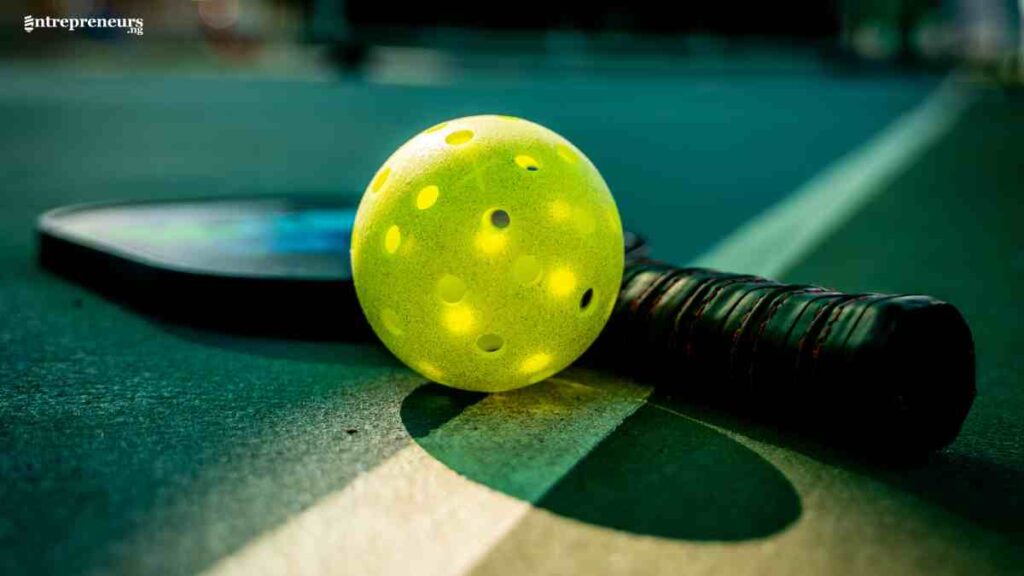
A pickleball business is quickly becoming one of the most attractive opportunities in the recreational sports business sector.
According to the Sports & Fitness Industry Association (SFIA), pickleball participation increased by 159% over three years, making it the fastest-growing sport in the United States for three consecutive years.
In this guide, you will learn how to start a pickleball business, explore profitable pickleball business ideas, understand pickleball startup costs, and choose the right pickleball business model.
Key Takeaways
- Validate demand first by researching your local market before investing in a pickleball business.
- Choose the right pickleball business model, whether a facility, coaching service, or equipment brand.
- Build recurring revenue through memberships, events, and strong community engagement.
- Control startup costs and execute a smart marketing strategy to ensure long-term profitability.

What Is a Pickleball Business?
A pickleball business is any commercial venture built around the sport of pickleball, designed to generate revenue through facilities, services, products, or community-driven experiences.
It operates within the broader recreational sports business sector. It can take several forms, including a pickleball court business, a coaching academy, an equipment brand, a tournament organiser, or a full-scale community sports facility.
Entrepreneurs typically earn income through court rentals, memberships, coaching programmes, equipment sales, events, and corporate partnerships.
In simple terms, a pickleball business transforms the popularity of the sport into a structured, profitable enterprise by combining smart location strategy, community engagement, and a sustainable business model.
Why Is Pickleball a High-Growth Industry?
Pickleball is not growing by accident. It is expanding rapidly because it sits at the intersection of accessibility, social interaction, and commercial opportunity.
For entrepreneurs exploring a pickleball business, understanding why the industry is booming helps validate long-term potential.
1. Rapid Participation Growth
Pickleball has recorded some of the highest participation growth rates in modern sport.
According to data from the Sports & Fitness Industry Association (SFIA), it has ranked among the fastest-growing sports in the United States for multiple consecutive years.
Participation has expanded beyond retirees to include millennials, Gen Z players, and competitive athletes.
This broad demographic appeal reduces reliance on a single age group. That diversity makes the industry more stable and scalable.
2. Low Barrier to Entry for Players
Unlike tennis or golf, pickleball is easy to learn. The court is smaller. The equipment is affordable. The rules are simple. Most beginners can enjoy a competitive game within their first session.
Lower barriers mean faster adoption. Faster adoption drives higher demand for courts, coaching, and equipment.
That demand fuels growth for every pickleball court business and related venture.
3. Strong Community Appeal
Pickleball is inherently social. It is usually played in doubles format. Games rotate quickly. Players mix skill levels. This structure builds strong local communities.
In an era where people increasingly seek connection and wellness, community-based sports are thriving.
A pickleball business benefits directly from this trend because loyal communities create repeat customers and recurring revenue.
4. Commercial Investment and Media Attention
Private equity firms, celebrities, and professional leagues have entered the market. Dedicated indoor facilities are expanding in urban areas.
Major media outlets have covered the rise of competitive leagues and facility investments.
When institutional capital flows into a sport, it signals confidence in long-term profitability. That visibility also increases mainstream awareness, attracting new players and customers.
5. Adaptability to Urban Spaces
Pickleball courts require less space than tennis courts. Existing warehouses, gyms, and unused retail spaces can be converted into profitable community sports facilities.
This flexibility accelerates expansion. Entrepreneurs can launch faster and in more locations, even in dense urban environments.
6. Alignment With Global Wellness Trends
The global fitness and wellness market continues to grow. Consumers are prioritising active lifestyles, social recreation, and preventative health. Pickleball fits perfectly into this movement.
It offers:
- Cardiovascular exercise
- Low-impact joint movement
- Social engagement
- Mental wellbeing benefits
This alignment positions pickleball as more than a trend. It is part of a broader recreational sports business evolution.
The Bottom Line
Pickleball is a high-growth industry because it combines accessibility, social connection, commercial investment, and global wellness trends.
For entrepreneurs, these factors create a strong foundation for building a sustainable and profitable pickleball business.
How to Start a Pickleball Business in 10 Steps
Starting a pickleball business requires more than enthusiasm for the sport. You need a clear strategy, validated demand, a sustainable pickleball business model, and disciplined financial planning.
Whether you are launching a pickleball court business, coaching academy, or equipment brand, these ten practical steps will help you move from idea to execution with confidence.
Step 1: Research and Validate the Market
Before you invest in courts, equipment, or branding, validate real demand for your pickleball business. Skipping this step is one of the biggest mistakes new entrepreneurs make.
Start by analysing your local area:
- How many pickleball courts already exist?
- Are facilities fully booked during peak hours?
- Do players travel far to find available courts?
- Are there waiting lists for memberships or lessons?
Visit existing venues. Speak directly to players. Join local Facebook and WhatsApp community groups. Read Google reviews to identify gaps in service quality, pricing, and experience.
Next, evaluate search demand. Look for trends in keywords such as:
- “Pickleball near me”
- “Indoor pickleball courts”
- “Pickleball lessons”
- “How to start a pickleball business”
High and rising search volume indicates market interest. If people are actively searching, there is measurable demand.
Also study demographics. Pickleball performs well in:
- Growing suburban communities
- Active retiree populations
- Urban wellness-focused professionals
- Areas with limited recreational sports facilities
Finally, assess competition carefully. If your market already has several well-established pickleball court businesses, you will need a stronger value proposition. However, if demand exceeds supply, you may have a clear entry opportunity.
Market validation reduces risk. It ensures you are building a business based on real demand, not just enthusiasm for the sport.
Step 2: Choose the Right Pickleball Business Model
Once you have validated demand, the next step is to decide how you want to operate your pickleball business.
Your chosen pickleball business model will determine your startup costs, revenue structure, risk level, and scalability.
There is no single “best” model. The right choice depends on your capital, experience, and market conditions.
Here are the main options:
| Pickleball Business Model | Description | Best For |
|---|---|---|
| Pickleball Court Business (Dedicated Facility) | Lease or own a space and build indoor or outdoor courts. Earn revenue from memberships, court rentals, coaching, leagues, and retail sales. | Entrepreneurs with strong capital seeking long-term scalable growth |
| Multi-Sport or Court Conversion Model | Convert existing tennis courts, warehouses, or gym spaces into pickleball courts to reduce build-out costs. | Operators looking to launch faster with lower infrastructure investment |
| Coaching and Training Academy | Focus on lessons, clinics, youth programmes, and skill development partnerships. | Experienced players or certified coaches |
| Equipment or Retail Brand | Sell paddles, balls, apparel, and accessories online or through local clubs. | Entrepreneurs interested in product-based businesses |
| Mobile Pickleball Setup | Use portable nets, organise leagues in parks, and run pop-up tournaments. | Entrepreneurs wanting low pickleball startup costs and mobility |
When choosing your model, ask yourself:
- How much does it cost to start a pickleball business in my chosen format?
- Is a pickleball business profitable at my intended scale?
- Do I want recurring membership income or event-based revenue?
- Can I manage a physical community sports facility, or do I prefer a leaner operation?
Your answer shapes everything that follows. Choose a model that aligns with both your financial capacity and long-term vision.

Step 3: Create a Detailed Business Plan
After choosing your pickleball business model, the next step is to develop a clear and structured business plan. This document transforms your idea into a practical, fundable strategy.
A strong business plan forces you to think through operations, finances, and long-term growth before you commit capital.
Your plan should include:
1. Executive Summary
Briefly explain your concept, target market, and why your pickleball business will succeed.
2. Market Analysis
Summarise your research. Highlight demand levels, competition gaps, and local demographics.
3. Business Model and Revenue Streams
Clearly define how you will generate income. For example:
- Membership subscriptions
- Court bookings
- Coaching programmes
- Tournaments and leagues
- Equipment and retail sales
This section should answer the question: Is a pickleball business profitable in my market?
4. Pickleball Startup Costs and Financial Projections
Break down:
- Lease or property costs
- Court construction or equipment
- Staff salaries
- Insurance
- Marketing budget
Then project revenue for 12–24 months. Estimate your break-even point.
5. Marketing and Growth Strategy
Outline your pickleball business marketing strategy. Include local SEO, social media, partnerships, and launch events.
6. Operational Plan
Explain staffing structure, booking systems, opening hours, and customer service standards.
To fast-track your planning process, download our ready-to-use Business Plan Template and build a clear, investor-ready roadmap for your pickleball business today.
Step 4: Calculate Your Pickleball Startup Costs
Now it is time to answer one of the most important questions: How much does it cost to start a pickleball business?
Your pickleball startup costs will vary depending on your chosen model, location, and scale. However, clarity at this stage prevents financial surprises later.
Start by separating your costs into three categories:
1. Fixed Costs
These are expenses you must pay regardless of how many customers you have:
- Lease or property purchase
- Renovations and court construction
- Lighting and flooring
- Insurance
- Business registration and legal fees
- Equipment (nets, paddles, balls, booking systems)
For a dedicated pickleball court business, this can range from moderate to significant investment depending on city and size.
2. Variable Costs
These fluctuate with activity:
- Staff wages
- Utilities
- Maintenance
- Marketing campaigns
- Event hosting expenses
3. Working Capital
This is your safety cushion.
Plan for at least 6–9 months of operating expenses before profitability. Many recreational sports businesses underestimate this buffer.
If you are launching a coaching academy or mobile setup, costs will be lower. If you are building a large indoor community sports facility, your capital requirement increases substantially.
The key is realistic forecasting. Overestimating revenue and underestimating expenses is one of the fastest ways to struggle financially.
Clear financial planning transforms your pickleball business from a passion project into a sustainable venture.
Step 5: Secure Funding and Capital
Once you understand your pickleball startup costs, the next step is securing the capital to launch and sustain your pickleball business.
Even the best pickleball business model will struggle without sufficient funding. Many entrepreneurs underestimate how much working capital they need in the first year.
Here are the main funding options to consider:
1. Personal Investment
Using your own savings gives you full control. However, it also increases personal financial risk.
2. Business Loans
Banks and alternative lenders may finance a pickleball court business if you present a strong business plan, financial projections, and market validation.
3. Investors or Partners
Angel investors or strategic partners can provide capital in exchange for equity. This is common for larger community sports facilities with expansion potential.
4. Joint Ventures
Partnering with property owners, fitness centres, or existing sports clubs can reduce your upfront infrastructure costs.
5. Phased Launch Strategy
Instead of building a full-scale facility immediately, you can start smaller. Launch with fewer courts or a mobile setup, then reinvest profits into expansion.
When raising funds, be prepared to answer key questions:
- Is a pickleball business profitable in this location?
- What is the projected break-even timeline?
- What competitive advantage do you have?
- How scalable is your recreational sports business?
Strong financial discipline at this stage determines whether your business survives its early months. Secure enough capital not just to launch, but to operate confidently while building momentum.
Step 6: Register Your Business and Handle Legal Requirements
With funding secured, the next step is to formalise your pickleball business legally. Proper registration protects you, builds credibility, and ensures compliance with local regulations.
Start by choosing the right legal structure. This could be a sole proprietorship, partnership, limited company, or corporation, depending on your country and growth plans.
Your structure affects taxation, liability, and investor participation.
Next, complete the following essentials:
- Register your business name
- Obtain required licences and permits
- Confirm zoning approval for sports or recreational use
- Secure public liability insurance
- Draft clear membership agreements and waivers
If you are launching a pickleball court business or community sports facility, zoning compliance is critical. Some municipalities have restrictions on indoor sports operations, noise levels, or parking requirements.
You should also implement:
- Health and safety protocols
- Emergency procedures
- Equipment safety standards
- Clear refund and cancellation policies
Legal compliance may feel administrative, but it protects your recreational sports business from costly disputes or shutdowns.
Register your pickleball business the right way from day one, let our Business Registration Services handle the paperwork while you focus on building a profitable venture.
Step 7: Build and Set Up Your Facility or Operational Infrastructure
Now it is time to bring your pickleball business to life.
If you are launching a pickleball court business, this step involves preparing your physical space for safe, efficient, and enjoyable play.
If you are running a coaching academy, mobile setup, or equipment brand, this stage focuses on operational systems and logistics.
For a facility-based model, prioritise:
- Proper court dimensions and markings
- High-quality sports flooring with shock absorption
- Adequate lighting and ventilation
- Secure net systems and durable equipment
- Reception and booking areas
- Comfortable seating or lounge space
Player experience matters. Clean facilities, organised scheduling, and smooth check-in processes increase retention and word-of-mouth growth.
You should also implement operational systems such as:
- Online booking software
- Membership management tools
- Payment processing systems
- Inventory tracking (for retail sales)
- Staff training procedures
If you are starting with a lower-cost model, focus on infrastructure relevant to your business. For example:
- Coaching academy: training plans, lesson structures, and certification compliance
- Equipment brand: supplier contracts, warehousing, and e-commerce platform
- Mobile setup: portable nets, transport logistics, and event scheduling
The goal at this stage is efficiency. A well-organised setup reduces operational stress and supports long-term scalability.
A strong foundation here ensures your pickleball business delivers a professional experience from day one.
Step 8: Develop Multiple Revenue Streams
At this stage, your focus shifts from setup to profitability. A successful pickleball business does not rely on a single income source. Instead, it layers revenue streams to increase stability and maximise lifetime customer value.
If you want to answer confidently, “Is a pickleball business profitable?” diversification is key.
Start with core revenue:
- Court bookings (hourly rentals)
- Membership subscriptions (monthly or annual plans)
- Coaching sessions (private and group lessons)
Then add expansion layers:
- Leagues and tournaments
- Youth development programmes
- Corporate team-building events
- Equipment and apparel sales
- Café or refreshment services (for facility-based models)
Membership models are especially powerful. Recurring subscriptions create predictable cash flow, which strengthens financial planning and investor confidence.
You can also introduce tiered pricing:
- Basic access plan
- Premium plan with coaching perks
- VIP unlimited play membership
The more integrated your services, the more valuable your community becomes. When players train, compete, socialise, and shop within your facility, your revenue per customer increases significantly.
A well-structured pickleball business model blends accessibility with premium options, ensuring both entry-level and serious players feel catered to.
Strong revenue design transforms a recreational sports business into a sustainable enterprise.
Step 9: Launch and Execute a Strong Pickleball Business Marketing Strategy
With your infrastructure and revenue model in place, your next priority is visibility. Even the best pickleball business will struggle without consistent marketing.
Start locally. Most pickleball businesses depend heavily on community engagement and regional awareness.
Focus on:
- Local SEO optimisation (Google Business Profile, location-based keywords)
- Social media pages showcasing games, events, and testimonials
- Partnerships with gyms, schools, and wellness groups
- Launch events or free trial days
- Referral and loyalty programmes
Optimise your website for high-intent search terms such as:
- “Pickleball near me”
- “Indoor pickleball courts”
- “Pickleball lessons”
- “How to start a pickleball business”
Encourage user-generated content. Players love sharing match photos and tournament wins. This organic exposure builds credibility quickly.
Email marketing also works well. Send updates about leagues, new programmes, and special promotions. Consistent communication strengthens community loyalty.
A strong pickleball business marketing strategy blends digital visibility with real-world engagement. The goal is not just attracting customers, but building an active, connected player community.
Step 10: Focus on Community, Optimisation, and Strategic Expansion
Launching your pickleball business is not the finish line. It is the starting point. Long-term success depends on community building, continuous improvement, and disciplined expansion.
First, prioritise community engagement. A pickleball court business thrives when players feel connected. Encourage:
- Regular leagues and social mixers
- Skill-level groupings for fair play
- Member feedback sessions
- Loyalty and referral programmes
The stronger your community, the higher your retention rate. Retention drives recurring revenue.
Next, monitor performance. Track:
- Membership growth
- Court utilisation rates
- Revenue per customer
- Customer satisfaction reviews
- Marketing conversion rates
Use this data to refine pricing, scheduling, and programming. Optimisation increases profitability without increasing costs.
Finally, expand strategically. Once your operations are stable and profitable, consider:
- Adding more courts
- Opening a second location
- Introducing franchising
- Expanding into equipment sales
- Hosting regional tournaments
Avoid expanding too quickly. Many recreational sports businesses fail because they scale before stabilising cash flow.
A successful pickleball business grows in stages. Build community first. Strengthen operations second. Expand third.
And if you are ready to turn your pickleball idea into a structured, profitable venture, join our Entrepreneurs Success Blueprint Programme (ESBP) and get expert guidance to launch and scale with confidence.

Pickleball Business Startup Costs and Financial Planning: A Realistic Investment Breakdown
Before launching a pickleball business, you must understand the true capital required and how long it will take to reach profitability.
Many entrepreneurs underestimate facility build-out costs, operating expenses, and working capital requirements. Proper financial planning separates sustainable ventures from short-lived recreational sports businesses.
Below is a research-backed cost breakdown based on commercial construction data, sports facility reports, and industry operator disclosures. Actual costs vary by city, property size, and build quality.
1. Dedicated Indoor Pickleball Facility (4–8 Courts)
This is the most capital-intensive but also the most scalable pickleball business model.
A. Facility Build-Out Costs (Estimated)
| Expense Category | Estimated Cost (USD) |
|---|---|
| Lease deposit (3–6 months) | $30,000 – $100,000 |
| Renovation & build-out (warehouse conversion 15,000–30,000 sq ft) | $150,000 – $500,000 |
| Sports flooring (per court: $18,000–$35,000) | $72,000 – $280,000 |
| Lighting installation (LED sports lighting) | $40,000 – $120,000 |
| Nets, posts, court equipment | $10,000 – $25,000 |
| Reception, lounge, retail build-out | $25,000 – $100,000 |
| Bathrooms and plumbing upgrades | $30,000 – $120,000 |
| Technology systems (booking software, POS, Wi-Fi) | $8,000 – $20,000 |
| Insurance (annual premium) | $8,000 – $20,000 |
| Legal, licensing, permits | $5,000 – $15,000 |
Estimated Total Startup Cost (Indoor Facility): $378,000 – $1,300,000+
Prime urban locations may exceed this range.
2. Outdoor Pickleball Facility (4 Courts)
Outdoor courts significantly reduce construction costs.
| Expense Category | Estimated Cost (USD) |
|---|---|
| Land preparation & surfacing | $40,000 – $120,000 |
| Court construction (per court $25,000–$40,000) | $100,000 – $160,000 |
| Fencing | $20,000 – $50,000 |
| Lighting (optional but recommended) | $30,000 – $80,000 |
| Nets and equipment | $8,000 – $15,000 |
| Permits and compliance | $5,000 – $15,000 |
Estimated Total Startup Cost (Outdoor Facility): $203,000 – $440,000
Land acquisition costs are not included.
3. Coaching-Based Pickleball Business
This is a lower-barrier entry model.
| Expense Category | Estimated Cost (USD) |
|---|---|
| Coaching certification | $500 – $2,000 |
| Equipment (paddles, balls, portable nets) | $2,000 – $7,000 |
| Insurance | $1,000 – $3,000 |
| Marketing and branding | $3,000 – $10,000 |
| Booking software | $500 – $2,000 |
Estimated Total Startup Cost: $7,000 – $24,000
4. Equipment or Retail Pickleball Brand
| Expense Category | Estimated Cost (USD) |
|---|---|
| Product development & samples | $5,000 – $20,000 |
| Initial inventory (MOQ dependent) | $15,000 – $60,000 |
| Branding and packaging | $3,000 – $10,000 |
| E-commerce website | $3,000 – $12,000 |
| Marketing launch budget | $10,000 – $30,000 |
Estimated Total Startup Cost: $36,000 – $132,000
Ongoing Monthly Operating Costs (Indoor Facility Example)
| Expense Category | Estimated Monthly Cost (USD) |
|---|---|
| Rent | $10,000 – $40,000 |
| Staff salaries (4–8 employees) | $15,000 – $45,000 |
| Utilities | $3,000 – $10,000 |
| Marketing | $2,000 – $8,000 |
| Maintenance | $1,500 – $5,000 |
| Insurance (monthly portion) | $700 – $1,800 |
Estimated Monthly Operating Cost: $32,200 – $109,800
Revenue Potential Example (Indoor 6-Court Facility)
Assume:
- 6 courts
- $40 per hour court rental
- 8 hours average daily booking per court
- 26 days per month
Monthly Court Revenue: 6 × $40 × 8 × 26 = $49,920
Add:
- 300 members at $120/month = $36,000
- Coaching & events = $15,000–$30,000
- Retail & café = $5,000–$15,000
Estimated Monthly Revenue Range: $105,000 – $130,000+
With strong utilisation, facilities can reach break-even within 12–24 months, depending on debt structure.
Working Capital Recommendation
Experts in sports facility management recommend maintaining 6–9 months of operating expenses in reserve.
For a mid-sized indoor facility, that means holding $200,000 – $600,000 in working capital.
This cushion protects you from seasonal dips and slower-than-expected membership growth.
Financial Planning Best Practices
- Build conservative revenue forecasts
- Plan for 70% utilisation in Year 1
- Secure long-term lease stability
- Diversify revenue streams (membership + events + retail)
- Monitor court utilisation weekly
Bottom Line
A pickleball business can require anywhere from $7,000 to over $1 million depending on your model.
Indoor facilities demand significant capital but offer strong recurring revenue and high long-term valuation potential. Leaner models like coaching or equipment brands reduce risk but scale differently.
Financial clarity at this stage determines whether your venture becomes a profitable community sports facility or a cash-strained experiment.
Break-Even Analysis: How Long Until a Pickleball Business Becomes Profitable?
Break-even happens when your monthly revenue equals your monthly expenses.
Below is a simplified example for a mid-sized indoor pickleball court business.
Example: 6-Court Indoor Facility
Key Assumptions
| Metric | Value |
|---|---|
| Startup Investment | $750,000 |
| Monthly Operating Costs | $75,000 |
| Court Rental Rate | $40/hour |
| Average Daily Usage | 8 hours |
| Operating Days/Month | 26 |
Monthly Revenue Estimate
A. Court Rental Revenue
6 courts × $40 × 8 hours × 26 days = $49,920 per month
B. Membership Revenue
Assume 300 members at $120/month:
300 × $120 = $36,000 per month
C. Coaching, Events & Retail
- Coaching programmes: $15,000
- Tournaments & leagues: $10,000
- Retail & café sales: $8,000
= $33,000 per month
Total Monthly Revenue:
$49,920 + $36,000 + $33,000 = $118,920 per month
Profit & Break-Even
| Metric | Amount |
|---|---|
| Monthly Revenue | $118,920 |
| Monthly Expenses | $75,000 |
| Monthly Profit | $43,920 |
Break-Even Timeline: $750,000 ÷ $43,920 ≈ 17 months
Conservative Year 1 Scenario (70% Utilisation)
| Metric | Amount |
|---|---|
| Adjusted Revenue | $83,244 |
| Monthly Expenses | $75,000 |
| Monthly Profit | $8,244 |
| Break-Even Timeline | 7.5 years |
Break-Even by Business Model
| Business Model | Startup Cost | Typical Break-Even |
|---|---|---|
| Indoor Facility | $400K–$1M+ | 18–36 months |
| Outdoor Facility | $200K–$450K | 12–30 months |
| Coaching Business | $7K–$25K | 6–12 months |
| Equipment Brand | $35K–$130K | 12–24 months |
How to Accelerate Break-Even
To shorten your timeline:
- Launch with pre-sold founding memberships
- Secure corporate contracts early
- Host tournaments in your first 90 days
- Offer tiered pricing for peak vs off-peak hours
- Maximise court bookings during mornings and weekdays
- Control labour costs tightly in Year 1
Key Insight
Utilisation rate drives profitability. Even a 10–15% increase in bookings can dramatically shorten your break-even period.
Smart pricing, strong marketing, and tight cost control determine how fast your pickleball business moves into profit.

Sustainable Revenue Strategies for a Profitable Pickleball Business
A successful pickleball business does not rely on one income stream. Sustainable profit comes from combining recurring revenue, high-margin services, and community-driven experiences.
The stronger and more diversified your revenue structure, the more stable your business becomes during seasonal dips or market shifts.
Below are the core revenue models that drive long-term profitability in a pickleball court business or broader recreational sports business.
1. Membership Subscriptions (Recurring Revenue Engine)
Memberships provide predictable monthly cash flow. This is the financial backbone of most successful community sports facilities.
Common structures include:
- Basic membership (discounted court access)
- Premium membership (priority booking + league access)
- Unlimited play membership
- Family or corporate packages
Recurring subscriptions improve retention and reduce dependence on daily walk-ins.
2. Court Rentals (Core Operational Revenue)
Hourly bookings generate consistent income, especially during peak hours.
Smart pricing strategies increase yield:
- Peak vs off-peak pricing
- Dynamic pricing during high-demand periods
- Package bundles (10-hour court passes)
Maximising court utilisation is critical. Empty courts represent lost revenue.
3. Coaching and Training Programmes (High-Margin Services)
Coaching delivers strong margins because overhead costs are relatively low.
Revenue options include:
- Private lessons
- Group clinics
- Youth academies
- Skill-level progression programmes
Structured training builds loyalty and increases customer lifetime value.
4. Leagues, Tournaments, and Events
Events create energy and attract new players. They also generate additional revenue beyond standard bookings.
Examples:
- Weekly competitive leagues
- Beginner social nights
- Corporate team-building tournaments
- Charity events
Events also support marketing and community growth.
5. Retail and Equipment Sales
A pro shop within your facility increases per-visit revenue.
Products may include:
- Paddles
- Balls
- Apparel
- Accessories
- Branded merchandise
Margins on equipment and apparel can significantly boost profitability.
6. Corporate and Partnership Packages
Businesses increasingly invest in wellness initiatives.
Offer:
- Corporate memberships
- Private court bookings
- Staff league programmes
- Sponsored tournaments
Corporate contracts often provide stable, bulk revenue.
The Smart Profit Formula
The most resilient pickleball businesses combine:
Recurring memberships
- Optimised court bookings
- High-margin coaching
- Event-driven engagement
- Retail upsells
When layered effectively, these revenue streams transform a pickleball business from a simple sports facility into a scalable and sustainable enterprise.
Common Mistakes to Avoid When Starting a Pickleball Business
Launching a pickleball business can be highly rewarding, but avoidable mistakes can delay profitability or even cause failure.
Many entrepreneurs enter the recreational sports business space with enthusiasm but without sufficient planning. Understanding these common pitfalls will help you protect your investment and build a sustainable operation.
Below are the most frequent mistakes and how to avoid them:
| Mistake | Why It is Risky | How to Avoid It |
|---|---|---|
| Skipping Proper Market Research | You may open in an oversaturated or low-demand area. | Validate demand through competitor analysis, community surveys, and utilisation data before investing. |
| Underestimating Startup Costs | Construction, staffing, and operating costs can exceed initial projections. | Build a detailed financial plan and maintain 6–9 months of working capital. |
| Overbuilding Too Early | Large facilities increase debt pressure before revenue stabilises. | Start with a scalable model and expand after consistent utilisation. |
| Weak Marketing Strategy | Even strong facilities fail without visibility. | Invest in local SEO, partnerships, and launch campaigns from day one. |
| Relying on One Revenue Stream | Court rentals alone may not sustain profitability. | Layer memberships, coaching, events, and retail into your business model. |
| Ignoring Community Engagement | Pickleball thrives on social connection; weak community means weak retention. | Host leagues, mixers, and events to build loyalty. |
| Poor Pricing Strategy | Pricing too low reduces margins; too high limits accessibility. | Use tiered pricing and monitor competitor rates. |
| Inadequate Staff Training | Poor service affects reviews and member retention. | Train staff in customer experience and operational efficiency. |
| Expanding Too Quickly | Rapid expansion can strain cash flow and operations. | Stabilise one location before scaling. |
Avoiding these mistakes increases your chances of building a profitable pickleball court business that grows steadily rather than struggling to survive.
Future Outlook of the Pickleball Industry
Pickleball is not just experiencing a temporary surge. Its growth is supported by demographic shifts, wellness trends, commercial investment, and infrastructure expansion.
For entrepreneurs building a pickleball business, understanding where the industry is heading helps inform long-term strategy.
Below is a forward-looking overview of key trends shaping the future of the industry:
| Trend | What It Means | Opportunity for Entrepreneurs |
|---|---|---|
| Continued Global Participation Growth | The sport is expanding beyond North America into Europe, Asia, and emerging markets. | First-mover advantage in underdeveloped regions. |
| Increased Institutional Investment | Private equity, celebrities, and sports investors are backing leagues and facilities. | Stronger long-term valuation potential for established facilities. |
| Professionalisation of the Sport | Competitive leagues, rankings, and structured tournaments are growing. | Host sanctioned tournaments and build performance academies. |
| Indoor Facility Expansion | Demand for climate-controlled courts is rising in urban areas. | Develop premium community sports facilities with year-round revenue. |
| Technology Integration | Court booking apps, performance tracking, and digital memberships are becoming standard. | Improve customer experience through automation and data analytics. |
| Corporate Wellness Partnerships | Companies are investing more in employee wellness programmes. | Offer corporate memberships and private event packages. |
| Youth Development Growth | Schools and youth programmes are introducing pickleball early. | Create junior academies and long-term player pipelines. |
| Rising Competition | More facilities and brands are entering the market. | Differentiate through service quality, branding, and community engagement. |
What This Means for Your Pickleball Business
The industry’s trajectory suggests sustained growth rather than short-term hype. However, competition will intensify.
Entrepreneurs who combine strong financial planning, diversified revenue streams, and community-driven experiences will be best positioned to thrive.
The future belongs to pickleball businesses that operate professionally, leverage technology, and build loyal player communities.
Conclusion
Starting a pickleball business presents a powerful opportunity within today’s fast-growing recreational sports industry.
With the right market research, disciplined financial planning, diversified revenue streams, and strong community engagement, you can build a profitable and sustainable venture.
We want to see you succeed, and that’s why we provide valuable business resources to help you every step of the way.
- Join over 23,000 entrepreneurs by signing up for our newsletter and receiving valuable business insights.
- Register your business today with Entrepreneurs.ng’s Business Registration Services.
- Tell Your Brand Story on Entrepreneurs.ng, let’s showcase your brand to our global audience.
- Need help with your marketing strategy? Get a Comprehensive Marketing and Sales Plan here.
- Sign up for our Entrepreneurs Success Blueprint Programme to learn how to start and scale your business in just 30 days.
- Book our one-on-one consulting and speak to an expert about structuring and growing your business.
- Visit our shop for business plan templates and other valuable resources to guide you.
- Get our Employee-Employer Super Bundle NDA templates to legally protect your business and workforce.
- Advertise your business to over a million entrepreneurs through our different advertising packages.

Frequently Asked Questions (FAQS)
How much does it cost to start a pickleball business?
Startup costs vary by model. A coaching-based business may start from $7,000–$25,000, while an indoor pickleball court business can require $400,000 to over $1 million depending on location and scale.
Is a pickleball business profitable?
Yes, it can be highly profitable when court utilisation is strong and revenue streams include memberships, coaching, events, and retail sales.
How long does it take to break even?
Most indoor facilities break even within 18–36 months under strong utilisation. Leaner models like coaching can break even within 6–12 months.
What is the best pickleball business model?
The best model depends on your capital and goals. Facility-based models offer recurring revenue, while coaching and retail models require lower upfront investment.
Do I need prior experience to start a pickleball business?
No, but knowledge of sports facility management, community engagement, and basic financial planning is highly beneficial.
How many courts should I start with?
Most indoor facilities begin with 4–8 courts. This size balances capital investment with strong revenue potential.
What are the main revenue streams for a pickleball court business?
Memberships, court rentals, coaching programmes, leagues, tournaments, retail sales, and corporate events are the primary income sources.
Do I need insurance for a pickleball business?
Yes. Public liability insurance is essential to protect against injuries and operational risks.
Can I start a pickleball business without owning property?
Yes. You can lease space, partner with existing sports facilities, or run a mobile pickleball setup in parks or community centres.
What are the biggest risks in this business?
Underestimating startup costs, low court utilisation, poor marketing, and weak community engagement are the main risks.
How do I market a pickleball business effectively?
Use local SEO, social media engagement, referral programmes, launch events, and partnerships with gyms or corporate organisations.
What location works best for a pickleball facility?
Growing suburban areas, active adult communities, and urban wellness-focused districts often perform best.
Is indoor or outdoor better?
Indoor facilities generate year-round revenue but require higher capital. Outdoor courts cost less but may face seasonal limitations.
Can pickleball work in international markets?
Yes. The sport is expanding globally, especially in Europe, Asia, and Australia, creating opportunities in emerging markets.
What makes a pickleball business successful long term?
Strong community building, diversified revenue streams, disciplined cost control, and strategic expansion ensure sustainable growth.


