

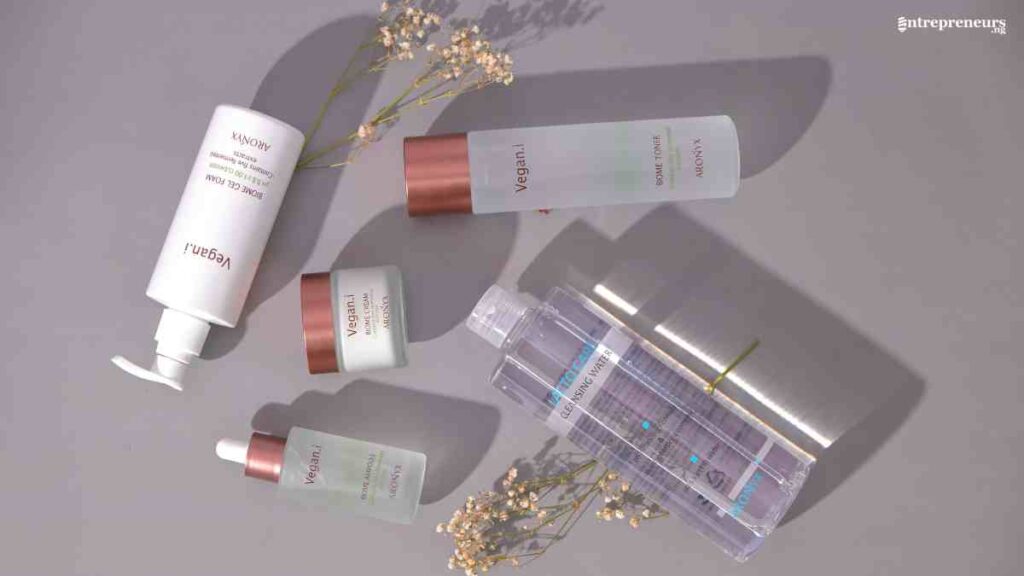
A skin care business is no longer just a beauty idea; it is a serious business opportunity for founders who understand products, branding, compliance, and customer trust.
According to Grand View Research, the global skincare market was valued at $155.84 billion in 2025 and is expected to reach $202.77 billion by 2033, highlighting sustained demand across all segments.
This guide covers startup costs, legal requirements, business planning, and steps to build a profitable skincare business.
Key Takeaways
- Choose a clear niche, validate demand, and build a skincare brand around a specific audience problem.
- Focus on product quality, compliance, and a solid skincare business plan before launching.
- Invest in branding, marketing, and digital channels to stand out in a competitive beauty business.
- Scale profitably by refining costs, expanding products, and building strong customer loyalty.

Why Is Starting a Skin Care Business a Smart Move Today?
The decision to start a skin care business today is backed by strong market demand, evolving consumer behaviour, and the rise of digital entrepreneurship.
Unlike many traditional industries, skincare sits at the intersection of wellness, beauty, and self-care; three sectors that continue to grow regardless of economic cycles.
1. A Rapidly Growing Global Market
The skincare industry is expanding at an impressive pace, driven by increased awareness of personal care and rising disposable incomes.
Consumers are no longer treating skincare as a luxury but as a daily necessity.
This shift means new brands have more room to enter the market and compete, especially when they offer unique value.
2. Low Barrier to Entry with High Scalability
Starting a skincare brand is more accessible than ever. You can begin small using private label products or home-based production, then scale as demand grows.
Moreover, with e-commerce platforms and social media, entrepreneurs can launch globally without needing a physical store.
3. Rising Demand for Niche and Personalised Products
Today’s consumers want products tailored to their specific needs, whether it is acne treatment, anti-ageing, vegan skincare, or sensitive skin solutions.
This demand creates opportunities for niche brands to stand out instead of competing with mass-market giants.
4. Strong Profit Margins
Skincare products typically have high profit margins, especially when branding and positioning are done right.
A well-packaged product with a compelling story can command premium pricing, even if production costs are relatively low.
5. The Power of Digital Marketing and Influencers
Social media platforms like Instagram, TikTok, and YouTube have transformed how skincare products are discovered and sold.
Entrepreneurs can build a loyal audience, showcase product results, and drive sales without massive advertising budgets.
6. Alignment with Wellness and Self-Care Trends
Consumers are increasingly prioritising self-care and holistic wellness.
Skincare brands that position themselves around health, confidence, and lifestyle benefits resonate deeply with modern buyers.
Starting a skincare business today is not just about selling products; it is about building a brand that connects with people’s daily routines and personal identity.
For entrepreneurs who approach it strategically, the opportunity is both scalable and highly profitable.
How to Start a Skin Care Business in 12 Simple Steps
Starting a successful skin care business requires more than a great product idea; it demands a clear strategy, market insight, and a strong brand foundation.
From choosing a profitable niche to understanding the legal requirements for a skincare business, each step plays a crucial role in building a sustainable and competitive skincare brand.
In this section, you will learn how to start a skin care business, create products that customers trust, and position your brand for long-term growth in the global beauty industry.
Step 1: Choose a Profitable Skin Care Niche
Choosing the right niche is the foundation of a successful skin care business.
Instead of targeting everyone, focus on a clearly defined segment of customers with specific needs.
A well-selected niche helps you stand out, attract loyal buyers, and position your skincare brand effectively in a crowded market.
Understanding What a Skincare Niche Means
A niche is a specific segment within the broader beauty business market. It is defined by customer problems, preferences, or identity factors such as age, skin type, lifestyle, or values.
Rather than launching a general product line, narrowing your focus allows you to create targeted solutions that resonate deeply with your audience.
Popular and Profitable Skincare Niches
Below are some high-demand niches you can explore when planning how to start a skin care business:
| Niche Category | Target Audience | Example Products | Market Demand Level |
|---|---|---|---|
| Acne Treatment | Teenagers & young adults | Spot treatments, cleansers | High |
| Anti-Ageing | 30+ consumers | Serums, eye creams | High |
| Organic/Natural | Eco-conscious buyers | Plant-based products | Very High |
| Sensitive Skin | Allergy-prone users | Fragrance-free creams | High |
| Men’s Skincare | Male consumers | Beard oils, face wash | Growing |
| Hyperpigmentation | Diverse skin tones | Brightening serums | High |
How to Identify the Right Niche
Selecting a niche requires research and validation, not guesswork. Use data and real customer behaviour to guide your decision.
Analyse Market Demand
Use tools like Google Trends, Amazon, and social media platforms to identify trending skincare concerns.
Look for recurring problems people are actively trying to solve.
Study Your Competitors
Review existing skincare brands in your chosen niche. Identify what they do well and where they fall short.
This gap becomes your opportunity.
Define a Clear Customer Profile
Be specific about who you are targeting. Instead of “women,” define your audience as “women aged 25–40 with acne-prone, sensitive skin.”
Validate Profit Potential
Ensure your niche has both demand and purchasing power.
A niche may be popular but not profitable if customers are unwilling to pay premium prices.
Mistakes to Avoid When Choosing a Niche
Avoid going too broad, as this makes your skincare brand difficult to position. Do not choose a niche based solely on personal interest without confirming demand.
Also, avoid entering a saturated niche without a clear differentiation strategy.
By selecting a focused and profitable niche, you create a strong foundation for your skincare business and make every other step, from product development to marketing, more effective.
Step 2: Understand Your Target Audience
After choosing your niche, the next step in learning how to start a skin care business is to clearly define and understand your target audience.
Your products, branding, pricing, and marketing strategy must align with the specific needs and behaviours of the people you want to serve.
What Defines a Target Audience in a Skin Care Business
A target audience is a specific group of people most likely to buy your products.
In a skincare business, this goes beyond basic demographics and includes skin concerns, lifestyle habits, and purchasing behaviour.
Key Audience Segmentation Factors
Use the table below to break down your ideal customers:
| Factor | Description | Example |
|---|---|---|
| Age Group | Defines product needs and preferences | 18–25 (acne), 35+ (anti-ageing) |
| Skin Type | Determines formulation focus | Oily, dry, combination, sensitive |
| Income Level | Influences pricing strategy | Budget-conscious vs premium buyers |
| Lifestyle | Affects buying behaviour | Busy professionals, fitness enthusiasts |
| Values | Shapes brand positioning | Vegan, cruelty-free, eco-conscious |
Creating a Customer Persona
A customer persona helps you visualise and understand your ideal buyer. It makes your skincare brand more focused and relatable.
Example Customer Persona
- Name: Sarah
- Age: 32
- Skin Concern: Hyperpigmentation and dull skin
- Lifestyle: Busy professional with limited skincare routine
- Buying Behaviour: Prefers simple, effective, premium products
- Values: Clean and dermatologist-approved ingredients
How to Research Your Audience
Use Social Media Insights
Platforms like Instagram, TikTok, and Reddit reveal what customers are saying about skincare products.
Look at comments, reviews, and trending discussions.
Analyse Online Reviews
Check Amazon, beauty websites, and competitor product pages. Identify common complaints and unmet needs.
Conduct Surveys and Polls
Ask potential customers directly about their skincare challenges and preferences. This gives you first-hand data.
Study Search Behaviour
Use tools like Google Trends to see what people are actively searching for in skincare.
Buying Triggers in the Skincare Market
Understanding what drives purchases helps you position your skincare brand effectively.
- Visible results (before-and-after transformation)
- Ingredient transparency
- Brand trust and reviews
- Packaging and aesthetics
- Recommendations from influencers or dermatologists
Avoid assuming you are your target audience unless validated by data.
Do not rely only on demographics without understanding behaviour. Also, avoid targeting too many groups at once, as this weakens your brand positioning.
By clearly defining your audience, you make smarter decisions across your skincare business, from product development to marketing, while building a brand that truly connects with customers.

Step 3: Research Skincare Trends and Ingredients
To build a competitive skin care business, you must stay ahead of trends and understand the ingredients customers actively seek.
The modern consumer is informed, ingredient-conscious, and driven by results, which means your product decisions must be backed by both market demand and basic formulation knowledge.
Key Skincare Trends Shaping the Industry
The skincare market is evolving quickly, and aligning your products with current trends gives your brand a strong advantage.
| Trend | Description | Example Products | Demand Level |
|---|---|---|---|
| Clean Beauty | Focus on non-toxic, transparent ingredients | Paraben-free creams | Very High |
| Minimalist Skincare | Fewer products with multiple benefits | 2-in-1 serums | High |
| Personalised Skincare | Tailored solutions for individuals | Custom routines | Growing |
| Skin Barrier Repair | Focus on strengthening skin health | Ceramide creams | High |
| Vegan & Cruelty-Free | Ethical and sustainable products | Plant-based formulations | Very High |
Trending Skincare Ingredients to Know
Consumers often search for products by ingredient, not just brand. Including trending ingredients in your product line improves visibility and appeal.
| Ingredient | Benefit | Common Use |
|---|---|---|
| Niacinamide | Reduces pores and oil | Serums, toners |
| Hyaluronic Acid | Deep hydration | Moisturisers, serums |
| Retinol | Anti-ageing and skin renewal | Night creams |
| Vitamin C | Brightening and glow | Serums |
| Salicylic Acid | Acne treatment | Cleansers, spot treatments |
How to Identify the Right Trends
Monitor Search and Social Data
Use platforms like TikTok, Instagram, and Google Trends to track what people are talking about.
Viral products often indicate rising demand.
Follow Industry Reports
Beauty reports from firms like McKinsey and Statista highlight emerging consumer preferences and innovation areas.
Observe Competitor Product Launches
Watch what established skincare brands are releasing.
Frequent launches around a specific ingredient or benefit signal strong market interest.
Balancing Trends with Product Stability
While trends are important, avoid building your entire skincare brand around short-lived hype.
Focus on products that combine trending ingredients with long-term skincare benefits. This ensures your business remains relevant even as trends change.
Regulatory Considerations for Ingredients
Every ingredient used in your skincare products must comply with safety regulations in your target market.
Certain active ingredients, such as retinol, have concentration limits and labelling requirements. Always verify compliance before product development.
Step 4: Decide Your Skin Care Business Model
Choosing the right business model is a critical step when learning how to start a skin care business.
Your model determines how you create products, manage costs, control quality, and scale your skincare brand.
A clear decision here helps you avoid unnecessary expenses and operational challenges later.
Types of Skincare Business Models
There are several ways to structure your skin care business, depending on your budget, expertise, and long-term goals.
| Business Model | Description | Startup Cost | Control Level | Best For |
|---|---|---|---|---|
| Private Label | Ready-made formulas branded as your own | Low–Medium | Medium | Beginners |
| Custom Formulation | Products created from scratch | High | High | Premium brands |
| Dropshipping | Sell products without holding inventory | Low | Low | Testing ideas |
| Contract Manufacturing | Manufacturer produces your formula at scale | Medium–High | High | Growing brands |
| Handmade/DIY | Create products yourself | Low | High | Small-scale startups |
Private Label vs Custom Formulation
When deciding how to start a skin care business, one of the most important choices is whether to use private label products or invest in custom formulation.
Each option affects your cost, speed to market, and ability to differentiate your skincare brand.
| Factor | Private Label Skincare | Custom Formulation |
|---|---|---|
| Definition | Pre-developed formulas branded as your own | Products created from scratch with a chemist |
| Time to Market | Fast | Slow |
| Development Cost | Lower | Higher |
| Product Uniqueness | Limited | High |
| Control Over Ingredients | Moderate | Full control |
| Brand Positioning | Suitable for entry-level brands | Ideal for premium or specialised brands |
| Complexity | Simple to launch | Requires technical involvement |
Choosing the Right Model for Your Goals
Budget Consideration
If you are starting with limited capital, private label or handmade products are more practical.
Custom formulation requires significant investment.
Brand Positioning
If your skincare brand aims to be premium or science-backed, custom formulation offers stronger credibility.
Speed to Market
If you want to launch quickly and test demand, private label or dropshipping is ideal.
Scalability
Contract manufacturing supports large-scale production as your beauty business grows.
Hybrid Approach
Many successful skincare brands combine models.
For example, they may start with private label products, validate demand, then transition into custom formulations for differentiation.
Step 5: Develop Your Skincare Products
Product development is where your skin care business moves from idea to reality.
At this stage, you define what your products will contain, how they perform, and how they stand out in the market.
Strong product development builds trust, drives repeat purchases, and positions your skincare brand for long-term success.
Key Approaches to Product Development
There are different ways to develop your skincare products depending on your business model and expertise.
| Approach | Description | Cost Level | Time Required | Best For |
|---|---|---|---|---|
| DIY Formulation | Create products yourself using raw ingredients | Low | Medium | Small startups |
| Cosmetic Chemist | Work with a professional to develop formulas | High | High | Premium brands |
| Private Label Customisation | Modify existing formulas | Medium | Low–Medium | Fast launches |
Product Testing and Safety
Stability Testing
Ensures your product maintains quality over time under different conditions such as heat and light.
Microbial Testing
Checks that your product is free from harmful bacteria and safe for use.
Patch Testing
Helps identify potential skin reactions before launching to the public.
Product Differentiation Strategies
Ingredient Positioning
Use key ingredients as your selling point, such as niacinamide for oil control or vitamin C for brightening.
Unique Formulation
Combine ingredients in a way that solves a specific problem better than competitors.
Texture and Experience
Consumers value how a product feels on the skin. Lightweight, non-greasy formulas often perform better.
Packaging Innovation
Airless pumps, droppers, and eco-friendly packaging can enhance user experience and brand perception.
Basic Product Development Timeline
| Stage | Activity | Estimated Duration |
|---|---|---|
| Concept Development | Define product idea | 1–2 weeks |
| Formulation | Create and refine formula | 4–12 weeks |
| Testing | Safety and stability checks | 4–8 weeks |
| Final Production | Manufacturing and packaging | 2–6 weeks |
Avoid rushing product development without proper testing. Do not prioritise trends over safety and effectiveness.
Also, avoid copying competitors without adding unique value, as this weakens your brand positioning.
By developing high-quality skincare products, you build the core of your skincare business and create offerings that customers trust, recommend, and return to buy repeatedly.
Step 6: Create a Strong Skincare Brand Identity
A strong brand identity is what separates a successful skin care business from a generic product line.
In today’s market, customers do not just buy skincare products, they buy into stories, values, and experiences.
Your skincare brand must communicate clearly who you are, what you stand for, and why customers should trust you.
Core Elements of a Skincare Brand Identity
| Element | Description | Example |
|---|---|---|
| Brand Name | Memorable and relevant to your niche | GlowLab, PureSkin |
| Brand Story | The reason behind your business | Founder struggled with acne |
| Mission & Values | What your brand stands for | Clean, cruelty-free skincare |
| Visual Identity | Colours, fonts, and design style | Minimalist, luxury, bold |
| Tone of Voice | How you communicate | Friendly, expert, clinical |
Crafting Your Brand Positioning
Define Your Unique Selling Proposition (USP)
Your USP is what makes your skincare brand different from competitors.
It could be your ingredients, results, pricing, or philosophy.
| USP Type | Description | Example |
|---|---|---|
| Ingredient-Based | Focus on key actives | Retinol-focused brand |
| Value-Based | Ethical or sustainable | 100% vegan skincare |
| Result-Based | Proven outcomes | Acne-clearing in 14 days |
| Experience-Based | Sensory or luxury feel | Spa-like products |
Build a Clear Brand Message
Your messaging should answer three questions:
- Who is this product for?
- What problem does it solve?
- Why should customers trust you?
Keep your message simple and consistent across all platforms.
Packaging and Product Design
Packaging plays a major role in influencing buying decisions in a beauty business. It should reflect your brand identity and appeal to your target audience.
| Packaging Type | Benefits | Best For |
|---|---|---|
| Airless Pumps | Preserves product quality | Premium brands |
| Glass Bottles | Eco-friendly and luxurious | Organic skincare |
| Plastic Tubes | Cost-effective and durable | Mass market |
| Dropper Bottles | Precise application | Serums and oils |
Key Packaging Considerations
- Ensure functionality and ease of use
- Align design with your brand positioning
- Include clear labelling and instructions
- Maintain consistency across product lines
Brand Consistency Across Channels
Your skincare brand should look and feel the same everywhere, website, social media, packaging, and marketing materials.
Consistency builds trust and recognition over time.
| Channel | What to Maintain |
|---|---|
| Website | Colours, fonts, messaging |
| Social Media | Visual style and tone |
| Packaging | Logo and design elements |
| Ads | Consistent brand voice |
Avoid copying other skincare brands, as this weakens your identity. Do not overcomplicate your messaging, as clarity attracts customers.
Also, avoid inconsistent visuals, which can confuse your audience and reduce trust.
A strong brand identity gives your skin care business a clear voice in the market, making it easier to attract, convert, and retain loyal customers.
Step 7: Write a Skincare Business Plan
A skincare business plan gives your skin care business structure, direction, and financial clarity.
It helps you define your goals, understand your costs, and map out how your skincare brand will generate revenue and grow over time.
Whether you are starting small or aiming to scale globally, a clear plan keeps your decisions focused and strategic.
Key Components of a Skincare Business Plan
| Section | Description | Key Details to Include |
|---|---|---|
| Executive Summary | Overview of your business | Brand concept, goals |
| Market Analysis | Industry and competitor insights | Target niche, trends |
| Products | What you are selling | Product types, benefits |
| Marketing Strategy | How you will attract customers | Channels, campaigns |
| Operations Plan | Day-to-day business activities | Suppliers, logistics |
| Financial Plan | Costs and revenue projections | Budget, pricing |
Avoid creating a vague business plan without clear numbers.
To get started faster with a ready-made structure, get our comprehensive business plan template from Entrepreneurs.ng and build your business with clarity and confidence.

Step 8: Register Your Business and Meet Legal Requirements
Registering your skin care business and meeting legal requirements is essential for operating professionally and avoiding costly issues.
Compliance builds trust with customers, protects your brand, and ensures your products are safe for public use across different markets.
Business Registration Options
| Business Structure | Description | Best For |
|---|---|---|
| Sole Proprietorship | Owned and managed by one person | Small startups |
| Partnership | Shared ownership between two or more people | Co-founders |
| Limited Company | Separate legal entity from owner | Scalable brands |
Key Registration Steps
- Choose and register your business name
- Register your business with the appropriate authority in your country
- Obtain a tax identification number
- Open a business bank account
Skincare Product Regulations
Skincare products are classified as cosmetics in most countries, and they must meet strict safety standards before being sold.
| Requirement | Description |
|---|---|
| Product Safety Assessment | Ensures products are safe for human use |
| Ingredient Compliance | Only approved ingredients can be used |
| Good Manufacturing Practice (GMP) | Ensures consistent production quality |
| Product Registration | Required in some regions before selling |
Labelling Requirements
Your product labels must provide clear and accurate information to consumers.
| Label Element | Details |
|---|---|
| Product Name | Clear identification of the product |
| Ingredient List | Listed in descending order |
| Usage Instructions | How to apply the product |
| Manufacturer Details | Business name and address |
| Expiry Date | Shelf life or period after opening |
Global Regulatory Overview
Different regions have specific rules for skincare products. If you plan to sell internationally, you must comply with each market.
| Region | Regulatory Body | Key Focus |
|---|---|---|
| United States | FDA | Safety and proper labelling |
| European Union | European Commission | Strict ingredient regulations |
| United Kingdom | UK Cosmetics Regulation | Product safety and compliance |
Insurance and Liability Protection
Protecting your skincare business from risk is important as you scale.
| Insurance Type | Coverage |
|---|---|
| Product Liability Insurance | Covers claims from product-related harm |
| General Business Insurance | Protects against operational risks |
| Professional Liability Insurance | Covers advice or service-related claims |
Documentation You May Need
- Safety Data Sheets (SDS)
- Product Information File (PIF)
- Certificates of Analysis (COA)
- Manufacturing agreements
Avoid selling products without proper testing or documentation. Do not ignore labelling requirements, as this can lead to penalties.
Also, avoid assuming one country’s regulations apply globally, as each market has its own rules.
Meeting legal requirements early helps you build a trustworthy skincare brand and ensures your skin care business operates smoothly as it grows.
Step 9: Find Manufacturers and Suppliers
Finding the right manufacturers and suppliers is a crucial step in building a reliable skin care business.
Your supplier determines product quality, consistency, pricing, and your ability to scale.
A poor choice at this stage can damage your skincare brand, while the right partner can support long-term growth.
Types of Skincare Suppliers
| Supplier Type | Description | Best For |
|---|---|---|
| Private Label Manufacturers | Provide ready-made formulas | Fast product launch |
| Contract Manufacturers | Produce custom formulations | Unique skincare brands |
| Raw Material Suppliers | Supply ingredients for DIY products | Handmade businesses |
| Packaging Suppliers | Provide bottles, jars, and containers | All business models |
How to Find Reliable Suppliers
Use Verified Platforms
Search for suppliers on trusted platforms such as Alibaba, Indie Beauty Expo directories, and local manufacturer listings.
Focus on suppliers with strong reviews and verified certifications.
Attend Trade Shows
Beauty and cosmetic trade shows allow you to meet manufacturers directly, test products, and build relationships.
Request Samples
Always test product samples before committing to large orders. This helps you assess quality, texture, and performance.
Check Certifications
Ensure suppliers follow industry standards such as Good Manufacturing Practice (GMP). This guarantees consistent and safe production.
Key Factors to Evaluate Suppliers
| Factor | What to Check | Importance |
|---|---|---|
| Product Quality | Ingredient sourcing and formulation | Ensures customer satisfaction |
| Minimum Order Quantity (MOQ) | Minimum units required per order | Affects startup cost |
| Pricing | Cost per unit and bulk discounts | Impacts profit margins |
| Lead Time | Production and delivery timelines | Affects inventory planning |
| Communication | Responsiveness and clarity | Ensures smooth operations |
Understanding Minimum Order Quantity (MOQ)
MOQ is the smallest number of units a supplier will produce per order.
| MOQ Level | Impact |
|---|---|
| Low MOQ | Easier for beginners to start |
| High MOQ | Lower cost per unit but higher upfront investment |
Avoid choosing suppliers based only on low cost, as this often compromises quality.
Do not skip sample testing, and avoid working with suppliers who lack proper certifications or clear communication.
By securing reliable manufacturers and suppliers, you create a stable foundation for your skincare business, ensuring consistent product quality and smooth operations as your brand grows.
Step 10: Build Your Online Store and Sales Channels
Building your online store is a critical step in turning your skin care business into a revenue-generating brand.
Your website and sales channels act as your digital storefront, where customers discover, evaluate, and purchase your skincare products.
Choosing an E-commerce Platform
| Platform | Description | Best For |
|---|---|---|
| Shopify | Easy-to-use, all-in-one platform | Beginners and scaling brands |
| WooCommerce | Flexible WordPress plugin | Custom websites |
| Wix eCommerce | Simple drag-and-drop builder | Small businesses |
| BigCommerce | Advanced features for growth | Established brands |
Key Features to Look For
- Mobile-friendly design
- Secure payment integration
- Inventory management
- Fast loading speed
- SEO optimisation capabilities
Essential Pages for Your Skincare Website
| Page | Purpose |
|---|---|
| Homepage | First impression and brand overview |
| Product page | Showcase products with details and images |
| About Page | Tell your brand story |
| Contact Page | Customer support and enquiries |
| FAQ Page | Address common customer questions |
Multi-Channel Sales Strategy
Selling through multiple channels increases visibility and revenue.
| Channel | Benefit |
|---|---|
| Website | Full control and higher margins |
| Marketplaces (Amazon, Etsy) | Built-in traffic |
| Social Commerce | Direct selling via social media |
| Retail Partnerships | Offline expansion |
Avoid launching a website without optimising for mobile users.
Do not use low-quality product images, as this reduces trust. Also, avoid complicated checkout processes that can lead to abandoned carts.
By building a strong online store and leveraging multiple sales channels, your skincare brand becomes accessible to a global audience, increasing your chances of consistent sales and long-term growth.
Step 11: Launch and Market Your Skincare Brand
Launching your skin care business is more than putting products online; it is about creating visibility, building trust, and driving consistent sales.
A strong marketing strategy ensures your skincare brand reaches the right audience and converts interest into revenue.
Pre-Launch Strategy
| Activity | Description | Goal |
|---|---|---|
| Build Anticipation | Share teasers on social media | Create excitement |
| Collect Emails | Offer early access or discounts | Build audience |
| Influencer Seeding | Send products to creators | Generate buzz |
| Landing Page Setup | Showcase brand and collect leads | Prepare for launch |
Social Media Marketing Strategy
Social media is one of the most powerful tools for growing a beauty business.
| Platform | Content Type | Purpose |
|---|---|---|
| Product visuals, reels | Brand awareness | |
| TikTok | Short videos, tutorials | Viral reach |
| YouTube | Skincare routines, reviews | Education and trust |
| Visual pins | Long-term traffic |
Content Ideas for Skincare Brands
- Before-and-after results
- Skincare routines
- Ingredient education
- Customer testimonials
- Behind-the-scenes production
Influencer and Creator Marketing
Types of Influencers
| Type | Audience Size | Benefit |
|---|---|---|
| Micro-Influencers | 1K–50K | High engagement |
| Mid-Tier Influencers | 50K–500K | Balanced reach |
| Macro-Influencers | 500K+ | Massive exposure |
Collaboration Strategies
- Product gifting for reviews
- Paid partnerships
- Affiliate commissions
- Long-term brand ambassadors
Content Marketing and SEO
Creating valuable content helps your skincare brand rank on search engines and attract organic traffic.
Key Content Types
- Blog posts (e.g., skincare tips, routines)
- How-to guides
- Ingredient breakdowns
- FAQs
SEO Focus Areas
- Use keywords like “how to start a skin care business” naturally
- Optimise product descriptions
- Build backlinks from credible sources
Paid Advertising Channels
| Channel | Benefit | Best Use |
|---|---|---|
| Facebook/Instagram Ads | Targeted audience reach | Product launches |
| Google Ads | High purchase intent | Search traffic |
| TikTok Ads | Viral potential | Brand awareness |
Email Marketing Strategy
| Email Type | Purpose |
|---|---|
| Welcome Emails | Introduce your brand |
| Product Launch Emails | Announce new products |
| Promotional Emails | Offer discounts |
| Educational Emails | Build trust and loyalty |
Launch Day Checklist
- Website fully functional
- Payment systems tested
- Inventory ready
- Marketing campaigns active
- Customer support available
Avoid launching without building an audience first. Do not rely on one marketing channel alone.
Also, avoid inconsistent posting, as this reduces visibility and engagement.
By combining social media, influencer partnerships, content marketing, and paid ads, you create a strong launch strategy that positions your skincare brand for immediate traction and long-term growth.
Step 12: Scale Your Skin Care Business
Scaling your skin care business involves moving from consistent sales to sustainable growth.
At this stage, the focus shifts from launching products to increasing revenue, expanding your reach, and building efficient systems that support long-term success.
Expanding Your Product Line
Introducing new products allows you to serve existing customers better and increase average order value.
| Expansion Strategy | Description | Example |
|---|---|---|
| Line Extension | Add variations of existing products | Different scents or sizes |
| Complementary Products | Add related items | Cleanser + moisturiser set |
| Premium Range | Introduce higher-end products | Advanced serums |
| Limited Editions | Seasonal or exclusive launches | Holiday skincare kits |
Entering New Sales Channels
Diversifying where you sell helps increase visibility and revenue.
| Channel | Benefit | Requirement |
|---|---|---|
| Retail Stores | Wider exposure | Wholesale pricing |
| Online Marketplaces | Access to large audiences | Platform fees |
| International Markets | Global growth | Regulatory compliance |
| Subscription Models | Recurring revenue | Customer retention strategy |
Tracking Key Business Metrics
Monitoring performance helps you make informed decisions.
| Metric | What It Measures |
|---|---|
| Customer Acquisition Cost (CAC) | Cost to acquire a customer |
| Lifetime Value (LTV) | Total revenue per customer |
| Conversion Rate | Percentage of visitors who buy |
| Average Order Value (AOV) | Average spend per purchase |
Scaling is about building a structured, efficient, and customer-focused skincare brand that continues to grow profitably while maintaining quality and consistency.
If you are ready to scale faster and build a structured, profitable brand, enrol in our Entrepreneurs Success Blueprint Programme (ESBP) to turn your business into a system-driven enterprise.
How Much Does It Cost to Start a Skin Care Business?
Starting a skin care business can cost anywhere from $2,000 to over $50,000, depending on your business model, product type, and scale.
According to industry benchmarks from platforms like Shopify and reports, most small skincare startups launch within the $5,000–$15,000 range, especially when using private label or small-batch production.
Detailed Startup Cost Breakdown
| Expense Category | Estimated Cost (USD) | What It Covers |
|---|---|---|
| Product Development | $1,000 – $12,000 | Formulation, testing, samples |
| Private Label Inventory | $1,500 – $10,000 | Initial product stock |
| Packaging & Labelling | $500 – $5,000 | Bottles, jars, design, printing |
| Branding & Design | $300 – $3,000 | Logo, brand identity |
| Website & E-commerce | $200 – $2,500 | Shopify, domain, themes |
| Marketing & Launch | $500 – $8,000 | Ads, influencers, content |
| Legal & Compliance | $300 – $2,500 | Licences, documentation, insurance |
| Miscellaneous | $200 – $1,500 | Shipping, tools, admin |
Startup Cost by Business Model
| Business Model | Estimated Startup Cost | Notes |
|---|---|---|
| Dropshipping | $500 – $3,000 | Lowest cost, limited control |
| Private Label | $3,000 – $15,000 | Most common for beginners |
| Handmade/DIY | $2,000 – $8,000 | Time-intensive, flexible |
| Custom Formulation | $10,000 – $50,000+ | Premium, high differentiation |
Example Budget Scenarios
Low-Budget Startup ($3,000 – $5,000)
This approach is ideal if you are testing the market or starting a skin care business with limited capital.
It focuses on speed, simplicity, and validating demand before scaling.
| Expense Category | Estimated Cost (USD) | Details |
|---|---|---|
| Private Label Products | $1,500 – $2,500 | Low MOQ starter kits |
| Packaging | $300 – $800 | Basic bottles and labels |
| Website (Shopify) | $200 – $500 | Theme, domain, setup |
| Marketing | $300 – $1,000 | Organic content, minimal ads |
| Miscellaneous | $200 – $500 | Shipping, small tools |
Mid-Range Startup ($8,000 – $15,000)
This setup suits entrepreneurs looking to build a more polished skincare brand with stronger positioning and faster growth potential.
| Expense Category | Estimated Cost (USD) | Details |
|---|---|---|
| Customised Private Label | $3,000 – $7,000 | Branded, slightly unique formulas |
| Packaging & Branding | $1,000 – $4,000 | Professional design and materials |
| Website & E-commerce | $500 – $1,500 | Advanced features and optimisation |
| Marketing | $2,000 – $5,000 | Paid ads, influencer collaborations |
| Legal & Compliance | $500 – $1,500 | Documentation and registrations |
High-End Startup ($20,000+)
This model is for founders building a premium skincare brand with strong differentiation, advanced formulations, and aggressive market entry.
| Expense Category | Estimated Cost (USD) | Details |
|---|---|---|
| Custom Formulation | $8,000 – $20,000+ | Work with cosmetic chemist |
| Premium Packaging | $3,000 – $10,000 | High-end, luxury materials |
| Large Inventory | $5,000 – $15,000 | Bulk production for scale |
| Website & Tech | $1,000 – $3,000 | Custom design and integrations |
| Full Marketing Strategy | $5,000 – $15,000+ | Ads, PR, influencers, campaigns |
These budget scenarios help you align your financial capacity with your business goals, ensuring you start your skincare business at a level that is both realistic and scalable.
Key Cost Drivers
| Cost Driver | Impact |
|---|---|
| Product formulation type | Custom products cost significantly more |
| Minimum Order Quantity (MOQ) | Higher MOQ increases upfront cost |
| Branding quality | Premium branding raises perceived value |
| Marketing strategy | Paid ads require consistent budget |
| Compliance requirements | Varies by country and market |

Profitability Breakdown and Pricing Strategy for a Skin Care Business
Understanding profitability is essential when building a successful skin care business.
While the industry is known for high margins, actual profit depends on how well you control costs, price your products, and manage marketing spend.
A smart pricing strategy ensures your skincare brand remains competitive while generating sustainable income.
Typical Profit Margin Structure
Skincare products often have gross profit margins between 60% and 80%, especially in direct-to-consumer models.
However, net profit is lower after expenses like marketing, logistics, and operations.
| Cost Component | Percentage of Selling Price | Example ($20 Product) |
|---|---|---|
| Production Cost | 20% – 30% | $4 – $6 |
| Packaging | 10% – 20% | $2 – $4 |
| Marketing | 20% – 40% | $4 – $8 |
| Operations & Logistics | 10% – 15% | $2 – $3 |
| Net Profit | 10% – 30% | $2 – $6 |
Example Profit Breakdown per Product
| Item | Amount (USD) |
|---|---|
| Selling Price | $25 |
| Total Cost (Production + Packaging) | $8 |
| Marketing Cost | $7 |
| Other Expenses | $3 |
| Net Profit | $7 |
This shows how a well-priced product can generate strong returns even after expenses.
Pricing Strategy Options
Choosing the right pricing strategy depends on your brand positioning and target audience.
| Strategy | Description | Best For |
|---|---|---|
| Cost-Plus Pricing | Add a fixed markup to total cost | Beginners |
| Value-Based Pricing | Price based on perceived value | Premium skincare brands |
| Competitive Pricing | Match or slightly undercut competitors | Saturated markets |
| Tiered Pricing | Offer products at different price levels | Expanding brands |
Recommended Pricing Formula
A common and effective formula in the skincare industry is:
Selling Price = 3x to 5x Total Production Cost
| Production Cost | Recommended Price Range |
|---|---|
| $5 | $15 – $25 |
| $8 | $24 – $40 |
| $10 | $30 – $50 |
This ensures enough margin to cover marketing and still remain profitable.
Factors That Influence Pricing
| Factor | Impact on Pricing |
|---|---|
| Brand Positioning | Premium brands charge higher prices |
| Ingredient Quality | High-quality actives increase cost |
| Packaging | Luxury packaging raises perceived value |
| Target Market | Income level affects pricing tolerance |
| Distribution Channel | Retail requires lower wholesale pricing |
Wholesale vs Direct-to-Consumer Pricing
| Channel | Pricing Structure | Margin Impact |
|---|---|---|
| Direct-to-Consumer | Full retail price | Highest margins |
| Wholesale | 40%–60% of retail price | Lower margins, higher volume |
Avoid underpricing your products, as it reduces perceived value and limits growth. Do not ignore marketing costs when setting prices.
Also, avoid inconsistent pricing across channels, which can confuse customers and harm your brand.
A well-structured pricing strategy, combined with disciplined cost control, ensures your skincare business remains profitable while delivering value to your customers.
Legal Requirements for a Skin Care Business
Starting a skin care business requires strict compliance with legal and safety regulations.
These rules ensure your products are safe for consumers and your skincare brand operates professionally in your target market.
Requirements vary by country, but most follow similar principles around product safety, labelling, and business registration.
Key Legal Requirements
| Requirement | Description | Applies To |
|---|---|---|
| Business Registration | Register your business legally (sole trader, partnership, or company) | All businesses |
| Cosmetic Product Safety Assessment | Products must be tested and approved as safe for use | All skincare products |
| Ingredient Compliance | Only approved ingredients within regulated limits can be used | Formulation stage |
| Good Manufacturing Practice (GMP) | Ensures products are consistently produced and controlled | Manufacturers |
| Product Labelling Laws | Clear labels with ingredients, usage, and manufacturer details | All products |
| Product Registration/Notification | Some regions require products to be registered before sale | EU, UK, others |
| Insurance (Product Liability) | Protects against claims from product-related harm | Recommended globally |
| Documentation (PIF, SDS, COA) | Technical files proving safety and compliance | Regulated markets |
Meeting these legal requirements early helps you avoid penalties, build trust with customers, and position your skincare business for long-term growth.
Common Mistakes to Avoid in a Skin Care Business
Avoiding common mistakes can save you time, money, and damage to your skincare brand.
Many new founders focus on product creation but overlook critical areas like branding, compliance, and marketing.
Identifying these risks early helps you build a more resilient and profitable skin care business.
Mistakes and How to Avoid Them
| Mistake | What Happens | How to Avoid It |
|---|---|---|
| Choosing a Broad Niche | Weak brand identity and poor targeting | Focus on a specific audience and skin concern |
| Ignoring Market Research | Low demand and poor sales | Validate ideas using data and customer feedback |
| Poor Product Quality | Negative reviews and low retention | Invest in testing and high-quality ingredients |
| Weak Branding | Customers do not connect with your brand | Build a clear brand story and visual identity |
| Underpricing Products | Low profit margins and brand devaluation | Use value-based or cost-plus pricing strategies |
| Skipping Legal Compliance | Risk of fines or product bans | Follow all regulatory and labelling requirements |
| Overinvesting in Inventory | Cash flow problems | Start with low MOQ and scale gradually |
| Neglecting Marketing | Low visibility and slow growth | Invest in consistent marketing and content |
| Relying on One Sales Channel | Limited reach and revenue | Use multi-channel sales strategies |
| Ignoring Customer Feedback | Missed improvement opportunities | Collect and act on reviews and insights |
By avoiding these common pitfalls and applying the right strategies, you position your skincare business for steady growth, stronger customer trust, and long-term success.
Conclusion
Starting a skin care business is a powerful opportunity, but success depends on strategy, not just passion.
By choosing the right niche, building a strong brand, ensuring compliance, and executing smart marketing, you can create a skincare brand that stands out and grows sustainably.
We want to see you succeed, and that’s why we provide valuable business resources to help you every step of the way.
- Join over 23,000 entrepreneurs by signing up for our newsletter and receiving valuable business insights.
- Register your business today with Entrepreneurs.ng’s Business Registration Services.
- Tell Your Brand Story on Entrepreneurs.ng, let’s showcase your brand to our global audience.
- Need help with your marketing strategy? Get a Comprehensive Marketing and Sales Plan here.
- Sign up for our Entrepreneurs Success Blueprint Programme to learn how to start and scale your business in just 30 days.
- Book our one-on-one consulting and speak to an expert about structuring and growing your business.
- Visit our shop for business plan templates and other valuable resources to guide you.
- Get our Employee-Employer Super Bundle NDA templates to legally protect your business and workforce.
- Advertise your business to over a million entrepreneurs through our different advertising packages.

Frequently Asked Questions (FAQs)
How much does it cost to start a skin care business?
It typically costs between $3,000 and $15,000 for most startups, depending on your business model and scale. Costs increase with custom formulations and premium branding.
Is a skin care business profitable?
Yes, skincare businesses can be highly profitable, with margins often ranging from 60% to 80%. Profit depends on pricing, branding, and marketing efficiency.
Do I need a licence to sell skincare products?
Yes, most countries require business registration and compliance with cosmetic regulations. Some regions also require product safety assessments and notifications.
Can I start a skincare business from home?
Yes, many entrepreneurs begin from home using small-batch production or private label products. However, you must still meet safety and regulatory standards.
How do I create my own skincare products?
You can either formulate products yourself or work with a cosmetic chemist. Professional formulation ensures safety, stability, and compliance.
What is the best niche for a skincare business?
Popular niches include acne treatment, anti-ageing, organic skincare, and sensitive skin. The best niche is one with clear demand and a defined audience.
How long does it take to launch a skincare brand?
It can take 4 to 12 weeks with private label products, while custom formulations may take 3 to 6 months due to testing and development.
Do I need a chemist to start a skincare line?
Not always. You can start with private label products, but a chemist is recommended for custom formulations and premium brands.
How do I find a skincare manufacturer?
You can find manufacturers through online directories, trade shows, and supplier platforms. Always request samples and verify certifications before choosing one.
What are the most profitable skincare products?
Serums, moisturisers, and acne treatments are among the most profitable due to high demand and strong repeat purchase rates.
How do I price my skincare products?
A common strategy is pricing products at 3x to 5x the production cost. This ensures you cover marketing and operational expenses while maintaining profit.
Can I sell skincare products online only?
Yes, many successful brands operate entirely online. E-commerce platforms and social media make it easy to reach a global audience.
What are the legal requirements for a skincare business?
You need business registration, compliant formulations, proper labelling, and safety documentation. Requirements vary depending on your target market.
How do I market a skincare brand effectively?
Use a mix of social media, influencer marketing, content marketing, and paid ads. Consistency and strong storytelling are key to success.
What are common mistakes when starting a skincare business?
Common mistakes include poor branding, ignoring regulations, weak marketing, and overinvesting in inventory without validating demand.


